
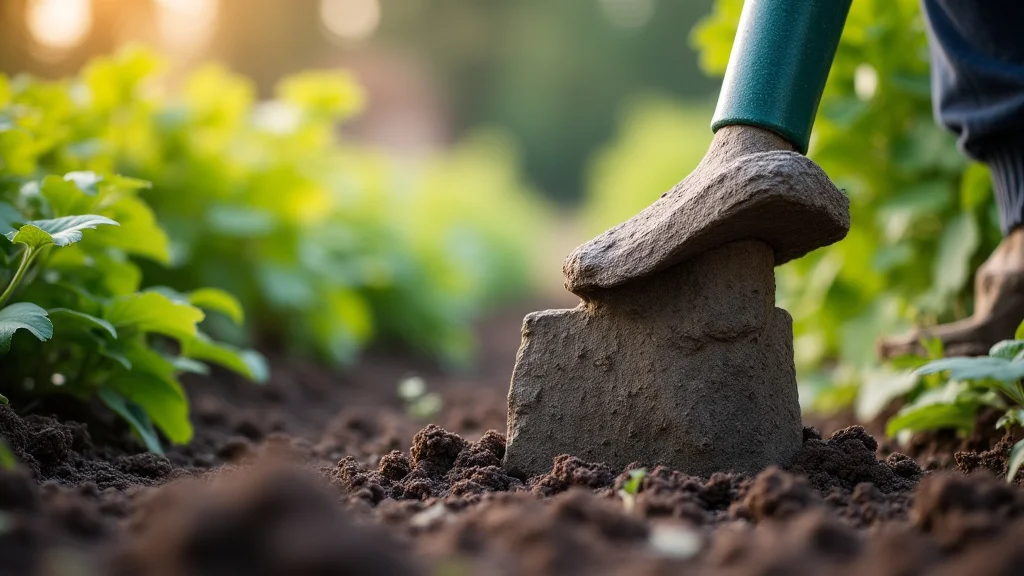
Remember that time you tried to plant a rose bush with a rusty trowel? The struggle was real! That’s when I realized the right tools can make all the difference between a frustrating gardening experience and a truly rewarding one. Choosing the right gardening tools for sale isn’t just about having the gear; it’s about setting yourself up for success and actually enjoying your time in the garden. In this post, we’ll explore everything you need to know to find the perfect tools, ensuring your plants thrive. You’ll gain valuable knowledge on what to look for when shopping and what to avoid, helping you become a confident gardener. By the end, you’ll be able to make informed choices that will transform your garden into a flourishing haven.
Key Takeaways
- Learn how to identify essential gardening tools for sale.
- Discover the best materials for durability and performance.
- Find out how to choose tools that fit your specific gardening needs.
- Understand the importance of tool maintenance and care.
- Explore where to find quality tools for your budget.
- Get tips on extending the life of your gardening equipment.
Essential Gardening Tools for Sale
Starting a garden can feel like a big project, and it’s easy to get overwhelmed. But the good news is, you don’t need a huge collection of tools right away. Focus on the basics, and you’ll be well on your way to a thriving garden. The key is choosing versatile, high-quality items. This means spending a little more upfront on tools that will last, making your gardening experience both efficient and enjoyable. Think about the tasks you’ll be doing most often: planting, weeding, watering, and harvesting. From there, you can start building a toolkit that meets your needs.
Hand Trowel and Hand Fork
A hand trowel and hand fork are the foundation of any gardener’s toolkit. They’re perfect for smaller tasks like planting seedlings, transplanting flowers, and loosening soil around established plants. The hand trowel is shaped like a small shovel, ideal for scooping up soil and digging small holes. The hand fork, on the other hand, is a small, multi-pronged tool used for breaking up soil clumps and removing weeds. Together, they provide precision and control, making them indispensable for any gardener. Consider tools with ergonomic handles. These are designed to reduce strain on your hands and wrists, allowing you to work longer and more comfortably.
- Durability: Look for trowels and forks made from stainless steel or other rust-resistant materials. These will last much longer than tools made from cheaper metals.
- Comfort: Choose tools with comfortable handles. Rubber or wood handles are great choices because they provide a secure grip and reduce hand fatigue.
- Size and Design: Select a trowel and fork that are the right size for your hands. A tool that feels good to hold will be more pleasant to use.
Stainless steel tools resist rust and corrosion, even when exposed to moisture and the elements. This durability means that your tools will withstand years of use, providing excellent value for your money. They also tend to be stronger, so you can tackle tougher tasks without worrying about bending or breaking your tools.
Ergonomic handles are designed to fit comfortably in your hand, reducing strain and preventing blisters, especially during prolonged use. Look for handles with a textured surface for better grip, even when your hands are wet or sweaty. This will improve your control and minimize the risk of accidents.
A well-designed trowel and fork will have a balanced weight distribution, which also helps reduce strain. The shape of the trowel’s blade is also important. A pointed tip is good for digging in tough soil, while a rounded tip is better for general planting. Similarly, the fork’s tines should be strong enough to break up compacted soil without bending or breaking.
Hand Weeder
Weeding is a constant task in gardening, and a good hand weeder can save you a lot of time and effort. These tools are designed to easily remove weeds, roots and all, preventing them from coming back. There are many types, including the classic claw weeder and the more specialized dandelion weeder. The right hand weeder will make weed removal a breeze, keeping your garden tidy and healthy. Choosing a weeder that feels comfortable in your hand and is easy to maneuver is key to making weed removal less of a chore.
- Claw Weeder: This weeder typically has a forked head, which is inserted around the weed.
- Dandelion Weeder: Specifically designed for dandelions, this weeder has a narrow, pointed blade.
- Ergonomics: Consider a hand weeder with an ergonomic handle.
Once positioned, you can use the tool to lever the weed out of the ground. The claw weeder is effective for pulling weeds from the root, reducing the chance of them regrowing. It is generally a user-friendly design and suitable for many types of soil.
The blade is inserted beside the dandelion, and then you use it to pry the weed out of the ground. Dandelion weeders are extremely effective at removing the entire taproot, which is crucial for preventing dandelion regrowth. They are particularly useful for tackling this common garden nuisance.
This can significantly reduce strain on your hand and wrist, especially if you have a lot of weeding to do. Look for handles made from comfortable materials. A good grip will help you maintain control and apply the necessary force to remove stubborn weeds.
Watering Can or Hose with Sprayer
Water is essential for plant life, so having a good watering solution is critical. A watering can is perfect for small gardens and container plants. It allows for controlled watering, which helps prevent overwatering and runoff. For larger gardens, a hose with an adjustable sprayer offers greater flexibility. The ability to switch between different spray patterns (like shower, jet, or mist) enables you to customize the watering to the needs of each plant. With a good watering system, you can ensure that your plants receive the right amount of water. Proper watering is essential for plant health and growth.
- Watering Can Material and Size: Select a watering can made from durable plastic or metal. Consider the size of your garden and the amount of water you will need.
- Hose with Sprayer Features: A hose with an adjustable spray nozzle is useful for varied needs. Look for features such as different spray patterns (shower, mist, jet), and an easy-to-use control.
- Hose Length and Material: Choose a hose length that is appropriate for your garden, and select a material that will last. Rubber hoses are durable, while lightweight hoses are easier to handle.
A plastic watering can is lightweight and easy to carry, while a metal one is more robust and can withstand rougher use. Choose a size that is comfortable to lift when full. A long spout can help you reach plants that are in tight spots.
A hose with multiple spray patterns allows you to water different plants in different ways. A shower setting is great for gentle watering of flowers and seedlings, while a jet setting can be useful for cleaning and more demanding tasks. A comfortable grip and a lock feature on the sprayer can also improve the experience.
A hose that is too short will restrict your reach, while one that is too long can be difficult to manage. Consider the material of the hose. A rubber hose is very durable and can withstand wear and tear. A lightweight hose is easier to move around the garden.
Choosing Quality Gardening Tools for Sale
When shopping for gardening tools for sale, the quality of materials is key. Tools made from high-quality materials will perform better and last longer, saving you money in the long run. Materials like stainless steel, hardened steel, and durable plastics are excellent choices. Consider the handle materials as well, as they play a big role in comfort and grip. It is also good practice to read reviews and ask for recommendations. This can guide you towards brands and specific models that have a good reputation for durability and performance. Quality tools might have a higher initial cost, but they are an investment. They will prevent the need for frequent replacements.
Material Matters: Steel and Wood
The materials used in the construction of your gardening tools for sale directly influence their performance and lifespan. Understanding the properties of different materials helps you make informed choices. For example, the type of steel used in the blade of a shovel makes a significant difference. High-carbon steel is strong and can hold a sharp edge, making it good for digging. Handles made from wood are known for their strength and are usually comfortable to grip. Well-chosen materials will help make gardening tasks both easier and more enjoyable.
- Stainless Steel: Tools made from stainless steel are rust-resistant and durable. They are a great choice for tools that will be exposed to moisture.
- Hardened Steel: Hardened steel offers a good balance of strength and durability. Tools made from this material can withstand heavy use.
- Wood Handles: Wooden handles, such as those made from ash or hardwood, are known for their strength and durability. They offer a good grip and feel comfortable in your hands.
Stainless steel tools are corrosion-resistant, which is very important for gardening because the tools are regularly exposed to water and soil. Stainless steel’s strength allows it to withstand significant force without bending or breaking. This makes it an excellent material for tools such as trowels, forks, and weeders that need to stand up to heavy use.
Hardening steel makes it more robust and more resistant to wear. This means that a tool made from hardened steel will last longer and will be able to handle tough gardening tasks. It is often used in shovels, hoes, and other tools that are used to break up soil.
Wood handles provide a natural feel that reduces hand fatigue during prolonged use. The strength and flexibility of wood provide good shock absorption, reducing the stress on your hands and wrists when digging or chopping. Regularly inspect wooden handles for splinters, and sand them down as needed.
Handle Materials: Grip and Comfort
The handle material of your gardening tools for sale affects the comfort and usability of the tool. A handle that feels good in your hand and offers a secure grip can make a significant difference in your gardening experience. You will be able to work longer and more efficiently when you do not need to fight to hold onto a tool. Consider the climate and conditions. If you garden in wet weather, you might need a handle material with better grip. Proper handles will improve the overall gardening experience. They can reduce strain and help prevent accidents.
- Wood: Wood handles offer a classic feel and are comfortable to hold. Choose wood varieties that are naturally resistant to the elements.
- Rubber: Rubber handles offer excellent grip and are good for wet conditions. They are often used on tools to provide cushioning.
- Plastic: Plastic handles can be lightweight and weather-resistant. Look for reinforced plastic for added durability.
Wooden handles feel natural and warm in your hands, which reduces fatigue. Look for handles made from hardwood, such as ash or hickory, which are known for their strength and durability. Inspect them regularly for splinters. Sand them down as needed to keep them smooth and safe.
Rubber handles provide a secure grip, even when your hands are wet or sweaty. This grip reduces the risk of the tool slipping, which is especially beneficial when you are using tools with significant force. Rubber handles also provide some cushioning that can reduce hand fatigue.
Plastic handles are typically easy to clean and can be molded into ergonomic shapes. Make certain the plastic is designed for outdoor use. Check for UV resistance to prevent cracking and fading. Look for handles that are reinforced for added strength.
Gardening Tools for Sale: Finding the Right Fit
Selecting the right tools for your specific gardening needs can greatly improve your gardening experience. Different tasks require different tools, so the key is to assess your garden and the types of plants you will be working with. For small gardens, a basic set of hand tools and a watering can might be sufficient. Larger gardens may require a broader range of tools, including shovels, rakes, and possibly even power tools. The right fit is not only about function. It’s also about choosing tools that you find comfortable and easy to use. Investing time and consideration in finding the right tools will make your gardening endeavors both enjoyable and productive.
Assessing Your Garden Size and Type
The size and type of your garden will influence the tools you need. A small balcony garden might only require a few hand tools and a watering can. A large backyard garden with a diverse range of plants may call for a more extensive collection. Consider the size of your garden and the activities you plan to do, as well as the types of plants you plan to grow. By understanding the specific challenges and requirements of your garden, you can choose the most appropriate tools. You can also customize your tool selection based on the specific type of plants you are growing. Different plants have different requirements.
- Small Gardens: For small gardens, focus on essential hand tools like a trowel, hand fork, and hand weeder.
- Medium Gardens: Medium-sized gardens benefit from a wider array of tools, including a shovel, rake, and pruning shears.
- Large Gardens: Large gardens may require more specialized tools. Consider a garden fork, a leaf blower, and possibly power tools like a lawnmower or a hedge trimmer.
Small gardens often involve container gardening or raised beds, where precision and maneuverability are more important than large-scale tasks. A watering can is perfect for this type of garden. A pair of garden gloves is also very helpful. Choose tools that are compact and easy to store.
You may also need a hose or sprinkler system. These gardens often have flower beds, vegetable patches, and possibly some small trees or shrubs. A wheelbarrow might also be useful for moving soil, mulch, or plants around the garden.
These gardens often include lawns, large flower beds, vegetable plots, and possibly orchards or other areas that need heavy-duty work. A riding lawnmower could be useful, depending on the size of the lawn. Consider having a storage shed to house all your tools.
Matching Tools to Tasks
Different gardening tasks require different types of tools. Understanding which tools are best suited for each job can improve your efficiency and make gardening easier. For example, a sharp pair of pruning shears is essential for trimming plants, while a sturdy shovel is necessary for digging and moving soil. Also, make sure that the tool size and type are appropriate for the plant. By matching your tools to the tasks, you can avoid unnecessary strain and get better results. Having the right tools on hand will make the gardening experience more pleasant.
- Planting: A hand trowel and hand fork are ideal for planting seedlings, transplanting flowers, and loosening soil.
- Weeding: A hand weeder, such as a claw weeder or dandelion weeder, is great for removing weeds and their roots.
- Pruning: Pruning shears, loppers, and a pruning saw are essential for trimming plants. These tools help to shape plants, remove dead or diseased branches, and encourage growth.
The trowel is essential for digging small holes, while the hand fork helps to break up clumps of soil and prepare the planting site. A bulb planter is very useful for planting flower bulbs, as it simplifies the process and allows you to dig to a uniform depth.
Weed regularly to prevent weeds from taking over your garden. A hoe can be used for larger weeding tasks in vegetable gardens or flower beds. A weed barrier, combined with mulch, is a good way to prevent weeds. Weed barriers, which prevent weeds from emerging, can be very effective.
Pruning shears are great for small branches and stems. Loppers are used for thicker branches. A pruning saw is useful for larger branches or small trees. Learn about pruning techniques for different types of plants. This will help you to know which tools to use and how to make the best cuts.
Gardening Tools for Sale: Maintenance and Care
Proper maintenance and care of your gardening tools for sale is essential to prolong their life and ensure they work efficiently. Regular cleaning, sharpening, and storage are key practices. A few simple steps can make a big difference in how long your tools last and how well they perform. A well-maintained tool is not only more effective but also safer to use. Keeping your tools in good shape will save you money on replacements and make your gardening tasks much more enjoyable. Think of it as an investment in your gardening success.
Cleaning and Sharpening
Cleaning and sharpening your gardening tools regularly is vital for their performance and longevity. After each use, wipe down the tools to remove soil, sap, and other debris. Sharpening blades, such as those on pruning shears and shovels, makes cutting and digging tasks easier. Proper care will ensure your tools are in top condition for the next use. These steps will keep your tools working like new. Your efforts will translate into improved efficiency and reduced strain. By taking care of your tools, you are also making the tasks of gardening much more satisfying.
- Cleaning: After each use, wipe down tools with a damp cloth or brush to remove soil, sap, and plant debris.
- Sharpening: Sharpen blades on pruning shears, shovels, and hoes using a file or sharpening stone.
- Rust Prevention: Prevent rust by drying your tools thoroughly after washing and storing them in a dry place. Apply a light coat of oil to metal blades.
For more stubborn dirt, wash the tools with soapy water. Make certain to dry them completely to prevent rust. Remove any loose dirt, sap, or plant matter from your tools after each use. This cleaning prevents the build-up of residue that can lead to corrosion and reduce the effectiveness of the tools.
A sharp blade makes cutting plants and digging soil more efficient and less stressful. Use a file or sharpening stone to hone the blades to a sharp edge. Check blades for nicks and rust, and sharpen them as needed. This will keep your tools in excellent working order.
Rust is a major cause of tool deterioration. Always dry your tools before storing them. Applying a thin coat of oil, such as linseed oil, after cleaning can help protect metal surfaces from moisture and rust. A well-maintained tool is safe to use and will perform its best.
Storage and Organization
Proper storage and organization of your gardening tools are important for both preserving their condition and keeping your garden tidy. A well-organized storage space allows you to quickly find the tools you need. It also protects your tools from the elements, prolonging their life. Consider a tool shed, a storage bench, or even a designated corner of your garage. Proper storage and organization will make your gardening activities much easier. Organized tools also help you to keep track of your tools and make sure nothing is lost.
- Tool Shed or Storage Bench: Store your tools in a tool shed, garden storage bench, or similar storage unit.
- Organized Arrangement: Arrange your tools in a way that allows for easy access. Consider hanging tools on hooks or using a pegboard.
- Weather Protection: Store your tools in a dry place to prevent rust. Cover tools to protect them from the elements.
A storage unit will protect your tools from rain, sun, and other weather conditions, helping them to last longer. Choose a storage unit that is large enough to accommodate all your tools. Ensure that the storage area is well-ventilated to prevent moisture build-up.
A well-organized storage area will save you time and energy when you are gardening. Group similar tools together. Place the tools in a way that is easy to reach and to see. This makes it simpler to find what you need.
This protection will extend the life of your tools. A dry environment helps to prevent rust and corrosion, which can degrade the metal. Consider using tool covers or tarps to protect them from the sun, rain, and other weather conditions, which can also damage handles and blades.
Where to Find Gardening Tools for Sale
Finding the right place to purchase gardening tools for sale involves considering your budget, the quality of tools available, and your personal preferences. Local garden centers provide the advantage of being able to see and touch the tools before buying. Online retailers offer a wide selection and often competitive pricing. Big box stores can have budget-friendly options, but the quality might vary. Comparing prices, reading reviews, and assessing the store’s customer service are good practices to help you make informed decisions. Consider the store’s policies, such as returns and warranties, when making your selection. The right place to shop is one where you feel comfortable and confident.
Local Garden Centers and Nurseries
Local garden centers and nurseries are excellent places to find gardening tools for sale. They typically offer a carefully chosen selection of tools, and their staff often have expert knowledge and can offer personalized advice. Shopping locally supports your community and offers the benefit of seeing and testing the tools before you buy. You can also get valuable advice from people who are passionate about gardening. Local shops frequently stock quality tools and can also offer guidance on tool selection. Shopping locally can provide an enhanced shopping experience. It’s also an opportunity to support your community.
- Expert Advice: Benefit from the knowledge of staff. They can advise you on what tools are best for your needs.
- Hands-On Experience: Test tools before you purchase to ensure they are the right fit. You can see how the tools feel in your hand.
- Community Support: Support local businesses. Purchasing from a local garden center benefits your community.
The staff can give you personalized advice based on your specific gardening situation. They often have experience with the tools they sell. They will be able to share insights and recommendations. This can be especially helpful if you are new to gardening or are unsure which tools will be best for you.
This allows you to assess the weight, balance, and handle comfort of the tools. This can help you to select tools that are comfortable and easy to use. The opportunity to try out tools before buying them can help you to avoid mistakes. Make certain you select the tools that best suit your needs.
Local businesses often source products from regional suppliers. Shopping locally helps to build a stronger local economy. This can lead to greater community development. It can also encourage sustainability.
Online Retailers
Online retailers offer a wide selection of gardening tools for sale, making it easy to compare prices and read reviews. You have access to many brands and products. You can research tools and compare options. Online shopping allows you to purchase tools from the convenience of your home. You can also take advantage of sales and promotions. It is important to consider shipping costs and return policies when shopping online. Taking these steps will enhance the online shopping experience. This is especially true when it comes to finding the right tools.
- Wide Selection: Access to many brands, tools, and options from different manufacturers.
- Price Comparison: Quickly compare prices from different retailers to find the best deals. You will find it easy to identify the lowest prices.
- Customer Reviews: Read reviews from other customers. You can learn about the quality and performance of tools before buying.
Online retailers usually offer a huge range of products. They can offer a greater choice than you would find at a physical store. This can be particularly useful if you are looking for specific types of tools. This may include specialty items or tools from smaller brands that are not typically available in local stores.
Online retailers compete on price. This is very good for consumers. You can compare prices easily and find the best deals. This helps you to stay within your budget. Use price comparison tools to find the lowest prices. Always consider shipping costs and return policies.
Customer reviews provide valuable insight into the quality, usability, and durability of tools. They can reveal real-world experiences. This information is a major help in making a purchasing decision. Take the time to carefully read reviews from other customers.
Frequently Asked Questions
Question: What are the essential gardening tools for sale for a beginner?
Answer: For beginners, a trowel, hand fork, hand weeder, watering can, and a pair of gardening gloves are essential to start.
Question: What is the best material for a hand trowel?
Answer: Stainless steel is generally the best choice for a hand trowel because it resists rust and is durable.
Question: How do I choose the right size of pruning shears?
Answer: Select pruning shears based on the size of the branches you intend to cut. Hand shears are good for small branches. Loppers are for thicker branches.
Question: How can I prevent my tools from rusting?
Answer: Always clean and dry your tools after use, and store them in a dry place. Applying a light coat of oil can also protect them.
Question: Where can I find affordable gardening tools for sale?
Answer: Big box stores and online retailers often offer budget-friendly options, but the quality may vary. Compare prices and read reviews.
Final Thoughts
Investing in quality gardening tools for sale is essential for any gardener. Starting with the basics and focusing on durable, well-made tools is the right way to create a thriving green space. Consider the size and type of your garden, and then choose tools that are appropriate for the tasks you will be doing most often. This approach guarantees that you have the right equipment to enjoy the experience of gardening. Remember the significance of proper care, including cleaning, sharpening, and storing your tools correctly. These habits will improve their performance and extend their lifespan. By taking these steps, you will make your gardening journey more enjoyable. Take the time to research, compare options, and choose the tools that suit your needs. With the right tools and a little care, you’re set to create a garden you can be proud of.