
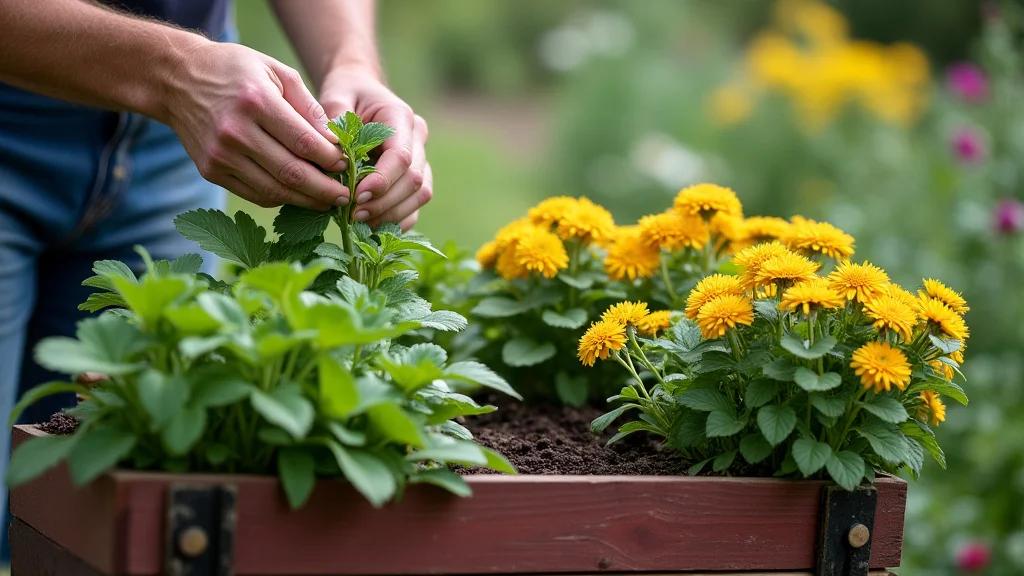
My grandmother, bless her heart, always loved her garden. But as she got older, simple tasks like weeding and planting became incredibly difficult. I remember watching her struggle, and it made me realize how important the right tools are for seniors. This blog post is dedicated to exploring the best gardening tools for the elderly, so they can keep enjoying their passion without the physical strain. You’ll learn about ergonomic designs, helpful accessories, and how to create a more accessible gardening experience, ultimately improving their quality of life. Get ready to discover how to make gardening easier and more enjoyable for the senior gardeners in your life!
Key Takeaways
- Ergonomic tools reduce strain and make gardening more comfortable.
- Raised garden beds offer an accessible alternative to ground-level gardening.
- Lightweight tools and accessories minimize fatigue.
- Choosing the right tools can extend the joy of gardening.
- Simple modifications can increase accessibility in any garden setting.
- Selecting the appropriate tool handle sizes and designs is very important.
Making Gardening Easier for Seniors
Gardening provides seniors with numerous benefits. It keeps them active, offers a sense of accomplishment, and allows them to connect with nature. However, traditional gardening methods can present physical challenges. Bending, stooping, and repetitive motions can cause pain and fatigue, potentially discouraging seniors from pursuing this enjoyable activity. That is why choosing the right gardening tools for the elderly is very important to avoid such issues. By focusing on accessible design and user-friendly features, you can make gardening a more comfortable and sustainable activity for older adults.
Ergonomic Tools: The Key to Comfort
Ergonomic tools are designed to reduce strain and promote comfort during gardening activities. These tools often feature curved handles, padded grips, and adjustable lengths. This design reduces stress on the wrists, hands, and back, which is very important for seniors who may have arthritis or limited mobility. Look for tools with features like:
- Curved Handles: Curved handles help maintain a more natural wrist position, which minimizes strain. This is very beneficial for individuals with conditions like carpal tunnel syndrome or arthritis. The angle of the handle distributes the force across a larger area, reducing pressure on specific joints.
- Padded Grips: Padded grips provide a comfortable and secure hold, even when hands are wet or sweaty. This extra cushioning reduces the pressure points on the palms, thereby reducing fatigue. These grips also make the tools easier to hold onto.
- Adjustable Lengths: Adjustable handles allow seniors to customize the tool’s length, allowing them to garden in a more comfortable position. This reduces the need to bend or reach, minimizing back strain. Adjustable lengths also make tools usable in various garden setups, including raised beds.
Using curved handles reduces the need for gripping tightly, which is often difficult for seniors with reduced hand strength. These handles make repetitive tasks like digging and weeding much easier.
Choosing tools with padded grips can offer greater comfort and control, especially for long gardening sessions. This improves the overall gardening experience, preventing blisters, and reducing the likelihood of the tool slipping.
Using adjustable handles improves gardening accessibility, allowing seniors to tailor the tool to their specific needs. This adaptability is especially helpful for people with different heights or those using mobility aids.
Lightweight Tools and Materials
The weight of the tools significantly impacts the ease of gardening, especially for seniors with limited strength. Heavy tools can fatigue quickly and can lead to injuries. Lightweight tools reduce the physical exertion needed to perform tasks. By using lighter materials, such as aluminum or composite plastics, you can reduce the strain on the gardener.
- Aluminum vs. Steel: Aluminum tools are generally lighter than steel tools. They are rust-resistant and durable. This makes them easier to handle and maneuver, which reduces strain. Steel tools are very durable, but their weight can be an issue.
- Composite Plastics: Tools with handles or components made from composite plastics offer a good balance of strength and lightweight design. These materials are also resistant to weather. Composite materials often are more ergonomic, as they can be molded into shapes that provide better grip and comfort.
- Ergonomic Design Benefits: Lightweight tools work in conjunction with ergonomic designs to improve the gardening experience. The combination of lightweight materials and ergonomic features optimizes the gardening experience for seniors.
Lightweight aluminum tools are suitable for seniors, improving their gardening experience. The lighter weight improves maneuverability, making tasks more manageable and enjoyable.
Composite materials provide durability and user comfort, which is suitable for seniors with reduced strength. Their resistance to weather means less wear and tear, and a longer tool life.
Lightweight designs reduce the overall effort required for gardening tasks, making it less physically demanding. Lightweight tools are great to encourage engagement with gardening activities.
Accessible Gardening Setups
Making modifications to the garden’s layout can dramatically improve its accessibility for seniors. Features like raised garden beds, accessible pathways, and strategic tool storage can transform a challenging space into a user-friendly and enjoyable environment. These adjustments create a more inclusive and enjoyable gardening experience. They allow seniors to participate in activities that might otherwise be impossible.
- Raised Garden Beds: Raised beds eliminate the need to bend, making planting, weeding, and harvesting easier. They are available in various heights and are an excellent option for seniors with back problems or mobility issues. They can be built or purchased.
- Accessible Pathways: Paved pathways or those with compacted gravel make it easier to navigate the garden with walkers, wheelchairs, or other mobility aids. Wide pathways and smooth surfaces minimize the risk of trips and falls, improving safety. This is very important for seniors.
- Tool Storage: Keep frequently used tools within easy reach using tool organizers, shelves, or a gardening cart. This reduces the need to bend or stretch for tools, making the gardening process more efficient and safer. Easy-to-access tool storage minimizes the physical strain of gardening.
Raised beds reduce the physical strain of gardening and make it more accessible for seniors. They allow gardeners to work at a more comfortable height, minimizing back pain and improving mobility. A study found that raised garden beds improved the satisfaction and accessibility of gardening for senior citizens.
Clear, accessible pathways support mobility within the garden, promoting independence and safety. Well-maintained pathways provide a safer and more enjoyable experience for all gardeners.
Proper tool storage will save time and energy, allowing seniors to focus on gardening instead of struggling with tools. A well-organized space improves the overall gardening experience, making it more pleasurable and efficient.
Choosing the Right Gardening Tools for the Elderly
Selecting the right gardening tools can significantly improve a senior’s gardening experience. It’s about finding tools that are easy to use, comfortable to hold, and suitable for the types of gardening tasks that they enjoy. Many factors come into play, like understanding the specific needs and abilities of the gardener.
Essential Tools and Their Features
Certain gardening tools are indispensable for seniors, and their features can significantly impact ease of use. Understanding what to look for can help select tools that maximize comfort and effectiveness. The right tools can make gardening a more rewarding experience.
- Hand Trowel: A hand trowel with an ergonomic handle is essential for planting and transplanting seedlings. Look for a trowel with a comfortable grip.
- Hand Weeder: A hand weeder with a long handle and a comfortable grip is ideal for removing weeds without excessive bending. This tool should be easy to maneuver and designed for efficient weeding.
- Garden Fork: A garden fork is useful for turning soil and aerating. Choose a lightweight fork with a long handle.
The best trowel will have a curved handle that minimizes wrist strain. Choose a trowel made of lightweight, rust-resistant material, such as stainless steel.
Look for a hand weeder with a blade designed to easily slide under the weeds. A long handle reduces the need to bend. Choose a lightweight weeder to minimize arm fatigue.
The best garden fork features an ergonomic handle and tines made from durable, rust-resistant material. Look for a fork that is designed to be easily maneuvered.
Important Considerations
Beyond the tools themselves, certain factors influence how well these tools will meet the user’s needs. These considerations ensure that the tools are suitable for the gardener’s physical capabilities and the specific gardening tasks. Careful selection improves the overall gardening experience.
- Handle Length and Thickness: Handle length should be appropriate to the gardener’s height. Thicker handles are easier to grip. Shorter handles are easier for seniors who garden in raised beds.
- Weight and Material: Lighter materials, such as aluminum, are preferable for reducing fatigue. Tools made of durable, rust-resistant materials offer longer lifespans.
- Grip and Comfort: Ergonomic grips and padded handles provide comfort. Soft grips minimize strain, particularly for those with arthritis or weakness.
Correct handle dimensions ensure the tool is comfortable. A good fit reduces strain and enhances control, improving the gardening experience.
Lighter tools and weather-resistant materials make it easier to handle tools, improving gardening experiences. Choosing durable, lightweight tools reduces the physical demands of gardening.
Ergonomic features make tools easier to hold and use. The focus on grip and comfort increases the pleasure of gardening. This helps make gardening a more accessible and enjoyable activity.
Modifying Existing Tools and the Garden Space
Instead of buying entirely new tools, many existing gardening tools can be improved with some simple modifications. These alterations can customize existing tools and make them easier for seniors to use. Making such changes enhances accessibility, and these alterations are often very cost-effective.
Adapting Tools for Seniors
Adapting existing tools can be as effective as buying new, specially designed equipment. These modifications can make a significant difference to a senior’s gardening experience. Simple changes can greatly increase comfort and usability, improving the overall gardening experience.
- Adding Grips: Wrap handles with foam, rubber, or specialized ergonomic grips to improve grip and reduce strain. Grip tape provides a non-slip surface and enhances control.
- Extending Handles: Lengthen handles with extensions made of wood or metal. This reduces bending. Securely attach extensions for safety and stability.
- Attaching Swivel Grips: Swivel grips can reduce wrist strain by allowing the handle to rotate. Swivel grips are an easy addition to many existing tools, improving usability.
Adding grips improves the comfort and usability of existing tools. These modifications can also prevent slipping, enhancing the tool’s performance.
Extending handles helps gardeners with back problems. Handle extensions make tools more comfortable, improving the overall gardening experience.
Swivel grips adapt tools to improve comfort. This feature improves gardening, minimizing stress on the wrists.
Garden Space Modifications
Adjusting the garden space itself can also greatly enhance accessibility. These modifications can create a safer, more user-friendly environment. These changes improve the overall gardening experience for seniors.
- Implementing Raised Beds: Raised beds can be easily built. They can be created using wood, brick, or other materials. The height of the beds should be tailored to the gardener.
- Improving Pathways: Lay down paving stones or gravel paths. Make sure pathways are wide and accessible. Clear obstructions to make movement easier.
- Optimizing Storage: Organize tools within easy reach using shelves, racks, or carts. Store frequently used tools closer to where they are being used.
Raised beds reduce strain, making gardening easier and more enjoyable. Raised beds support gardening at a comfortable height, enhancing accessibility.
Improved pathways support safer and easier navigation. Well-designed pathways are essential for mobility, especially when using walkers or wheelchairs.
Optimized storage reduces bending and reaching. By making tools easily accessible, seniors can garden more efficiently. Properly organized storage improves the gardening experience.
Maintaining Gardening Tools for the Elderly
Proper maintenance ensures the longevity and usability of gardening tools. This care also guarantees that the tools remain safe and effective. Regular maintenance protects the investment and maximizes tool performance.
Regular Cleaning and Care
Simple cleaning and upkeep will extend the life of gardening tools. Regular care prevents rust, keeps tools sharp, and ensures that they operate efficiently. Following this care routine keeps tools in top condition.
- Cleaning After Use: After each use, wipe down tools to remove dirt and debris. Use water and a mild soap. This prevents corrosion.
- Sharpening Blades: Sharpen blades regularly using a file or whetstone to maintain cutting effectiveness. Keep blades sharp for clean cuts and less effort.
- Storing Tools Properly: Store tools in a dry place. Consider hanging tools or using a storage rack. This prevents moisture damage.
Cleaning tools after each use helps remove dirt and prevent rust. Simple cleaning steps keep tools in great condition.
Sharpening blades is essential for effective tool performance. Sharp blades require less effort, making the gardening process easier.
Proper storage protects tools from the elements, ensuring their longevity. Storing tools properly ensures that they last a long time.
Addressing Common Issues
Even with good care, gardening tools sometimes encounter problems. Quick repairs or maintenance can address typical issues. Quick action can prevent minor issues from turning into major problems.
- Rust Removal: Remove rust with a wire brush or sandpaper. Treat the metal with a rust inhibitor to prevent further corrosion.
- Handle Repairs: Tighten loose handles or replace damaged ones. Use durable replacements. Keep handles in good condition for safety.
- Blade Replacement: Replace worn or damaged blades promptly. Keep blades in good condition for safety and efficiency.
Dealing with rust is crucial for extending the life of tools. Remove rust to prevent it from spreading.
Handle maintenance is essential for safety. Secure handles ensure safe operation of tools.
Blade maintenance is necessary for optimal performance.
Case Studies
Real-life examples can illustrate how well-chosen tools and modifications have benefitted seniors. These case studies can show how these improvements affect gardening experiences. The stories demonstrate the transformative power of practical solutions.
- Case Study 1: Transforming a Small Space: A senior with limited mobility, Mr. Henderson, converted a small, sunny patio into a thriving garden using raised beds. With ergonomic hand tools and a small gardening cart, Mr. Henderson could plant and tend to his vegetables without having to bend. The raised beds helped him garden comfortably, and the ergonomic tools minimized strain, allowing him to garden daily.
- Case Study 2: Improving Garden Access: Mrs. Garcia, a gardener with arthritis, struggled with traditional tools. After getting a set of ergonomic tools with cushioned grips and long handles, Mrs. Garcia found gardening much easier. She also had her son build a custom potting bench, allowing her to avoid bending over.
- Case Study 3: The Power of Collaboration: The local community center built a community garden specifically designed for seniors. The garden featured raised beds, accessible pathways, and lightweight tools. The design included adaptive tools. This collaborative effort made gardening enjoyable.
Mr. Henderson’s experience highlights the power of using space efficiently. His patio became a place for exercise and enjoyment.
Mrs. Garcia’s experience shows that combining tools and adjustments makes gardening easier. These modifications let her continue gardening without pain.
Community gardens show how accessibility and inclusion can be achieved through good planning. This community garden highlights the benefits of accessible design.
Frequently Asked Questions
Question: What are ergonomic tools?
Answer: Ergonomic tools are designed to reduce strain and increase comfort during gardening. They typically feature curved handles, padded grips, and adjustable lengths.
Question: Are raised garden beds better for seniors?
Answer: Yes, raised beds reduce the need to bend and stoop, which makes planting, weeding, and harvesting easier and more comfortable for seniors.
Question: How can I improve my existing tools?
Answer: You can add grips, extend handles, and attach swivel grips to existing tools to make them easier to use and more comfortable.
Question: What materials are best for lightweight tools?
Answer: Aluminum and composite plastics are excellent choices for lightweight tools, as they reduce the overall weight and make tools easier to handle.
Question: How often should I sharpen my gardening tools?
Answer: Sharpen your gardening tools regularly, ideally after several uses or whenever the blades start to feel dull. This will maintain their effectiveness and make gardening easier.
Final Thoughts
Finding the right gardening tools for the elderly and making the necessary adjustments to their garden can make all the difference in allowing seniors to enjoy this passion. We have seen how ergonomic tools, lightweight materials, and accessible setups can help reduce the physical strain. Modifications to existing tools and the garden space itself can also play a huge role. Gardening is a wonderful way for seniors to remain active, connect with nature, and enjoy the many benefits of this hobby. If you know a senior who loves to garden, consider investing in some ergonomic tools or helping them modify their space to make gardening easier and safer. With a few thoughtful changes, you can enable them to continue to enjoy this rewarding activity for years to come. Remember, a little effort can go a long way in making their gardening dreams a reality!