
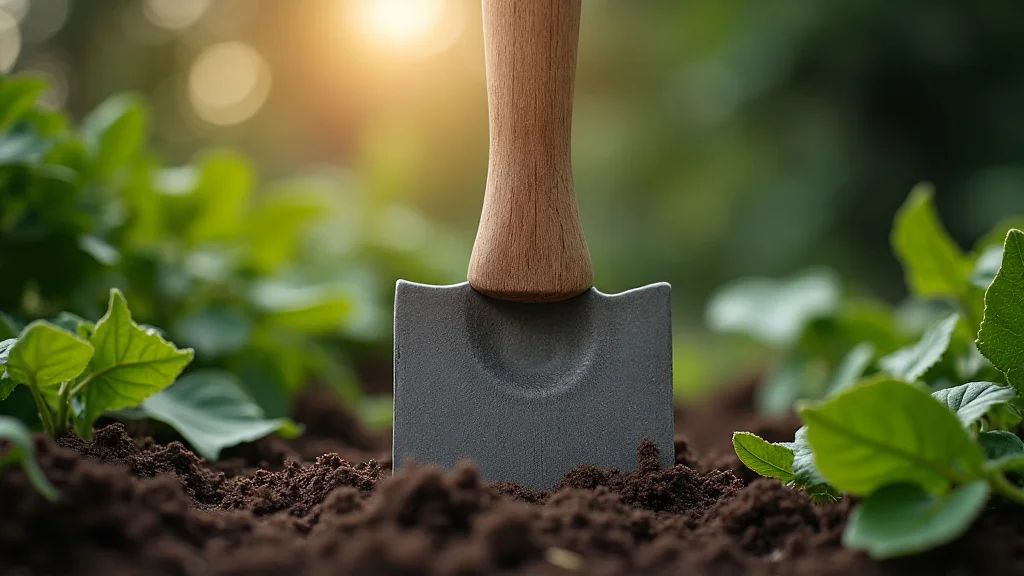
Picture this: it’s a sunny Saturday morning, and you’re eager to get your hands dirty in the garden. But you’re facing a stubborn patch of weeds that just won’t budge. Frustration sets in until you remember the gardening tools jembe. This simple, yet effective tool is a game-changer for any gardener. It’s a versatile hoe, perfect for a variety of tasks. In this guide, we’ll explore everything you need to know about the gardening tools jembe, from its history and uses to how to choose the right one for your needs, so you can transform your gardening efforts. You’ll gain practical knowledge to make your gardening tasks easier, improve your gardening skills, and have a more enjoyable experience.
Key Takeaways
- The jembe is a versatile hand tool with a long history in agriculture and gardening.
- Knowing the different types of jembe will help you choose the best tool for your garden’s needs.
- Correct usage and maintenance practices significantly extend the life and effectiveness of your jembe.
- The jembe helps improve soil aeration, weed control, and general garden health.
- Understand the various materials used in jembe construction for optimal durability.
- Find tips on how to effectively use a jembe for various gardening tasks.
The History and Purpose of the Jembe
The jembe, also known as a hand hoe, has a rich history rooted in agricultural practices across various cultures. Its design, though seemingly simple, reflects centuries of refinement aimed at maximizing efficiency in soil cultivation and weeding. The tool’s primary function is to manipulate soil, remove unwanted plants, and prepare seedbeds. Early jembes were crafted from materials readily available to local communities, such as wood and stone, before metalworking became prevalent. These early versions were used for everything from preparing land for planting crops to harvesting root vegetables.
The purpose of the jembe extends beyond just simple tasks. It’s a fundamental element in sustainable gardening and agriculture, helping to maintain soil health, control pests and weeds without the need for harsh chemicals, and increase crop yields. This tool’s presence shows how important it is in achieving these goals efficiently. The jembe remains a timeless tool that helps keep a thriving, healthy garden. As we explore the jembe in further sections, you’ll gain an appreciation for how it is used across the world.
Origins of the Jembe
The origins of the jembe can be traced back to ancient agricultural practices, with evidence of similar tools appearing in different cultures throughout history. Archaeological findings suggest that early forms of the hoe were used by civilizations in regions such as Africa, Asia, and Europe. These early tools were often crafted from natural materials like wood, stone, and bone, reflecting the available technology. The shape and design were based on the need to work the land and keep the soil healthy. They evolved over time to become more efficient, reflecting how the users understood the soil and the needs of their crops.
The development of the jembe is linked to the agricultural revolution, as humans began to settle and cultivate land on a larger scale. The evolution from simple digging sticks to more advanced hoe designs reflects a growing awareness of soil management and crop cultivation techniques. As metalworking became more developed, tools also became stronger and more effective. This transformation showed an understanding of crop management and soil health.
- Early Tools: The initial hoes were basic, made from wood, stone, or bone. These tools were adequate for simple tasks like breaking the soil and getting rid of weeds.
- Metal Innovations: Metal hoes appeared, increasing their durability and ability to cut through the soil. These were able to make the work faster.
- Regional Styles: Different regions adapted the jembe to match their soil conditions and local agricultural demands. The jembe’s appearance changed in different places.
The Evolution of the Hand Hoe
The jembe has significantly evolved from its basic origins. Early hand tools were manually operated, often requiring considerable physical effort. Improvements in design and materials have made modern jembes more efficient and user-friendly. The transition from wood and stone to metal blades and handles has increased durability and effectiveness, which has also been seen in improved ergonomics, making them easier to handle for long periods. The jembe’s evolution is an ongoing process of innovation that continues to focus on making it more effective and comfortable for use.
Innovations in the design of the jembe reflect the changing needs of agriculture and gardening. For example, some jembes now feature angled blades and various handle lengths. These improvements make them more adaptable for a wider array of tasks and terrain conditions. The jembe’s continued development demonstrates its significance in the world of gardening.
- Blade Materials: The switch to steel and other metals made blades tougher and increased their longevity. This cut through the soil more easily.
- Handle Design: The handle of the jembe has changed over time with the goal of improving comfort and reducing strain. Now they can be designed to fit different body types.
- Specialized Forms: Specialized designs appeared to meet particular gardening needs, such as cultivating between rows or removing weeds. There are many different shapes and sizes of jembes.
Different Types of Gardening Tools Jembe
There are many varieties of jembes, and each is made for certain types of gardening tasks. Understanding the distinctions between the many types of jembes will assist you in selecting the proper tool for the task at hand. The right choice can greatly enhance the efficiency and enjoyment of your gardening efforts. Some types are more suited for soil tilling, while others are better at weeding or creating seed furrows.
The design of the jembe, which includes the blade’s shape, the handle’s length, and the materials, influences its performance. The blade’s form has a significant impact on how well it penetrates the soil, whereas the handle’s length impacts ergonomics and leverage. Knowing about these design elements will allow you to make the best decision for your needs. The following are some of the most popular types of jembes, along with their uses.
The Draw Hoe
The draw hoe is a popular kind of jembe because of its rectangular blade, which is ideal for breaking up soil, leveling ground, and making rows for planting. The blade’s orientation allows the gardener to pull the hoe towards them, which is perfect for working the soil surface. This design helps to aerate the soil, remove weeds, and prepare the ground for planting. The draw hoe is a must-have tool for any gardener. It’s great for doing a lot of things.
The draw hoe has a long history and is a classic tool that’s been in gardens for a long time. It works well on different kinds of soil, from loamy to sandy. Its versatility makes it the right choice for a variety of gardening chores. Using a draw hoe is simple, and it’s a great tool for gardeners of any skill level.
- Blade Shape: The rectangular blade helps to quickly and efficiently work large areas of soil. This makes it efficient.
- Pulling Motion: The pulling action is ergonomic and allows for controlled and efficient soil work. This method helps to conserve the gardener’s strength.
- Uses: Use it for soil preparation, weed removal, and planting rows. It has many different uses.
The Dutch Hoe
The Dutch hoe is another common kind of jembe distinguished by its blade, which is mounted at an angle to the handle and is intended to be pushed rather than pulled. This design is excellent for weeding since it can swiftly and easily slice off weeds at the soil surface. The Dutch hoe is great for light cultivation, and its design makes it easy to work in tight spaces, such as between rows of plants. This kind of hoe is particularly useful in keeping weeds under control and maintaining a tidy garden.
Dutch hoes work best on slightly loose soils and are excellent for gardeners looking to save time and energy when weeding. They’re also effective in gardens with a lot of planted areas. The angled blade makes it easy to slide below the soil surface, cutting weeds off at the root. This feature minimizes soil disturbance, which is good for plant roots.
- Angled Blade: This design lets you easily cut off weeds at the soil surface. This is more efficient.
- Pushing Action: The motion is easy on the back, making it a good choice for longer tasks. This reduces fatigue.
- Best for Weeding: It is perfect for getting rid of surface weeds in a quick and effective way. It’s really helpful.
The Grub Hoe
The grub hoe has a sturdy blade, which is ideal for working with heavy or compacted soils. Its strong blade design is intended for breaking up soil clods, turning over soil, and removing tough weeds. This tool is often used when preparing areas for planting, digging trenches, or removing tough weeds with deep roots. The grub hoe is a valuable tool for any gardener dealing with challenging soil conditions. Its robust construction ensures long-lasting performance and dependability, even in the toughest situations.
Grub hoes are often used in preparing the soil. They are good at breaking up clumps and compact soil. The sturdy design of this jembe can handle demanding tasks. Its strength makes it an essential tool for all gardeners.
- Sturdy Blade: It is designed to withstand difficult jobs, like breaking up tough soil. This makes it durable.
- Soil Preparation: Use it to prepare soil by getting rid of weeds. It can also be used to dig trenches.
- Construction: They often have strong metal blades with wooden or metal handles, guaranteeing durability and usefulness. This makes them long lasting.
Materials and Construction of the Gardening Tools Jembe
The quality of a jembe is determined by the materials used in its construction. Understanding these materials will help you to select a jembe that meets your gardening needs. The selection of materials affects the durability, weight, and overall performance of the tool. The best jembes are usually composed of high-quality components designed for long-lasting use.
The blade material is a critical aspect, affecting the hoe’s ability to cut through soil and its resistance to wear and tear. Handles also have different materials. The design and the materials used also help the gardener. The right construction also makes the tool comfortable and easy to use. Learning about these materials will help you choose a jembe that fits your demands.
Blade Materials
The blade of the jembe is often made of high-carbon steel, which gives it strength and sharpness. This material lets the blade cut through soil and weeds with ease. High-carbon steel is also resistant to wear and tear. The blade of the jembe must be resistant to rust. Stainless steel blades are a good choice since they are rust-resistant and ideal for outdoor usage. Blades made of these materials last longer and work better. These materials will improve how you use the tool.
The blade’s thickness and form also affect its performance. A thicker blade will be more durable. Different blade shapes are good for different tasks. The edge of the blade must be maintained. Regular sharpening ensures the jembe cuts efficiently. The blade material will determine the overall effectiveness of your jembe.
- High-Carbon Steel: It offers exceptional strength and durability, making it ideal for tough gardening tasks. This material ensures the blade cuts efficiently.
- Stainless Steel: It offers excellent rust resistance. This is excellent for outdoor use.
- Blade Thickness: A thicker blade is better for tasks like chopping. Thinner blades are useful for weeding.
Handle Materials
Jembe handles are often made from wood, metal, or fiberglass. Wood handles, often made from hardwoods like ash or hickory, provide a classic feel and are known for their strength and shock absorption. Metal handles, commonly made from steel or aluminum, offer excellent durability and resistance to weathering. Fiberglass handles are light, durable, and weather-resistant, making them a popular choice. The material affects both comfort and durability.
The handle’s length and form also play a key role in its usability. Longer handles give the user more leverage, but shorter handles may be better for tight areas. The shape should be easy to hold. The ideal handle material is determined by personal preference and the tasks for which the jembe will be used. Consider the handle material when you choose a jembe. These considerations will help to guarantee that you pick a tool that feels comfortable and is effective for you.
- Wood Handles: Wood handles are appreciated for their natural feel and shock-absorbing abilities. These are comfortable.
- Metal Handles: Metal handles are recognized for their durability and resistance to wear. These handles provide longevity.
- Fiberglass Handles: Fiberglass is lightweight and weather-resistant, making it a good option. These are often used.
Construction Features
The construction details of a jembe, such as how the blade is attached to the handle, affect its strength and lifespan. A well-constructed jembe has a solid connection between the blade and handle, preventing the tool from separating during usage. This is often accomplished by using a ferrule or a strong wedge system to fix the blade to the handle. The use of quality materials and appropriate welding or fastening techniques is vital for creating a jembe that can survive the rigors of gardening. These construction characteristics will increase the jembe’s dependability and ease of usage.
The balance of the jembe is also important. A properly balanced tool is easier to manage and lessens the strain on the gardener during extended usage. The design of the jembe’s head also affects its functionality. The angle of the blade in relation to the handle should be appropriate for the intended tasks. The best jembe will provide a combination of strength, comfort, and efficiency, making your gardening activities more pleasurable and effective. Pay attention to construction characteristics when selecting a jembe. The result will be a useful and long-lasting instrument.
- Blade Attachment: The blade should be firmly attached to the handle. A good attachment avoids separation.
- Balance: A well-balanced tool is simple to handle and reduces fatigue. Balance is good.
- Head Design: The blade’s angle is designed for specific tasks. Consider these design features.
Using the Gardening Tools Jembe Effectively
Correct usage of the jembe may significantly improve the effectiveness of your gardening efforts. Proper technique and knowing how to use the jembe for various tasks will help you get the most out of your tool. You will also improve your garden’s health. You will increase the efficiency with which you do gardening tasks by learning the right way to use a jembe.
Knowing the proper approach to using the jembe for different gardening tasks is vital. This may include soil preparation, weeding, and creating planting rows. This will improve both the productivity and the pleasure you get from gardening. Practicing safe working practices is also essential. This will prevent any potential harm. Let’s look at how to use the jembe effectively and efficiently.
Soil Preparation
Soil preparation is a primary duty for the jembe. The method used depends on the kind of soil and the tasks at hand. To prepare the soil for planting, use a draw hoe to break up compacted soil and to level the surface. Hold the jembe with a comfortable grip. Sweep the blade in front of you. Work from one end of the area to the other to make sure the soil is evenly broken and the surface is smooth. Use a grub hoe for tougher soil or to break up soil clods.
Correct soil preparation ensures good water drainage. It also allows plant roots to grow. Prepare the soil before planting. This provides the best circumstances for plant growth. Proper soil preparation also helps to reduce the number of weeds. This will make your garden healthier. The jembe is a good tool for preparing soil in your garden.
- Breaking Up Compacted Soil: Using a draw hoe helps to break up compacted soil. This makes it easier to plant seeds.
- Leveling the Surface: Use the jembe to level the soil surface. This provides uniform seed placement and watering.
- Using a Grub Hoe: For heavier soils, the grub hoe is perfect for breaking up clods. It will make the soil better.
Weeding Techniques
Weeding is one of the jembe’s most typical purposes. The most efficient methods for weed control depend on the weed type. Use a Dutch hoe to slice weeds at the soil surface, especially for surface weeds. Push the blade forward, slightly below the surface, to cut the stems. For weeds that are deeply rooted, use a draw hoe. This is an efficient way of removing both the weeds and the roots. To keep the ground clear of weeds, work in the rows.
Regular weeding with a jembe will keep your garden looking nice. Weeding also helps to reduce competition for light, water, and nutrients. This keeps your plants healthy and promotes strong growth. When weeding, keep an eye on the weeds. Be ready to take action as soon as they emerge. A jembe is a valuable tool for weeding.
- Dutch Hoe for Surface Weeds: The Dutch hoe’s design is perfect for slicing weeds. This is an efficient way to get rid of weeds.
- Draw Hoe for Root Removal: The draw hoe is good for uprooting weeds. It will get rid of weeds completely.
- Regularity: Consistent weeding stops weeds from spreading. Regular weeding will keep your plants strong.
Creating Planting Rows and Furrows
The jembe is a useful tool for producing planting rows and furrows for seed placement. Use a draw hoe to create a straight line where you want to plant. Use the side of the blade to gently cut a shallow furrow into the soil. For deeper furrows, make many passes with the jembe. The depth of the furrow should be appropriate for the type of seeds being planted. This assures that the seeds are at the correct depth for germination and growth.
Precise planting rows are useful for several reasons. They make watering, weeding, and harvesting simple. Accurate row placement also provides good airflow and sunlight for plants. This leads to healthier, more productive plants. Using a jembe efficiently will help create well-organized planting rows.
- Straight Lines: Use a draw hoe to make straight lines for planting. This creates a neat garden.
- Shallow Furrows: Use the blade’s edge to make furrows. This is useful for planting seeds.
- Seed Depth: Use the right depth. Make sure the depth matches the seeds you are using.
Care and Maintenance of Gardening Tools Jembe
Proper maintenance of your jembe is essential to keep it in good working order and to prolong its lifespan. Consistent maintenance will ensure that your jembe is always ready for use and performs well. Basic maintenance procedures include regular cleaning, blade sharpening, and proper storage. Regular maintenance will make your gardening tasks easier and your tools last longer. Keep your jembe clean.
Routine care will keep your jembe running. This will also guarantee that it is safe to use. Take your time to carefully check your tools. This includes the blade, handle, and all connecting components. By adhering to the maintenance guidelines in this area, you may ensure that your jembe provides dependable service for many seasons. The proper maintenance of your gardening tools will increase their life.
Cleaning and Sharpening
After each usage, clean your jembe to remove any soil or debris from the blade. This prevents rust and corrosion. You can use a brush or water to rinse the blade. The blade should be completely dry before storage. Regular sharpening of the blade is essential for maintaining cutting effectiveness. Use a file or a whetstone to sharpen the edge, holding the blade at the proper angle. The sharpness of the blade makes weeding and soil preparation much easier.
Sharpening should be done regularly, especially if the jembe is used frequently. A sharp blade reduces the physical effort needed. It also ensures clean cuts. Keeping the jembe clean and sharp improves efficiency and prevents damage. Your work will be more effective if you do these things. Take care of your jembe.
- Cleaning After Use: Cleaning removes dirt. Remove dirt to prevent rust.
- Regular Sharpening: Regular sharpening improves cutting ability. It will help you work in your garden.
- Proper Angle: Use the right angle when sharpening. Make sure your tool is safe.
Handle and Connection Maintenance
Examine the jembe handle on a regular basis for any indications of damage, such as cracks or splinters. If you find any damage, repair it or change the handle. Check the connection between the blade and handle to ensure it is secure. If the connection is loose, tighten any screws. A loose connection reduces the jembe’s efficiency and is a safety hazard. Proper handle maintenance ensures that the tool is comfortable. Regular inspection of your jembe’s handle will keep it working for a long time.
Maintaining the handle and connections ensures that the jembe is safe and comfortable. Keep the handle dry. If your jembe has a wooden handle, apply a protective finish to protect it from moisture. This will protect your jembe for a long time. These maintenance steps will prevent damage and make sure you have the best possible gardening experience.
- Handle Inspection: Look for any signs of damage or wear. Take a look at the handle.
- Secure Connections: Check and tighten any loose screws. Keep the parts of the jembe tight.
- Protective Coating: Apply a protective finish. This will extend the life of your jembe.
Storage Practices
When not in use, store your jembe in a dry, covered area to protect it from the elements. This prevents rust and corrosion. Storing the jembe with the blade down or in a designated tool rack is recommended. This helps to protect the blade. Hanging the jembe on a hook will keep it safely out of the way. Proper storage prevents accidental injury. Proper storage also helps you find your jembe quickly. Safe storage helps prolong the life of the tool. Remember to consider all of these things.
Proper storage is essential for ensuring that your jembe is in good condition. Keeping the tool clean and dry protects it from the weather. This guarantees that your jembe is ready to use whenever you need it. By storing your gardening tools properly, you will protect both your equipment and yourself.
- Dry Location: Store the jembe in a dry place to prevent rust. This will protect your tool.
- Blade Protection: Position the blade properly to avoid damage. Keep the blade safe.
- Safe Placement: Keep the tool away from where it could be a trip hazard. Be careful when storing your tool.
Frequently Asked Questions
Question: What is a jembe used for in gardening?
Answer: A jembe is mainly used for soil preparation, weeding, and creating rows for planting in the garden.
Question: What materials are jembes typically made from?
Answer: Jembes are made from materials like high-carbon steel for blades, and wood, metal, or fiberglass for handles.
Question: How do I choose the right type of jembe for my garden?
Answer: Consider your garden’s soil type and the tasks you need to do. Different jembes, like draw and Dutch hoes, are made for different things.
Question: How do I properly maintain my jembe?
Answer: Clean the blade after each use, sharpen the blade regularly, and store the jembe in a dry location.
Question: What’s the difference between a Dutch hoe and a draw hoe?
Answer: A Dutch hoe is pushed and is used for surface weeding, while a draw hoe is pulled and is used for soil preparation and deeper weed removal.
Final Thoughts
The gardening tools jembe stands out as a useful tool for gardeners of all levels. From its origins to its many uses, the jembe offers many benefits. By selecting the correct type of jembe and learning about its construction, you can improve your gardening activities. The jembe is used in a range of tasks, from breaking up hard soil to removing unwanted weeds. Remember to keep your jembe in good condition, which will guarantee that it lasts. Keep the tool clean and sharp.
You may improve your gardening experience by being aware of the many kinds of jembes and their uses, and by using the proper methods and maintenance procedures. The jembe isn’t just a tool, it’s a partner in your garden. Whether you are a beginner or a skilled gardener, the jembe may help you achieve a healthier and more productive garden. So, go ahead and get your hands dirty with this essential tool, and see for yourself how it can change your gardening.