
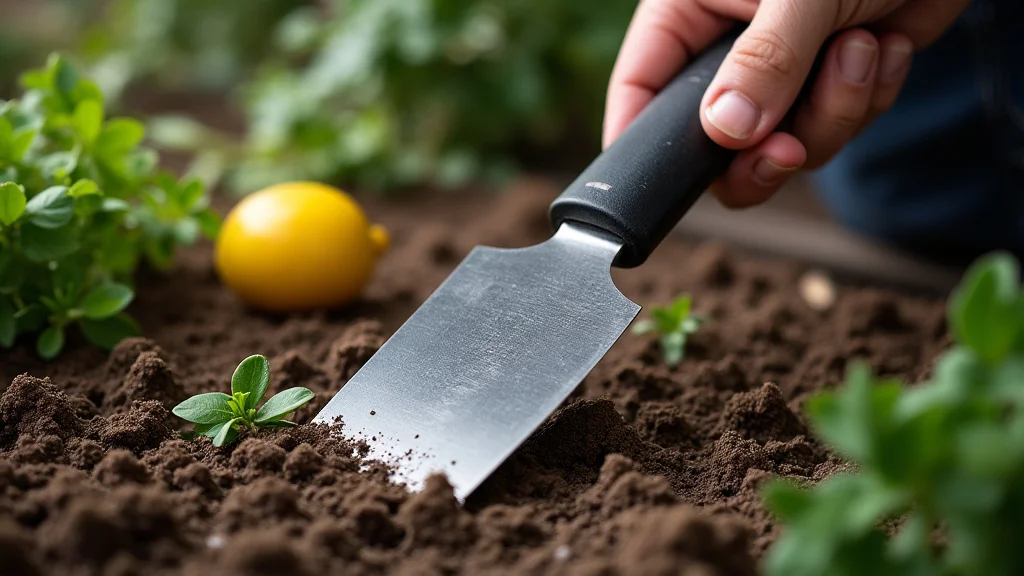
Remember that time your shovel bent while trying to loosen some stubborn soil? Frustrating, right? It’s a common experience, and often it comes down to the quality of your tools. But what if you could avoid that headache altogether? This post explores the benefits of using gardening tools made in the USA. You’ll learn about the quality, durability, and craftsmanship that goes into these tools, as well as how they can make your gardening experience more enjoyable and productive. By the end, you’ll have a better idea of what to look for when you’re purchasing your next set of gardening tools, ensuring they’ll stand the test of time and tough tasks, thus getting the value for your money. Prepare to become a smarter gardener and get more from your planting efforts.
Key Takeaways
- Gardening tools made in the USA are generally of superior quality due to manufacturing standards.
- These tools often boast enhanced durability, leading to longer lifespans compared to imports.
- Supporting domestic manufacturing can boost local economies and communities.
- You’ll discover the variety of gardening tools produced in the USA.
- The post addresses the importance of material and construction in tools.
- Learn about the warranties and support you may get when buying domestically.
The Allure of American-Made Gardening Tools
Have you ever considered where your gardening tools come from? Often, we just grab whatever’s available at the local store, but the origin of those tools can significantly affect your gardening experience. The appeal of buying American-made tools goes far beyond simply supporting local businesses. It’s about investing in superior quality, unmatched durability, and a heritage of craftsmanship. American manufacturers often adhere to stricter quality control standards, resulting in tools that are built to last and perform better under pressure.
The Craftsmanship Behind Gardening Tools
The creation of gardening tools made in the USA frequently involves skilled artisans who take pride in their work. Many companies have been around for generations, passing down techniques and knowledge. This expertise translates into tools designed with both functionality and longevity in mind. The focus isn’t just on producing something quickly; it’s on crafting an item that will serve you well for many years. Think about a sturdy shovel that can handle the toughest digging or a well-balanced rake that makes leaf collection a breeze.
- Skilled Labor: American manufacturers usually employ experienced workers dedicated to their craft.
- Attention to Detail: Each tool component undergoes careful planning and development.
- Quality Materials: Using premium materials elevates the tool’s effectiveness.
Skilled labor forms the bedrock of the gardening tool industry. These professionals bring years of experience to the table, and they often specialize in specific tool components or manufacturing stages. They pay close attention to the details – from the forging of a shovel blade to the precise angle of a hoe head. This attention to detail results in tools built to withstand rigorous use, unlike mass-produced tools where speed is often prioritized over quality. Because of this, the final product is far more likely to function properly and endure harsh gardening conditions.
The level of detail can be clearly seen in the design of American-made gardening tools. The handles are often ergonomically crafted to fit comfortably in your hands, reducing strain during use. The blades are sharpened and tempered with precision, ensuring they can cut through soil and plants efficiently. This is contrasted with the faster manufacturing processes used for international products. In these situations, the focus tends to be more on output. The meticulous planning ensures that tools offer the best performance, ease of use, and endurance.
The selection of premium materials sets American-made gardening tools apart. High-carbon steel is commonly used for blades, giving them strength and the capacity to keep a sharp edge even after significant use. Wood handles are typically made from hardwoods like ash or hickory, providing both flexibility and resilience. This deliberate selection of materials enhances the functionality of the tools, making them more efficient and durable. It also helps to prevent breakage, corrosion, and wear and tear. All of this gives you tools that perform well and are worth the investment.
Materials and Manufacturing: The Heart of Tool Quality
The materials utilized in making gardening tools made in the USA are a key indicator of their overall quality and lifespan. From the type of steel used in blades to the wood selected for handles, the choice of materials can dictate how well a tool performs under pressure, how easily it corrodes, and how comfortable it is to use. American manufacturers frequently choose materials known for their durability and resistance to wear and tear. This focus leads to tools that not only perform better but also require less frequent replacement.
Steel and Other Metals: The Building Blocks
The type of steel or metal is a major factor in the performance and life of a gardening tool. High-carbon steel is a popular option for blades because of its hardness and capacity to hold a sharp edge. This means you can cut through tough roots and thick soil more efficiently. Stainless steel is sometimes used to resist rust and corrosion, which is a bonus, especially if you garden in damp environments. Beyond the core metal, consider the finishing processes. Proper tempering and heat treatment can increase the metal’s strength and resilience.
- High-Carbon Steel: Known for its strength and ability to hold an edge.
- Stainless Steel: Corrosion resistance ensures a longer life.
- Forging and Heat Treatment: These processes enhance tool durability.
High-carbon steel is a common choice for tools because of its exceptional strength and capacity to maintain a sharp cutting edge. The manufacturing process involves heating the steel to a high temperature and then cooling it quickly, hardening it. Tools made of this material can cut through tough roots and compacted soil, reducing the effort you need to put in. It is especially useful for shovels, hoes, and spades, where you need a strong, sharp blade. To maintain the sharpness of your tools, they should be stored properly and have regular maintenance.
Stainless steel is another excellent option, valued for its resistance to rust and corrosion. This makes it an ideal choice for tools exposed to moisture. The added element of chromium makes it very resistant to rust. Stainless steel tools are easier to maintain because you don’t need to worry about the tools corroding. For gardeners in wet or coastal environments, stainless steel is a worthy investment. Be sure to dry tools after use and store them in a clean area.
The processes of forging and heat treatment are crucial in improving the toughness of the metal and its ability to withstand wear and tear. Forging involves shaping the metal by applying pressure, which aligns the grain structure of the steel and makes it stronger. Heat treatment involves heating the metal to a high temperature, then quickly cooling it. This creates a hard surface but retains some flexibility, preventing the tool from breaking under stress. Tools that go through these processes are stronger and last longer.
Wooden Handles and Other Handle Materials
The handle material is important for a tool’s comfort, balance, and general feel. Handles made of wood, particularly hardwoods like ash and hickory, are common for their strength, natural shock-absorbing qualities, and aesthetic appeal. These woods are flexible enough to absorb some of the impact, reducing strain on your hands and arms during prolonged use. Other handle materials like fiberglass and composite plastics provide advantages too. They are weather-resistant and require less upkeep. The right handle material is a personal choice, so consider what feels best in your hands and matches your gardening style.
- Ash and Hickory: Strong and shock-absorbing traditional choices.
- Fiberglass: Weather-resistant and low-maintenance.
- Ergonomic Design: Focuses on comfort and reduces fatigue.
Ash and hickory are the most common wood choices for tool handles. They are known for their strength, durability, and shock-absorbing characteristics. This means that they can absorb a lot of vibration when you strike them against the ground. This reduces strain on your hands and arms. Hardwood handles also provide a good grip, making the tools easy to manage, even in wet conditions. The aesthetic appeal of wood also makes these tools classic choices for gardening enthusiasts.
Fiberglass handles are a good substitute if you want a handle that’s weather-resistant and requires little upkeep. Fiberglass is strong, will not rot, and is immune to pests. Fiberglass handles are often lighter than wooden handles, which can be useful when you are using the tool for long periods. They are resistant to changes in temperature and humidity, which means they are a great choice for use in all weather conditions. Because they don’t splinter or warp, they are safe and require little ongoing maintenance.
Ergonomic design ensures that the handle is constructed to fit comfortably in your hands. Contoured shapes, textured grips, and the correct angle of the handle are key factors that reduce strain. This is a very important part of the tool, because a well-designed handle will reduce fatigue and allow you to work longer and more comfortably. Ergonomic tools are useful for gardeners of any age or strength level, and are particularly important for those who have physical limitations.
The Benefits of Supporting American-Made Gardening Tools
Choosing gardening tools made in the USA goes beyond simply acquiring equipment. It supports a variety of beneficial results. By opting for American-made tools, you play a role in supporting the U.S. economy, the environment, and your local communities. These benefits, when paired with the superior quality and durability of the tools, make American-made gardening tools a smart investment.
Boosting the Economy and Local Communities
Purchasing American-made gardening tools directly benefits the U.S. economy and local communities. It supports domestic employment, keeping jobs within the country and contributing to economic growth. These companies often contribute to local events, sponsor community projects, and foster a sense of civic pride. The ripple effect of these actions extends to the support of local businesses that supply the manufacturers, such as suppliers of raw materials and service providers.
- Supporting Domestic Jobs: Keeping jobs within the United States.
- Stimulating Economic Growth: Encouraging local economies and prosperity.
- Preserving Craftsmanship: Protecting traditional skills and trades.
By buying gardening tools made in the USA, you support the jobs of American workers, including toolmakers, engineers, and support staff. This support helps to keep these jobs within the country. This can impact entire communities that depend on these jobs. By supporting these businesses, you are indirectly helping to support the families and communities that rely on these jobs for their livelihood. This is why supporting American-made products is often considered a patriotic act.
When you buy American-made tools, the money stays in the US economy, circulating through businesses and communities. This increased economic activity leads to greater financial prosperity, supporting business growth and community development. This effect can extend far beyond the immediate manufacturers. It can boost local businesses, create additional jobs, and increase tax revenues that support public services. This is a vital component of fostering healthy, thriving communities.
Buying American-made gardening tools helps to protect traditional craftsmanship and valuable manufacturing skills. For many American companies, toolmaking is a legacy passed down through generations. These skills are often threatened by the shift toward mass production overseas. By supporting these businesses, you encourage the continuation of these skills. This helps ensure that the skills are passed down to future generations.
Quality, Durability, and Long-Term Value
One of the primary advantages of buying gardening tools made in the USA is the outstanding quality and longevity. These tools are often manufactured using high-quality materials and undergo strict quality control measures. This attention to detail results in tools that are built to withstand the rigors of gardening, whether it’s digging in rocky soil or constant use. The longer lifespan of these tools provides more value for your money. They need fewer replacements, and this reduces the amount of waste that ends up in landfills.
- Superior Materials and Construction: Ensuring tools can withstand heavy use.
- Reduced Need for Replacement: Saving money and reducing waste.
- Better Performance and Efficiency: Making gardening easier and more enjoyable.
The use of premium materials, such as high-carbon steel and durable wood, helps ensure that these tools are able to withstand tough gardening tasks. The focus on quality means that tools are designed to last. The construction of the tools emphasizes durability, which helps prevent breakage and wear and tear. This is in contrast to mass-produced tools, which can be less likely to endure sustained use. The long-term value and reliability mean you save money in the long run.
Because American-made tools are made to last, you will probably need to replace them less often. This can result in significant savings over the long run. Since the tools are designed to endure, you can reduce the amount of waste that goes into landfills, contributing to a more sustainable lifestyle. By investing in tools of higher quality, you’re not just buying equipment. You are making a choice that benefits your budget and the environment.
High-quality tools can make the process of gardening more efficient and rewarding. When your tools are well-balanced, comfortable to use, and perform well, you are able to garden more comfortably and effectively. This means you can get through tough tasks faster, with less effort. This improved efficiency can help you achieve better results in your garden, whether you are trying to grow vegetables or flowers. It also makes the whole gardening experience more enjoyable.
Common Types of Gardening Tools Made in the USA
A broad range of gardening tools made in the USA is available, providing everything you’ll need to maintain your garden. From the essential hand tools to the larger, more specialized equipment, American manufacturers have created a vast selection of options. Here are several of the most common types of gardening tools you can find, and the characteristics that define each one:
Hand Tools: The Essentials
Hand tools form the bedrock of any gardener’s toolkit, offering the control and precision needed for a wide variety of tasks. These tools, designed for use with your hands, come in many forms, each suited to different jobs. From planting seedlings to weeding and harvesting, hand tools are essential to gardening success. They offer the gardener the touch and control needed for efficient and effective gardening. American-made versions excel in durability and design.
- Trowels: For planting and transplanting.
- Hand Forks: Useful for cultivating the soil around plants.
- Weeders: For removing unwanted plants.
Trowels are among the most essential hand tools, perfect for planting seedlings and small plants. They have a small, scooped blade that is good for digging holes and scooping up soil. American-made trowels are built with strong blades, often made of stainless or high-carbon steel. This ensures that they can withstand the wear and tear of digging. A good handle design is also important, ensuring that the tool is comfortable and easy to use for extended periods.
Hand forks are designed to loosen and aerate the soil. This is especially helpful around plants. The tines (the prongs) of a hand fork allow you to break up compacted soil gently. This avoids damaging the plant roots. The American versions of these tools are made with durable materials to withstand regular use. The handle designs will usually provide good grip and balance.
Weeders come in a variety of styles, but they all share the same goal: removing weeds from your garden. Some designs have a forked end for grabbing and pulling weeds, while others have a sharp blade for slicing through roots below the surface. High-quality American-made weeders are made from sturdy materials and are designed to effectively remove weeds. You need a comfortable handle so you can get rid of weeds quickly without causing strain.
Long-Handled Tools: Power and Reach
Long-handled tools are designed to allow you to work from a standing position. This greatly reduces strain on your back. These tools are the main tools for many gardening tasks. This includes digging, raking, and hoeing. The longer handles give you leverage and reach, making it easier to cover larger areas of your garden quickly. American-made versions of these tools tend to be durable. This is because they use high-quality materials.
- Shovels and Spades: For digging and moving soil.
- Hoes: For weeding and cultivating the soil.
- Rakes: For leveling soil and gathering leaves.
Shovels and spades are fundamental tools for digging and moving soil, and they are essential for preparing planting beds. A shovel typically has a rounded blade for scooping, while a spade has a flat blade for cutting through soil and edging. American-made versions use high-quality steel for the blades. This is important to ensure strength and prevent bending. Ergonomic handle designs are common, as is the use of durable wood or composite handles.
Hoes are great tools for weeding, cultivating the soil, and creating rows for planting. The blade of the hoe is perpendicular to the handle. Hoes can be used to remove weeds, break up clumps of soil, and move soil around plants. Many American-made hoes have strong steel blades and robust handles to endure repeated use. They come in many styles to suit different gardening tasks, such as the draw hoe (used for pulling weeds), or the scuffle hoe (used for skimming across the surface to cut weeds).
Rakes come in two basic forms. The first is a garden rake for leveling soil and the second is a leaf rake for collecting fallen leaves. American-made versions of these tools come with durable tines and sturdy handles. This helps the tools last a long time. The quality materials and construction of these tools ensures they will endure many seasons of use. Rakes are an indispensable part of any gardener’s toolbox.
Specialty Tools: For Specific Tasks
Specialty tools are designed for specific garden tasks, offering more efficiency and ease for particular jobs. These tools can include items like pruning shears, cultivators, and soil testers. American manufacturers create a wide variety of specialty tools. They’re often made with high-quality materials that are designed for optimal performance. Having the right specialty tools makes various gardening tasks simpler, more accurate, and more enjoyable.
- Pruning Shears and Loppers: For cutting and trimming plants.
- Cultivators and Weeders: Used to prepare soil.
- Soil Testing Kits: Determining soil health.
Pruning shears and loppers are essential tools for trimming and shaping plants. Pruning shears are used for smaller branches, and loppers are used for larger ones. High-quality American-made models come with sharp blades made of hardened steel for clean cuts. Design elements like bypass blades (where the cutting blade passes by a stationary blade) are important. These produce a clean cut that helps the plant heal faster. Ergonomic handles improve the comfort and ease of use.
Cultivators and weeders are useful for preparing soil and removing weeds in areas between plants. Cultivators have multiple tines or blades that break up the soil, and weeders are designed for pulling weeds. American-made versions are commonly made from durable steel and feature ergonomic handle designs. This makes cultivating or weeding easier, especially in tight spaces. These tools can help prepare the soil for planting and help control unwanted growth.
Soil testing kits allow gardeners to check the pH levels of the soil and learn about nutrient content. This data can help gardeners to improve soil health, allowing plants to grow better. American-made kits will usually offer accurate and reliable results. Good-quality testing kits use simple-to-use methods for homeowners of all skill levels. They can help you to achieve a thriving garden.
Gardening Tools Made in the USA: Warranties and Support
When purchasing gardening tools made in the USA, one of the benefits you can usually expect is the level of warranty and customer support. American manufacturers frequently offer guarantees of their tool’s quality and durability. This reflects their confidence in their products. Having a warranty offers peace of mind. It also shows the manufacturer’s commitment to customer satisfaction. Good support means assistance if you need repairs or have other issues. This is a sign of a strong company that is dedicated to its customers.
Understanding Warranties
Warranties are vital in securing your investment in gardening tools. They are a guarantee from the manufacturer that their products will be free from defects in materials or workmanship for a specific time. Warranties are important because they offer security if a tool malfunctions. You will know that the manufacturer will repair or
- Types of Warranties: Limited versus full warranties.
- Warranty Coverage: What is typically covered and for how long.
- Filing a Warranty Claim: Steps to follow if a tool breaks.
Warranties come in various types, including limited and full warranties. A limited warranty generally only covers specific defects or parts. It might also have restrictions on the use of the tool. A full warranty will usually cover more aspects of the tool and often offers more comprehensive protection. Before you buy, read the warranty conditions so you will know what is and is not covered.
Most warranties will cover defects in materials and craftsmanship. Coverage periods can vary, from a few months to a lifetime. Check the exact conditions of the warranty. This is useful, because the warranty might not cover damage from normal wear and tear, misuse, or accidents. A manufacturer’s confidence in its product is usually reflected in the length of the warranty period. Tools made in the USA are known for their high quality, and this usually translates into longer warranty periods.
If you have a problem with your tool during the warranty period, you will need to file a warranty claim. The process will usually involve contacting the manufacturer. You will usually be asked to give proof of purchase, and possibly a description of the problem. You might have to send the tool back for inspection or repair. Keep all the documentation, because this is essential if you need to file a claim. Be sure to follow all the steps outlined by the manufacturer.
Customer Support and Repair Services
Good customer support is a key part of purchasing quality gardening tools. American manufacturers often provide customer support to help with any problems or issues with their tools. This could include answering questions about maintenance or offering repair services. Local manufacturers can also have an edge over international ones. This is because they can offer quicker and easier access to support and parts. Good customer service shows a company’s dedication to its customers and can greatly add to your overall experience.
- Contacting Customer Service: How to get assistance.
- Repair and Replacement Options: What happens if a tool breaks.
- Availability of Replacement Parts: Extending the life of your tools.
The best way to get support is through a company’s customer service channels. This might include a phone number, email address, or online chat. Contact details are normally listed on the manufacturer’s website. Be sure to have any order information or the serial number of the product ready when you reach out to get assistance. Be prepared to explain the problem clearly. The company can often provide solutions or direct you to repair services.
If a tool fails, the manufacturer can provide several options. This often includes a tool repair service, which will fix the tool if it is covered under the warranty. This is useful for more valuable or specialized tools. Another option is replacement, where the manufacturer provides a new tool or a substitute. Your options will depend on the terms of the warranty and the nature of the problem. Repair or replacement gives you peace of mind and ensures that you will not lose your investment.
The availability of
Frequently Asked Questions
Question: Are gardening tools made in the USA really better?
Answer: Yes, in many cases. Gardening tools made in the USA often use higher-quality materials and undergo strict quality control, resulting in more durable and longer-lasting tools.
Question: Where can I buy gardening tools made in the USA?
Answer: These tools are available in garden centers, hardware stores, and online retailers. Look for brands that highlight their American manufacturing.
Question: What materials are typically used in these tools?
Answer: Common materials include high-carbon steel for blades, hardwoods like ash or hickory for handles, and durable composites for weather resistance.
Question: What is the benefit of buying American-made tools?
Answer: Supporting American manufacturing stimulates the economy, supports domestic jobs, and provides access to better warranties and customer service.
Question: How do I care for my American-made gardening tools?
Answer: Clean and dry your tools after each use, sharpen blades as needed, and store them in a dry place to prevent rust and damage.
Final Thoughts
Buying gardening tools made in the USA presents a blend of practicality and principle. You’re investing in tools crafted with care, built to endure, and backed by American ingenuity. You’re choosing quality materials. You’re getting tools that last. You’re also supporting local businesses, bolstering the economy, and contributing to the sustainability of American manufacturing. These purchases ensure you are getting tools that will help you for years and years. With superior craftsmanship, robust design, and excellent customer support, American-made gardening tools offer an excellent value. So, as you prepare to tend your garden, consider the long-term benefits and select American-made tools. Your garden and your community will thank you.