
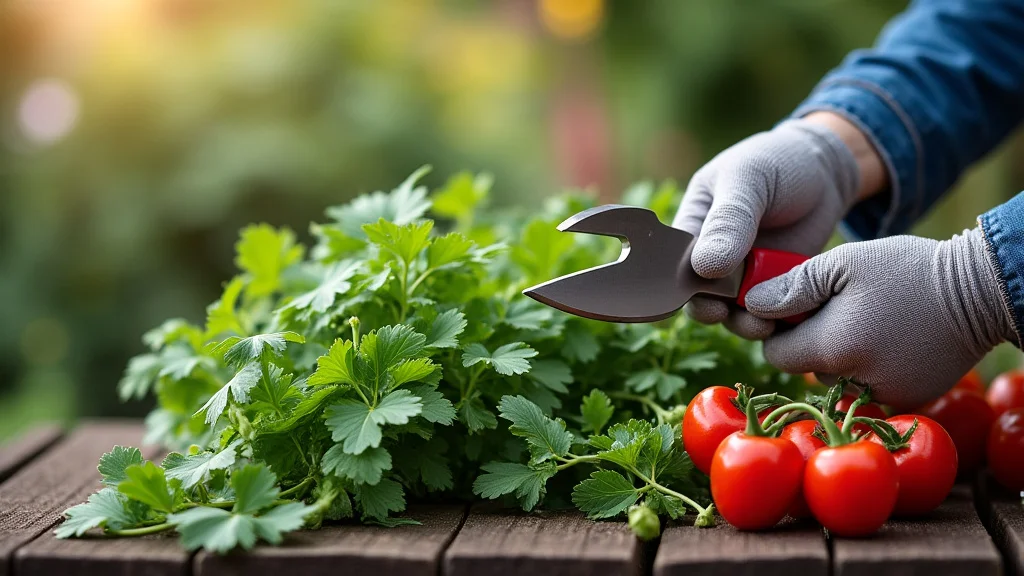
Remember that time you tried to plant a rose bush with a spoon? Yeah, me too. Gardening can be a blast, but without the right tools, it’s like trying to build a house with a toothpick. This post will give you the lowdown on everything you need to know about a gardening tools list with pictures, from the basics to the more specialized gear. You’ll explore the tools, learn how to use them, and even discover some handy tips to make your gardening life easier. This detailed guide will help you select the right equipment to cultivate your garden. You’ll learn essential tools for various gardening tasks, saving time, and ensuring a flourishing garden. Get ready to transform your backyard into a botanical paradise!
Key Takeaways
- Identify essential tools for starting and maintaining a garden.
- Understand the purpose and proper use of various gardening implements.
- Learn how to choose tools based on gardening needs and garden size.
- Discover techniques to improve the efficiency and enjoyment of gardening.
- Explore tool maintenance to prolong the life of your gardening equipment.
- Gain confidence in tackling gardening tasks with the right tools.
Essential Tools for Your Gardening Toolkit
Every gardener, from the newbie to the seasoned veteran, needs a core set of tools. It’s like having a well-stocked kitchen; you can’t cook a gourmet meal without the right pots, pans, and utensils. This section will cover the fundamental items that make gardening tasks manageable and enjoyable. We’ll start with the basics, then expand to the more specialized equipment you might consider. Having these tools will significantly enhance your gardening experience. You will be able to handle various tasks with greater ease and efficiency. We are talking about tools that will become your gardening buddies.
Hand Tools: The Gardener’s Best Friends
Hand tools are the workhorses of any garden. They’re your direct connection to the soil and plants. They’re great for planting, weeding, and general maintenance. Choosing the right hand tools can significantly impact your gardening experience. They are also cost-effective and easy to use. These simple tools are the foundation for any successful gardening endeavor.
- Trowel: This small, handheld shovel is perfect for digging small holes for planting seedlings, transplanting small plants, and scooping up soil.
- Hand Fork: A hand fork is a small, multi-tined tool used for loosening soil, mixing in compost, and weeding.
- Weeder: This tool is specifically designed for removing weeds, either by digging them out or pulling them up by the roots.
The trowel, often made of stainless steel or durable plastic, is a must-have for any gardener. Its size makes it ideal for working in tight spaces, such as between existing plants or in containers. Think of the trowel as your precision instrument. It allows you to place seedlings with care and avoid disturbing surrounding plants. With a comfortable handle and a sturdy blade, a good trowel makes planting a breeze.
The hand fork complements the trowel by helping to aerate and cultivate the soil around plants. It’s particularly useful for working in raised beds or small garden plots. The tines can break up compacted soil. They can also mix in organic matter without disturbing roots. It is designed to be user-friendly, allowing you to improve soil quality.
A weeder is crucial for keeping your garden tidy and preventing weeds from taking over. Several types are available, from the simple dandelion weeder to more complex designs. It’s designed to make weed removal simple. It helps in keeping unwanted plants from stealing nutrients from your plants. It’s like having a little weed-fighting superhero in your hands.
Larger Tools for Big Tasks
Once you have the basics, you’ll need tools to tackle larger gardening tasks. These tools can help you prepare your beds, maintain your paths, and perform heavier-duty jobs. They are often larger and require more physical effort. They’re great for when you need to make quick progress in your garden.
- Shovel: Used for digging, moving soil, and planting larger shrubs and trees.
- Garden Hoe: A versatile tool for weeding, cultivating soil, and creating rows for planting.
- Rake: Used for leveling soil, gathering leaves, and spreading mulch.
A shovel is indispensable for any substantial digging project. Choose a shovel with a sturdy handle and a blade that’s appropriate for your gardening style. A rounded blade is better for digging, while a flat blade is often preferred for edging or leveling. It’s a key tool for creating new garden beds. It is also used to move soil, mulch, and other materials around your yard.
The garden hoe is your go-to tool for weeding large areas quickly. It’s designed to slice through weeds at the soil surface, preventing them from taking hold. The angled blade makes it easy to work in rows. It’s suitable for cultivating the top layer of soil to aerate and prepare it for planting. A well-sharpened hoe can dramatically reduce the time spent on weeding.
The rake is a multi-purpose tool that helps you create a tidy and functional garden space. It’s used for smoothing out the soil before planting, removing debris, and leveling surfaces. A metal rake with closely spaced tines is ideal for soil and leaves. A plastic rake is best for lighter tasks. It is essential for prepping the soil for planting and improving your garden’s aesthetic.
Gardening Tools List with Pictures for Specialized Tasks
Beyond the essentials, there are tools designed for specific gardening tasks. These tools can make your life much easier. They can also help you achieve better results. From pruning and trimming to watering and fertilizing, specialized tools can make your tasks simple. They can also help you become a much better gardener.
Pruning and Cutting Tools
Pruning is essential for maintaining the health and appearance of your plants. These tools ensure clean cuts, promoting plant growth and preventing disease. Choosing the right pruning tools depends on the size and type of plants you are working with.
- Pruning Shears: Used for cutting stems and branches up to about an inch in diameter.
- Loppers: Designed for cutting thicker branches that pruning shears can’t handle.
- Pruning Saw: A saw used for cutting larger branches that loppers cannot manage.
Pruning shears, also known as hand pruners, are perfect for shaping shrubs, deadheading flowers, and trimming small branches. They come in two main types: bypass shears, which make a clean cut, and anvil shears, which have a single blade that cuts against a flat surface. Bypass shears are best for healthy, live wood. They produce a cleaner cut and are less likely to damage the plant.
Loppers are longer-handled pruning tools that provide increased leverage. They’re ideal for cutting branches up to two inches in diameter. The extended handles allow you to reach higher and exert more force. They are used for pruning fruit trees and shaping hedges. Proper use of loppers ensures a clean cut that promotes faster healing and less risk of disease.
A pruning saw is a must-have for dealing with larger branches. It’s a small saw with a curved or straight blade. It is best used for removing dead or diseased limbs. The saw’s design is suited for cutting through wood. This is crucial for maintaining the plant’s health. Using a pruning saw properly helps you to shape trees and shrubs while preventing damage.
Watering and Irrigation Tools
Water is the lifeblood of your garden. Proper watering is essential for plant health and growth. These tools help deliver water efficiently and effectively. This section explores different ways to ensure your plants get the water they need.
- Watering Can: A portable container for watering plants by hand.
- Garden Hose: Used to water plants over a wider area.
- Sprinklers: Automated systems for watering lawns and large garden areas.
A watering can is a simple, yet essential tool for watering plants, especially in containers or small garden beds. Choose a can with a comfortable handle and a rose (the spout with small holes) for gentle watering. This helps prevent soil erosion and minimizes the risk of damaging delicate plants. A watering can gives you precision. It helps you control water flow to the plants that need it most.
A garden hose provides a convenient way to water a large garden. Look for a hose made of durable material. Choose a nozzle with different spray patterns. These patterns can range from a gentle shower to a powerful jet. A hose allows you to reach all parts of your garden, ensuring even watering. It also saves you time and effort.
Sprinklers offer an easy way to water large areas efficiently. There are many sprinkler types, from oscillating sprinklers to rotating sprinklers. These tools provide a consistent amount of water over a designated area. Using a sprinkler can help conserve water. It will also help you create a healthy and thriving lawn. Consider the size and shape of your garden when selecting sprinklers.
Choosing the Right Tools for Your Garden
Selecting the right tools goes beyond just the basics. It’s about matching the tools to your garden’s specific needs and your own gardening style. This section provides insights into how to choose tools effectively. It helps you make decisions based on your garden size, the types of plants, and your physical abilities.
Considering Garden Size and Layout
The size and layout of your garden heavily influence the tools you’ll need. A small balcony garden differs significantly from a large backyard plot. Choose tools that match the scope of your gardening endeavors.
- Small Gardens: For compact spaces, consider hand tools. A trowel, hand fork, and small watering can are great for small gardens.
- Medium-Sized Gardens: These gardens benefit from a mix of hand and larger tools. A shovel, garden hoe, and a good-sized watering hose will work well.
- Large Gardens: Large gardens require heavy-duty tools, such as a wheelbarrow, a wide rake, and possibly a lawnmower. Consider investing in tools that can stand the test of time.
Small gardens, such as those on balconies or patios, require tools that are easy to maneuver and store. Hand tools are ideal. A lightweight watering can is practical for watering potted plants. Think about where your plants are and make your tools fit that.
Medium-sized gardens call for a balance of tools that allow you to cover more ground without being cumbersome. Larger tools, such as shovels and hoes, can make quick work of planting and weeding. A garden hose with a nozzle helps with watering efficiency. Always ensure your tools are stored safely when not in use.
Large gardens need tools designed for scale and endurance. Larger rakes and shovels make managing big areas easier. Consider investing in a wheelbarrow for moving soil, compost, and other materials. Evaluate your space and consider how tools can make your large garden a more manageable space. Prioritize quality tools to handle a lot of work.
Matching Tools to Your Gardening Style
Your personal gardening style also dictates the best tools for the job. Consider the types of plants you plan to grow and the methods you prefer to use when gardening. This helps you to make the right choice.
- Vegetable Gardeners: Vegetable gardens benefit from tools designed for planting, weeding, and harvesting.
- Flower Gardeners: Flower gardens require tools for pruning, shaping, and deadheading.
- Landscape Gardeners: Landscape gardeners may require tools for dealing with larger plants.
Vegetable gardens often require specialized tools. A garden hoe and hand fork help with weed control and soil maintenance. A trowel and dibber are useful for planting seeds and seedlings. You may also need a basket or containers for harvesting produce. Consider a variety of tools that allow for precision and efficiency in planting and care.
Flower gardeners often require tools tailored for maintenance. Pruning shears and loppers help with shaping plants. A hand fork is beneficial for aerating the soil. Deadheading tools, like a small pair of snips, can make sure flowers stay healthy. Think about the style of your flower garden and make sure your tools fit your needs.
Landscape gardeners benefit from a range of tools to manage larger plants. Pruning saws and loppers help with branch maintenance. Shovels and wheelbarrows are useful for moving soil. Consider tools that help with soil preparation, pruning, and general maintenance. Having the right tools makes landscape tasks much easier and gives you a professional result.
Maintaining Your Gardening Tools
Proper care and maintenance of your tools can prolong their lifespan. This will keep them working at their best. It also helps to prevent rust and damage. Regular maintenance is an investment that saves you money in the long run.
Cleaning and Sharpening
Cleaning and sharpening your tools are essential for their performance and longevity. Regular maintenance can keep your tools running longer. It also protects your plants from disease.
- Cleaning After Use: Always clean your tools after each use to remove soil, sap, and plant debris.
- Sharpening Blades: Sharpening blades ensures clean cuts and reduces plant damage.
Cleaning tools prevents rust and corrosion. You can use a brush and soapy water to scrub off any dirt. Pay attention to crevices where debris can collect. It is very important to ensure your tools remain in good shape after each use. A good cleaning also helps prevent the spread of diseases between plants. You can then store tools properly to keep them organized and ready.
A sharp blade makes cutting through stems and branches much easier. A dull blade can tear the plant tissue, which can cause infection and disease. Use a file or sharpening stone to sharpen blades regularly. Be sure to follow the manufacturer’s instructions. A little effort will maintain the tool’s cutting performance and protect the plant.
Storage and Protection
Proper storage protects your tools from the elements. It also keeps them organized and easily accessible. Keep your tools safe and secure when not in use.
- Storing Tools: Store tools in a dry place to prevent rust.
- Protecting Handles: Treat wooden handles with oil.
Storing your gardening tools properly helps to protect them from weather conditions. A shed, garage, or tool rack can be ideal. Be sure to avoid leaving tools outside where they may be exposed to rain or sun. This also keeps your tools easy to find and ready for use. Proper storage also helps prevent accidents and damage.
Wooden handles benefit from regular oiling. It helps them resist cracking and warping. Applying linseed oil or a similar product will keep the wood strong. This is very important. It will help to keep the handle in good condition for many years to come.
Gardening Tools List with Pictures – Beyond the Basics
Beyond the essential tools, there are items that can improve your gardening experience. These extra items can boost efficiency, enhance comfort, and make your gardening tasks more enjoyable. Having these tools will take your gardening from good to great.
Protective Gear and Accessories
Your safety and comfort are important. This will ensure you enjoy the time you spend in your garden. There are a variety of accessories you can use to take care of yourself.
- Gloves: Protect your hands from dirt, thorns, and blisters.
- Kneeling Pad: Provides comfort while working at ground level.
- Garden Cart or Wheelbarrow: Facilitates the movement of soil, plants, and supplies.
Gardening gloves are an essential part of any gardener’s gear. They protect your hands from dirt, thorns, and blisters. They also improve your grip on tools. Choose gloves that fit well and are made of a durable material. They come in many sizes and materials. Finding the right gloves will help you garden with comfort.
A kneeling pad is a great addition for gardeners who spend a lot of time on their knees. It offers cushioning and comfort. This is very important when working at ground level. This pad helps to protect your knees and reduces strain. It helps to make your gardening sessions more pleasant and easier on your body.
A garden cart or wheelbarrow is a valuable accessory for gardeners who need to transport items. It is used to move soil, plants, and supplies. This makes the transport of heavy items easier. A cart or wheelbarrow saves you time and physical effort. It will help make gardening much more manageable. It is particularly useful for gardeners with larger areas.
Measuring and Marking Tools
Accuracy is important in gardening, so using the right tools is necessary. These tools will help you to create straight lines. They also help you make accurate measurements.
- Measuring Tape: Used for measuring distances when planting and laying out beds.
- String and Stakes: Used for creating straight lines and marking planting areas.
- Level: A level is helpful for ensuring that soil surfaces are flat and even.
A measuring tape is crucial for accurate planning in your garden. Use it to measure distances between plants, rows, and beds. This will help you achieve the desired layout. It is very useful for getting things perfect. Accurate measurements guarantee that your garden is properly organized.
String and stakes are simple tools that are useful for creating straight lines. They help with bed layouts and marking planting areas. A string helps ensure plants are evenly spaced. It also helps to create clean edges in your garden. String and stakes are simple and very effective tools for visual planning.
A level is essential for ensuring that surfaces are even. These surfaces may include planting beds, patios, and walkways. They help you to avoid unevenness. This level provides a consistent foundation for your garden layout. It can ensure your garden projects are aesthetically pleasing and functional.
Frequently Asked Questions
Question: What are the essential hand tools every gardener should own?
Answer: Every gardener should have a trowel, a hand fork, and a weeder. These hand tools are essential for planting, cultivating soil, and removing weeds.
Question: How do I choose the right size of shovel for my garden?
Answer: Choose a shovel based on the size of your garden and the tasks you plan to do. A smaller shovel is good for small spaces, while a larger shovel is better for digging and moving soil in a larger garden.
Question: What is the best way to clean my pruning shears after use?
Answer: After each use, wipe your pruning shears with a clean cloth. You can wash them with soap and water to remove any sap or debris. Be sure to dry them thoroughly before storing them.
Question: What are some tips for protecting wooden tool handles?
Answer: Treat wooden handles with oil to prevent them from drying out, cracking, or warping. Linseed oil is a great option. Regularly oiling the handles keeps them in good condition.
Question: How often should I sharpen my pruning tools?
Answer: Sharpen your pruning tools whenever you notice they are not cutting cleanly. Dull blades can damage plants. You can use a file or sharpening stone to restore the cutting edge.
Final Thoughts
So, you’ve made it through the gardening tools list with pictures, and now you’re armed with the knowledge to make your garden a masterpiece. We’ve explored the basics, looked at specialized tools, and even talked about how to take care of your equipment. Having the right tools isn’t just about having the coolest gear. It’s about making gardening more fun and more efficient. By knowing the purpose and proper use of these tools, you’re not just a gardener; you’re a skilled craftsman in your green space. Proper care and smart storage of your tools guarantee that they will serve you well for many seasons. The best part? Gardening with the right tools is an investment in your garden’s success and your personal satisfaction. Go ahead, get out there, and start creating something amazing!