
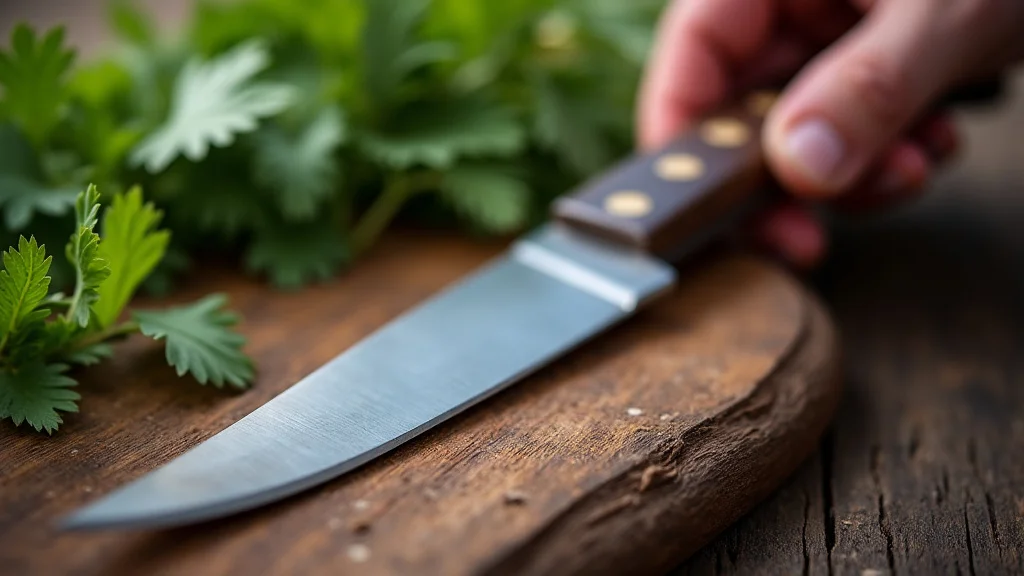
Remember that frustrating moment when your trusty garden shears snagged on a rose stem, leaving a ragged tear instead of a clean cut? Or when your shovel just wouldn’t slice through the soil with ease? We’ve all been there! Dull gardening tools can turn a pleasurable afternoon in the garden into a slog. This post is your guide to finding professional gardening tools sharpening near me, ensuring your equipment stays in peak condition for effortless gardening. You’ll learn the importance of sharp tools, how to identify when they need attention, and, most importantly, discover how to locate the best sharpening services in your area. This will save you time, effort, and possibly even money, while making your garden tasks far more enjoyable.
Key Takeaways
- Regular sharpening extends the lifespan of your gardening tools and improves their performance.
- Identifying dull tools is easy by observing how they perform or their physical condition.
- Local sharpening services offer convenience and expertise for various garden tools.
- Professional sharpening techniques ensure precise angles and optimal cutting ability.
- Maintaining sharp tools prevents injury and reduces strain during gardening.
- Knowing how to prepare your tools before sharpening optimizes the process.
The Importance of Sharp Gardening Tools
Sharp gardening tools are more than just a convenience; they are essential for effective and safe gardening. Imagine trying to cut a thick branch with a dull saw or dig a hole with a blunt spade. The effort required is significantly increased, leading to fatigue and potential injury. Sharp tools require less force, allowing you to work more efficiently and accurately. They also promote plant health by making clean cuts that heal quickly, reducing the risk of disease. A well-maintained toolkit is a gardener’s best friend, and sharp blades are at the heart of that friendship.
Why Sharpening Matters for Plant Health
One of the biggest benefits of sharpening your tools is that it positively impacts the well-being of your plants. Clean cuts are vital. When a pruning shear or lopper is sharp, it makes a crisp, clean cut. This is unlike using a dull tool, which can tear or crush plant tissue. These ragged wounds are susceptible to diseases and pests, potentially hindering the plant’s growth and vitality. The ability of plants to heal efficiently relies heavily on sharp tools making a precision cut. Properly maintained tools are essential for the gardener who wants to keep their plants thriving.
- Reduced Disease Risk: Clean cuts heal quickly, significantly decreasing the chance of fungal or bacterial infections.
- Faster Healing: Plants heal faster from clean cuts, saving energy for growth instead of wound repair.
- Precise Pruning: Sharp tools allow for precise pruning, removing dead or diseased branches effectively.
- Better Plant Growth: Healthy plants thrive, producing more flowers, fruits, and vegetables.
The Economic Benefits of Sharpening
Investing in sharpening is also a cost-effective strategy. While the initial cost of sharpening might seem like an extra expense, it actually saves money in the long run. Well-maintained tools last much longer than those that are neglected. Dull tools require more force, which can lead to premature wear and tear. Over time, this causes them to break or malfunction. By keeping your tools sharp, you extend their lifespan, delaying the need for replacements. Additionally, sharp tools perform their tasks more efficiently, which saves you time and labor.
- Extended Tool Lifespan: Regular sharpening prevents damage and premature wear, extending the life of your tools.
- Reduced Replacement Costs: Maintaining sharp tools minimizes the need for costly replacements.
- Improved Efficiency: Sharp tools reduce the effort required, allowing you to complete tasks faster.
- Enhanced Gardening Experience: Making tasks easier will increase your enjoyment and the value of your garden.
Identifying When Your Gardening Tools Need Sharpening
Recognizing when your tools need sharpening is crucial to keeping them in good working order. There are several clear indicators that signal it’s time to seek a gardening tools sharpening near me service. The most obvious sign is a decline in performance. If your pruning shears are crushing stems instead of slicing them cleanly, or your shovel struggles to penetrate the soil, it’s a good clue they’re not sharp enough. Regular inspection and a little practice will help you identify the telltale signs of dullness.
Signs of Dull Blades
The appearance of your tools can provide clues as to their sharpness. Look for physical damage like nicks or chips on the blade edges. These can impair their cutting ability. Also, check for rust or corrosion, which can interfere with the cutting process and accelerate wear. The feel of the tool also helps in the assessment; if the blade slides across the surface instead of biting into it, then it likely needs sharpening. Being aware of these signs will help you maintain your tools, keeping them in good condition for years to come.
- Difficulty Cutting: If your tools are making it hard to cut or dig through materials, they are likely dull.
- Ragged Cuts: Shears that tear rather than slice are a good indication of dullness.
- Increased Effort: Gardening with a dull tool requires more force, leading to fatigue.
- Physical Damage: Nicks, chips, or rust on blades reduce cutting performance.
Observing Performance in Action
The best way to know when your tools need sharpening is to observe their performance during use. Notice how your tools behave when performing their intended tasks. For example, if your pruning shears struggle to cut through a branch, or your shovel slides over the soil instead of penetrating it, the tools are not sharp enough. Additionally, keep an eye on the overall ease of use. If your tools feel difficult to handle, they likely need sharpening. Observing how your tools perform will ensure you consistently maintain them.
- Pruning: Observe how well your pruning shears slice through branches of various sizes. If the cut is jagged or requires excessive force, it’s time for sharpening.
- Digging: When using a shovel or spade, see how easily the blade penetrates the soil. If it struggles, it indicates a dull edge.
- Mowing: Blades that tear grass instead of cutting it indicate dull mower blades and need sharpening.
- Weeding: If the hoe slides over the soil and doesn’t cut weeds effectively, the blade needs attention.
Finding Gardening Tools Sharpening Near Me
Locating a reliable sharpening service for your garden tools is easier than you might think. Several options are available, from local hardware stores and specialized tool shops to mobile sharpening services. The key is to do some research and find a service that offers quality work at a reasonable price. You can use online search engines to search for ‘gardening tools sharpening near me,’ checking the reviews and ratings. This will help you find the best services available in your area. You can also explore local social media groups to gain recommendations.
Using Online Search Engines
Online search engines are powerful tools when searching for local sharpening services. Perform a search using terms like “gardening tools sharpening near me” or “tool sharpening .” This will generate a list of local businesses that offer the services you need. Make sure to review the information provided to check their business hours, contact information, and service prices. Many of the listings will also have online reviews from previous customers, so you can evaluate the quality of their work and service. This will aid you in making an informed decision.
- Search Terms: Use specific phrases like “gardening tools sharpening near me” or “tool sharpening “.
- Review Listings: Check business hours, contact info, and pricing to find the best fit.
- Read Reviews: Look at customer reviews to find out the quality of work and customer service.
- Check Websites: Many services have websites with additional details on services and pricing.
Exploring Local Resources
Apart from online search engines, there are other methods of finding sharpening services. Local hardware stores often provide tool sharpening services, which can be convenient for those seeking a quick solution. Also, consider specialized tool shops that may offer comprehensive sharpening for various types of tools, from pruning shears and loppers to shovels and hoes. Moreover, look into mobile sharpening services, which come directly to your location, offering convenience. Ask your neighbors, friends, and other local gardeners for recommendations to find reliable, high-quality sharpening services.
- Hardware Stores: Many local stores provide sharpening services for a variety of tools.
- Tool Shops: Special shops are dedicated to servicing and sharpening tools.
- Mobile Services: Some professionals offer mobile services, coming to your door.
- Recommendations: Ask friends, neighbors, and fellow gardeners for recommendations.
The Sharpening Process: What To Expect
The sharpening process is about restoring the tool’s cutting edge. It involves removing small amounts of material from the blade to create a sharp, clean edge. The exact methods vary depending on the tool and the service provider, but the core principles remain the same. Understanding the basics helps you to know what to expect and why it is essential. From the type of sharpening to the tools and equipment used, this section will shed light on the process and ensure your tools are sharpened to the highest standard.
Professional Sharpening Techniques
Professional sharpening services use various methods to achieve the sharpest possible edge. Bench grinders, which utilize abrasive wheels, are often used for removing larger amounts of material and reshaping the blade. These machines can quickly restore the cutting edge to the ideal angle. Another method is using sharpening stones or files to refine the edge and create a very fine finish. This is very important for achieving an extremely sharp edge. Each method has a role in producing high-quality results. Professional sharpening ensures optimal sharpness for your tools.
- Bench Grinding: Uses abrasive wheels to quickly reshape and sharpen blades.
- Sharpening Stones: Provide a finer finish and a sharper cutting edge.
- File Sharpening: Removes small amounts of material to refine the edge.
- Angle Consistency: Maintaining the correct angle is critical for tool performance.
Understanding Angle and Edge
The angle at which the blade is sharpened is one of the most vital aspects of the sharpening process. The angle determines the tool’s effectiveness and how it functions. Each tool is designed to cut at a specific angle. Sharpening the blade at the right angle is essential for a sharp and durable cutting edge. Correct angles ensure the blade can efficiently cut through materials without excessive wear. Some sharpening services provide tools designed to hold the blade at the right angle, ensuring the blade cuts efficiently. Proper sharpening angles improve the tool’s performance and lifespan.
Maintaining Your Sharpened Tools
Once your tools have been professionally sharpened, proper maintenance is vital to keep them in top condition and extend their lifespan. This will ensure that they remain sharp and ready for use. Proper maintenance includes regular cleaning, rust prevention, and safe storage. By adopting these methods, you can protect your tools from damage and keep them working efficiently. This is a small investment that offers high returns, ensuring that your tools will perform for years to come.
Cleaning and Lubrication
Cleaning your tools after each use is a key step in preventing corrosion and maintaining their sharpness. Soil, sap, and other debris can dull the blades and cause rust. After each use, wipe down your tools with a clean cloth or brush to remove any dirt or residue. Apply a light coat of lubricant, such as a penetrating oil, to the blades and moving parts. This lubricates the cutting surfaces and shields them from moisture. Proper cleaning will significantly extend the lifespan of your tools. Regular lubrication also prevents rust.
- Wipe Down: After each use, clean tools with a cloth or brush.
- Remove Debris: Eliminate soil, sap, and plant residue from the blades.
- Apply Lubricant: Use a penetrating oil to protect the blades from rust.
- Check for Damage: Periodically check for any damage, like nicks or chips.
Proper Storage and Rust Prevention
Proper storage is essential to safeguard your tools from rust and damage, especially when they are not in use. Store your tools in a dry, covered area, such as a shed or garage. Using a tool rack or a wall-mounted holder keeps your tools off the ground and prevents them from coming into contact with moisture. You should consider using rust-preventative products. Some options include applying a rust inhibitor or storing your tools in a container with a desiccant. These techniques will significantly reduce the risk of corrosion and keep your tools in prime condition.
- Dry Storage: Store tools in a dry place to prevent moisture buildup.
- Tool Racks: Use tool racks or holders to keep tools off the ground.
- Rust Prevention: Apply rust inhibitors and keep them clean.
- Regular Inspection: Inspect tools for damage, and address issues right away.
Frequently Asked Questions
Question: How often should I sharpen my gardening tools?
Answer: This depends on how frequently you use your tools and the type of tasks you perform. As a general rule, sharpen tools at least once or twice per season, or more often if you notice they are becoming dull.
Question: Can I sharpen my gardening tools myself?
Answer: Yes, you can sharpen many tools yourself using files, sharpening stones, or honing kits. However, professional sharpening services offer more precise results and are often recommended for expensive or specialized tools.
Question: What types of tools can be sharpened?
Answer: Most garden tools can be sharpened, including pruning shears, loppers, shovels, hoes, axes, and mower blades.
Question: How much does it cost to have my gardening tools sharpened?
Answer: Prices vary depending on the tool and the sharpening service. However, expect to pay a few dollars for simple tools like pruning shears to upwards of 20 dollars or more for larger or more complex tools.
Question: How long does it take to have my tools sharpened?
Answer: The turnaround time can vary. Many services offer quick turnaround times of same-day service, while others may require a few days, depending on the volume of work and the tools being sharpened.
Final Thoughts
Having sharp tools is not just a luxury; it’s a necessity for any gardener who wants to work efficiently and keep their plants healthy. By taking the time to learn about gardening tools sharpening near me, you’ve taken a significant step toward improving your gardening experience. You now have the knowledge to identify dull tools, find reliable sharpening services, and keep your equipment in peak condition. Remember that a well-maintained toolkit is an investment in your garden, saving you time, effort, and possibly even money. Keep your tools sharp, and you will find your gardening more enjoyable and your plants healthier. Start exploring local sharpening services and give your tools the care they deserve. Your plants, and your back, will thank you!