
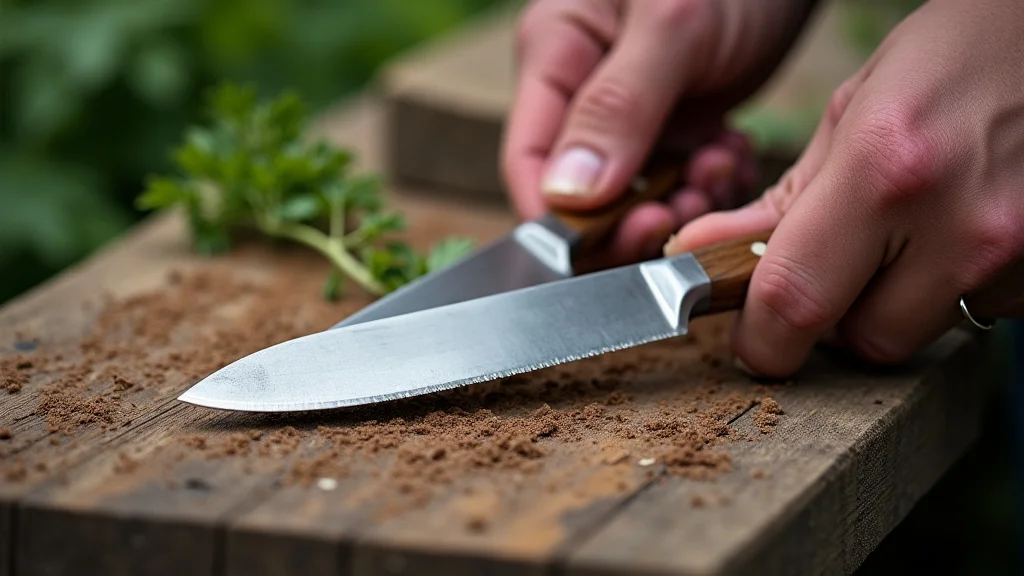
Remember that frustrating moment when your trusty garden shears wouldn’t slice through a rose stem, or your trowel couldn’t even penetrate the soil? That’s when you realize the importance of a gardening tools sharpener! Dull tools make gardening a chore, leading to ragged cuts that damage plants and increase the risk of disease. In this guide, we’ll explore everything you need to know about keeping your blades razor-sharp. You’ll gain practical knowledge about various sharpening methods, learn how to select the right tools for your specific needs, and discover how to safely maintain your valuable gardening equipment. This will ensure your tools are always ready for any gardening task.
Key Takeaways
- Discover the best methods for sharpening various gardening tools.
- Learn how to choose the right gardening tools sharpener for your needs.
- Understand the importance of regular tool maintenance and safety.
- Explore different types of sharpening tools, from manual to powered options.
- Find out how to identify when your tools need sharpening.
- Master the techniques for safe and effective sharpening.
Why Sharpening Matters for Your Gardening Tools
Imagine trying to cut a piece of wood with a dull saw. It’s tough, slow, and probably dangerous. The same principle applies to your gardening tools. Sharp tools make gardening easier, more enjoyable, and protect your plants. Dull blades crush plant stems instead of making clean cuts, increasing the risk of diseases like fungal infections. A gardening tools sharpener is essential for any gardener who wants their plants to thrive and their gardening experience to be positive. Beyond the health of your plants, maintaining sharp tools saves time and energy, allowing you to complete your gardening tasks with greater efficiency.
Consider the impact on your plants. Clean cuts from a sharp blade heal faster, reducing the chance of pest infestation and disease. When using pruning shears, a sharp edge prevents tearing and bruising, which can weaken a plant. Think about your back and arms, too. Sharpening your tools means you can accomplish tasks with less effort. You’ll find yourself able to work for longer periods without tiring, which is especially important for larger garden projects.
The Advantages of Using Sharp Tools
The benefits of using sharpened tools extend beyond just the immediate tasks. There’s a tangible difference in the quality of your gardening work. You’ll notice cleaner cuts, neater edges, and a general sense of satisfaction from working with well-maintained equipment. These simple habits lead to a better gardening experience overall.
- Enhanced Plant Health: Sharp blades promote cleaner cuts, reducing the risk of disease and pest infestations.
- Increased Efficiency: Sharpened tools cut through stems and soil with ease, saving you time and effort.
- Improved Safety: Sharp tools are less likely to slip or require excessive force, reducing the chance of accidents.
- Extended Tool Lifespan: Regular sharpening prevents damage to your tools, prolonging their useful life.
Regular sharpening means you’ll be less likely to have to replace tools prematurely. Proper tool maintenance preserves your investment, and it also contributes to a more sustainable gardening practice. By taking care of your tools, you’re not only creating a thriving garden, but you’re also reducing waste. This leads to a healthier garden and a more rewarding experience for you.
Choosing the Right Gardening Tools Sharpener
Selecting the right gardening tools sharpener is a pivotal first step. The options range from simple handheld sharpeners to more elaborate electric models. The right choice depends on the types of tools you own, your budget, and how often you plan to sharpen them. Consider the tools you use most frequently. If you have a lot of pruners and loppers, a handheld sharpener might suffice. But if you have larger tools or plan to tackle a lot of sharpening, a bench grinder might be the better choice. Think about the types of blades you’ll be sharpening, too. Different blade shapes will work better with certain tools.
It’s important to understand the different types of sharpeners available. There are manual sharpeners, which typically use files or whetstones, and electric sharpeners, which use rotating grinding wheels. Each has its pros and cons, and both can be effective if used correctly. A hand file is a good choice for smaller tools, while a bench grinder is ideal for larger blades. The perfect choice for you depends on your unique needs.
Types of Sharpening Tools
Let’s look more closely at the different types of sharpening tools to help you pick the best one for your needs. Knowing the strengths and weaknesses of each will make your decision easier. Understanding these details will help you choose wisely.
- Hand Files: These are typically metal or diamond-coated files that are used to remove material from the blade edge. They’re affordable, easy to use, and require no power source. Files are great for smaller blades.
- Whetstones: Whetstones, also known as sharpening stones, are used with water or oil to refine the edge of a blade. They provide a precise sharpening experience and are ideal for a keen edge.
- Bench Grinders: These are electric machines with rotating abrasive wheels. They are great for quickly removing a lot of material and are most often used for larger tools like hoes and shovels.
- Electric Sharpeners: These are powered tools that provide a simple and quick way to sharpen blades. They are often designed for specific types of tools, such as knives or shears.
Hand files are excellent for sharpening pruning shears, secateurs, and smaller knives. They’re great for shaping the cutting edge and restoring the blade’s sharpness. They come in various shapes and sizes, allowing them to work with different tool designs. They are a good choice for people who have few tools or want an affordable solution.
Whetstones provide a finer finish than many other sharpening methods. They are used for the final honing process, giving a razor-sharp edge. They are usually available in different grits, which means how coarse or fine they are. Start with a coarser grit to remove material, and finish with a finer grit for a polished edge. Whetstones are great for those who value precision.
Bench grinders have powerful motors and abrasive wheels that can quickly sharpen tools. They are ideal for larger tools with thicker blades. They are faster than manual methods and are suitable for removing rust. However, using a bench grinder requires more experience and care to prevent overheating the blade.
Electric sharpeners are convenient and easy to use. Some models offer different angles and abrasive surfaces for different tools. These are a good choice for those who are new to sharpening. They save time, but they may not provide the same precision as other methods.
Each type has its advantages and disadvantages. Hand files are inexpensive but take more time. Bench grinders are fast but require more care. Whetstones offer the finest edge but require patience and skill. Electric sharpeners offer the convenience of speed.
Sharpening Techniques for Common Garden Tools
Once you’ve chosen your gardening tools sharpener, it’s time to learn how to use it. Different tools require different techniques to achieve the best results. The key is to maintain the correct angle and apply steady, even pressure. When sharpening, consider the type of tool, the material of the blade, and its specific purpose.
It’s beneficial to practice your sharpening technique on tools that are not used often before moving on to tools you rely on. Using a proper angle is critical for effective sharpening. Too steep an angle may create a weak edge, while too shallow an angle may not provide adequate sharpness. With practice, you will develop a feel for the correct angles for different tools and blades.
Sharpening Specific Tools
Different gardening tools require different techniques, angle considerations, and sharpening tools for best results. This section explores the specific techniques for popular gardening tools. By following these guidelines, you can ensure that your tools are properly maintained and provide optimum performance. Let’s delve into the specific techniques.
- Pruning Shears (Secateurs): These tools are best sharpened with a hand file. Maintain the original bevel of the blade. Sharpen only the beveled side.
- Loppers: Larger tools, like loppers, often benefit from using a file or a bench grinder. Keep the original angle and shape of the blade.
- Shovels and Hoes: These tools should be sharpened with a file or a bench grinder. For a shovel, sharpen the beveled edge to create a sharper digging edge. For hoes, sharpen the outer edge of the blade to make it better at slicing through weeds.
- Hand Trowels and Weeding Tools: These smaller tools can be sharpened with a file or whetstone. Maintain the original angle and shape.
Pruning shears require a specific sharpening process. Place the file at the same angle as the existing bevel. Apply steady pressure as you run the file along the blade edge. Work from the base of the blade toward the tip. Avoid sharpening the flat side of the blade, which will remove material and disrupt the blade’s functionality. This approach ensures a sharp edge without damaging the tool.
For loppers, a steady hand and a good eye are important. Use a file to follow the existing angle of the blade, which is typically a bevelled edge. Remove any burrs or rough spots. With a bench grinder, use a light touch to avoid overheating the blade. Ensure that you have the blade securely attached to the tool before you start. Maintain the original shape of the blade.
Shovels and hoes are often subjected to rough conditions, so keep a sharp edge on them. Using a file, apply the file at the correct angle. Apply even pressure and stroke along the cutting edge. With a bench grinder, take care not to overheat the metal. A properly sharpened shovel or hoe will make digging and weeding much easier.
Small tools need to be sharpened with care. A small file or a whetstone will do the trick. Follow the existing bevel, ensuring you remove any burrs or dull spots. A sharp trowel allows you to dig with ease. A sharp weeding tool will make removing weeds a breeze.
Remember that practice makes perfect. Experiment with different angles and techniques until you find what works best for each tool and your own skill level. With a little practice, you’ll be able to keep your tools in excellent condition.
Safety and Maintenance Tips for Gardening Tools
Sharpening your tools is only part of the process. Safe and proper maintenance is equally important to keeping them in good condition for many years. Always prioritize safety, and always follow safety instructions. Wearing safety glasses and work gloves is vital during the sharpening process. Always use the right equipment and techniques for each tool. Clean and dry your tools after each use to prevent rust. By taking these steps, you will make your gardening experience safer and more enjoyable. These precautions will help you keep your tools ready for use.
There are steps you should always take. Clean your tools after each use. Store your tools in a dry location to prevent rust. Regularly inspect your tools for any damage or wear. Keeping your gardening tools sharpener and tools in good condition will pay off in the long run. By keeping your tools in good shape, you’re making your gardening experience safer, more enjoyable, and more efficient.
Safety Precautions and Maintenance Practices
Let’s delve into important safety measures and best practices. These simple tips will keep your tools working for a long time. These practices should become routine for any gardener.
- Always Wear Protective Gear: Safety glasses protect your eyes from metal filings. Gloves protect your hands from cuts and injuries.
- Clean Tools After Use: Remove dirt and sap. Dry them thoroughly to prevent rust.
- Inspect for Damage: Look for cracks, chips, or loose parts. Replace damaged tools immediately.
- Proper Storage: Store tools in a dry place. Consider hanging tools or using a tool rack.
- Lubricate Moving Parts: Apply oil to hinges and pivot points to prevent rust and ensure smooth operation.
Always wear eye protection to shield your eyes from flying debris. Gloves help to prevent cuts and blisters. These safety practices are crucial.
Clean your tools with soap and water after each use. Remove any remaining dirt, sap, or plant debris. Dry them completely before storing them. This prevents corrosion and makes sharpening easier.
Regularly inspect your tools for signs of damage. Check for any loose parts, cracks, or chips. Damaged tools can be dangerous and ineffective. Repair or replace damaged tools promptly.
Store your tools in a dry location, such as a shed or a garage. Hanging them up or placing them in a tool rack helps to protect the blades. It keeps the tools organized and within easy reach.
Lubricate the moving parts of your tools regularly. This includes hinges, pivot points, and any other areas where metal rubs against metal. Lubrication reduces friction and prevents rust. It ensures smooth and efficient operation.
Following these steps will ensure that your tools are always ready for action. By making tool maintenance part of your gardening routine, you can prevent problems before they start.
Troubleshooting Common Sharpening Problems
Even with the best tools and techniques, you might encounter issues during sharpening. Knowing how to identify and fix these problems can save you time and prevent frustration. Whether you’re dealing with a dull blade or a damaged tool, a little troubleshooting knowledge can make a big difference. With practice and patience, you’ll be able to overcome any challenge.
Troubleshooting involves a bit of detective work. If your tools aren’t as sharp as they should be, consider the angle of your sharpening tool. If the blade is still dull, it may be time to replace the tool. Here are some of the most common issues you’ll encounter while sharpening your tools.
Common Issues and Solutions
Let’s explore some frequent problems and how to solve them. By identifying and resolving common issues, you can improve your sharpening results. These suggestions can streamline your workflow.
- Dull Blade After Sharpening: Check the angle of your gardening tools sharpener. You may not be removing enough material. Use a coarser grit on your sharpener.
- Uneven Sharpening: Apply consistent pressure when using your gardening tools sharpener. Ensure your sharpener makes contact with the blade along its entire edge.
- Blade Overheating: Work in short bursts. Allow the blade to cool down. Use less pressure.
- Rust or Corrosion: Clean and dry the tool. Use a rust remover. Protect the tool with a light coat of oil.
If your blade isn’t sharp after sharpening, revisit the angle. Ensure you’re following the existing bevel. You can also try using a coarser grit on your sharpener to remove more material. It’s often because the angle of sharpening is not maintained correctly.
Uneven sharpening means the blade is sharp in some areas but not others. Use even pressure when sharpening. Ensure your sharpener makes contact with the blade along its full length. Consider using a guide or a jig to maintain the proper angle.
Overheating can change the temper of the steel, making it brittle. Work in brief bursts with your bench grinder. Allow the blade to cool between passes. Reduce the pressure and use a slower speed.
Rust and corrosion damage tools and prevent them from cutting well. Clean the tool, remove any rust, and dry it. Protect the tool by coating it with a light layer of oil. You must clean and dry your tools after each use.
Practice and patience are key. With time, you’ll become more familiar with your tools. You’ll be able to troubleshoot any sharpening issues. The best method is to keep practicing and learning.
Frequently Asked Questions
Question: How often should I sharpen my gardening tools?
Answer: It depends on how often you use them. As a general rule, sharpen tools at the start and end of each gardening season, and sharpen them more frequently if you use them often.
Question: Can I sharpen my tools with a regular kitchen knife sharpener?
Answer: While some kitchen knife sharpeners can work on certain gardening tools, they may not be suitable for all types. It’s best to use a sharpener designed for gardening tools.
Question: What’s the best way to remove rust from my tools?
Answer: There are several ways to remove rust, including using a wire brush, sandpaper, or rust-removing chemicals. Clean the tool with soap and water after removing the rust. Then dry it, and apply a light coat of oil to prevent further corrosion.
Question: What angle should I use to sharpen my pruning shears?
Answer: For pruning shears, maintain the original bevel angle of the blade. This angle is generally between 20 and 30 degrees. The main goal is to reproduce the angle.
Question: What is the best type of oil to use for lubricating my tools?
Answer: A general-purpose machine oil or a penetrating oil works well for lubricating gardening tools. Apply a small amount to the hinges and pivot points, and then wipe off any excess.
Final Thoughts
Maintaining sharp tools is an important part of gardening. Proper sharpening improves the efficiency and enjoyment of gardening. A gardening tools sharpener allows you to improve the health of your plants. With the right tools and techniques, you can easily keep your tools in top condition. Whether you use a manual file or an electric sharpener, the key is to apply the correct sharpening angle, maintain a steady hand, and prioritize safety. Regular maintenance is a small price to pay for the rewards of a healthy and productive garden.
Remember that sharp tools are safer and make gardening much easier. Take the time to sharpen your tools at the start of each gardening season, and again as needed throughout the growing season. Your plants and your back will thank you!