
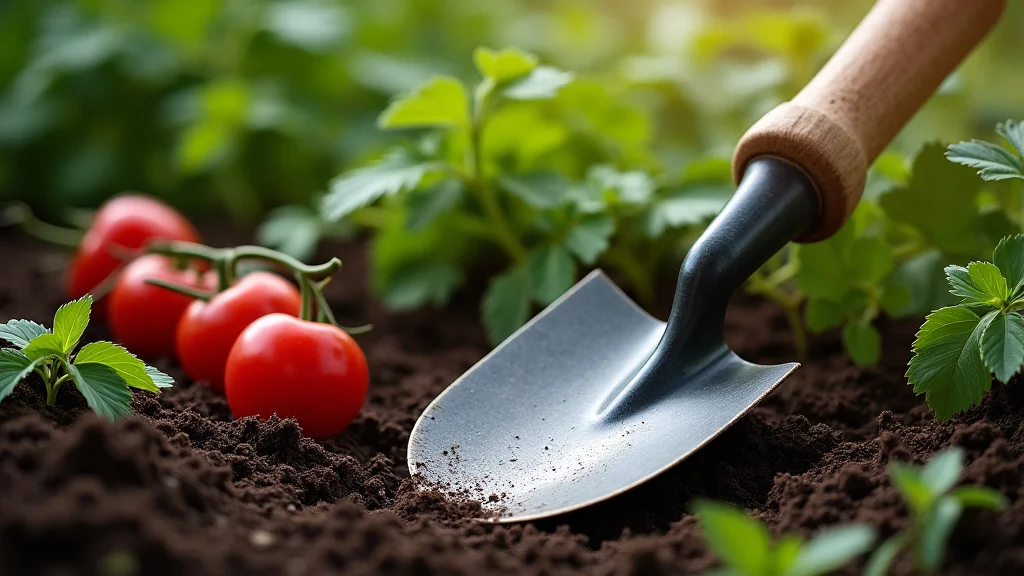
Remember that time you tried to plant a rose bush with a flimsy trowel? The struggle was real! The soil was tough, the trowel bent, and you ended up with more dirt on your hands than in the hole. Choosing the right gardening tools spade can transform your gardening experience from a battle into a breeze. This post will guide you through the essential factors, helping you choose the perfect gardening tools spade for your specific needs, improving your planting and digging efforts. You’ll learn the different types, materials, and features to consider. By the end, you’ll be able to select the ideal spade, optimizing your time and effort in the garden. This will provide you with the necessary expertise, significantly improving your ability to select the right spade.
Key Takeaways
- Understand the different types of spades and their specific uses.
- Learn about the materials used in spade construction and their advantages.
- Discover the key features to consider when selecting a spade.
- Know how to maintain and care for your spade to extend its lifespan.
- Explore which spade is best suited for various gardening tasks.
- Gain knowledge about the ergonomic aspects of spade design.
Spade Types and Their Purpose
The world of gardening tools spade offers a variety of shapes and styles, each developed for different tasks and soil conditions. Understanding the differences between these spades is important for selecting the right one for your gardening needs. Some are designed for cutting through compacted soil, others for turning over soft soil, and yet others for transplanting plants. Knowing the purpose of each type will ensure you choose the tool that will make your gardening tasks easier and more efficient. Exploring the various choices helps gardeners make informed decisions.
The Digging Spade
The digging spade is the workhorse of the garden. It is crafted for a variety of tasks, from turning over soil to creating trenches and moving bulk material. Typically, it has a flat, rectangular blade and a straight or slightly curved handle. Digging spades are made from sturdy materials such as carbon steel to handle the wear and tear of digging through packed earth. This spade is used for tasks involving turning over soil, creating trenches, and moving bulk materials. A well-constructed digging spade is a must-have for any garden.
- Flat Blade: The flat blade of the digging spade is designed to cut through soil easily. This makes it effective for digging and turning soil.
- Sturdy Construction: Constructed from durable materials, the digging spade is designed for handling tough conditions, making it an excellent investment.
- Variety of Handle Lengths: Digging spades have many handle lengths to accommodate different heights and preferences, ensuring comfort and ease of use.
The Border Spade
Border spades are designed for precision work in flower beds, gardens, and other tight spaces. They’re typically smaller than digging spades, with a narrower blade and a shorter handle. These tools are ideal for tasks such as edging beds, dividing perennials, and moving small amounts of soil. The blade of a border spade is often slightly curved or pointed to help in penetrating the ground. The smaller size provides better control in restricted areas. Because of their lighter weight and increased maneuverability, they are popular for detailed work.
- Narrow Blade: The narrow blade of the border spade allows for precise work, ideal for tight spaces and detailed tasks.
- Shorter Handle: A shorter handle provides more control in restricted areas, making the border spade perfect for flower beds and other small gardens.
- Easy to Maneuver: The lighter weight and improved maneuverability make it useful for detailed work, such as edging beds and dividing perennials.
The Trenching Spade
The trenching spade is created for cutting clean, deep trenches. It usually has a narrow, pointed blade and a long handle. The narrow design makes it ideal for digging trenches for irrigation systems, planting hedges, or creating pathways. The pointed blade helps pierce the ground and dig more effectively. Trenching spades must be strong to endure the demands of trenching and ensure the task is completed efficiently. It is built to make digging through all kinds of soil easier.
- Narrow, Pointed Blade: The narrow, pointed blade efficiently cuts into the ground, reducing the work required for trenching tasks.
- Long Handle: The long handle allows gardeners to use leverage while digging, making it easier to achieve greater depths.
- Specific Purpose: Trenching spades are optimized for digging trenches, making them an excellent tool for irrigation, planting, and paths.
Materials Used in Spade Construction
The materials used in building a gardening tools spade significantly affect its durability, performance, and feel. Spades are made from a range of materials, each bringing unique advantages. The most common materials are carbon steel, stainless steel, and fiberglass. Understanding the properties of each material helps you choose a spade that fits your specific needs and gardening style. The quality of the materials ensures the long-term effectiveness of the tool.
Carbon Steel
Carbon steel is a popular material for spade blades due to its great strength and ability to withstand heavy use. It is a sturdy alloy that endures contact with the ground, making it suitable for tough digging tasks. Carbon steel is often hardened and tempered during manufacturing. This process increases its durability and resistance to bending or breaking. This steel is reasonably priced, but may corrode. To prevent rust, many gardeners will choose to store the tool in a dry place. Regular maintenance can prolong the life of a carbon steel spade.
- High Strength: Carbon steel can endure a lot of use, which is excellent for intensive gardening tasks.
- Sharpness: Carbon steel blades can be sharpened easily, ensuring they can dig and cut through soil efficiently.
- Maintenance: Carbon steel blades must be maintained to prevent rust.
Stainless Steel
Stainless steel spades are made with a metal that resists rust and corrosion. This characteristic makes them ideal for gardens with moist soil conditions. The shiny surface is a notable feature. The smooth finish reduces soil buildup. They are made to endure prolonged exposure to moisture, making them an excellent choice for longevity. Stainless steel is often pricier than carbon steel, but its durability is considered by many gardeners to be worth the price. The long-term maintenance needs are reduced.
- Rust Resistance: Stainless steel won’t rust or corrode, making it ideal for gardens with moist soil.
- Low Maintenance: Less effort is required to keep a stainless-steel spade clean and in good condition.
- Aesthetics: The smooth, shiny finish is pleasing to the eye.
Handle Materials
The material of the handle is important for the overall comfort and feel of the spade. Handles can be made of wood, fiberglass, or steel. Wood handles offer a traditional aesthetic and a natural feel. Fiberglass handles are light, sturdy, and do not rot or rust. Steel handles provide excellent strength and durability. The choice of handle material depends on personal preference and the tasks that will be performed. The best handle material will provide balance, comfort, and usability.
- Wood Handles: These are durable, and offer a natural feel.
- Fiberglass Handles: Fiberglass is lightweight, strong, and won’t rot or rust.
- Steel Handles: Steel is strong and long-lasting.
Features to Consider When Selecting a Spade
When selecting the ideal gardening tools spade, several design elements are essential. These features contribute to the tool’s effectiveness, comfort, and safety. Understanding these elements can improve your gardening performance and decrease the risk of injury. Taking these factors into account ensures that the spade suits your body type and the particular tasks you will undertake. Considering these elements makes the gardening experience more pleasant.
Blade Shape and Size
The shape and size of the spade blade greatly impact its performance and suitability for various tasks. The blade’s width, length, and shape determine how well it cuts through soil, how much soil it can move, and the precision with which it can be used. Consider the typical gardening tasks. For turning over soil, a wider blade can be effective. A narrow blade is better for tight spots. Choosing the correct blade dimensions will enhance your efficiency.
- Wide Blades: Good for moving large amounts of soil and turning over beds.
- Narrow Blades: Suited for edging and working in tight spots.
- Curved Blades: Can make digging easier.
Handle Design and Length
The handle design and length of a spade are critical for comfort, balance, and leverage. The handle’s shape, grip, and the material impact how the spade feels in your hands. Handle length determines the amount of leverage that can be utilized when digging. A long handle offers greater power, while a shorter one provides greater control. The best selection must accommodate your height and gardening requirements. Choosing a suitable handle can reduce strain and improve gardening enjoyment.
- D-Grip Handles: Excellent control and power.
- T-Grip Handles: Great for digging and turning over soil.
- Long Handles: Great leverage, but they may be harder to control.
Ergonomic Design
Ergonomic design features can greatly improve comfort and decrease the risk of strain when gardening for extended periods. Ergonomic spades are built to fit the natural shape of the human body. This design reduces stress on the back, shoulders, and wrists. Features, such as angled handles, cushioned grips, and lightweight materials, can make a spade more comfortable to use. Consider the ergonomic aspects, if you want to avoid muscle fatigue. Selecting an ergonomically designed spade will enhance your gardening experience.
- Angled Handles: Reduces strain on the back and wrists.
- Cushioned Grips: Add comfort and reduce slippage.
- Lightweight Materials: Decrease fatigue during prolonged use.
Maintaining and Caring for Your Spade
Taking care of your gardening tools spade will extend its life. Following these maintenance practices will keep your tool in good working condition. Proper care ensures the spade functions efficiently. It will also prevent the blade from rusting and the handle from degrading. This regular maintenance will help to keep the spade prepared for the seasons to come. A well-maintained spade is a pleasure to use.
Cleaning and Sharpening
Cleaning your spade after each usage is vital for removing soil, debris, and preventing rust. After each use, wash the blade with water and soap. Remove all loose soil and dirt. Sharpening the blade can increase its efficiency. Use a file to sharpen the edge of the blade, keeping it keen for cutting through soil. Regular cleaning and sharpening will keep your spade in excellent shape. This helps maintain the spade’s optimum performance.
- Cleaning: Remove dirt and debris with soap and water after each use.
- Sharpening: Use a file to keep the blade’s edge sharp.
- Rust Prevention: Always dry the spade.
Storage
Appropriate storage is necessary to protect your spade and extend its lifespan. Store your spade in a dry area. You can hang the spade by the handle or lean it in a tool rack. Make sure the blade doesn’t contact the floor. Before storing the spade, apply oil to the blade, which will protect it. If you practice good storage methods, your spade will be ready when you need it. Storing the tool properly is essential for protecting the investment.
- Dry Environment: Prevent rust by storing in a dry location.
- Blade Protection: Oil the blade before storing it for long periods.
- Organized Storage: Hang or store the spade in a rack to protect the blade.
Choosing the Right Spade for Common Gardening Tasks
Knowing which spade is best suited for each gardening task will make your work much easier and more effective. Different tasks require different features in a spade, so choosing the right one can save you time and effort. Here are some examples of the best spades for various activities. You will learn to determine the appropriate gardening tools spade for any job in the garden. This will allow you to do any gardening task with expertise.
Planting and Transplanting
When planting and transplanting, precision and efficiency are important. A border spade or transplanting spade is a fantastic choice for these tasks. These spades have narrower blades. This allows for precise digging around roots. This helps you to preserve the plant’s root system. The smaller size makes it easy to work in tight spaces. Choose a spade with a comfortable handle and a blade made to pierce soil. Using the correct spade guarantees that plants settle in well.
- Border Spade: Excellent for use in flower beds and borders, for precision.
- Transplanting Spade: Great for moving plants with minimal root disturbance.
- Consider the Blade Shape: Choose a spade with a slightly curved blade.
Turning Over Soil
Turning over soil is important for improving soil aeration and preparing the ground for planting. For this task, a digging spade is the best tool. The flat blade of a digging spade is made for cutting into and turning over large amounts of soil. The handle’s length provides excellent leverage for breaking up compacted soil. Using a digging spade allows you to prepare large areas of soil effectively. A sturdy and dependable spade is key for breaking up the soil.
- Digging Spade: The best spade for turning over large areas of soil.
- Leverage: Make use of the long handle to enhance efficiency.
- Blade Width: A wide blade can move more soil with each scoop.
Edging and Dividing Perennials
Edging flower beds and dividing perennials call for accuracy. The best choice is a border spade or a specialized edging tool. These spades typically have a narrow blade and a sharp edge, providing precise cuts. This makes it simple to define borders and cut through roots. The small size makes them easy to maneuver in confined spaces. These tools guarantee tidy borders and successful plant division. This allows for tidy garden care.
- Border Spade: Choose for accuracy while edging.
- Sharp Blade: A sharp edge is required to cut through roots.
- Maneuverability: The small size provides better maneuverability in small areas.
Ergonomics and the Spade
Ergonomics is vital for a good gardening experience. Ergonomic design focuses on fitting the tool to the user’s body. An ergonomic gardening tools spade will reduce strain. This helps you to garden longer. These design choices aim to improve ease of use and prevent injuries. The benefits of using ergonomic tools go beyond convenience. By selecting a spade that considers the human body, you can make your gardening time safer and more enjoyable.
Benefits of Ergonomic Design
Ergonomic design in gardening tools spade provides considerable benefits. By decreasing the stress on your body, the spade allows you to work longer and with less discomfort. The ergonomic handles and angled blades reduce the risk of repetitive strain injuries. These design enhancements make the activity more pleasurable and increase gardening performance. Using tools that fit your body can improve your gardening experiences.
- Reduced Strain: Makes gardening easier on the body.
- Increased Comfort: Enhances your gardening time.
- Lower Injury Risk: Reduces the risk of repetitive strain injuries.
Choosing the Right Ergonomic Spade
To choose an ergonomic spade, take into account your body and the gardening tasks. Consider the handle length and shape. Look for curved handles or grips. These grips offer a more natural position for your hands and wrists. Also, consider the weight of the spade. A lighter spade may be easier to maneuver for long periods. Considering these factors will ensure that you select a spade that fits your needs.
- Consider Handle Length: Choose one that fits your height.
- Look for Ergonomic Grips: Look for handles that are designed to fit the hand.
- Assess Weight: A lightweight spade may be easier to handle.
Frequently Asked Questions
Question: What’s the difference between a digging spade and a shovel?
Answer: A digging spade has a flat blade and is used for digging, turning soil, and edging. A shovel has a curved blade and is mainly used for moving loose materials like soil or gravel.
Question: How do I sharpen my spade?
Answer: Use a file to sharpen the blade. Hold the file at an angle and run it along the blade’s edge to remove any dullness. Always wear safety glasses.
Question: What material is best for a spade blade?
Answer: Carbon steel is strong and can handle a lot of use. Stainless steel is resistant to rust.
Question: How do I prevent my spade from rusting?
Answer: Always clean your spade after each use and dry it completely. Store it in a dry place. You can apply oil to the blade before storing it for an extended period.
Question: What is a good handle for a spade?
Answer: Wood handles have a traditional feel. Fiberglass handles are light. Steel handles are strong. The best selection depends on comfort and preference.
Final Thoughts
Choosing the right gardening tools spade is an essential step toward a flourishing garden. Considering the different types, materials, and design features can significantly improve your gardening tasks. Remember to pick a spade that is suitable for your body and your gardening requirements. From the digging spade for turning soil to the border spade for precision work, the correct tool makes a big difference. Maintenance is also important for keeping your tools. With the right spade, gardening becomes less a chore and more a source of joy. So, explore the options, find the perfect fit, and get ready to enjoy the satisfaction of growing your own garden. Now, get out there and start digging!