
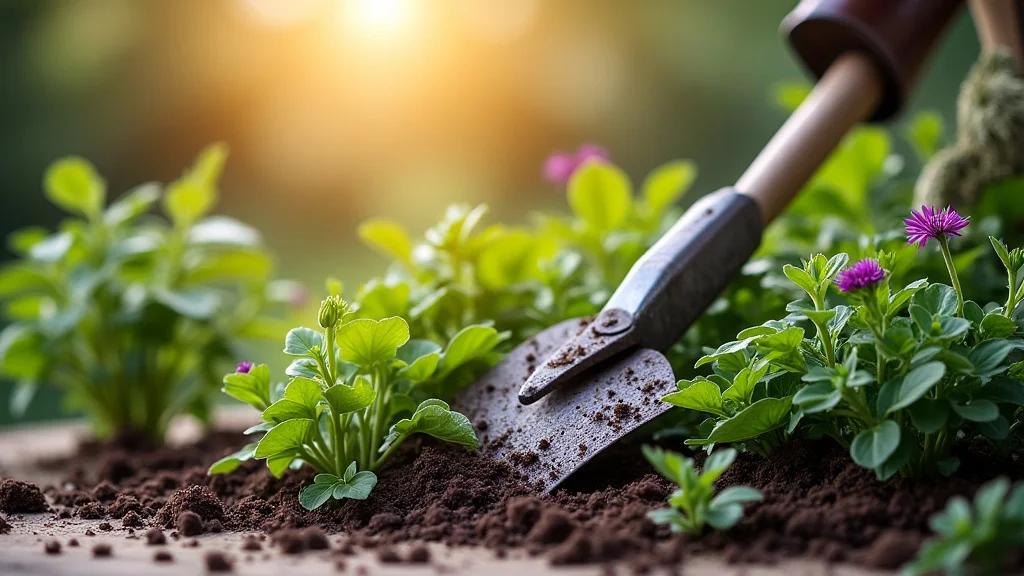
Remember that time your rose bushes decided to become a jungle overnight? Suddenly, you’re wrestling with overgrown branches, realizing your old clippers just won’t cut it. Or maybe you’re dreaming of a flourishing vegetable patch but lack the right tools. We’ve all been there! This guide helps you find the perfect gardening tools shop near me, ensuring you have everything you need to cultivate your green spaces. You’ll gain valuable knowledge about selecting the correct equipment and maximizing your gardening experience, improving your garden’s health and your own enjoyment. Get ready to transform your outdoor areas!
Key Takeaways
- Discover how to find the nearest and best gardening tools shop near me.
- Learn about the different types of gardening tools available and their uses.
- Understand factors to consider when selecting tools, like quality and material.
- Receive advice on maintaining your tools for long-lasting performance.
- Explore local shops to find specialized tools and advice.
- Gain tips on how to prepare for your shopping visit.
Locating the Perfect Gardening Tools Shop
The first step toward a thriving garden is finding a great gardening tools shop near me. This search can feel overwhelming, but several strategies can simplify it. From online searches to asking for personal suggestions, several approaches will lead you to the right place. Consider what is important for you: a big selection, local expertise, or perhaps the best prices. The process can be efficient, saving you time and money and setting you up for gardening success. Knowing where to go is half the battle!
Utilizing Online Search Engines
The internet is a powerful tool when searching for local businesses. Using search engines, like Google, is a great starting point. Simply type in “gardening tools shop near me” into the search bar, and you’ll immediately see a list of local shops, usually including maps and reviews. The search results typically display the shop’s address, contact information, hours of operation, and even photos of the store. Using Google Maps lets you visually identify nearby shops. This lets you quickly assess the distance and decide which ones are within a reasonable travel range.
- Refine Your Search: Add specific requirements to your search. For instance, if you are looking for a shop with organic gardening supplies, try “organic gardening tools shop near me.” This helps narrow your options and find shops that fit your requirements.
- Check Online Reviews: Before visiting a shop, reading online reviews is a great idea. Sites like Google Reviews, Yelp, and Facebook often have customer feedback. Reviews can provide insights into the shop’s quality, customer service, and product selection.
- Compare Shop Websites: Many gardening tools shops have websites that showcase their products, services, and any current promotions. Exploring these websites allows you to compare different shops, even before you make a visit.
Adding specific requirements helps narrow your options. For instance, include “organic” to locate shops that specialize in organic products. This can make the process faster and more targeted, saving you time. This precision helps prevent sorting through irrelevant search results.
Customer feedback is invaluable in making informed choices. When you explore the reviews, pay attention to the comments that mention service, quality, and overall experience. Reviews often highlight both positive and negative experiences, allowing you to gauge the shop’s reputation. This research can save you from a disappointing visit.
Websites provide a digital storefront, where you can explore the range of tools and brands. Compare prices, check availability, and read the shop’s terms and conditions. Many shops include store hours, directions, and contact information. These websites will usually give you a sense of the shop’s focus and the expertise it offers.
Asking for Recommendations
Often, the best way to find a great local shop is by word-of-mouth. Asking friends, neighbors, or fellow gardeners in your community can provide excellent leads. They can share their personal experiences, highlight the strengths of different shops, and provide valuable advice based on their own gardening adventures. Their insights can be more reliable than online reviews.
- Talk to Local Gardeners: Gardeners often have favorite shops where they find everything they need. They also have experience with different products and know which ones last. This first-hand advice can save you from costly mistakes.
- Join Gardening Groups: Joining a local gardening club or online forum is a fantastic way to connect with experienced gardeners. These groups often discuss local shops and offer recommendations. Discussions often focus on product quality and customer service, and the feedback is honest.
- Visit Local Nurseries and Garden Centers: Nurseries and garden centers usually stock gardening tools, and their staff are usually very knowledgeable. They can recommend shops that carry specialized tools or have expertise in certain gardening techniques.
Local gardeners often frequent shops they like and trust. They can give valuable details about products, prices, and even ongoing promotions. They can show you the best tools for the type of gardening you’re doing, whether it’s flowers, vegetables, or landscaping.
These groups are great for getting practical tips and insights from people with hands-on experience. Members are often happy to share their favorite places. Joining these groups also helps create a community of people that share interests, providing encouragement and support for your gardening efforts.
Nurseries and garden centers are great places to start, as the staff is experienced and passionate about gardening. They often have contacts with local tools shops and can provide information and recommendations. They might suggest shops that complement the plants and products they sell.
Essential Tools for Every Gardener
Having the correct tools makes gardening a pleasure. It is possible to select essential tools that will meet a broad range of gardening requirements. Understanding what tools are available and how they are used helps you choose what you require. Every gardener has distinct needs, so you can pick tools that best suit your gardening style.
Hand Tools for Basic Tasks
Hand tools are the heart of any gardener’s tool kit. These simple yet effective instruments help you carry out many basic gardening tasks, from planting to weeding. Investing in quality hand tools can enhance your gardening experience and make it less time-consuming. From trowels to hand forks, the right tools are essential to getting started.
- Trowel: A trowel is a small, hand-held tool with a curved blade and a handle. It is ideal for planting seedlings, transplanting small plants, and digging small holes. Choose a trowel made of stainless steel or carbon steel for durability.
- Hand Fork: This tool is a small, three- or four-tined fork used for loosening soil, removing weeds, and mixing compost. It is perfect for working in confined spaces. Opt for a hand fork with a solid handle that fits comfortably in your hand.
- Hand Weeder: A hand weeder, sometimes called a weeding knife, is a tool that removes weeds. These come in various styles. Some have a V-shaped blade for digging out weeds, while others have a pointed tip for precise weeding.
A trowel is one of the most frequently used tools in gardening. It makes planting and transplanting much easier. The shape of the blade lets you scoop up soil with precision, making it perfect for smaller tasks. Look for models with comfortable handles and strong construction for lasting use.
A hand fork is useful for tasks such as preparing soil beds and eliminating weeds. It is more delicate than a full-size fork. It’s especially useful for working in tight spaces, such as between plants. Selecting a tool with sturdy tines and a good handle will let you work efficiently and comfortably.
Hand weeders are essential for keeping your garden weed-free. They are excellent for removing weeds. Look for a weeder with a comfortable handle and a sturdy blade, which will make your work much easier. These tools allow you to remove weeds without disturbing the surrounding plants.
Larger Tools for More Extensive Work
As your garden grows, you’ll need larger tools for tasks. These tools help with bigger projects. They help in soil preparation, pruning, and other activities. Selecting the correct type will help increase efficiency and make the work go faster.
- Garden Fork: A garden fork has long, sturdy tines, ideal for turning over soil, mixing compost, and aerating the soil. It is more robust than a hand fork. Choose a garden fork with a long handle and strong tines made of steel.
- Spade: This tool has a flat blade. It is used for digging, edging, and moving soil. A good spade has a sharp, slightly curved blade, making it efficient for various tasks.
- Rake: Rakes come in different styles. They are essential for leveling soil, removing debris, and gathering leaves. A basic garden rake has a wide head with metal or plastic tines.
A garden fork is an essential tool for soil preparation. It can be used to break up clumps of soil, incorporate organic matter, and improve aeration. A garden fork makes it easier to work large areas in a shorter period. It is also suitable for lifting and moving plants.
A spade is essential for digging, edging, and moving large amounts of soil. The flat blade makes it ideal for cutting through roots, creating neat edges for flower beds, and removing sod. Consider your height when you choose a spade. Get one that suits your body for ease of use.
A rake is a versatile tool for various gardening tasks. A garden rake will assist in moving soil and smoothing surfaces. A leaf rake, on the other hand, is great for cleaning up leaves and other debris. Make sure to get a rake with a durable head and handle that is comfortable to hold.
Choosing the Right Tools: Quality, Materials, and More
Selecting the correct tools goes beyond just the type; the quality and material also play essential roles. Tools can impact your efficiency, the lifetime of your tools, and your enjoyment of gardening. A tool will be helpful if it is made to the correct specifications. Making informed decisions will help ensure you’re well-equipped for years of gardening.
Understanding Tool Materials
The materials that gardening tools are made of can have a major influence on their longevity and performance. The best materials will increase the tools’ lifespan and ease of use. Every material has advantages and disadvantages, so pick what suits your gardening requirements. Here is a look at the most used materials.
- Steel: Steel is a popular material for tool heads due to its durability and strength. Carbon steel is tough but can rust, so it needs to be maintained. Stainless steel is rust-resistant, making it a good choice for tools that will be exposed to moisture.
- Wood: Wood is a common material for handles because it is comfortable to hold and absorbs shock. Ash and hickory are typical choices for tool handles. They are tough and resistant to cracking. Choose handles made from sustainably harvested wood and have a smooth finish for grip.
- Plastic: Plastic is often used for handles and certain tool heads because it’s lightweight and inexpensive. It does not rust, making it a low-maintenance option. However, plastic tools may not be as durable as those made from metal or wood.
Steel tools are strong and can endure a lot of wear and tear. Carbon steel tools are effective at digging and cutting, but you need to take care of them. Stainless steel is a better choice if you want to avoid rust and require less upkeep. Look for tools with well-made steel heads that are securely attached to the handles.
Wood handles provide a comfortable grip, decreasing strain and fatigue during extended use. Wood also absorbs shock and vibrations. You should examine the type of wood and make sure it has been properly treated. This will extend the handle’s lifespan. Regularly inspect wood handles for cracks and splinters.
Plastic tools are a good choice if you’re on a budget or looking for lightweight options. They are rustproof and require little maintenance. However, plastic tools may not last as long as steel or wood tools, especially if they are exposed to harsh conditions. They are most suitable for lighter gardening duties.
Considering Tool Quality and Design
The quality of your gardening tools impacts both how effectively and efficiently you garden. Investing in quality tools will save you time and money. Look for tools designed for ease of use, durability, and comfort. Selecting well-made, durable tools that are simple to operate will make gardening more enjoyable.
- Check the Construction: Examine how well the tool is put together. Look at how the head is attached to the handle. Tools that have rivets or a solid connection will last longer. Make sure that the handles fit the tool heads and provide a secure grip.
- Assess the Handle: The handle is a key part of the tool. Select handles that fit your hand and are comfortable to hold. Wooden handles should be sanded smooth and free of splinters. Consider ergonomic designs that reduce strain and fatigue during prolonged use.
- Read Reviews: Online reviews can give information about a tool’s performance and durability. Customer reviews provide insights into how tools handle in real-world situations, offering you a better understanding of their pros and cons. They’ll also tell you about any potential issues.
Quality construction means the tool is built to last. Look for tools with solid joints, such as rivets or secure bolts, to ensure the tool won’t come apart under strain. Check the balance and weight. Good design incorporates ergonomics, such as comfort and ease of use.
The handle is more important than it appears. Look for handles made of durable materials that provide a secure grip, even when wet. Ergonomic handles are designed to fit the shape of your hand. They will reduce the strain and fatigue that can come from extended gardening activities.
Reviews can highlight tools that might have shortcomings you haven’t considered. They’ll show how the tool performs over time. They will often show tools that have broken or had other failures. When reading reviews, pay attention to the overall feedback, and focus on details about performance, durability, and customer service.
Tool Maintenance: Keeping Your Tools in Top Condition
Proper tool maintenance keeps your gardening tools working well and extends their lifespan. Regular care will help prevent damage from rust and wear, keeping your tools in good condition for many years. Regular upkeep, along with a few preventative steps, can make the difference.
Cleaning and Sharpening
Keeping your tools clean and sharp will help them work more efficiently and make your gardening tasks easier. Cleaning removes dirt and debris, preventing rust and preserving the tools. Sharpening keeps blades effective, making it easier to prune, dig, and cut through tough materials. These actions will maintain the quality of your tools.
- Clean After Each Use: Remove soil and debris from your tools after each use. A brush or a cloth can work for cleaning. This prevents rust and corrosion. Make this part of your post-gardening routine.
- Sharpen Blades Regularly: Keep blades sharp for optimal performance. Use a sharpening stone or a file to sharpen blades. The frequency depends on use, but regularly sharpening keeps tools effective.
- Lubricate Moving Parts: Keep moving parts, such as the hinges on pruning shears, well-lubricated. Apply a few drops of oil to the hinges after cleaning. This prevents rust and ensures smooth operation.
Removing dirt and debris will prevent the tools from rusting or corroding. Wipe down tools with a damp cloth or brush after each use. Pay special attention to blades and metal parts. This reduces the risk of dirt and moisture building up on your tools. Keeping your tools clean will save you time and effort.
Sharp blades make cutting and pruning easier. The frequency with which you sharpen your blades will depend on how often you use your tools and the type of material you’re cutting. Sharp blades ensure clean cuts, which promote plant health. Dull blades require more effort and can damage plants.
Lubricating moving parts ensures smooth, easy operation. It prevents friction and reduces wear, increasing the lifespan of your tools. A thin coat of oil will help prevent rust, keeping your tools in good working order. Use a small amount of oil, wiping away any excess.
Storage and Protection
Proper storage is essential to protect your tools from the weather and other elements. Using the right storage methods will safeguard them from damage, rust, and theft. The right storage will keep your tools in prime condition, ready for your next project. It also ensures they are easy to find and access.
- Store in a Dry Place: Keep your tools in a shed, garage, or other dry location. Moisture is a tool’s worst enemy, causing rust and corrosion. Keeping them dry prolongs their life.
- Hang Tools When Possible: Hanging tools on a wall or in a tool rack can make them easy to access and keep them organized. This reduces the risk of damage. Hanging tools also helps them dry completely.
- Use Protective Covers: Use tool covers or sheaths to protect sharp blades and edges. These covers prevent injuries. They also protect your tools from damage and help retain their sharpness.
Moisture can quickly lead to rust and damage, shortening the life of your tools. Store them in a shed or garage to keep them away from rain, snow, and humidity. If you do not have a covered area, protect tools with a waterproof cover or tool storage box.
Hanging tools keeps them out of the way. It prevents them from falling and becoming damaged. Hanging tools will improve organization and make it easier to find what you need. A well-organized storage system will also help you identify which tools need maintenance.
Protective covers will ensure safety and protect sharp blades from damage. Covers also prevent accidental cuts or injuries during storage and transport. Make sure the covers fit your tools correctly. They’re a simple way to extend the life of your tools and keep them in prime condition.
Specialized Tools and Where to Find Them
Beyond the fundamental tools, specialized tools are essential for specific gardening tasks. These tools assist with specific requirements and can considerably enhance your results. The specialized tools can be found in gardening tools shops that focus on certain niches.
Specialty Shops vs. General Stores
The choice between a specialty shop and a general store depends on your individual needs and requirements. Specialty shops offer unique products, expert advice, and personalized service. General stores provide convenience and a wider array of products. Understanding the differences between these types of shops can help you make the best choice.
- Specialty Shops: These shops focus on gardening tools and supplies. They often carry a broad selection of specialized tools, organic fertilizers, and unique gardening items. Staff members often have in-depth knowledge and can provide detailed advice.
- General Stores: These stores include hardware stores, home improvement stores, and large chain retailers. They usually carry a selection of gardening tools along with many other products. They are often more convenient because they have a broad range of products.
- Online Retailers: Online retailers can provide a wide variety of gardening tools and supplies. They often have competitive prices and offer the convenience of shopping from home. The selection can be extensive, and you can compare products and read reviews easily.
Specialty shops often provide items and services not available elsewhere. They are great for finding unique items. Their knowledge and expertise can be invaluable, especially if you have particular gardening needs or concerns. Specialty shops can offer personalized solutions.
General stores are convenient and often have attractive prices, especially on common gardening tools. You can find everything from tools to pots to fertilizer. They may not have the expertise or specialized products. They’re often a great choice for basic gardening essentials.
Online retailers offer many advantages, including access to a larger selection of products and the convenience of home delivery. They have competitive prices, and their websites have detailed product descriptions, specifications, and customer reviews. This can simplify your shopping experience.
Locating Specific Tools
Finding specialized tools requires some research. Specialty gardening tools shops are more likely to have the tools you’re looking for. Knowing what you want and where to find it will save you time and help you create the garden you desire.
- Consider Local Nurseries and Garden Centers: These locations are likely to stock specialized tools that match their plant offerings. The staff can offer guidance on tools.
- Search Online Marketplaces: Websites like Etsy and specialized online gardening shops are great places to find unique and specialized tools. These platforms offer a vast array of tools.
- Ask for Recommendations: Seek advice from other gardeners or gardening groups to find sources for specialized tools. Experienced gardeners can provide valuable insights on the best tools.
Local nurseries and garden centers understand the specific requirements of your climate. They can suggest appropriate tools for the plants they sell. These places can be good resources for particular gardening needs.
You can discover hard-to-find and specialized tools. Online marketplaces will connect you with artisans and small businesses that focus on gardening tools. You can compare different tools and find the best choices.
Talking to other gardeners can yield important insights and tips. They will have firsthand experience with a wide variety of tools. They can help you discover shops and tools you might not know about.
Preparing for Your Gardening Tools Shopping Trip
Being ready before you go shopping will make the experience enjoyable and help you make better decisions. Knowing what you require, doing your study, and setting a budget are all critical to an enjoyable shopping experience. Being prepared prevents impulse purchases and guarantees you’ll find the appropriate tools to help your garden thrive.
Making a Shopping List
Making a list will keep you focused and help you get the most out of your shopping trip. Understanding what you need before you go shopping prevents impulse buys and ensures you purchase the right tools for your gardening projects. A good list guarantees you’re well-equipped to manage your garden.
- Assess Your Needs: Before you make your shopping list, consider your current gardening tasks and upcoming projects. Consider what you are currently using and if you require anything more. Think about the size and layout of your garden and the types of plants.
- Research Tools: Once you know your requirements, research the tools you need. Explore different brands, read reviews, and compare prices. Learning about the tools will allow you to make the right choices when you’re at the shop.
- List Specifics: Your shopping list should include specific tools and their features. Note sizes, materials, and other specifications. For example, if you need pruning shears, note the size, blade type, and preferred handle material.
Taking an inventory of your current tools will help you identify what you already have. This is a great starting point for preparing a list. Think about whether you require more tools, replacements for damaged items, or new tools for new endeavors. By knowing your gardening needs, you can create a detailed list.
Research gives you a better idea of what to expect. It helps you understand the different features and specifications of various tools. Reading reviews and comparing prices will help you get the most from your investment. This research prevents wasting money on unsuitable tools.
Specificity makes your shopping trip more effective. Having a clear idea of what you want will help you choose the best tools. Including details ensures you choose tools that meet your requirements. This eliminates confusion and helps you make a purchase.
Setting a Budget and Comparing Prices
Setting a budget and comparing prices will help you to manage your spending and get the most value for your money. Gardening tools are available at various prices. Understanding your budget and comparing costs will help you choose the proper tools while staying within your financial limits.
- Determine Your Spending Limit: Decide how much money you can spend on tools. Consider the scope of your projects and the importance of having new tools. Setting a budget helps you keep control of your spending.
- Compare Prices: Compare costs among different shops and brands. Online shopping lets you easily compare prices. Check for sales, discounts, and promotions.
- Consider the Long-Term Costs: Think about the long-term cost. While a lower price may seem appealing at first, a tool of lower quality may not last long. Invest in quality tools to save time and money.
A budget will prevent overspending and help you focus on your priorities. Look at your financial resources. This budget will help you to prioritize your tool purchases and make informed decisions based on your financial limits. When establishing your budget, consider all your gardening expenses.
Comparing prices helps you make the most of your budget. Different stores and brands will have different price points. Online shopping lets you explore many options and read reviews. Looking for promotions and discounts can save you money. Comparing prices helps you find the best value.
Quality tools may cost more upfront, but they will last longer, saving you money in the long run. They will perform better and prevent problems and expenses. Look for warranties and reviews to assess the value and longevity of a tool. This includes thinking about maintenance and repair costs.
Frequently Asked Questions
Question: Where can I find a gardening tools shop near me?
Answer: Use online search engines like Google, check online reviews on sites like Yelp and Facebook, and ask for recommendations from local gardeners.
Question: What are the essential hand tools for a gardener?
Answer: Trowel, hand fork, and hand weeder are essential for planting, weeding, and general tasks.
Question: What materials are commonly used to make gardening tools?
Answer: Steel, wood, and plastic are common, with steel being durable, wood offering comfort, and plastic providing lightweight, low-cost options.
Question: How do I maintain my gardening tools?
Answer: Clean tools after use, sharpen blades regularly, lubricate moving parts, and store them properly in a dry place.
Question: Where can I find specialized gardening tools?
Answer: Specialty shops, local nurseries and garden centers, and online marketplaces like Etsy often carry specialized tools.
Final Thoughts
Finding a gardening tools shop near me that meets your specific needs is a great first step towards cultivating your dream garden. Now that you’ve explored how to locate the best shops, understand the key tools, and learn about their maintenance, you’re better equipped to start or expand your gardening endeavors. The process may seem daunting, but with the right information and approach, it becomes a simple and satisfying task. Remember the tips, from online searches and recommendations to tool quality and upkeep. Selecting the right tools and caring for them will maximize your efforts and ensure a thriving garden for years to come. So, go out there, explore your local shops, and get ready to get your hands dirty!