
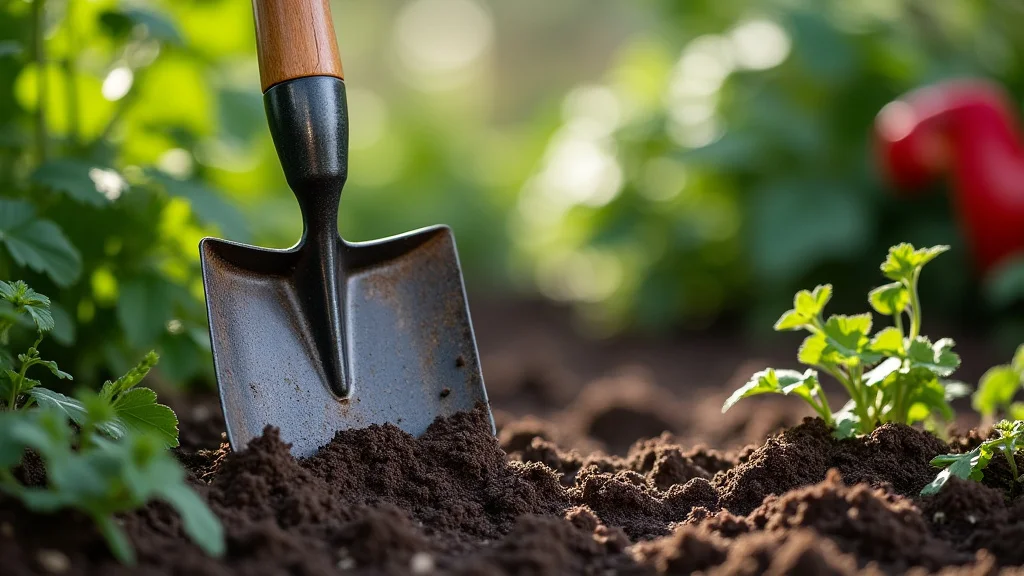
Remember that time your dad tried to plant a rose bush with a flimsy toy trowel? It didn’t go well. The soil was too compacted, the roots got tangled, and the whole operation ended up a muddy mess. That’s a lesson everyone learns: having the right gardening tools shovel is essential. This guide will help you sort through the options, explore what makes a great shovel, and show you how to choose the perfect one for your garden. You’ll gain a solid grasp of shovel types, materials, and techniques, empowering you to tackle any gardening project with confidence. By the end, you’ll be digging like a pro, improving your gardening skills, and getting the most out of your outdoor space. Let’s get started!
Key Takeaways
- Explore various types of gardening tools shovel, from the classic spade to the specialized transplanting shovel.
- Discover the benefits of different handle materials and blade constructions.
- Learn about essential shovel features and how they impact performance.
- Understand how to choose the right shovel for specific gardening tasks and soil conditions.
- Find tips on how to properly use and care for your shovel to extend its lifespan.
- Uncover tips on how to safely store your gardening tools shovel.
Understanding the Different Types of Gardening Tools Shovel
The world of gardening tools shovel can seem vast, but knowing the basic types simplifies your search. Each shovel is crafted for a specific purpose, offering unique benefits. From general digging to precise planting, there’s a shovel designed to make your gardening tasks easier and more efficient. Selecting the right type based on your needs is the first step toward successful gardening, helping you avoid unnecessary strain and ensuring your plants thrive. It also helps you work more efficiently and enjoy your time in the garden.
The Spade: The Classic Digging Shovel
The spade is the workhorse of the gardening world, recognized for its flat, rectangular blade and straight sides. This gardening tools shovel is ideal for digging neat trenches, edging lawns, and turning over soil. The flat blade makes it suitable for slicing through sod and making clean cuts. Spades typically have a sturdy handle, often made of wood or fiberglass, providing the necessary leverage for breaking ground. A good spade is a must-have for any gardener dealing with a new garden bed or needing to perform general soil work. It’s a fundamental tool.
- Digging and Turning Soil: Spades excel at breaking ground, making them ideal for initial garden bed preparation. The flat blade and sharp edge cut through the soil effectively.
- Edging Lawns and Borders: The sharp, flat blade makes spades perfect for creating clean edges around lawns and garden beds. They can cut through grass and roots, creating precise lines.
- Transplanting Small Plants: Though not its primary function, a spade can also be used to remove small plants from the ground, especially if they have compact root systems.
The spade’s design allows for efficient soil turning, mixing organic matter, and creating a well-aerated environment for plant roots to grow. This is critical for healthy plant development. For example, if you’re establishing a vegetable garden, a spade will be your go-to tool for turning over the soil and incorporating compost. This step helps create a fertile base for your plants.
This task enhances the aesthetic appeal of your garden, giving it a neat, well-maintained look. Using a spade to edge a lawn can prevent grass from creeping into flowerbeds, reducing maintenance. Using a spade, you create a defined separation, keeping the garden tidy and preventing unwanted growth. This adds to the overall beauty of your landscape.
This can be helpful when thinning seedlings or moving young plants to new locations. The flat blade allows you to lift the plant with a good amount of soil, which reduces shock to the plant. This is particularly useful when relocating annuals or perennials. It’s not the ideal tool, but in a pinch, it can do the job.
The Round-Point Shovel: The General-Purpose Digging Tool
The round-point shovel is a versatile tool with a curved blade and a pointed end. This gardening tools shovel is suited for various tasks, including digging holes, moving loose materials, and general earthmoving. Its rounded shape allows for easier penetration into the soil, particularly beneficial in tough or compacted areas. The round-point shovel is a staple in most gardens, offering a good balance of digging power and versatility. It is excellent for tasks ranging from planting to moving soil.
- Digging Holes for Planting: The pointed blade penetrates the soil easily, making it great for planting trees, shrubs, and other plants. The curved shape helps you scoop out soil efficiently.
- Moving Loose Materials: The curved blade is suitable for scooping and moving materials such as soil, mulch, and gravel. It is especially great for transferring materials around your garden.
- Breaking Up Clods and Compacted Soil: While not the primary function, the pointed end can be used to break up clods and loosen compacted soil. This can be helpful before planting or preparing a new garden bed.
When planting trees, a round-point shovel allows you to dig a hole that is deep and wide enough to accommodate the root ball. This ensures the roots have plenty of space to grow. It is especially useful for digging in clay soil, where the pointed tip helps break through compacted areas.
Whether you’re spreading mulch around your plants or filling a wheelbarrow with soil, the round-point shovel makes this task efficient. It’s also useful for grading and leveling areas, creating a smooth surface for your garden beds. The rounded shape helps hold materials, preventing spillage during the transfer.
This action helps improve soil aeration and drainage. By breaking up compacted soil, you create a better environment for plant roots. After using the round-point shovel to break up the soil, you can use a rake to level the surface, preparing it for planting.
The Trenching Shovel: For Narrow Digging
The trenching shovel, also known as a drain spade, is designed with a narrow, slightly curved blade. This gardening tools shovel is perfect for digging narrow trenches for irrigation pipes, drainage systems, or planting rows. The narrow design makes it easier to cut through the soil and create precise trenches, even in hard-packed ground. It allows for the accurate creation of trenches without disturbing the surrounding soil, making it valuable for specific garden projects.
- Digging Trenches for Irrigation: The narrow blade is ideal for creating trenches for irrigation systems. It cuts through the soil efficiently and minimizes disturbance to the surrounding area.
- Planting Rows of Seeds: The narrow blade can be used to create planting rows for vegetables or flowers. It provides the required depth and precision for seed placement.
- Installing Drainage Systems: The trenching shovel is beneficial for installing drainage systems. Its ability to dig narrow, clean trenches makes it useful for placing drainage pipes.
Creating trenches for irrigation ensures that water reaches the roots of your plants. It prevents water from pooling on the surface. You can bury irrigation pipes safely and effectively. Using a trenching shovel can streamline this process.
Planting rows improves the overall appearance of your garden. It simplifies weeding and other maintenance tasks. You can achieve consistent spacing, which is critical for plant health. This precision leads to a more organized and productive garden.
This function is vital for preventing waterlogging and protecting your plants. The trenching shovel’s precision ensures pipes are correctly positioned. It promotes healthy root systems and reduces the risk of soil erosion. It’s a crucial tool for proper drainage.
Materials and Features of Gardening Tools Shovel
The build of your gardening tools shovel affects how well it functions and its lifespan. Selecting the right materials and design features ensures the tool is comfortable to use and well-suited for your gardening tasks. From the blade material to the handle design, each element plays a role in the shovel’s overall performance. This is important to consider before purchasing a new shovel.
Blade Materials
The blade’s material is key to its durability, sharpness, and overall performance. The most common materials include carbon steel and stainless steel, each with its advantages. Considering the soil type and how often you will use the shovel should influence your decision.
- Carbon Steel Blades: Carbon steel blades are known for their strength and ability to withstand wear. They provide excellent cutting power and can handle tough tasks.
- Stainless Steel Blades: Stainless steel blades offer rust resistance, making them a great option for gardeners living in areas with high humidity. They are also easy to clean.
- Other Blade Materials: Some shovels have blades made of boron steel or are coated with special materials for added durability and rust resistance.
These blades are ideal for general digging and for use in rocky or hard-packed soil. They are easier to sharpen. However, carbon steel blades are susceptible to rust, so it is important to clean and dry them. You can use a rust protectant to maintain them properly.
These blades have a polished look. They may not be as tough as carbon steel, but are still suitable for most gardening tasks. While stainless steel blades may not be as hard as carbon steel, they still provide good cutting power. They also require less maintenance because they won’t rust.
Boron steel offers exceptional strength. Coatings such as powder coats may protect against rust. These shovels may be more expensive, but they offer increased performance and lifespan. These are usually the types of shovels that professionals use.
Handle Materials
The handle material impacts the shovel’s comfort, balance, and durability. Choosing the right material ensures a comfortable grip and helps you work for extended periods without fatigue. The most common handle options are wood, fiberglass, and steel. Selecting the right handle can make your gardening experience more enjoyable.
- Wood Handles: Wood handles, often made of ash or hickory, offer good shock absorption. They are comfortable to hold and provide a classic feel.
- Fiberglass Handles: Fiberglass handles are known for their strength and durability. They are resistant to weather and will not rot or splinter.
- Steel Handles: Steel handles are incredibly strong and designed for heavy-duty use. They are best for tasks that demand strength and precision.
Wood handles can bend and flex slightly, which can absorb some of the impact. The natural feel of wood is preferred by many gardeners. With proper care, wood handles can last for a long time. It is crucial to prevent water damage to maintain the handle.
Fiberglass handles are lightweight. They provide good shock absorption. They are an ideal choice if the shovel will be used in wet environments or if durability is a priority. This makes it a great choice for long-term use.
They can withstand significant force. Steel handles are often coated to protect against rust. They may transfer more vibration than wood or fiberglass. They are excellent for the gardener looking for a tool that can take a beating.
Shovel Features
Certain features can enhance the gardening tools shovel performance. These features can improve your digging efficiency and reduce strain. These features are designed to improve the user experience and the shovel’s usefulness. These features are important to consider when selecting a shovel. They can make a difference in how enjoyable and effective your gardening experience is.
- D-Grip Handles: D-grip handles are known for providing a comfortable and secure grip. They are great when lifting and moving soil.
- Ergonomic Handles: Ergonomic handles are designed to reduce strain and improve comfort. They have angled or curved designs.
- Sharpened Blades: Sharpened edges can greatly increase the efficiency of digging and cutting through roots. Sharpened blades make the work easier.
The D-grip design is beneficial for tasks that require a lot of scooping and lifting. It provides excellent control and reduces the strain on your hands. This handle type is particularly useful for tasks like moving soil or compost, or digging in tight spaces.
These handles help reduce stress on your back and shoulders. Ergonomic shovels are ideal for gardeners who spend long hours in the garden. They promote a more natural posture, which can help prevent fatigue and injury. This is a good choice for someone with back problems.
A sharp blade helps you cut through soil and roots with less effort. This is essential if you’re working in compacted soil. Sharpened edges can speed up the digging process. You can keep the blade sharp with a file.
Choosing the Right Shovel for Your Gardening Needs
Selecting the right gardening tools shovel depends on your specific gardening tasks and the soil conditions in your area. Considering these factors ensures you choose a tool that will be effective and comfortable to use. Different gardens and soil types call for different shovel types. Understanding these variables can save you time and effort.
Matching Shovels to Tasks
Different tasks require different shovels. Recognizing the purpose of each type of shovel helps you select the right tool for the job. This not only makes the work easier but can also prevent you from damaging your plants or overworking yourself.
- Planting: Use a round-point shovel for planting trees and shrubs. The pointed blade makes it easier to dig holes.
- Digging Trenches: A trenching shovel, with its narrow blade, is the best choice for digging trenches for irrigation.
- Moving Soil and Mulch: A round-point shovel is well-suited for moving soil and mulch around your garden.
- Edging Lawns and Borders: Use a spade to create clean lines along your lawn and garden borders.
The round-point shovel is especially useful for planting trees and shrubs. It allows for creating holes that are big enough to house the roots. Its curved shape also helps you scoop out the soil efficiently.
This shovel makes digging trenches easier. This will minimize disruption to surrounding plants and soil. Its narrow design helps make precise cuts.
The curved blade is great for scooping and moving materials. It is a workhorse for spreading mulch. It helps keep your garden neat and tidy.
The flat blade is ideal for making clean cuts. It prevents grass from creeping into flowerbeds. It provides an overall clean look.
Considering Soil Conditions
The type of soil in your garden is important when choosing a shovel. The tool’s effectiveness and your effort depend on the soil conditions. Knowing the soil type and how it affects the digging process is key to selecting the right shovel.
- Clay Soil: Choose a shovel with a sharp, pointed blade, such as a round-point shovel or a spade. This helps you penetrate and break through the compacted clay.
- Sandy Soil: A shovel with a wider blade, like a spade or a round-point shovel, is better for sandy soil. The wider blade makes scooping and moving the soil easier.
- Rocky Soil: Choose a shovel with a sturdy blade and handle to handle rocks. A round-point shovel can work if the rocks are not too big.
Clay soil is dense and can be difficult to dig in. A sharp, pointed blade allows you to dig through the clay more efficiently. Consider a shovel with a sturdy handle for extra leverage.
Sandy soil tends to be loose and can be difficult to hold with a narrow blade. A wider blade prevents the soil from spilling. This is more efficient for moving soil.
Rocky soil can be tough on tools. A sturdy shovel will minimize the risk of bending the blade. A heavier shovel might be required to move through rocky soil.
Shovel Size and Weight
Choosing the right shovel size and weight is key. Finding the shovel that fits your height and strength makes gardening tasks more comfortable and efficient. An ill-fitting shovel can lead to strain, while the right one reduces effort and improves the gardening experience.
- Handle Length: Select a handle length that allows you to work in an upright position. A handle that’s too short can make you bend over. One that’s too long can reduce control.
- Blade Size: Choose a blade size that’s suitable for your tasks. A larger blade is great for moving large amounts of soil. A smaller blade is easier to maneuver in tight spaces.
- Shovel Weight: Consider the weight of the shovel. Lighter shovels are easier to manage, especially for extended use. Heavier shovels offer more digging power.
You want a handle that suits your height. This helps prevent back strain. It gives you good leverage and makes digging easier.
A larger blade will help for moving large amounts of soil. Smaller blades are great for precise work. Choose the blade size based on the type of work you will do most often.
A lighter shovel is a better option if you’re working for long periods. A heavier shovel can provide more leverage. Choose a weight that’s comfortable for you.
Using and Maintaining Your Gardening Tools Shovel
Taking care of your gardening tools shovel will extend its lifespan and maintain its efficiency. Proper use and storage will help the shovel perform at its best, season after season. Taking good care of your shovel will benefit both you and your garden.
Proper Shovel Techniques
Using your shovel correctly reduces strain and makes gardening tasks easier. Correct techniques include proper posture, efficient digging, and avoiding common mistakes. Learning these techniques helps you work more effectively and reduces the risk of injury. Taking a few extra steps will maximize your effort and minimize the strain on your body.
- Correct Posture: Stand with your feet shoulder-width apart. Keep your back straight, and bend at your knees. This reduces strain.
- Digging Technique: Drive the blade into the soil with your foot, using your body weight to help. Then, lift the soil.
- Avoiding Common Mistakes: Avoid twisting your back. Do not overload the shovel. Take breaks to prevent fatigue.
Maintaining good posture is essential for preventing back pain. Good posture keeps you balanced. It allows you to use your body’s strength to do the work.
Use your foot to push the blade into the soil. This prevents you from overworking your back. Lift the soil by bending at the knees, not the back.
Twisting your back can lead to injury. Overloading the shovel makes it hard to lift the soil. Regular breaks allow your body to recover.
Cleaning and Sharpening
Regular maintenance ensures your gardening tools shovel is in prime condition. Cleaning and sharpening the shovel after each use keeps it efficient and helps prevent rust. These simple steps increase your shovel’s longevity and performance. Caring for your shovel is like caring for any tool; it keeps things running smoothly.
- Cleaning: After use, remove dirt and debris from the blade. Wash the blade with water and soap if needed.
- Sharpening: Use a file or grinder to sharpen the blade. Sharpen the edge at the correct angle.
- Rust Prevention: After cleaning and drying the shovel, apply a rust protectant to the blade. Store the shovel in a dry place.
Use a wire brush to remove stuck-on soil. Cleaning your shovel prevents rust and makes it easier to sharpen. This simple step keeps your shovel in good condition.
A sharp blade cuts through the soil with ease. Sharpen your blade when it starts to feel dull. Sharpening the shovel regularly helps with work efficiency.
Rust can damage the blade and reduce its lifespan. Rust prevention will extend the life of your tool. Proper storage keeps your tools ready for use.
Storage and Care
Correct storage ensures the shovel remains in good condition. Storing your shovel properly protects it from the elements and prolongs its lifespan. Follow these steps to maximize your investment and have a shovel ready to go at any time.
- Storage Location: Store the shovel in a dry location, such as a shed or garage. This reduces the risk of rust.
- Handle Care: If you have a wooden handle, apply linseed oil or a similar product to prevent it from drying out and cracking.
- Seasonal Maintenance: Inspect your shovel before each gardening season. Repair or replace any damaged parts.
Protect your shovel from rain, snow, and extreme temperatures. These elements can damage the blade and handle. Choose a location where the shovel will be protected.
Protecting the handle keeps it in good condition. Regular oiling helps maintain its feel and performance. Take care of the handle, and it will last for a long time.
A quick inspection can prevent minor issues from becoming major problems. Regular maintenance ensures that your shovel will be ready for the season. Taking the time to care for your shovel guarantees its readiness.
Frequently Asked Questions
Question: What is the best shovel for digging in clay soil?
Answer: A shovel with a sharp, pointed blade, such as a round-point shovel or a spade, is best for digging in clay soil. The pointed blade makes it easier to penetrate and break through the compacted clay.
Question: How often should I sharpen my shovel?
Answer: Sharpen your shovel when it starts to feel dull, which depends on how often you use it and the soil conditions. Inspect the blade regularly and sharpen it as needed to maintain its cutting efficiency.
Question: Can I use a shovel for tasks other than digging?
Answer: Yes, you can use a shovel for moving loose materials, edging lawns, and transplanting small plants, but always match the shovel to the task. Using the right tool for the job makes your work more efficient and protects both your plants and yourself.
Question: How do I prevent my shovel from rusting?
Answer: Clean and dry your shovel after each use. Apply a rust protectant to the blade, and store the shovel in a dry place, such as a shed or garage, to prevent rust.
Question: What’s the best way to clean a shovel?
Answer: After use, remove dirt and debris from the blade with a brush. Wash the blade with water and soap. Always dry the shovel thoroughly to prevent rust.
Final Thoughts
Choosing the right gardening tools shovel is a cornerstone of a well-maintained garden. By exploring the various types, understanding blade and handle materials, and considering specific features, you are prepared to choose the perfect shovel for your needs. Remember to match your shovel to the task at hand and to the conditions of your soil. Using proper techniques and maintaining your shovel through regular cleaning, sharpening, and storage will help ensure its longevity and performance, enhancing your gardening experience. Don’t be afraid to experiment, explore, and find the perfect tool that fits your style and garden’s demands. Now, go out there, grab your shovel, and start digging your way to a thriving, beautiful garden!