
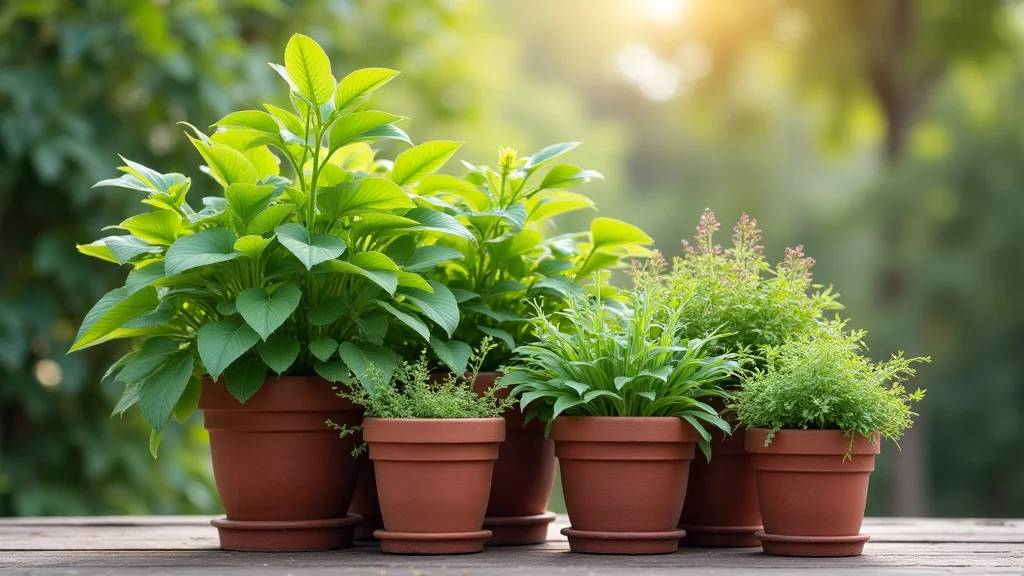
Remember that time your prized petunias just wilted, despite your best efforts? It’s frustrating! It probably wasn’t your fault – sometimes, you just need the right gear. That’s where the right tools gardening of planters come in. This guide will help you select the best tools to nurture your plants, from a small balcony garden to a sprawling backyard oasis. You’ll learn what you absolutely need, plus some helpful extras that make gardening easier and more enjoyable. You’ll become a planter pro! Get ready to explore the essential tools to make your gardening dreams a reality.
Key Takeaways
- Discover the essential hand tools for planting and maintaining your planter gardens.
- Learn how to choose the best watering solutions for your specific plants and planters.
- Explore different soil types and tools needed for preparing the perfect planting mix.
- Understand the importance of pruning and trimming tools to keep your plants healthy.
- Find out about optional tools that can enhance your gardening experience.
- Gain tips on how to properly maintain and store your gardening tools.
Essential Tools Gardening of Planters
Creating a beautiful and flourishing planter garden doesn’t require a mountain of equipment. The core of any successful garden lies in a few well-chosen hand tools. These are the workhorses that will help you prepare soil, plant seeds or seedlings, and provide ongoing care. Investing in quality tools will save you time and energy. Plus, they will last much longer than cheap alternatives. Let’s explore the essential tools gardening of planters every gardener needs to get started.
Hand Trowel
The hand trowel is one of the most indispensable tools in any gardener’s arsenal. It’s a small, handheld shovel, typically with a slightly curved blade and a comfortable handle. Its primary function is for digging small holes for planting seedlings, transplanting plants, and scooping up soil. When selecting a hand trowel, seek out one made from durable stainless steel or hardened carbon steel. These materials are rust-resistant and will withstand frequent use. Consider the handle – a rubberized grip can offer more comfort and control, especially during extended gardening sessions. A well-designed trowel will become an extension of your hand, making the planting process easier and more enjoyable.
- Digging Holes: The primary function is to create holes for planting.
- Transplanting: Allows you to carefully move young plants from one place to another.
- Weeding: Handy for removing small weeds from tight spaces.
- Scooping and Moving Soil: Useful for moving soil or compost.
Consider this real-life example: A gardener needs to transplant a delicate herb from a small pot to a larger planter. Using a hand trowel, they gently loosen the soil around the plant’s roots, lift it carefully, and create a hole in the new planter. The gardener then places the herb in the hole and fills in the surrounding soil. This ensures minimal root disturbance and a successful transplant.
Hand Fork
The hand fork complements the trowel perfectly. It’s typically a small, three- or four-pronged tool used for loosening and aerating soil. Unlike a trowel, the hand fork isn’t designed for digging large holes. Instead, it’s perfect for breaking up clumps of soil, mixing in compost or other amendments, and removing small stones or debris. A hand fork is very valuable for working in tight spaces. Choose a hand fork with tines made from sturdy metal and a handle that fits comfortably in your hand. The tines should be strong enough to penetrate compacted soil without bending. The hand fork helps to create an environment where plant roots can thrive.
- Soil Aeration: Helps the soil to breathe.
- Mixing Amendments: Good for mixing compost or fertilizers into the soil.
- Weed Removal: You can use it to lift small weeds.
- Soil Preparation: Prepares the soil for planting.
A gardener is preparing a planter for a new season. The soil feels compacted and dense after the winter. Using a hand fork, the gardener gently loosens the soil, breaking up clumps and incorporating some fresh compost. This process improves drainage and allows roots to easily spread.
Hand Weeder
Weeds are the bane of every gardener’s existence. A good hand weeder is essential for keeping your planters clean and your plants healthy. These tools come in various designs, from simple, narrow blades to specialized forks and hooks. The key is to find one that allows you to easily reach and remove weeds, including their roots. Look for a weeder with a comfortable handle and a blade or fork made from durable steel. A sharp, narrow blade is especially helpful for getting under the roots of tenacious weeds like dandelions.
- Weed Removal: Removing weeds from your planters.
- Root Removal: Getting the whole weed, root and all.
- Precision Work: Can get in between plants.
- Easy Handling: Designed for comfort and efficiency.
A gardener notices a few weeds sprouting around the base of their favorite flowers. Using a hand weeder with a narrow blade, the gardener carefully digs around each weed, loosening the soil and extracting the entire root system. The gardener carefully removes any remaining root fragments to prevent regrowth.
Watering Solutions for Your Planters
Proper watering is critical to the health and vitality of your plants. Your choice of watering method will depend on factors like the size and location of your planters, the types of plants you’re growing, and your personal preferences. There are various options, each with its own advantages and disadvantages. Let’s review the main watering methods and what tools gardening of planters are most helpful in each case.
Watering Can
The watering can is a classic for a reason. It’s a simple, portable, and versatile tool that allows you to control the amount and placement of water. Watering cans come in different sizes, from small ones ideal for indoor plants to larger models suited for outdoor planters. Look for a watering can made from durable plastic or galvanized steel. Consider the spout: a rose (the perforated head) provides a gentle shower-like flow, ideal for delicate plants and seedlings. You may want to choose a model with a long spout so you can water your plants directly.
- Targeted Watering: Good for giving water right where it’s needed.
- Gentle Application: Good for delicate plants or seedlings.
- Easy to Use: Watering cans are straightforward to operate.
- Portable: You can take them wherever you garden.
A gardener has a collection of potted herbs on their patio. Using a watering can with a rose, they carefully water each plant. They make sure the water is going directly to the roots. They avoid getting water on the leaves to prevent potential fungal diseases.
Garden Hose with Sprayer Nozzle
A garden hose with a sprayer nozzle offers flexibility and convenience, especially for larger planters or gardens. You can quickly water a large area. Sprayer nozzles come with various settings, from a gentle shower to a powerful jet. Choose a nozzle with several settings so you can adjust the water flow to suit different plants and watering needs. Look for a hose made from durable, kink-resistant material. A good hose will withstand the wear and tear of being dragged around the garden. The length of the hose is important. Buy one long enough to reach all your planters.
- Coverage: The main advantage is the ability to cover a large area.
- Adjustable Settings: Choose from many water patterns.
- Efficiency: Get lots of water where you need it.
- Convenience: The hose is quick and easy to set up.
A gardener has several large planters filled with colorful annuals. Using a garden hose with a shower setting, the gardener waters the plants evenly, ensuring the water reaches the roots and avoiding damage to the delicate blooms.
Self-Watering Planters
Self-watering planters are a popular solution for people who may forget to water or are looking for low-maintenance options. These planters have a built-in reservoir that stores water. A wick or other system delivers water to the soil as needed. Self-watering planters are especially helpful for plants that like consistent moisture. The main downside is that they require regular refilling of the reservoir and are typically more expensive than standard planters. They are often made of plastic, but you can find more decorative options made from materials like ceramic or terracotta.
- Reduced Watering Frequency: They require less frequent watering.
- Consistent Moisture: Ensures that the plants get the proper amount of water.
- Convenience: Simple to set up and use.
- Various Designs: Many different styles and sizes.
A gardener is going on vacation for a week but wants to keep their indoor plants alive. They fill the reservoir of their self-watering planters. This way, the plants can get water while they’re away.
Soil Preparation and Planting Tools
Preparing the soil correctly is the base of a thriving garden. The right soil provides the nutrients, drainage, and aeration your plants need. You’ll need specific tools gardening of planters. Let’s examine some of the key tools and techniques for preparing the soil for planting.
Garden Hoe
A garden hoe is a long-handled tool with a flat, blade-like head used for various tasks, including breaking up soil clods, weeding, and creating rows for planting. It is especially useful for preparing larger planter beds or larger gardens. The design of the hoe head can vary. A draw hoe is designed to pull soil towards the user. A scuffle hoe has a blade that slices through the soil. You’ll also use this tool to clear weeds and level the surface. You’ll want to choose a hoe that’s the right size and weight for your strength and the size of your garden.
- Soil Preparation: Leveling and breaking up the soil.
- Weeding: Good for getting rid of big weeds.
- Row Creation: Can create rows for planting seeds.
- Surface Cleaning: Remove debris and trash.
A gardener is getting ready to plant vegetables in a raised bed. Using a garden hoe, they first break up the soil clumps and level the surface. Then, they use the hoe to create neat rows for planting seeds.
Soil Scoop
A soil scoop is a small, handheld shovel designed for scooping and moving soil, compost, or other materials. It’s an important tool for filling planters, mixing soil, and applying amendments. Soil scoops come in various sizes and materials, including plastic and metal. A scoop with a wide mouth and a comfortable handle is a plus. A sturdy metal scoop is likely to last longer. Look for a scoop that is easy to clean.
- Soil Transfer: Scoop and move soil, compost, etc.
- Precise Measurement: Helps measure and control soil volume.
- Mixing Materials: For blending soil and amendments.
- Filling Planters: Can fill planters neatly and efficiently.
A gardener is repotting a large plant. They use a soil scoop to add fresh potting mix to the new planter, ensuring the plant has enough support. They carefully measure out the soil to give the plant the proper environment to thrive.
Soil Sieve
A soil sieve is a tool with a mesh screen that separates coarse materials, such as rocks and debris, from the soil. This tool is valuable for refining soil texture, removing stones, and creating a finer planting medium, especially for starting seeds or growing plants that prefer well-drained soil. Soil sieves come in various sizes and mesh sizes. The smaller the mesh, the finer the soil that will pass through. Place the soil on the sieve and gently shake it to separate the finer particles from the larger ones.
- Refining Soil Texture: Removes big particles from the soil.
- Seed Starting: Good for starting seeds.
- Improved Drainage: Improves drainage for specific plants.
- Soil Preparation: Prepares soil for a variety of plantings.
A gardener is starting seeds indoors. They use a soil sieve to remove any large clumps or debris from the potting mix. This creates a fine, even seedbed. The resulting mix ensures good drainage and air circulation.
Pruning and Trimming Tools
Pruning and trimming are important for maintaining plant health and encouraging growth. The right tools gardening of planters will make these tasks easier and more effective. It will also prevent accidental damage to your plants. Let’s look at some important pruning and trimming tools.
Hand Pruners (Secateurs)
Hand pruners, also known as secateurs, are small, handheld shears used for cutting stems and branches up to about an inch in diameter. They are an essential tool for all gardeners. Hand pruners come in two main types: bypass pruners (which cut like scissors) and anvil pruners (which have a blade that closes against a flat surface). Bypass pruners offer a cleaner cut and are best for pruning live, green growth. Look for pruners with a comfortable grip. Choose sharp, high-quality blades that will make clean cuts.
- Stem Cutting: Used to cut stems.
- Branch Cutting: Can cut smaller branches.
- Deadheading: Removes old flower heads to promote new blooms.
- Plant Shaping: Helps shape and maintain plant size.
A gardener has a rose bush in their planter. Using bypass pruners, the gardener trims off dead and dying stems and removes any branches that are crossing or rubbing against each other. This will make the rose bush look better and produce more flowers.
Loppers
Loppers are long-handled pruning shears used for cutting thicker branches that are too large for hand pruners. The longer handles provide extra leverage, allowing you to cut branches up to a few inches in diameter. Like hand pruners, loppers come in bypass and anvil styles. Bypass loppers are generally preferred for cutting live wood. Loppers are a key tool when you want to shape larger plants. Look for loppers with a comfortable grip and durable blades.
- Thick Branch Removal: Trims larger branches.
- Shaping Plants: Used for shaping larger plants.
- Tree Maintenance: Can be used for small tree care.
- Efficient Pruning: Prunes branches quickly.
A gardener has a small fruit tree in a large planter. Using loppers, the gardener removes some of the thicker branches to improve air circulation and sunlight penetration. This helps to encourage fruit production and keeps the tree healthy.
Pruning Saw
A pruning saw is a saw designed for cutting thicker branches that loppers cannot handle. It’s a hand saw with a curved or straight blade. Pruning saws often have a narrow blade and aggressive teeth for efficient cutting. A folding pruning saw is also convenient for easier storage. Look for a saw with a comfortable handle and a blade that is both sharp and durable. Be sure to cut properly to avoid damaging the plant.
- Thick Branch Cutting: For larger branches.
- Tree Pruning: Good for removing large branches from trees.
- Precise Cuts: Makes clean cuts in the wood.
- Blade Styles: Various blade styles, curved or straight.
A gardener has a mature shrub in a large planter that has grown too large. The gardener uses a pruning saw to remove some of the thicker branches. They carefully control where the cut is made. They take care to not damage the main stem.
Optional Tools to Enhance Your Gardening
In addition to the essentials, there are other tools gardening of planters that can make your gardening experience more enjoyable and efficient. These tools aren’t absolutely necessary, but they can be helpful. Let’s explore some of them.
Gardening Gloves
Gardening gloves protect your hands from dirt, thorns, and potential irritants. They come in various styles and materials. Gloves made from durable materials like leather or synthetic fabrics are great for general gardening tasks. Look for gloves that offer a good fit. Some gloves have added features, such as reinforced palms and fingertips. Gardening gloves can prevent blisters, cuts, and scrapes.
- Hand Protection: Prevents cuts and abrasions.
- Dirt Barrier: Keeps your hands clean.
- Comfort: Increases comfort when gardening.
- Variety: Various styles and materials.
A gardener is working with thorny roses in their planter. Wearing gardening gloves, they can handle the plants safely. They are able to prune the rose bushes without worrying about getting scratched.
Kneeling Pad
A kneeling pad provides cushioning and support for your knees when working on the ground. This will help make gardening more comfortable. Kneeling pads come in various materials, including foam and rubber. Some are even foldable or have built-in handles. A kneeling pad will minimize strain on your knees, making it easier to work in your planters.
- Knee Protection: Cushions your knees.
- Comfort: Makes gardening more comfortable.
- Mobility: Easier to move around your garden.
- Durability: Made with long-lasting materials.
A gardener spends a lot of time tending to their ground-level planters. By using a kneeling pad, they can comfortably weed, plant, and prune without getting sore knees.
Plant Markers
Plant markers help you keep track of what you’ve planted and where. They can also look decorative. Plant markers come in different shapes and materials, from plastic and wood to metal and slate. Consider markers that are weather-resistant and easy to write on. This helps keep track of the plants.
- Plant Identification: Helps keep track of what plants you planted.
- Organization: Keeps your planters organized.
- Aesthetics: Can enhance the look of your garden.
- Informative: Can include planting information.
A gardener plants a variety of herbs in their planter. Using plant markers, they label each plant with its name. This allows them to quickly identify and care for each herb.
Maintaining and Storing Your Tools
Proper maintenance and storage can help extend the life of your tools gardening of planters. Regular care will keep your tools in top condition for years. Here are some key tips for maintaining your tools.
Cleaning Your Tools
After each use, clean your tools to remove dirt and debris. Wash the blades of pruners and other cutting tools with soap and water to remove sap and plant residue. Use a wire brush to remove rust. Then dry the tools thoroughly. Make sure to keep your tools sharp and clean for peak performance.
- Dirt Removal: Remove dirt and debris.
- Rinse: Rinse with water to remove residue.
- Drying: Dry thoroughly after cleaning.
- Sharpness: Keeps tools sharp.
A gardener always cleans their hand pruners after using them. This prevents the spread of plant diseases. It also keeps the blades in top condition.
Sharpening Blades
Keep your cutting tools sharp. Dull blades make cutting difficult and can damage plants. Use a sharpening stone or file to sharpen the blades of pruners, loppers, and pruning saws. Follow the manufacturer’s instructions. Sharp blades make clean cuts.
- Sharpening: Make sure tools stay sharp.
- Clean Cuts: Sharp tools make clean cuts.
- Protection: Dull blades damage plants.
- Instructions: Follow the manufacturer’s instructions.
A gardener regularly sharpens the blades of their hand pruners. This helps keep the plants healthy. This also makes the job of pruning much easier.
Proper Storage
Store your tools in a dry place to prevent rust. Consider using a tool rack or a garden shed to keep your tools organized and easily accessible. Keeping your tools clean and stored helps them last.
- Dry Environment: Store tools in a dry place.
- Organization: Keep tools organized.
- Accessibility: Easy to access when needed.
- Tool Rack: Use a tool rack or shed.
A gardener stores their tools in a garden shed. The tools are kept organized and protected from the elements. This also keeps the tools easily accessible.
Frequently Asked Questions
Question: What’s the best tool for digging holes in planters?
Answer: A hand trowel is generally the best tool for digging holes in planters, as it’s designed to create the perfect size hole for seedlings or small plants.
Question: How often should I sharpen my pruning shears?
Answer: Sharpen your pruning shears whenever the blades feel dull. If you prune frequently, it might be every few weeks. If you only prune occasionally, once or twice a year should suffice.
Question: Are self-watering planters a good choice for all plants?
Answer: Self-watering planters are great for plants that prefer consistent moisture. However, they may not be ideal for plants that prefer to dry out between waterings.
Question: What are the main benefits of using a garden hose with a sprayer nozzle?
Answer: A garden hose with a sprayer nozzle offers flexibility and the ability to water a large area quickly and efficiently, with adjustable settings to suit different plants.
Question: How can I prevent my metal gardening tools from rusting?
Answer: After each use, clean your metal tools and dry them thoroughly. Store your tools in a dry place, such as a shed or tool rack. You can also apply a thin coat of oil to prevent rust.
Final Thoughts
By getting the right tools gardening of planters, you’ve equipped yourself to take on any project. You’ve now explored the must-have hand tools, watering solutions, and soil preparation equipment needed to cultivate a thriving planter garden. Remember, quality tools are a smart investment. They save time, effort, and they also last for years. Consider which optional tools will further improve your gardening enjoyment. Think about how to maintain and store your tools so they are always ready to use. Now, grab those tools, get your hands dirty, and bring your gardening dreams to life. Happy planting!