
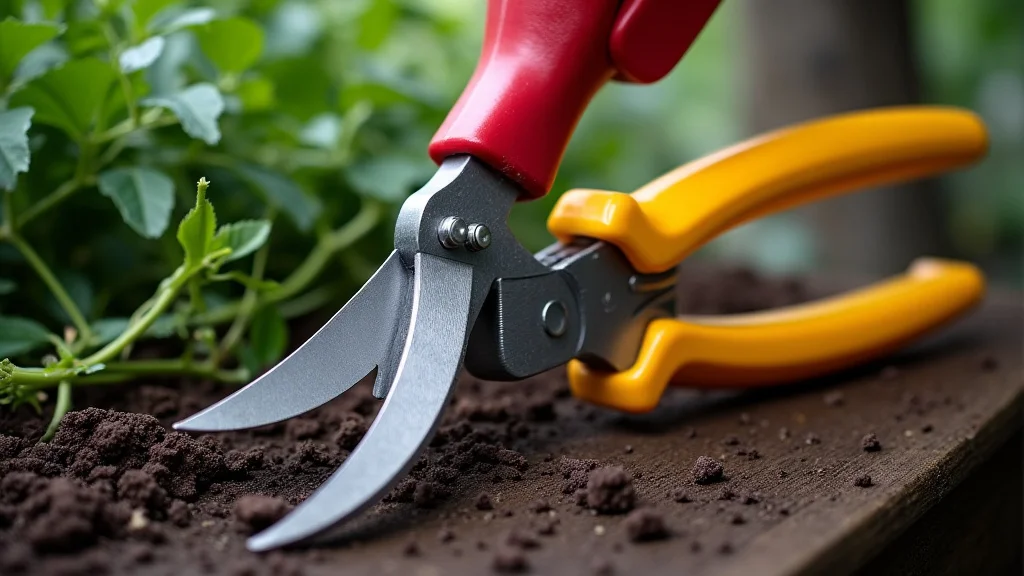
The sun is out, the birds are singing, and your garden is calling! But wait, your roses are looking a little unruly, and that climbing ivy is starting to take over. Sound familiar? We’ve all been there! Before you can create a beautiful, well-maintained space, you need the right equipment. This post is all about the essential tools scissors gardening branch shears and how they can help transform your garden from a tangled mess into a thriving paradise. You’ll explore the different types, how to use them effectively, and which ones are best for your specific gardening needs. By the end, you’ll feel confident in your ability to choose and utilize these important tools. Get ready to learn, and let’s get your garden looking its best!
Key Takeaways
- Learn about different types of tools scissors gardening branch shears and their specific purposes.
- Discover the correct techniques for pruning and trimming various plants.
- Understand how to care for and maintain your gardening shears for longevity.
- Find out how to choose the right shears for different gardening tasks.
- Explore safety tips to avoid injury while using these tools.
- Gain knowledge about the best brands and features to look for in tools scissors gardening branch shears.
Choosing the Right Tools Scissors Gardening Branch Shears
Selecting the proper tools scissors gardening branch shears is the first step towards successful gardening. Not all shears are created equal, and using the wrong type can damage your plants or make the job more difficult. From delicate flowers to thick branches, there’s a specific shear designed for each task. Knowing the differences between various types, like bypass pruners, anvil pruners, and loppers, is key to making informed decisions and protecting your plants. The right choice will depend on the size and type of the plant material you’re working with, as well as your personal preferences and the type of work you need to do.
Bypass Pruners: The Precision Shears
Bypass pruners are designed with a scissor-like cutting action, where a sharp blade passes closely by a thicker, flat blade. This clean cut is ideal for living, green stems and branches. The bypass action minimizes crushing and tearing, promoting faster healing and reducing the risk of disease. They are perfect for detailed work, like shaping shrubs and trimming delicate flowers. Many gardeners prefer bypass pruners for their versatility and precision, making them a staple in any gardening kit. They are excellent for clean cuts that are essential for plant health.
- How They Work: Bypass pruners have a sharp, curved blade that cuts past a second blade.
- Ideal for Green Stems: They provide clean cuts, perfect for living, green plant material.
- Minimize Plant Damage: The scissor-like action prevents crushing or tearing, aiding in plant recovery.
- Versatile Use: Suitable for shaping shrubs, trimming flowers, and other detailed gardening tasks.
Anvil Pruners: The Strong Cutters
Anvil pruners feature a sharp blade that comes down onto a flat surface or anvil. This cutting action makes them ideal for dead, dry wood. The force of the cut is concentrated, allowing for the removal of thicker branches with less effort. However, this type of cut may crush or damage live stems, so it’s best suited for tasks like cutting dead branches or woody stems. Anvil pruners are a good choice when dealing with tough, dead wood or when you need more power behind your cuts. The design emphasizes strength and power for demanding tasks.
- Cutting Mechanism: Feature a blade that closes against a flat surface.
- Best for Dead Wood: Excellent for cutting through dry, hard branches.
- Powerful Cutting: Requires less effort to cut through thicker stems.
- Potential for Crushing: Can crush living stems; use with care.
Loppers: The Long-Handled Powerhouses
Loppers are characterized by their long handles, which offer extended reach and increased leverage. They’re designed to tackle thicker branches and stems, often used for pruning trees and larger shrubs. Available in bypass and anvil styles, loppers provide significant cutting power, reducing the effort needed for larger jobs. The extended handles make it easier to reach higher branches and provide more control over the cut. Choosing between bypass or anvil loppers depends on whether you’re dealing with live or dead wood. Loppers are a must-have for anyone who needs to prune large plants or trees.
- Extended Reach: Long handles increase reach and leverage.
- Handles Thick Branches: Designed for larger stems and branches.
- Bypass and Anvil Options: Available in both cutting styles.
- Excellent for Tree Pruning: Ideal for pruning trees and larger shrubs.
Essential Techniques for Using Tools Scissors Gardening Branch Shears
Knowing how to use tools scissors gardening branch shears correctly is as important as choosing the right tool. Proper technique ensures a clean cut, promotes plant health, and prevents accidental injury. The angle of the cut, the part of the stem to be cut, and the type of cut all play a role in the plant’s recovery and overall appearance. Practicing good technique, such as making clean cuts just above a bud and avoiding tearing or crushing the stems, will improve your gardening results. Mastering these techniques will help you become a more effective and successful gardener.
Proper Cutting Angle
The angle at which you cut a stem is crucial for plant health. An angled cut allows water to run off, preventing rot and disease. Aim for a cut angle of about 45 degrees, just above a bud or leaf node. This ensures the plant heals properly and promotes new growth. A clean, angled cut also provides a neat appearance. Pay close attention to the direction of the bud; the new growth will emerge in the direction that the bud is facing. The correct angle not only protects the plant from diseases but also encourages robust new growth. It is a fundamental part of good gardening technique.
- Importance: Ensures water runoff and prevents disease.
- Ideal Angle: Aim for a 45-degree angle.
- Placement: Cut just above a bud or leaf node.
- Benefits: Promotes healthy growth and a tidy appearance.
Where to Cut
The correct placement of your cut can significantly impact a plant’s health and appearance. Always cut just above a bud or leaf node to encourage new growth. Avoid cutting too close to the bud, as this may damage it, or too far away, which can leave a stub that could die back. For larger branches, use the “three-cut method” to prevent tearing the bark. This involves making an initial cut from the underside to prevent the branch from splitting. Then, make a second cut from the top to remove the branch. Finally, cut the remaining stub flush with the main trunk. Proper cutting placement not only enhances the plant’s appearance but also strengthens its overall structure.
- Above a Bud: Promotes new growth.
- Leaf Node: The ideal place to make a cut.
- Avoid Stubs: Prevents disease and decay.
- Three-Cut Method: Use for larger branches to prevent damage.
Types of Cuts
Different types of cuts are used for various gardening tasks. Thinning cuts remove entire stems or branches, which allows air and sunlight to reach the interior of the plant. Heading cuts, also known as topping, involve cutting back the tips of the stems, encouraging bushier growth. Rejuvenation cuts, also known as renewal pruning, involve cutting back old stems to the base, which encourages new growth. Understanding these types of cuts is key to achieving your desired results. Each type of cut serves a specific purpose, contributing to the health, shape, and overall beauty of your plants. This gives you greater control over how your garden develops.
- Thinning Cuts: Removes entire branches.
- Heading Cuts: Cuts back tips of stems.
- Rejuvenation Cuts: Cuts back old stems to the base.
- Purposeful Pruning: Each type achieves different goals for plant health.
Maintaining and Caring for Your Tools Scissors Gardening Branch Shears
Proper maintenance ensures that your tools scissors gardening branch shears remain sharp and effective for many gardening seasons. Regular cleaning, sharpening, and lubrication will extend the life of your tools and keep them working efficiently. Neglecting maintenance can lead to dull blades, rust, and ultimately, damaged plants. Regular care will save you time and money. It also keeps your tools ready for any gardening project. The small effort of maintenance pays off in long-term functionality and performance.
Cleaning Your Shears
After each use, clean your shears to remove sap, dirt, and plant debris. These residues can cause rust and dull the blades. Use a wire brush or scraper to remove stubborn material. Then, wipe the blades with a damp cloth. Some gardeners use rubbing alcohol to disinfect the blades, which is particularly important if you’re pruning plants that may be diseased. Cleaning your shears prevents the spread of disease from one plant to another. Make cleaning part of your routine to maintain the health of your plants and the longevity of your shears.
- After Each Use: Clean shears to remove sap and debris.
- Remove Residue: Use a wire brush or scraper.
- Wipe with a Cloth: Damp cloth removes surface dirt.
- Consider Disinfecting: Rubbing alcohol prevents disease spread.
Sharpening Your Shears
Dull blades make cutting difficult and can damage your plants. Regular sharpening keeps your tools scissors gardening branch shears cutting efficiently and accurately. You can use a sharpening stone, file, or a dedicated blade sharpener. Follow the angle of the blade when sharpening to maintain the correct cutting edge. If your shears have a bypass action, you will typically only sharpen the beveled side. Proper sharpening ensures clean cuts and minimizes strain on you, the gardener. This step is essential to maintaining the tool’s effectiveness. Sharpening is the key to achieving clean, precise cuts with your tools.
- Regular Sharpening: Essential for sharp, precise cuts.
- Use Sharpening Tools: Stone, file, or blade sharpener.
- Follow the Angle: Maintain the original blade angle.
- Check for Burrs: Remove after sharpening for best performance.
Lubricating and Storing
Lubricating your tools scissors gardening branch shears helps keep them moving smoothly and prevents rust. Apply a light coat of oil to the pivot point and the blades after cleaning and sharpening. This reduces friction and makes cutting easier. Proper storage is also important. Keep your shears in a dry place. You can also hang them on a pegboard or store them in a tool bag. This keeps them safe and accessible. This prevents damage and corrosion. Properly storing your shears protects them from the elements and extends their useful life. A small investment of time in lubrication and storage goes a long way in preserving your tools.
- Lubricate: Apply oil to the pivot point.
- Prevent Rust: Reduces friction and prevents rust.
- Store Properly: Dry place, tool bag or pegboard.
- Protect the Blades: Keeps them sharp and ready to use.
Specific Scenarios for Tools Scissors Gardening Branch Shears
Consider how different situations might require specific tools scissors gardening branch shears. Knowing which tools to use for different types of plants and tasks is the mark of an experienced gardener. Understanding the unique needs of various plants and the challenges you face in the garden is essential. These scenarios can help you select the right tool for the job. You’ll gain practical knowledge that helps to maximize both the beauty and health of your garden.
Pruning Roses
Roses require regular pruning to promote flowering and maintain their shape. Bypass pruners are the best choice for this task, as they provide clean, precise cuts that are essential for rose health. When pruning roses, cut at a 45-degree angle just above an outward-facing bud. This encourages new growth and keeps the plant open for air circulation. Remove any dead or diseased canes and thin out the bush to allow sunlight to penetrate. Pruning roses can seem challenging, but with the right tools and techniques, it becomes an enjoyable and rewarding part of gardening. These skills enhance the bloom and health of your roses.
- Tool: Bypass pruners for clean cuts.
- Technique: Cut at a 45-degree angle.
- Bud Placement: Cut just above an outward-facing bud.
- Remove Dead Wood: Promotes new growth and good air circulation.
Shaping Hedges
Hedges require regular shaping to maintain their desired form and density. Loppers or hedge shears are ideal for this task, especially if the hedge is large. Always cut the sides of the hedge at a slight angle. This ensures that the base of the hedge gets more sunlight than the top. When shaping, focus on removing any dead or overgrown branches. Regularly shaping hedges not only enhances their appearance but also encourages denser, healthier growth. Consistent maintenance is the key to having beautiful hedges that add structure and beauty to your garden. This makes your garden look professional.
- Tool: Loppers or hedge shears are appropriate for hedge shaping.
- Angle of Cut: Cut the sides at a slight angle.
- Sunlight for Growth: Ensures sunlight for base growth.
- Remove Overgrown Branches: Maintains shape and promotes health.
Trimming Fruit Trees
Fruit trees benefit from regular pruning to increase fruit production and improve air circulation. Loppers and bypass pruners are essential tools for fruit tree pruning. When pruning fruit trees, remove any crossing branches. This allows the tree to receive more sunlight and reduces the risk of disease. Thinning out the branches and removing dead wood also helps. Specific techniques will depend on the type of fruit tree. Pruning fruit trees requires patience and care, but the rewards are well worth the effort. It produces a bountiful harvest and healthy trees. This produces more fruit.
- Tool: Loppers and bypass pruners.
- Remove Crossing Branches: Improves sunlight and air circulation.
- Thin Out Branches: Increases light exposure.
- Remove Dead Wood: Enhances health and fruit production.
Essential Brands and Features for Tools Scissors Gardening Branch Shears
Several brands stand out when choosing tools scissors gardening branch shears, and understanding their key features will help you make the right choice. From blade materials to handle designs, different features can impact the comfort, durability, and effectiveness of your shears. A good tool will not only make the job easier but also last a long time. Explore these options and consider which features are most important for your gardening needs. Choosing the right features and the right brand ensures the tools you choose will be both helpful and enjoyable to use in the garden. This enhances your gardening experience.
Popular Brands
Several respected brands lead the market in the creation of quality tools scissors gardening branch shears. These brands often invest in research and quality materials, producing tools that gardeners have depended on for years. Considering a well-known brand gives you peace of mind that you will be buying a product that will work well. Researching different brands can help you find tools that are best for your needs. Finding the best brand is a matter of personal preference and specific needs. Choosing a brand that is known for its durability and performance will lead to long-term satisfaction.
- Fiskars: Known for their durable and affordable tools.
- Felco: Renowned for high-quality, professional-grade shears.
- Corona: Offers a wide range of gardening tools with a focus on value.
- ARSw: These shears are favored for their exceptionally sharp blades.
Key Features
When choosing your tools scissors gardening branch shears, several key features impact the performance and comfort. Blade material, handle design, and additional features all contribute to the tool’s effectiveness. High-carbon steel blades are durable and hold their edge, while ergonomic handles reduce strain during long periods of use. Considering these features will help you find the tools that suit your needs. Taking these key factors into account will ensure you select tools that will make your gardening more pleasurable. Choosing tools with the best features for your needs makes all the difference.
- Blade Material: High-carbon steel or stainless steel blades for durability.
- Handle Design: Ergonomic handles for comfort.
- Cutting Capacity: Check for the maximum branch diameter.
- Spring Mechanism: Helps with blade opening and closing.
Additional Considerations
Other features should be considered when choosing tools scissors gardening branch shears. Look for tools that have a safety lock to keep the blades closed when not in use. Some shears have a built-in sap groove, which helps to keep the blades clean. Consider the weight of the tools, especially if you have a large garden. Tools that are designed for your hands and physical capabilities can make gardening more enjoyable. The right features will ensure that your gardening tasks are safe, enjoyable, and productive. Taking these points into consideration will help you enjoy gardening.
- Safety Lock: Keeps blades closed when not in use.
- Sap Groove: Helps keep blades clean.
- Weight: Consider ease of handling.
- Warranty: Look for a warranty for peace of mind.
Frequently Asked Questions
Question: What is the difference between bypass and anvil pruners?
Answer: Bypass pruners have a scissor-like cutting action for clean cuts, ideal for living, green stems. Anvil pruners have a blade that cuts against a flat surface, best for dead or dry wood.
Question: How do I sharpen my gardening shears?
Answer: Use a sharpening stone or file, following the blade angle, to restore sharpness. Regularly removing the burrs after sharpening can help improve the tool’s performance.
Question: What is the best angle for making a pruning cut?
Answer: The ideal cutting angle is approximately 45 degrees, just above a bud or leaf node. This ensures water runoff, prevents disease, and promotes new growth.
Question: How do I prevent rust on my pruning shears?
Answer: Clean your shears after each use to remove sap and dirt. Apply a light coat of oil to the blades and pivot point to reduce friction and prevent corrosion. Proper storage is also important.
Question: What are loppers used for?
Answer: Loppers are long-handled shears used for cutting thick branches and stems, often used for pruning trees and larger shrubs. They increase reach and leverage, making pruning easier.
Final Thoughts
Your gardening experience can be significantly improved with the right tools scissors gardening branch shears. Knowing the difference between bypass pruners, anvil pruners, and loppers enables you to select the best tool for each task. Understanding proper cutting techniques, such as the correct angle and placement of your cuts, promotes plant health and beautiful results. Regular maintenance, including cleaning, sharpening, and lubrication, is key to keeping your tools in top shape and extending their lifespan. Consider the popular brands and their specific features. With the right shears, along with knowledge and care, you are prepared to nurture a garden full of beauty and vitality. Now, go out there and start clipping – your garden will thank you!