
Remember that time you tried to plant a rose bush with a flimsy plastic spoon? Yeah, let’s just say it wasn’t pretty. We’ve all been there – dreaming of a thriving garden but lacking the right gear. Choosing the correct types of gardening tools can be the difference between a flourishing oasis and a frustrating struggle. This post will help you identify the must-have tools for your gardening adventures. You’ll gain valuable knowledge to boost your gardening success and transform your outdoor space. Prepare to explore the essential types of gardening tools and learn how to get the most out of them!
Key Takeaways
- Learn about the essential hand tools for various gardening tasks.
- Discover the benefits of different types of shovels and their specific uses.
- Understand the importance of pruning tools and how to use them safely.
- Explore the various tools needed for lawn care and maintenance.
- Gain insight into tools for watering and irrigation to maintain plant health.
- Identify specialized tools that can simplify advanced gardening techniques.
Hand Tools: Your Gardening Starter Kit
Hand tools are the workhorses of any garden. They are the first line of defense against weeds, help to prepare the soil, and assist in planting and transplanting. From the smallest seed to the largest shrub, these tools will be essential. They are typically compact, lightweight, and easy to handle, making them ideal for smaller gardens, raised beds, or close-up work where larger tools are impractical.
Essential Hand Tools
Having the right hand tools makes gardening easier and more enjoyable. These tools are the basic equipment for most gardening chores, from planting to weeding. Proper selection will depend on the size of your garden and the types of plants you plan to grow. Some tools are more versatile than others, serving multiple purposes, while others are more specialized for specific tasks. Consider investing in high-quality tools that will last, ensuring you can enjoy gardening for many years.
- Trowel: A small, handheld tool with a curved blade, perfect for digging small holes, transplanting seedlings, and scooping soil.
- Hand Rake: A small rake used for leveling soil, removing debris, and preparing seedbeds.
- Hand Fork: A small fork for cultivating soil, removing weeds, and aerating the ground around plants.
- Weeder: A tool specifically designed for removing weeds, either with a forked end or a sharp blade.
- Transplanting Trowel: A trowel with a narrower blade, ideal for transplanting seedlings or small plants.
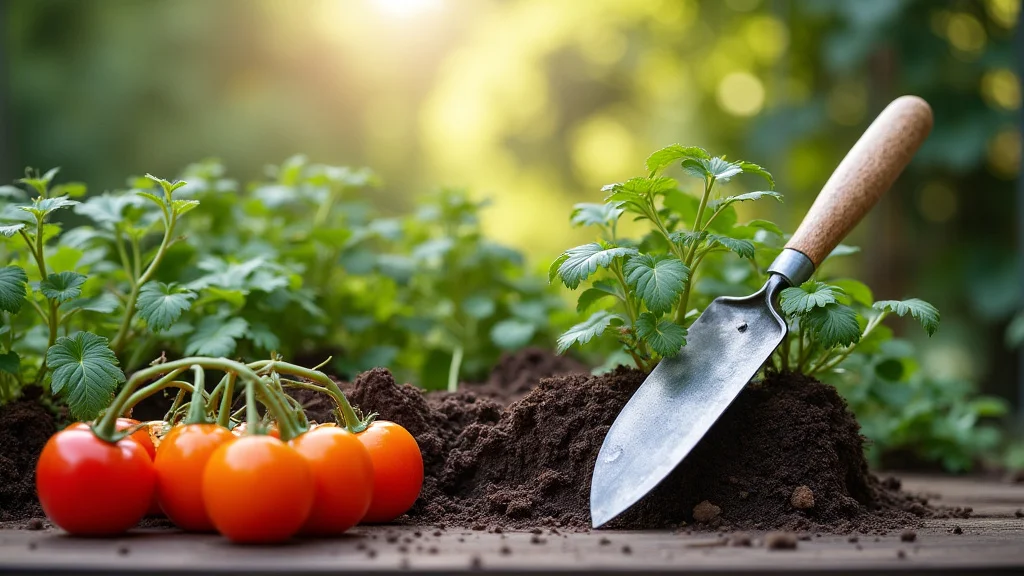
The trowel is a versatile hand tool with a scoop-shaped blade. It is essential for planting small plants, bulbs, and seedlings. This tool excels at scooping and moving soil. It also helps to create small holes for planting, making it a very useful item for any gardening enthusiast. High-quality trowels are usually made of stainless steel for durability, with a comfortable handle that allows for a firm grip. Trowels are often used for general planting, as they fit easily into small spaces, such as those found in containers or raised beds.
Hand rakes are compact tools used for light raking tasks. They are commonly made of plastic or metal, and ideal for small spaces. They are also used to level the surface of the soil. Additionally, they are helpful for gathering leaves and debris in tight areas, making them invaluable for maintaining a tidy garden. The hand rake’s small size allows for more precision than a larger rake, making it the perfect choice for delicate work around plants. Choose one with strong tines and a comfortable grip.
A hand fork is a small, three- or four-pronged tool perfect for breaking up compacted soil and pulling weeds. It’s especially useful in tight spots. With its prongs, a hand fork gently loosens the soil, helping to improve air circulation and water penetration around plant roots. This tool also helps with uprooting weeds. This is perfect for areas near delicate plants where you don’t want to damage them. Choose a hand fork with sturdy tines and a comfortable handle.
A weeder, as the name implies, is a tool designed to remove unwanted weeds from your garden. There are many different types of weeders, each with a different design to target weeds. The forked end of some weeders is used to dig down and uproot the weeds. Other weeders have a sharp blade to slice through weeds just below the surface of the soil. Using a weeder is more effective and less disruptive to the soil than other options. Some models also have a forked end that can be used to grab and remove the entire root system. This is a very valuable tool for keeping your garden weed-free.
A transplanting trowel is a specific type of trowel, designed to help with the delicate work of moving plants from one spot to another. The narrower blade makes it easier to dig up plants without damaging their roots. Its small size allows gardeners to lift plants from the container or soil. A transplanting trowel allows for the precise excavation and careful replanting of seedlings and young plants. With this tool, the delicate task of transplanting seedlings is made much easier.
Shovels: Digging Deeper Into Garden Essentials
Shovels are fundamental tools for digging, moving soil, and various other garden projects. They come in different shapes and sizes, each designed for specific tasks. Selecting the appropriate shovel can greatly improve the efficiency and effectiveness of your gardening work. A well-chosen shovel can help you save time and energy, and prevent back strain, making your gardening experience more comfortable and enjoyable. It is crucial to pick a shovel that is sturdy, comfortable to use, and suited to the tasks you have.
Types of Shovels and Their Uses
When selecting a shovel, consider the material and the handle. The best shovels are constructed from high-quality steel, for durability. Handles can be made of wood or composite materials. The shape of the shovel blade and the length of the handle will also influence the shovel’s effectiveness. Different blade shapes, such as pointed, square, and rounded, are designed for different purposes, such as digging, moving material, or edging. The handle length is another factor. Shovels with longer handles will provide more leverage. A shovel is also a tool that needs to be comfortable to work with, to prevent fatigue.
- Round-Point Shovel: Ideal for digging holes, trenches, and general excavation. The pointed blade makes it easy to penetrate the soil.
- Square-Point Shovel: Best for moving bulk materials like soil, sand, and gravel. The flat blade is great for scooping and leveling.
- Spade: Used for digging, edging, and transplanting. Often has a flat, sharpened blade for slicing through soil and roots.
- Border Spade: A smaller version of the spade, designed for close-quarters work and edging.
The round-point shovel is a versatile tool used in numerous gardening applications. With its pointed blade, the round-point shovel is effective at digging through compacted soil and maneuvering around plant roots. It is perfect for digging planting holes. Its design allows it to penetrate the soil more easily. This shovel can also be used for moving materials, such as soil, mulch, and gravel. The round point shape allows you to use the shovel in many different ways. Choose a shovel with a strong steel blade and a comfortable handle.
The square-point shovel is the ideal tool for moving large amounts of material. The flat blade is perfect for scooping up and transporting soil, gravel, and mulch. Its square shape allows it to gather more material. This shovel is very effective when moving materials over a long distance. With its square edge, this shovel also can create neat edges along pathways or garden beds. Square-point shovels are designed with durability in mind. Choose a model that features a strong steel blade and a robust handle.
The spade is an important tool used for a variety of tasks in the garden. This tool is often used for digging, edging, and transplanting plants. The flat, sharpened blade is ideal for slicing through soil and plant roots, making it perfect for creating clean edges along beds. The spade is also used for turning soil, to help with aeration and drainage. This shovel is often used for planting young plants. The spade’s versatile design makes it an indispensable tool for every gardener. Choose a model with a sharpened blade.
The border spade is a smaller version of the spade, created for close-up work. Its compact size makes it perfect for edging beds, transplanting plants, and working in tight spots. With its flat, sharpened blade, the border spade is effective at creating clean edges and dividing plants. This tool is often lighter and easier to maneuver than a standard spade, making it a great option for gardeners who do not need a full-sized shovel. The border spade’s smaller size allows for more precision when working around plants, minimizing the risk of damage.
Pruning Tools: Shaping and Maintaining Your Garden
Pruning is a crucial part of gardening that helps maintain the health and beauty of plants. It involves the careful removal of branches, stems, and other parts to encourage growth and improve appearance. Pruning not only shapes plants but also removes dead or diseased wood. Pruning also helps to increase light and air circulation. Having the right tools is essential for successful pruning. Using the right pruning tool is very important to ensure clean cuts, and to avoid damaging the plant.
Essential Pruning Tools and Their Uses
There are several types of pruning tools, each designed for a specific task. Some of the most common are hand pruners, loppers, and pruning saws. Hand pruners are small tools. Loppers are used for larger branches. Pruning saws are used for cutting larger limbs. Proper selection of pruning tools depends on the size and type of the plants you are working on. Each tool is designed to make clean cuts to reduce the chance of plant infection. Sharp, well-maintained tools also prevent damage to the plant. Make sure to sharpen pruning tools regularly to ensure they function correctly.
- Hand Pruners (Secateurs): Used for cutting stems and small branches. They come in two main types: bypass and anvil.
- Loppers: Used for cutting thicker branches that are too large for hand pruners. Come with long handles for added leverage.
- Pruning Saw: Used for cutting larger branches that loppers cannot handle. Has a curved or straight blade.
- Hedge Shears: Used for trimming and shaping hedges and shrubs. They have long blades and handles for larger cutting areas.
Hand pruners, also known as secateurs, are small, handheld pruning tools. These tools are designed for cutting stems and small branches. They come in two main designs: bypass and anvil. Bypass pruners have a sharp blade that passes by a cutting blade. They are best for making clean, precise cuts. Anvil pruners have a blade that comes down onto a flat surface, the anvil. Both designs are essential for shaping and maintaining plants. Hand pruners are ideal for tasks like deadheading flowers, trimming small shrubs, and harvesting herbs. These are must-have tools for any gardener.
Loppers are pruning tools that are designed to cut thicker branches and limbs. They typically have long handles to provide extra leverage. Loppers are perfect for tasks like cutting branches on trees and shrubs. There are two main types of loppers: bypass and anvil. Bypass loppers feature a sharp blade that passes by a cutting blade. Anvil loppers have a blade that cuts against a flat surface. Loppers are valuable for maintaining the health and shape of plants. They will also improve the light and air circulation.
Pruning saws are used for cutting large branches on trees and shrubs. With their long blades and teeth, pruning saws can cut through thick wood. They’re valuable when removing larger limbs, shaping trees, or getting rid of dead or diseased branches. Pruning saws come in two types: curved and straight. Curved-blade saws are designed for easier access and cleaner cuts. Proper use of a pruning saw involves starting the cut on the underside. Clean, precise cuts are important to the health of the plant.
Hedge shears are designed for trimming and shaping hedges, shrubs, and bushes. These tools feature long blades connected by a pivot, and are operated by squeezing the handles. With their long blades, they’re used to make large, even cuts. Hedge shears help to maintain the shape of hedges, create a neat appearance, and improve the overall health. They are also used for removing dead or overgrown growth. Choose hedge shears that are sharp and comfortable to use. Regular maintenance and proper use will ensure they will last for a long time.
Lawn Care Tools: Keeping Your Lawn in Top Shape
Taking care of a lawn requires the right tools to maintain its health and appearance. From mowing and edging to aerating and fertilizing, there’s a tool for every task. Having the correct tools can make lawn care easier and more effective. It also ensures that your lawn receives the care it needs to thrive. Proper maintenance with the correct tools will lead to a beautiful, green lawn.
Essential Lawn Care Tools
The health of a lawn depends on the type of grass and the environmental conditions. Regular maintenance is crucial. Mowing, fertilizing, and watering are important for a healthy lawn. The tools needed depend on the size and type of lawn. Whether you have a small patch of grass or a large yard, there are essential tools for every lawn owner. A good lawn care routine will improve the lawn’s appearance. It will also make your lawn more resistant to disease.
- Lawn Mower: Used for cutting grass to a uniform height. Comes in various types, including rotary, reel, and robotic.
- String Trimmer (Weed Eater): Used for trimming grass in hard-to-reach areas, such as along fences and around trees.
- Edger: Used for creating neat edges along sidewalks, driveways, and flower beds. Can be manual or powered.
- Rake (Leaf Rake and Thatch Rake): Used for gathering leaves and removing thatch from the lawn.
A lawn mower is a tool used to cut grass to a consistent height. It is a vital tool for lawn care. Lawn mowers come in different types, each with its own advantages. Rotary mowers are most common. They use a rotating blade to cut the grass. Reel mowers use a series of blades. Robotic mowers use sensors and electric motors to cut grass automatically. The choice of mower depends on the size of your lawn, the type of grass, and your personal preferences. Regular mowing is essential to keeping a lawn healthy.
A string trimmer, or weed eater, is a tool used to trim grass in hard-to-reach spots. These tools are commonly used to trim grass along fences, around trees, and near flower beds. These tools use a rapidly spinning nylon string to cut through grass and weeds. String trimmers are very helpful for getting a neat, clean finish after mowing. String trimmers are typically lightweight and easy to maneuver. The design of these tools makes them ideal for reaching areas that are difficult to access with a lawn mower. Ensure to use the correct type of safety gear, such as eye protection.
An edger is a tool used to make clean, defined edges along sidewalks, driveways, and garden beds. Edgers can be manual or powered. Manual edgers are operated by hand and involve a curved blade. Powered edgers use a rotating blade or string trimmer. Edging is an important part of lawn care. It is a way to create a clean, defined look. Edging is a great way to keep your lawn looking sharp and organized. The choice of which edger is best will depend on the size of the lawn and personal preference.
A rake is a tool used to gather leaves and remove thatch from the lawn. There are two main types of rakes: leaf rakes and thatch rakes. Leaf rakes have flexible tines. These rakes are designed for gathering leaves and light debris without damaging the grass. Thatch rakes, also called dethatchers, are designed to remove thatch. The thatch consists of dead grass and organic matter. Both rakes help maintain a healthy lawn. Leaf rakes help keep the lawn neat. Thatch rakes improve airflow and allow water and nutrients to reach the roots.
Watering and Irrigation Tools: Keeping Your Plants Hydrated
Providing plants with water is vital for their survival and health. Proper irrigation tools ensure plants receive the water they need. The best tools will keep the soil moist, and make sure that water reaches the roots. From watering cans to sprinkler systems, several tools are available to meet various gardening needs. Choosing the right tools depends on the size of your garden and the specific needs of your plants. Adequate watering helps promote healthy growth and prevents many common problems.
Types of Watering and Irrigation Tools
To water plants effectively, it’s important to understand the different tools and methods available. Simple tools, like watering cans, are perfect for small gardens and container plants. Sprinklers are useful for larger areas. Drip irrigation systems provide water directly to the plant roots. These methods help you to ensure that your plants get the right amount of water. Choosing the correct system depends on the size of your garden and the type of plants that you have. Proper watering is essential to achieve a healthy and thriving garden.
- Watering Can: A simple tool for watering plants by hand. Great for small gardens and container plants.
- Hose and Nozzle: A flexible hose connected to a nozzle, allowing for targeted watering.
- Sprinkler: A device that distributes water over a wide area, ideal for lawns and larger gardens.
- Drip Irrigation System: A system of tubing and emitters that deliver water directly to the roots of plants, minimizing water waste.
A watering can is a simple, effective tool for watering plants. With a watering can, you have complete control over the amount and location of water. These tools are often used for small gardens, patios, and container plants. Watering cans come in a variety of sizes and materials. Watering cans are a great option when you need to water small areas. Make sure to use a watering can with a rose (a nozzle with small holes). This will provide a gentle shower, and won’t damage delicate plants.
A hose and nozzle is a versatile tool for watering gardens. A garden hose is connected to a nozzle that has different spray settings. These tools allow for targeted watering. A hose and nozzle gives the gardener control over the water flow. This helps in controlling the amount of water applied. Various nozzle settings allow for different types of watering. A hose and nozzle is a great option for gardens of all sizes. The hose can be used to reach all areas of your garden, while the nozzle lets you change the water flow.
Sprinklers are used to distribute water over a wide area, which makes them perfect for lawns, flower beds, and larger gardens. Sprinklers come in different types, including oscillating, rotary, and impact sprinklers. Oscillating sprinklers move back and forth to cover a rectangular area. Rotary sprinklers rotate in a circle, watering a wider area. Impact sprinklers deliver water in a forceful spray. Choosing a sprinkler depends on the size and shape of your garden. Make sure that you place your sprinkler correctly to provide even coverage.
A drip irrigation system is an effective method of watering. With this system, water is delivered directly to the roots of plants, reducing water waste. The system consists of tubing and emitters that deliver water slowly and steadily. This approach ensures that plants receive the water they need. Drip irrigation systems are very useful for watering vegetable gardens. Drip irrigation systems conserve water and help prevent common problems such as fungal diseases. Drip systems are easy to customize for any garden.
Specialized Gardening Tools: Advanced Techniques
Specialized gardening tools are designed for specific tasks. These tools help gardeners to achieve more precise results, and simplify advanced techniques. They help gardeners achieve greater efficiency and quality in their work. Whether you are a beginner or an expert, having these tools can take your gardening to the next level. Investing in specialized tools can help gardeners to take on new projects and achieve even better results in their gardens.
Tools for Advanced Gardening Techniques
Beyond the basic tools, there is a variety of specialized tools that allow for specific gardening techniques. These tools include seeders, soil testers, and garden carts. Seeders make planting seeds more efficient. Soil testers give you information about the condition of the soil. Garden carts help move tools, plants, and materials. With the correct specialized tools, you can create a more beautiful and productive garden. Choosing these tools is a great way to improve your overall gardening experience.
- Seeder: Used for planting seeds evenly.
- Soil Tester: Measures soil pH, nutrient levels, and moisture.
- Garden Cart: Used for transporting tools, plants, and other materials around the garden.
- Wheelbarrow: A single-wheeled cart used for moving materials.
A seeder is a tool that helps to plant seeds evenly. A seeder consists of a hopper that holds the seeds and a mechanism. The mechanism dispenses the seeds at consistent intervals. Seeders are designed to plant seeds at the correct depth and spacing. This process helps to ensure even germination and healthy plant growth. Seeders are especially useful for planting large areas of seeds, such as vegetable gardens or lawns. Using a seeder is a great way to ensure even spacing and an efficient use of seeds.
A soil tester is a device that measures the soil’s pH level, the level of nutrients, and the amount of moisture. This information helps gardeners to understand the condition of their soil. A soil tester helps gardeners to select the best plants and to make sure that they get what they need. A soil tester also helps gardeners to identify problems. Soil testers help gardeners to maintain a healthy and productive garden. It also provides valuable information to improve the soil. It is a good choice for any gardener who wishes to improve the quality of their soil.
A garden cart is a useful tool for transporting tools, plants, and other materials around the garden. Garden carts come in various types and sizes, from small carts to large dump carts. These carts are especially useful for gardeners with large gardens. The garden cart helps to reduce the amount of physical effort required to move heavy items. Garden carts help gardeners to save time and energy, allowing for more time in the garden. These carts will help gardeners organize and transport supplies more easily.
A wheelbarrow is a valuable tool for moving materials in the garden. This tool is a single-wheeled cart that helps gardeners transport soil, mulch, and other heavy items. Wheelbarrows are designed to be easily maneuvered. The wheelbarrow’s design helps distribute the weight, making it easier to move heavy loads. Wheelbarrows are a must-have tool for any gardener who works with a lot of materials. Wheelbarrows are helpful in all types of garden projects, from landscaping to planting.
Frequently Asked Questions
Question: What’s the difference between bypass and anvil pruners?
Answer: Bypass pruners have a sharp blade that passes by another blade, providing a clean cut, ideal for live, green growth. Anvil pruners have a blade that cuts down onto a flat surface, suitable for dead or dry branches.
Question: How do I choose the right size shovel?
Answer: Consider the task. A round-point shovel is good for digging, while a square-point is ideal for moving materials. The handle length should be comfortable for your height. Choose a handle long enough to provide leverage.
Question: What is the best way to water my plants?
Answer: It depends on your plants and garden. Watering cans are great for small gardens. Hoses with nozzles offer targeted watering. Sprinklers work well for lawns. Drip irrigation is efficient for gardens.
Question: How often should I sharpen my pruning tools?
Answer: Sharpen pruning tools frequently. The more you use them, the more often you need to sharpen them. Check for sharpness before each use. Dull tools can damage plants and make it more difficult to cut.
Question: Are there any tools I can use to make my life easier?
Answer: Yes, there are tools designed to improve the gardening experience. Garden carts and wheelbarrows are great for transporting materials. A soil tester gives insight into the quality of your soil.
Final Thoughts
You now have a better understanding of the types of gardening tools available to help you build and maintain a beautiful and thriving garden. From hand tools for planting and weeding to shovels for digging and pruning tools for shaping, each tool plays a part in the overall process. Remember to choose the right tool for each job, considering the size and type of your plants. Knowing the uses of different types of gardening tools will ensure that your gardening is more efficient. Now get out there, pick up those tools, and create the garden of your dreams. Happy gardening!