
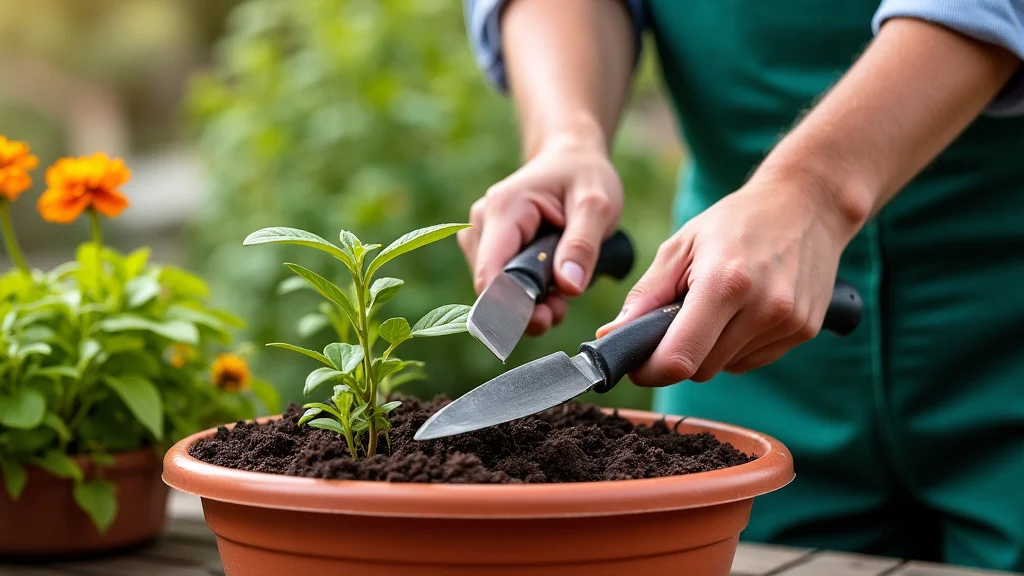
Remember that time you tried to plant some seeds in your backyard, armed with nothing but a spoon and a hopeful attitude? Let’s just say, the results weren’t exactly Instagram-worthy. Gardening, like any craft, needs the right equipment to succeed. Knowing which tools would you need for gardening can be the difference between a thriving vegetable patch and a weed-filled plot. This guide will walk you through the essential tools, helping you avoid frustrating setbacks and maximize your chances of a bountiful harvest. By the end, you’ll know exactly what you need to get your hands dirty and grow something beautiful. You’ll gain practical knowledge to make your gardening more efficient.
Key Takeaways
- Identify the core tools required for basic gardening tasks, from planting to harvesting.
- Learn how different tools are used to prepare the soil, the foundation for healthy plants.
- Understand the importance of choosing quality tools and maintaining them for longevity.
- Discover how to select the right tool size and type to make gardening easier and more comfortable.
- Explore specialized tools that can enhance specific gardening projects, like pruning or composting.
- Gain insights on how to plan your gardening with the right tools for your specific needs.
Essential Tools for a Thriving Garden
Starting a garden can be an exciting venture, but it can also seem like a lot to take in at first. One of the first things you need to do is get yourself equipped with the right gear. Think of it like this: You wouldn’t try to build a house without a hammer, would you? Similarly, you need the right gardening tools to get the job done efficiently and effectively. These tools make the tasks easier and help you achieve the results you want. Let’s explore the essential tools to help you create your dream garden.
Hand Trowel and Hand Fork
The hand trowel and hand fork are the workhorses of any gardening toolkit, especially if you’re working with smaller spaces like raised beds or containers. The trowel is essentially a small shovel, perfect for digging, transplanting seedlings, and scooping soil. It’s ideal for making small holes for planting and moving plants around. The hand fork, on the other hand, is a multi-purpose tool with tines used for loosening the soil, weeding, and mixing in compost or fertilizer. They are perfect for preparing your beds.
- Hand Trowel Uses: Digging small holes for planting, transplanting seedlings, and scooping soil. This also includes breaking up clumps and mixing soil.
- Hand Fork Uses: Loosening soil, weeding in tight spaces, mixing soil amendments, and gently lifting plants.
- Material Considerations: Choose trowels and forks made from stainless steel or carbon steel for durability. Make sure they have a comfortable handle.
- Ergonomic Designs: Consider tools with ergonomic handles. These can reduce strain on your wrist and hand during prolonged use.
Gardening Gloves
Protecting your hands is a must when you are working in the dirt. Gardening gloves aren’t just for protecting your hands from dirt and grime; they also provide a barrier against thorns, insects, and potentially irritating plants. They also help improve grip when handling tools. Choosing the right gloves means you can enjoy your time outside without worrying about hand injuries. Selecting the perfect gloves will change your gardening experience.
- Material Options: Leather gloves are great for heavy-duty tasks, while nitrile-coated gloves offer good dexterity and protection against moisture.
- Size and Fit: Ensure gloves fit snugly but allow for movement. Too loose, and they can be cumbersome. Too tight, and they can be uncomfortable.
- Protection Levels: Consider the type of tasks you’ll be doing. Thicker gloves are great for thorny bushes, while lighter ones are better for delicate work.
- Maintenance: Clean your gloves after use. Let them dry completely to avoid mold and mildew.
Watering Can or Hose with Sprayer
Water is life for plants, and having the right tools for watering is essential. A watering can is a great option for small gardens or container gardening, giving you precise control over where the water goes. A hose with a sprayer offers a more powerful solution for larger areas. The sprayer lets you adjust the water flow from a gentle shower to a focused stream. Proper watering, combined with the right tools, leads to healthy growth.
- Watering Can Features: Look for watering cans with a rose (a sprinkler head) for gentle watering. Choose a can with a comfortable handle and a spout designed for easy pouring.
- Hose and Sprayer Features: Select a hose made of durable material and a sprayer with adjustable settings. The settings let you customize the water flow to different plant needs.
- Watering Techniques: Water plants at the base to avoid wetting the foliage. This helps reduce the risk of diseases.
- Timing Matters: Water in the morning to allow foliage to dry before nightfall, reducing the chance of fungal issues.
Soil Preparation Tools
The quality of your soil is the cornerstone of a successful garden. You need the right tools to prepare your soil. Proper soil preparation involves loosening the soil, removing weeds, and adding nutrients. This leads to a healthy environment for your plants. It’s like building the foundation for a house; if it’s not well-prepared, the rest will fail. The tools you use directly impact the health of your plants. Investing in these tools helps ensure your plants have the best start.
Garden Hoe
A garden hoe is a versatile tool for soil preparation. It has a flat blade that is attached to a long handle, and it’s used for weeding, breaking up soil, and creating rows for planting. Its angled blade allows you to slice through weeds at the soil surface, preventing them from taking hold. There are several types of hoes, each designed for a specific task. Selecting the right hoe for your needs will make your gardening work easier. The right hoe can significantly reduce the amount of back-breaking labor.
- Types of Hoes: The draw hoe is used to pull towards you, ideal for chopping weeds. The scuffle hoe moves back and forth, useful for surface weeding.
- Hoeing Techniques: Keep the hoe blade parallel to the ground to slice weeds cleanly. Avoid digging too deep to prevent disrupting the soil structure.
- Maintenance: Sharpen the hoe blade regularly. This will make weeding easier and more effective.
- Ergonomics: Choose a hoe with a handle length that suits your height to reduce back strain.
Garden Fork
A garden fork, also known as a digging fork, is a robust tool. It’s designed for turning over soil, breaking up compacted earth, and mixing in amendments. Unlike a hoe, the fork’s tines penetrate the soil and lift it. This aeration can improve drainage and nutrient distribution. A garden fork is particularly beneficial in clay soils. Its primary function is to help turn the soil over with ease.
- Uses of Garden Forks: Loosening compacted soil, turning over compost and garden beds, and incorporating soil amendments.
- Types of Forks: Choose a fork with a sturdy handle and tines that are strong enough to withstand tough soil conditions.
- Turning the Soil: Insert the fork into the soil and gently lift and turn the earth. This helps aerate the soil and break up clumps.
- Safety First: Avoid overexertion when using the fork, especially in heavy soils. Take breaks if needed.
Wheelbarrow or Garden Cart
A wheelbarrow or garden cart is indispensable for transporting soil, compost, mulch, and other gardening materials around your yard. This tool saves you time and physical strain. It makes it easier to move large quantities of materials. Selecting the right type of transport tool depends on the size of your garden and the nature of the tasks. Both options can make a substantial difference in your gardening efficiency.
- Wheelbarrow Features: Look for a wheelbarrow with a sturdy frame, a wide tire, and comfortable handles.
- Garden Cart Features: Garden carts often have four wheels, which provide greater stability on uneven terrain.
- Load Capacity: Consider the amount of material you typically need to move when selecting the size of your wheelbarrow or cart.
- Maneuverability: Choose a model that is easy to maneuver, especially if your garden has narrow paths or tight spaces.
Pruning and Cutting Tools
Pruning and cutting are important aspects of gardening. They keep plants healthy and promote growth. Pruning helps shape plants, remove dead or diseased branches, and encourage flowering or fruiting. It’s a way to maintain the health and beauty of your garden. The right tools and techniques are key to success. Proper pruning and cutting techniques can make a big difference in plant health.
Hand Pruners (Secateurs)
Hand pruners, also known as secateurs, are small, handheld shears used for cutting stems and branches. They are one of the most frequently used tools. They are perfect for pruning roses, trimming small shrubs, and harvesting flowers. There are two main types: bypass pruners, which cut like scissors, and anvil pruners, which have a single blade that closes onto a flat surface. Using the right hand pruners makes the pruning task simpler.
- Bypass Pruners: Best for making clean cuts on live, green stems.
- Anvil Pruners: Good for dead or dry wood, but can crush living stems.
- Ergonomics: Look for pruners with comfortable handles. This reduces hand fatigue during prolonged use.
- Maintenance: Keep the blades sharp and clean. This is important to ensure the cuts are clean and to prevent disease spread.
Loppers
Loppers are long-handled pruning shears designed to cut thicker branches. Their extended handles provide leverage. This allows you to cut branches that are too large for hand pruners. They are ideal for pruning shrubs and small trees. Loppers are essential when you need to remove thicker branches and limbs. The extended length gives extra cutting force.
- Blade Types: Bypass loppers provide clean cuts, while anvil loppers are better for dead wood.
- Handle Length: Choose loppers with handles long enough for you to reach the branches you need to prune comfortably.
- Blade Material: Select loppers with high-quality blades for sharp, durable cutting.
- Safety: Always wear safety glasses when using loppers. Clear the area of obstacles before pruning.
Pruning Saw
A pruning saw is a saw with a curved or straight blade designed for cutting through larger branches. It’s a key tool when dealing with substantial pruning tasks. Pruning saws are very efficient for removing large limbs. They provide the power needed for heavier pruning. A pruning saw gives you the tools you need to deal with those larger branches.
- Blade Design: Curved blades are excellent for cutting overhead branches. Straight blades offer more control for ground-level cuts.
- Teeth Configuration: Teeth should be designed for efficient cutting through green or dry wood.
- Blade Length: Choose a saw with a blade long enough to handle the branches you need to cut.
- Safety: Always use the saw with a firm grip and cut away from your body. Wear gloves to protect your hands.
Specialty Gardening Tools
While the tools mentioned earlier are essential, a number of specialty tools can enhance your gardening experience. These tools are designed for very specific tasks. They can boost the productivity and enjoyment of your work in the garden. These specialty tools are worth exploring if you’re looking to get the best results. Each of these tools simplifies specific tasks.
Weeding Tools
Weeds can be a persistent challenge for any gardener. There are several tools that can make weeding easier and more effective. Options include a weeding knife, which is a thin blade used to slice through weeds at the soil surface. Another option is a stand-up weeder. Stand-up weeders let you remove weeds without bending over. These tools are important to control the weeds and ensure the health of your plants. With the right tools, you can control the weeds and protect your plants.
- Weeding Knife: Slice weeds at the soil surface, preventing regrowth. Great for tight spaces and between plants.
- Stand-up Weeder: A long-handled tool for removing weeds without bending over. Reduces strain on your back.
- Weed Puller: Removes weeds by the roots, minimizing regrowth.
- Weeding Techniques: Remove weeds when they are small and the soil is moist. Weeding is much easier when the weeds are small.
Transplanting Tools
Transplanting is when you move plants from one location to another. Specific tools can make this easier and less stressful for the plants. A transplanting trowel is designed with a longer, narrower blade. It is specifically designed to dig deeper holes. A dibber is a pointed stick used to create holes in the soil for planting seedlings or bulbs. These tools make sure your transplanting efforts are safe for your plants. Proper transplanting requires specific tools to help ensure plant health.
- Transplanting Trowel: Digs deeper, narrower holes for transplanting. Great for seedlings.
- Dibber: Creates holes for planting bulbs and seedlings.
- Transplanting Techniques: Water the plants well before transplanting. Handle the roots gently.
- Timing Matters: Transplant during cooler parts of the day or on a cloudy day to reduce stress.
Composting Tools
Composting is a great way to recycle kitchen and yard waste into nutrient-rich soil. Composting helps improve your garden. Certain tools can make composting more efficient. A compost fork, with sturdy tines, is designed for turning compost piles. This keeps them aerated. A compost aerator is used to poke holes to increase aeration. This helps the decomposition process. Composting leads to a healthier and more sustainable garden. With the right tools, composting becomes easy and beneficial.
- Compost Fork: For turning compost piles, ensuring proper aeration.
- Compost Aerator: Creates air holes in the pile, improving decomposition.
- Compost Bin: Choose a compost bin that suits your needs.
- Composting Materials: Use a mix of “greens” (kitchen scraps) and “browns” (leaves and yard waste).
Choosing and Maintaining Your Tools
Investing in quality tools is essential. Durable tools will last longer. They will also make your gardening tasks more efficient and enjoyable. Taking good care of your tools is equally important. Proper storage and maintenance will extend their life. It will also ensure they’re ready to use. Choosing and maintaining your tools is key to a long and successful gardening experience.
Selecting Quality Tools
When selecting gardening tools, prioritize quality over price. Look for tools made from durable materials. Stainless steel or carbon steel tools are more resistant to rust and last longer. Choose tools with comfortable, ergonomic handles. This will reduce fatigue during use. Consider the types of gardening tasks you will be doing. This will help you select the right tools for your specific needs.
- Material Matters: Stainless steel tools are less prone to rust and corrosion, increasing longevity.
- Handle Design: Ergonomic handles can reduce hand and wrist strain during extended use.
- Tool Weight: Select tools that are easy to maneuver and not too heavy.
- Reviews and Recommendations: Read online reviews and seek recommendations to see which tools are the most reliable.
Tool Maintenance and Storage
Regular maintenance will keep your tools in top condition. After each use, clean your tools to remove dirt and debris. Sharpen cutting tools regularly to maintain their effectiveness. Store your tools in a dry place. This prevents rust and corrosion. A tool shed or a dedicated corner in your garage is a great choice. Proper tool maintenance can significantly extend the life of your equipment. It also ensures it’s always ready when you need it.
- Cleaning: After use, clean tools with water and a brush. Remove any dirt or plant debris.
- Sharpening: Regularly sharpen cutting tools like pruners and hoes for optimal performance.
- Lubrication: Lubricate moving parts.
- Storage: Store tools in a dry place. This protects them from the elements and prevents rust.
Frequently Asked Questions
Question: What’s the best way to clean my gardening tools?
Answer: Rinse tools with water to remove loose debris, then scrub with a brush to remove dirt. Dry the tools thoroughly to prevent rust. Consider using a wire brush for tougher grime and rust removal.
Question: How often should I sharpen my pruning shears?
Answer: Sharpen your pruning shears whenever they start to feel dull. Usually, this is after every few uses or at the end of each gardening season. Regular sharpening ensures clean cuts and prevents damage to your plants.
Question: What’s the difference between a hand trowel and a transplanting trowel?
Answer: A hand trowel is a general-purpose tool for various tasks. A transplanting trowel has a narrower blade. This is specifically designed for digging deeper, more precise holes for transplanting seedlings or bulbs.
Question: How can I prevent rust on my gardening tools?
Answer: Clean and dry your tools after each use. Store them in a dry place. Apply a light coat of oil to the metal parts to create a protective barrier. Consider using rust inhibitors for long-term storage.
Question: Can I use household tools for gardening?
Answer: While some household items can be temporarily helpful, dedicated gardening tools are made for the specific demands of gardening. They are designed for durability, ease of use, and efficiency. Using the right tools will make your tasks easier and protect your plants.
Final Thoughts
Now that you have explored the essential tools for gardening, you’re well on your way to creating a beautiful and productive space. Remember that the right tools make all the difference, from preparing the soil to harvesting your crops. Whether it’s a trusty hand trowel or a versatile garden hoe, each tool serves a key function in your gardening tasks. You can keep your tools in good shape with regular cleaning, sharpening, and proper storage. You can enjoy your gardening for many years to come. With this knowledge in hand, there’s nothing stopping you from getting out there and making your garden dreams a reality. Happy gardening!