
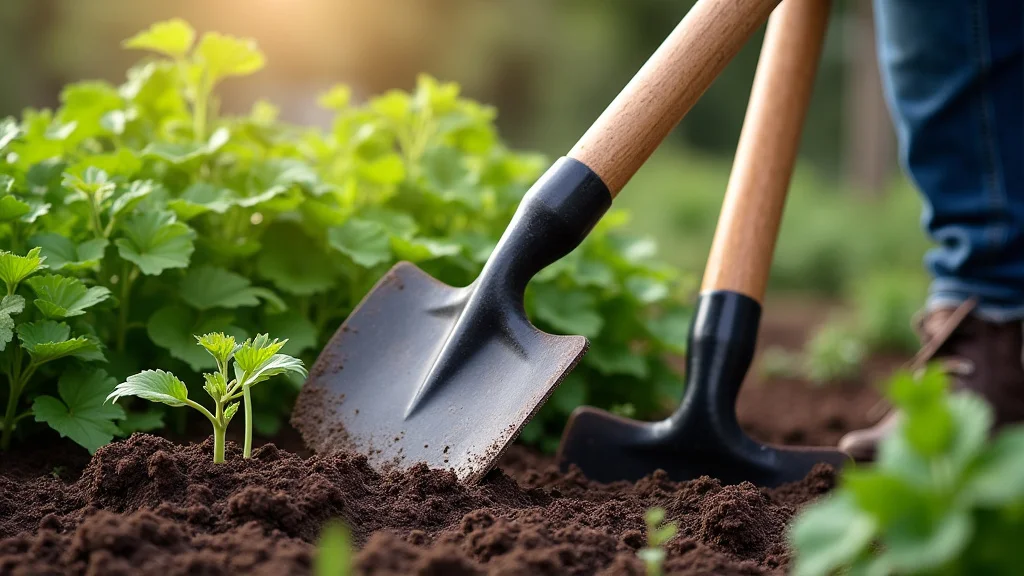
Remember that time your grandma showed you her garden? The sun was shining, and the scent of fresh soil filled the air. She moved with ease, her trusty gardening tools hoes in hand, transforming a simple patch of earth into a vibrant display of colors and life. Selecting the right gardening tools hoes can make a huge difference, whether you’re tending a tiny herb garden or a vast vegetable plot. This guide will help you choose the best hoes for your needs, learn about their different types, and discover tips on how to use them effectively. You’ll gain practical knowledge to make your gardening easier and more enjoyable, improving your yield and keeping your plants happy.
Key Takeaways
- Identify the different types of hoes and their specialized uses.
- Select the appropriate hoe based on your garden’s soil type and size.
- Master the proper techniques for using hoes to weed, cultivate, and shape soil.
- Learn how to maintain and care for your hoes to extend their lifespan.
- Understand the importance of choosing ergonomic hoes for comfortable gardening.
- Discover the best gardening practices for using hoes effectively.
Essential Gardening Tools: Understanding Hoes
Hoes are among the most basic and versatile gardening tools hoes in any gardener’s arsenal. They are used for a variety of tasks, from weeding and cultivating to shaping soil and creating furrows. Their simple design belies their effectiveness, making them essential for both amateur and experienced gardeners. A well-chosen hoe can significantly reduce the effort required for garden maintenance and improve the overall health and productivity of your plants. Hoes come in a range of designs, each suited to different tasks and soil types. Selecting the correct type of hoe for your needs will make your gardening tasks more efficient and less tiring.
The Different Types of Hoes
The world of gardening tools hoes offers a range of designs, each engineered for particular garden activities and soil conditions. Familiarity with these types is the initial step toward selecting the appropriate tool for your needs, enabling better task performance and improved garden results. Different hoes have varying blade shapes, handle lengths, and overall designs, all of which contribute to their unique abilities. Taking the time to explore each type and its intended purpose will help you choose the right tools and keep your garden thriving.
-
Draw Hoe: This is a classic and versatile type, ideal for general weeding, soil preparation, and creating furrows. Its blade is perpendicular to the handle, and it is pulled toward the user. This is often the first tool anyone uses in a garden.
The draw hoe is a fundamental tool, often recognized by its basic right-angle design, making it well-suited for general tasks like preparing garden beds and managing weeds. Its blade is positioned perpendicular to the handle. You use it by pulling it toward you, making it ideal for the precision weeding and soil preparation. The draw hoe is also used for building up rows and creating planting areas. This tool is a cornerstone for all gardening activities and should be in every gardener’s kit.
-
Scuffle Hoe: Also known as a stirrup hoe, this design has a blade that is parallel to the ground, allowing for quick and efficient weeding by slicing just beneath the surface. It is pushed and pulled.
The scuffle hoe is a modern design created for effortless weeding. The blade is flat and held parallel to the ground, designed to cut off weeds just below the surface with a forward-and-backward motion, meaning you can both push and pull. Its design makes it perfect for fast and efficient weed control, without significant soil disturbance. Using the scuffle hoe regularly reduces weed populations, keeping your garden beds cleaner with minimal effort.
-
Eye Hoe: The eye hoe is designed to be very strong, suitable for breaking up compact soil or working in tougher conditions. This is the same type of hoe found in rural areas, where the soil is often not as loose.
The eye hoe is sturdy and made for heavy-duty tasks in gardens with compacted or difficult soils. The blade is forged onto the handle, creating a strong connection that can endure heavy use. The eye hoe is suitable for breaking up hard soil, creating drainage channels, and moving larger amounts of soil. This hoe’s strength makes it excellent for handling various soil types and challenging situations, making it a reliable tool for any gardener.
-
Warren Hoe: Designed with a triangular blade, the warren hoe is excellent for creating furrows for planting or moving soil.
The Warren hoe is designed to assist with creating furrows and moving soil. The triangular blade shape allows precise soil shaping, making it a useful tool for planting seeds or setting up raised beds. The Warren hoe is also used to cultivate soil and is suited for various soil types. The unique shape of the blade also assists with creating rows for planting and other garden activities, making this tool a multi-purpose addition to your gardening toolkit.
Choosing the Right Hoe for Your Garden
Selecting the correct type of hoe depends on several factors, including the soil type in your garden, the size of your planting areas, and the specific tasks you need to perform. Choosing the appropriate hoe type will make gardening tasks easier, more effective, and more enjoyable. Think of this tool as an extension of your body, where proper ergonomics and design help provide maximum efficiency and comfort while reducing the risk of strain. Taking the time to evaluate these factors will help you make the right choice when buying your gardening tools hoes.
-
Soil Type: Consider the composition of your soil; sandy soils are often loose and easy to work with, while clay soils are heavy and can be compact.
Different soil types demand different hoe designs. For example, draw hoes and eye hoes are ideal for compact clay soils, offering the strength required to break up clumps and aerate the soil. Conversely, scuffle hoes perform well in sandy or loamy soils, making quick work of weeds without deep soil disruption. Understanding your soil type will help you select the most efficient hoe, providing better weed control and preparation for planting.
-
Garden Size: The size of your garden impacts the type of hoe needed; for larger plots, tools offering efficiency are ideal.
The size of your garden influences the best hoe choice. For extensive gardens, you may benefit from using a scuffle hoe to remove weeds across large spaces. Compact gardens might be easier to maintain with a draw hoe, ensuring precision in tight spots. For small gardens, a light hoe can minimize the effort required. The right hoe type can make a significant difference in how simple it is to complete garden tasks.
-
Specific Tasks: Different hoes are designed for specific tasks.
Considering the task at hand helps you decide on the right hoe. For example, when creating furrows, the warren hoe is ideal, while the draw hoe can be used for general soil preparation and weeding. Scuffle hoes are designed to cut weeds, keeping your garden looking tidy. Understanding the function of each type of hoe enables you to choose the best tool and perform each task with ease and efficiency.
Mastering the Art of Using Hoes
Proper technique when using gardening tools hoes is essential to improve effectiveness, minimize strain, and prevent damage to your plants. This is where you can turn a basic garden tool into an instrument of precision, creating an environment that supports optimal plant growth. Using a hoe with precision, understanding proper techniques for weeding, cultivating, and shaping soil will elevate your gardening skills and results.
Techniques for Weeding and Cultivating
Effective weeding and cultivation with a hoe require some understanding of movement and timing. Knowing these techniques helps make the process simple, protecting your plants and improving your garden’s health. You’ll learn how to approach your garden and keep it free of unwanted vegetation by using these techniques with your gardening tools hoes. These practices ensure efficient use of your gardening time and resources.
-
Weeding Techniques: Focus on removing weeds at their base or just beneath the surface, disrupting their growth without disturbing the soil too much.
Effective weeding requires a gentle hand, and timing is everything. Use a scuffle hoe to slice the weeds just beneath the soil surface, cutting their stems and stopping them from growing. If using a draw hoe, aim to uproot weeds by getting under their roots and dislodging them from the soil. Doing this when the soil is moist also makes it simpler to pull weeds, minimizing the risk of damage to your valuable plants. Consistent weeding means less time spent weeding and a weed-free garden.
-
Cultivating Practices: Aerate the soil by lightly disturbing its surface, promoting water penetration and root growth.
Cultivating with a hoe involves lightly moving the soil surface to improve air circulation and water absorption. Use a draw hoe to gently loosen the top layer of the soil, ensuring that you don’t dig too deep. This helps break up the soil crust, and provides better conditions for plant roots to grow. Routine cultivation also aids in weed control by interrupting weed development early. Light cultivation is a beneficial practice, helping plants to grow strong and healthy.
-
Depth Control: Avoid deep digging to prevent root damage, especially around established plants.
Maintaining the right depth while hoeing will safeguard your plants. Do not dig too deeply, since it may damage the roots of your plants and disturb the soil. Keep the blade of your hoe near the surface, enough to cut weeds without touching the roots of your plants. This is particularly important around established plants, where root systems are delicate. Depth management protects plants while maximizing the usefulness of your hoe.
Shaping Soil and Creating Furrows
Using a hoe to shape the soil and create furrows is important for planting and maintaining garden beds. Understanding and applying these techniques provides essential advantages to your garden setup, giving plants the right environment to thrive. It improves water flow and aids in the precise placement of seeds or seedlings. These practices ensure that the garden is prepared correctly for growth, making your gardening efficient and enhancing the outcomes.
-
Creating Furrows: Use the warren hoe or draw hoe to build furrows for planting seeds or transplanting seedlings.
Creating furrows requires the use of a warren hoe or a draw hoe to prepare planting rows. With a warren hoe, use the triangular blade to dig a narrow trench. When using a draw hoe, use the edge to create a straight line. The ridges of the furrows assist with water flow and give structure for the plants. The furrow shape assists in water flow and helps with even seed distribution, improving germination and reducing erosion.
-
Soil Shaping: Shape soil around plants to help retain water and give support, using the blade or the corners of the hoe.
To improve water retention, gently mound the soil around plants. Use your hoe to shape the soil, creating small basins that trap rainwater and irrigation. This is particularly helpful in dry climates, where conserving water is essential. Soil shaping also gives structural support to growing plants. This shaping improves your garden’s water efficiency and creates a perfect environment for plant development.
-
Soil Leveling: Level the soil surface to ensure even planting and promote good drainage, using the flat side of the hoe.
Leveling the soil surface guarantees that plants are planted uniformly and that water can drain properly, reducing the risk of waterlogging. Use the flat side of your hoe’s blade to lightly smooth the soil surface, filling in any low spots and removing large clumps. This prepares a suitable environment for planting seeds or seedlings. Even soil surfaces will assist with good water flow, reducing standing water and enhancing plant development.
Maintaining and Caring for Your Hoes
Taking care of your gardening tools hoes improves their life and keeps them ready for use when you need them. Maintaining and repairing your hoes is not just about extending their usefulness; it’s about making sure they are efficient and safe to use. Following these care guidelines is a smart investment that can help you with your gardening.
Cleaning and Sharpening
Correct cleaning and sharpening are key parts of maintaining your gardening tools hoes. This will help them continue to function at their best. Routine maintenance will ensure that your hoes are easy to use and extend their useful life. Simple cleaning practices will keep them in top condition and enhance their performance, and sharpening practices will also ensure efficient gardening.
-
Cleaning After Use: Brush off soil and debris after each use to prevent rust and corrosion.
Immediately after using your hoe, brush off any dirt, soil, and plant materials. This protects the tool from rust. Any materials left on the tool can collect moisture and lead to corrosion. Clean the blade, the handle, and any other parts that may have been exposed to the soil. Routine cleaning will help keep the tool in top condition.
-
Sharpening the Blade: Sharpen the blade regularly to keep it cutting efficiently, which makes the gardening process simpler.
A sharp blade is important to efficiency and effectiveness when using your hoe. Use a file or grinding wheel to keep the edge sharp. When sharpening, keep the original angle of the blade, which will ensure that it will cut through weeds and soil without trouble. Routine sharpening helps make weeding simpler and protects the plants. Keep your blade sharp by periodically checking and sharpening the blade edge.
-
Rust Prevention: Apply a light coat of oil to the blade after cleaning to prevent rust formation.
Rust can reduce your tools’ lifespan. After cleaning and sharpening, apply a light coat of oil to the blade to protect it from rust. This can be as simple as wiping the blade with a cloth coated with a small amount of machine oil or a similar protective substance. The oil creates a protective barrier, preventing the formation of rust caused by moisture. Proper care of the tool will keep the tool functional for a longer period.
Storage and Handle Care
Correct storage and handle care are essential for keeping your gardening tools hoes safe and prepared to use when you require them. Simple practices can lengthen their life and ensure efficient gardening. Focusing on the handle and storage will help prevent damage and protect the tool from the elements. These techniques are essential to making sure that your tools stay useful for many years.
-
Proper Storage: Store your hoes in a dry place to prevent rust, preferably hanging them.
Storage is essential in prolonging the life of your gardening tools. Store your hoes in a dry location, like a shed or garage, far from any exposure to moisture. Consider hanging the tools, which will further improve airflow and prevent contact with the ground. This will help prevent rust and keep the tools in excellent shape. Proper storage helps keep your tools prepared for use and ensures that they will provide years of service.
-
Handle Maintenance: Check handles for cracks or splinters and address any damage immediately.
Regularly check the handle for any signs of damage, like cracks, splinters, or looseness. If you see any problems, handle them promptly to keep the tool safe to use. Small cracks may become larger problems if not addressed. Sand down any rough spots and consider applying a protective finish, like varnish, to wooden handles. Taking care of your handle will ensure that your tools are comfortable and secure to use, reducing the risk of harm.
-
Handle Replacement: Replace handles as required if they become damaged or broken, to maintain safety.
Sometimes, the handle might become seriously damaged and need replacing. If a handle is damaged beyond repair,
Ergonomics and Comfort
Using ergonomically designed gardening tools hoes is extremely important for your comfort, helping you to avoid strain and promote effective gardening practices. Ergonomic hoes are designed to reduce physical stress while promoting proper posture, which increases productivity and enjoyment. Paying attention to these design elements will enhance your gardening activities and help protect your well-being.
Choosing Ergonomic Hoes
When selecting a hoe, paying attention to the ergonomics is important for comfort and effectiveness. Look for features that support the user, reducing stress and increasing enjoyment. Knowing what to search for will guarantee you will have tools that are suitable for your physical needs and garden size. Your choice of tool will contribute to a more enjoyable gardening experience, and make gardening less exhausting.
-
Handle Length: Select a handle length that suits your height and preferred working style.
Choosing the correct handle length is very important for proper posture and comfort. Taller people require longer handles, while shorter individuals may require shorter handles. A good handle length allows you to hoe without bending over too far, preventing back strain. Check the length while you use the hoe to be sure it is comfortable. A well-sized handle makes it simpler to work for long periods and reduces the risk of injury.
-
Handle Material: Consider the material, as wooden handles offer shock absorption, while other materials have their own benefits.
Handle material influences the weight, feel, and shock absorption of the hoe. Wooden handles absorb shock, making them more gentle on the arms and hands. Other materials, such as fiberglass or metal, provide greater durability and weather resistance. Consider your needs and working style, and choose the material that offers the best balance of weight, comfort, and durability. The proper material can significantly enhance the usefulness of your tool.
-
Grip Design: Look for hoes with comfortable grips to improve control and reduce hand fatigue.
The design of the grip affects comfort and reduces strain. Look for hoes with grips designed to make the tool easier to handle. Grips made of materials such as rubber or textured plastic provide a secure grip, which minimizes hand fatigue. A comfortable grip also makes the tool simpler to control, which improves precision and decreases the effort required to weed. A well-designed grip ensures that your tool is easier and more comfortable to use for longer periods.
Posture and Technique
Adopting proper posture and using the right techniques is essential for making gardening simpler and minimizing the risk of strain. This is particularly relevant when using gardening tools hoes. Being aware of posture and technique makes the gardening experience less exhausting and decreases the likelihood of injury. These simple adjustments will greatly improve the efficiency of your gardening while improving your physical well-being.
-
Maintain Proper Posture: Stand upright and avoid bending over excessively while hoeing.
Proper posture is very important to prevent back strain. Stand upright and keep your back straight while you hoe. Try to avoid bending over at the waist, which can place stress on your lower back. Using a hoe with a handle of the appropriate length will help you keep the appropriate posture. Maintaining proper posture helps keep the spine aligned, and reduces the risk of long-term back problems.
-
Use Smooth Movements: Use smooth, controlled movements to reduce strain.
Smooth movements will improve efficiency and help reduce strain. Rather than making jerky movements, make sure your actions are controlled and smooth. Using the full range of motion while hoeing requires less effort and prevents unnecessary strain. Concentrate on using your core muscles to control the tool. Being intentional in your actions also improves the effectiveness and the gardening experience.
-
Take Breaks: Take regular breaks to stretch and prevent fatigue, particularly during extended gardening periods.
Frequent breaks will reduce fatigue and minimize your risk of injury. Take short breaks to stretch your body and change your posture, especially during longer gardening sessions. This allows your muscles to relax and recover. Regular breaks will help keep you refreshed. Routine breaks enhance your health and make gardening an enjoyable activity.
Frequently Asked Questions
Question: What is the best hoe for weeding?
Answer: The scuffle hoe is generally best for weeding due to its design, which cuts weeds just below the soil surface, providing efficient weed control.
Question: How often should I sharpen my hoe?
Answer: Sharpen your hoe regularly, ideally after every few uses or when you notice it’s not cutting as efficiently as it should.
Question: What is the primary difference between a draw hoe and a scuffle hoe?
Answer: The primary difference is the blade’s orientation. The draw hoe’s blade is perpendicular to the handle and is used by pulling towards you, while the scuffle hoe’s blade is parallel to the ground, used by pushing and pulling.
Question: How can I prevent rust on my hoes?
Answer: Prevent rust by cleaning your hoe after each use and applying a light coat of oil to the blade, particularly before storing it.
Question: What are the benefits of using a hoe for soil cultivation?
Answer: Using a hoe for soil cultivation helps aerate the soil, improve water penetration, and control weeds, promoting healthier plant growth.
Final Thoughts
Mastering the use of gardening tools hoes transforms your gardening experience. By selecting the correct type of hoe, understanding its specific uses, and practicing the right techniques, you can drastically improve your garden’s health and reduce the physical effort needed. From the classic draw hoe, ideal for soil preparation and furrowing, to the efficient scuffle hoe, perfectly suited for weeding, each design caters to different garden requirements. Proper care, involving routine cleaning, sharpening, and storage, is also key to keeping your tools in great condition. Remember the ergonomic aspects of tool design, focusing on comfortable grips, correct handle lengths, and good posture, since these will greatly boost your gardening comfort and efficiency. So, choose your tools, and get started; your flourishing garden is waiting.