
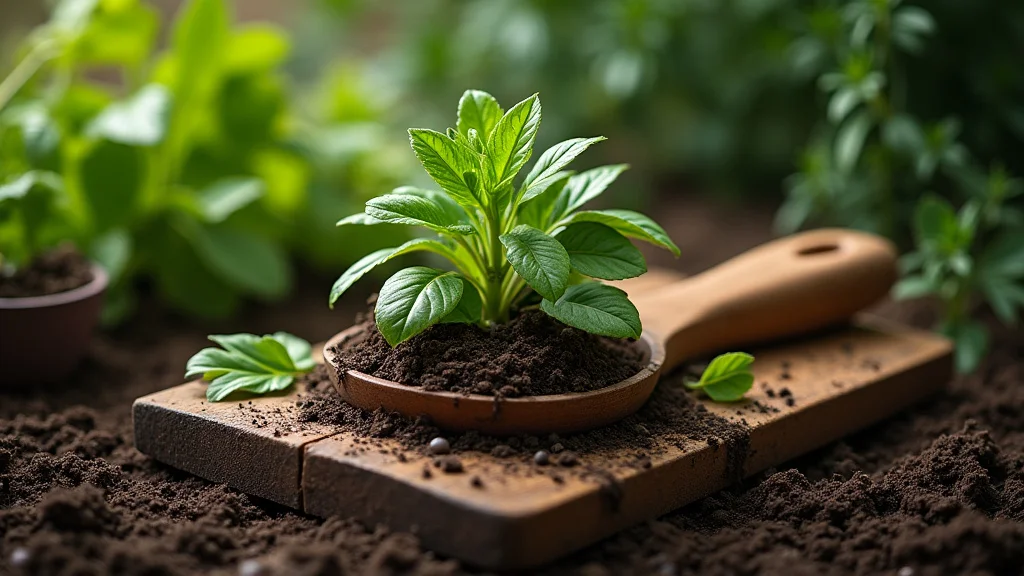
Remember that time you tried to plant a simple tomato, only to find your flimsy trowel bending and your hands covered in dirt? Or when you struggled to cut through tough branches with a dull pair of shears? We’ve all been there! Choosing the right gardening tools and equipment can transform your gardening experience from frustrating to fulfilling. This guide will walk you through the must-have tools, explaining their uses and helping you make informed decisions. You’ll gain the confidence to tackle any gardening project, big or small. You’ll also learn how to choose tools that last, saving you money and making your time in the garden more enjoyable, significantly reducing bounce rate and increasing time on page.
Key Takeaways
- Learn the essential gardening tools and equipment for beginners.
- Discover the different types of tools and their specific functions in the garden.
- Understand how to choose tools based on your gardening needs and budget.
- Find out how to care for your tools to ensure their longevity.
- Explore useful equipment to boost productivity while working in the garden.
- Receive expert advice to assist with selecting the perfect gardening tools.
Essential Hand Tools for Every Gardener
Every gardener, from the novice to the seasoned pro, needs a core set of hand tools. These are the tools you’ll reach for most often, the ones that become extensions of your hands. They’re vital for planting, weeding, and general garden maintenance. Choosing the right hand tools makes all the difference in comfort and efficiency. Consider the size of your garden and the types of plants you’ll be growing when selecting your tools. Remember that quality often trumps quantity: a few well-made tools will serve you better than a large collection of flimsy ones. The initial investment in good gardening tools and equipment pays off over time.
The Trowel: Your Planting Companion
The trowel is probably the most frequently used hand tool. It’s a small, hand-held shovel perfect for digging small holes for planting seedlings, transplanting plants, and scooping soil. Trowels come in various shapes and sizes, but a basic trowel features a curved, scoop-shaped blade. The handle is usually made of wood, plastic, or metal. When selecting a trowel, consider the material and the handle’s ergonomics. A sturdy trowel with a comfortable handle will make your planting tasks much easier, especially if you have a lot of digging to do. The best trowels are made of stainless steel to resist rust.
- Durability: Look for a trowel made of stainless steel or forged steel. These materials are stronger and will last longer than those made of stamped steel. The connection between the blade and handle should be secure. A trowel is essential for managing your gardening tools and equipment.
- Handle Comfort: A comfortable handle is key. Consider a handle made of ergonomic plastic or with a rubber grip. Avoid handles that are too small or have sharp edges, which can lead to hand fatigue. A comfortable handle enables ease of work.
- Size and Shape: Choose a trowel that’s the right size for your needs. A narrower trowel is suitable for smaller pots and more confined spaces, while a wider one is better for bigger planting jobs.
Hand Rake: Preparing the Soil
The hand rake is a versatile tool used for smoothing soil, removing debris like leaves and stones, and breaking up clumps. It typically has a series of tines or teeth attached to a handle. A good hand rake is essential for preparing your soil for planting, ensuring that your seeds or plants have the best possible chance of thriving. The hand rake is a simple, yet necessary piece of gardening tools and equipment. It also helps to create a level surface for planting and is great for general garden cleanup.
- Tine Material: The tines can be made of metal or plastic. Metal tines are generally more durable and better for tougher tasks, while plastic tines are lighter and gentler on delicate plants. Stainless steel tines are an excellent choice because they resist rust.
- Tine Spacing: The spacing between the tines affects how well the rake can handle different tasks. Wider spacing is suitable for moving larger debris, while narrower spacing is better for smoothing soil.
- Handle Length and Comfort: Select a handle length that’s comfortable for your height. A shorter handle might be easier to use in tight spaces, while a longer handle provides better leverage for moving larger amounts of soil and debris.
Hand Fork: Loosening the Soil
A hand fork, also known as a garden fork or weeding fork, is a small, three- or four-pronged tool used for loosening soil, removing weeds, and aerating the soil around plants. It’s particularly useful in areas where the soil is compacted. The hand fork is an indispensable part of your gardening tools and equipment. It allows air and water to penetrate the soil more easily, promoting healthy root growth. It is very useful for working in smaller gardens or raised beds, where a full-sized fork would be too cumbersome. Using a hand fork before planting is key.
- Tine Strength: The tines should be strong enough to withstand the pressure of loosening compacted soil. Forged steel is an excellent material, as it’s durable and resists bending.
- Tine Shape: Look for tines with slightly curved or pointed ends, which makes it easier to penetrate the soil. Flat-tipped tines are more suitable for working around plant roots.
- Handle Design: A comfortable handle is important, especially when you’re working with compacted soil. Handles made of wood or with rubber grips can provide a better hold and reduce hand fatigue.
Weeder: Eliminating Unwanted Growth
There are several types of weeders, each designed for a specific purpose. Some are designed for pulling weeds out from the roots, while others are used to scrape away weeds that grow close to the soil surface. They are essential for keeping your garden looking tidy. Weeding is a constant task in the garden, and having the correct tool will make the job much easier. A good weeder is an important component of a comprehensive set of gardening tools and equipment.
- Types of Weeders: Popular types include the classic hand weeder, which has a forked end for digging out roots; the weeding knife, useful for slicing through weeds at the soil surface; and the stand-up weeder, which allows you to remove weeds without bending over.
- Blade Material: The blade should be sharp and made of durable steel to cut through weeds efficiently. Stainless steel resists rust and is a great choice.
- Handle: The handle should be comfortable and long enough to allow you to apply sufficient force, especially with stand-up weeders. Consider ergonomic handles to lessen strain.
Essential Cutting and Pruning Tools
Keeping your plants healthy and well-maintained means having a good set of cutting and pruning tools. These tools are used for shaping plants, removing dead or diseased branches, and harvesting flowers and vegetables. Using the correct tools can protect the health of your plants and make your gardening efforts much more successful. Make certain you include these tools in your collection of gardening tools and equipment.
Hand Pruners: The All-Purpose Cutter
Hand pruners, also called pruning shears, are used for cutting small branches, stems, and flowers. They are ideal for tasks like shaping shrubs, deadheading flowers, and harvesting vegetables. Having a good pair of hand pruners is essential for maintaining your plants’ health and beauty. Hand pruners are one of the most frequently used items in the gardening tools and equipment category.
- Bypass vs. Anvil: Bypass pruners have two blades that pass by each other, like scissors, which creates a clean cut. Anvil pruners have one blade that cuts against a flat surface, ideal for dead or tough wood.
- Blade Material and Sharpness: Look for pruners with sharp, high-quality steel blades. Stainless steel blades resist rust. The blades should be easy to sharpen. A sharp blade is critical for making clean cuts that promote healing.
- Handle Design and Ergonomics: Choose a pair with comfortable handles that fit your hand. Some pruners have ergonomic designs with rubber grips to reduce strain.
Loppers: For Those Hard-to-Reach Branches
Loppers are long-handled pruners used for cutting thicker branches that are out of reach. The longer handles give you more leverage, allowing you to cut through thicker stems with less effort. Loppers are an indispensable piece of gardening tools and equipment for any gardener who has trees or larger shrubs. They are valuable for cutting branches in hard-to-reach locations.
- Bypass vs. Anvil: Loppers come in both bypass and anvil styles, similar to hand pruners. Bypass loppers are better for making clean cuts on live wood, while anvil loppers are suitable for dead wood.
- Blade Size and Material: The blade should be strong and made of durable steel. Choose the blade size appropriate for the type of branches you’ll be cutting. Stainless steel blades are an excellent choice due to their rust resistance.
- Handle Length and Material: Longer handles provide more leverage but can be harder to maneuver in tight spaces. Choose a handle length that is suitable for your height and the type of work you will be doing. Handles are made of various materials, including wood, steel, and composite materials.
Hedge Shears: Shaping and Sculpting
Hedge shears are used to trim and shape hedges, shrubs, and other dense foliage. They have long blades and are held with two hands. These tools are essential for maintaining the neat appearance of hedges and creating attractive shapes. If you have hedges or shrubs in your yard, hedge shears are a must-have item in your gardening tools and equipment collection. These shears can assist in keeping your greenery looking tidy.
- Blade Length: The blade length influences the cutting range and the weight of the shears. Longer blades cover more area but can be more difficult to handle. Select the blade length most suitable for your tasks.
- Blade Material and Sharpness: The blades should be made of durable steel and have a sharp cutting edge. Look for blades that resist rust. Sharp blades are necessary for making precise cuts.
- Handle Design and Ergonomics: Consider the handle design. Some hedge shears feature ergonomic handles with rubber grips for added comfort and reduced strain. Look for handles that are comfortable to hold for extended periods.
Pruning Saws: When Larger Cuts Are Needed
Pruning saws are used for cutting larger branches that are too thick for pruners or loppers. They have a serrated blade and are designed to cut through wood efficiently. A pruning saw is an important piece of gardening tools and equipment if you have trees or large shrubs that require regular pruning. Using a pruning saw will help you remove branches and promote healthier plant growth.
- Blade Types: There are straight-blade and curved-blade pruning saws. Curved-blade saws are often preferred because they allow for more efficient cutting.
- Tooth Design: The tooth design influences how quickly and easily the saw cuts. Look for saws with sharp, well-spaced teeth. Some saws have teeth designed to cut in both directions.
- Handle Design: The handle should be comfortable and provide a good grip. Consider a handle with a rubber grip to reduce strain. Some pruning saws have folding blades for safe storage.
Essential Watering Tools and Equipment
Water is essential for plant life, so having the right tools for watering is important for a thriving garden. From watering cans to hoses, the tools you use can influence how effectively you water your plants. Proper watering methods can improve plant health and increase the yield of your harvest. Make certain that these water-related tools are a part of your essential gardening tools and equipment. Proper watering is a gardening practice.
Watering Can: For Controlled Irrigation
The watering can is a simple yet effective tool for watering plants, especially in containers or small gardens. It allows you to control the flow of water and direct it precisely where it’s needed. Watering cans are a great option for people who love to work in their gardens. A good watering can is a basic piece of gardening tools and equipment, especially for delicate plants or containers.
- Size and Capacity: Choose a watering can size that’s appropriate for the size of your garden and the plants you’re growing. A smaller can is easier to maneuver when watering containers, while a larger can is more efficient for watering larger areas.
- Spout Design: Look for a watering can with a rose or a removable spout. A rose distributes water gently, which is ideal for seedlings and delicate plants. A removable spout allows for a stronger stream for watering other plants.
- Material and Durability: Watering cans are made of plastic, metal, or galvanized steel. Plastic cans are lightweight and less prone to rust, but metal cans can be more durable and long-lasting.
Garden Hose: Delivering Water Where It Is Needed
A garden hose is essential for watering larger areas of your garden. It allows you to reach plants that are far from a water source and gives you more control over the water flow. Selecting the right hose can make your watering chores easier. A well-chosen garden hose is a must-have in your collection of gardening tools and equipment, especially if you have a sizable garden or lawn.
- Hose Length and Diameter: Choose a hose length that is suitable for the size of your garden. A longer hose is ideal for reaching all areas, while a shorter hose is easier to store. The diameter affects the water flow; a larger diameter means a higher flow rate.
- Hose Material and Durability: Garden hoses are made of rubber, vinyl, or a combination of materials. Rubber hoses are generally more durable, while vinyl hoses are lighter and less expensive. Look for a hose that is UV-resistant and can withstand changes in temperature.
- Hose Nozzles and Attachments: A hose nozzle enables you to adjust the water flow from a gentle shower to a powerful stream. Other attachments include sprinklers and sprayers. Select a nozzle with multiple spray patterns for different watering needs.
Sprinklers: Efficiently Watering the Lawn
Sprinklers are useful for watering large lawns or areas where you need to distribute water over a wide area. They come in various types and offer different spray patterns. Utilizing a sprinkler can help to ensure that your lawn and plants receive uniform water coverage. A sprinkler can be a valuable addition to your gardening tools and equipment if you have a sizable yard or lawn.
- Sprinkler Types: Popular types include oscillating sprinklers, which move back and forth to cover a rectangular area; rotary sprinklers, which rotate to cover a circular area; and impact sprinklers, which use a hammer to create a pulsing stream of water.
- Coverage Area: Select a sprinkler that’s capable of watering the area you want to cover. Check the specifications for each sprinkler to find out its coverage range.
- Adjustability and Features: Some sprinklers are adjustable and have features such as different spray patterns or timers. These features provide flexibility and can help you conserve water.
Essential Soil Preparation and Cultivation Tools
Healthy soil is essential for a successful garden. Soil preparation tools help you improve soil quality, providing the right environment for plant roots to grow and thrive. Using the right tools to prepare your soil is an investment in your garden’s future. These are critical items of gardening tools and equipment that are vital to your garden’s well-being.
Garden Hoe: Versatile Weed and Soil Management
The garden hoe is a versatile tool used for weeding, cultivating soil, and creating rows for planting. It has a flat blade attached to a long handle. A good garden hoe is a must-have for maintaining a healthy garden. Having a hoe will make your gardening chores much easier. A garden hoe is a key component in the group of gardening tools and equipment.
- Blade Types: Popular types include the draw hoe, which is pulled toward you to remove weeds and cultivate soil; the scuffle hoe, which is pushed along the soil surface to slice through weeds; and the Dutch hoe, which is similar to the scuffle hoe but is designed for use in tight spaces.
- Handle Length and Material: The handle length should be appropriate for your height. A longer handle will provide you with more leverage. Handles are made of various materials, including wood and fiberglass.
- Blade Material and Durability: The blade should be made of durable steel. Look for blades that resist rust. The quality of the blade will impact the longevity of the tool.
Cultivator: Loosening and Aerating Soil
A cultivator is used to loosen the soil, break up clumps, and remove small weeds. It has several tines attached to a handle. Cultivators are useful for improving soil aeration and drainage. Adding a cultivator to your gardening tools and equipment will make your garden chores simpler. They are particularly valuable for preparing the soil for planting.
- Tine Design and Spacing: The tines can be rigid or flexible. Rigid tines are useful for breaking up hard soil, while flexible tines are better for working around plants. The spacing between the tines determines how well the cultivator can handle different tasks.
- Handle Length and Ergonomics: Choose a handle length that’s comfortable for your height. Consider a handle with an ergonomic design to reduce fatigue.
- Material and Durability: The tines should be made of durable steel to withstand use. Look for cultivators that are made of rust-resistant materials.
Garden Fork: For Breaking Up Compact Soil
The garden fork is used for breaking up compacted soil, turning over compost, and mixing soil amendments. It has a long handle and several tines. A good garden fork is essential for improving soil structure and aeration. The garden fork is a vital part of the collection of gardening tools and equipment.
- Tine Strength: The tines should be strong enough to withstand the pressure of turning over soil. Look for forged steel tines, which are very durable.
- Tine Shape and Spacing: The shape of the tines affects how easily the fork penetrates the soil. Spacing affects how well the fork can handle different tasks.
- Handle Material and Length: Choose a handle that is comfortable and appropriate for your height. Handles are made of wood or fiberglass.
Essential Safety Gear and Accessories
Gardening can be fun and rewarding, but it’s important to prioritize your safety. Protective gear and accessories can help prevent injuries and make your gardening tasks more comfortable. Consider safety gear as an essential part of your collection of gardening tools and equipment. By taking the right precautions, you can reduce the risks and enjoy your time in the garden.
Gardening Gloves: Protecting Your Hands
Gardening gloves protect your hands from dirt, thorns, and other hazards. They come in a variety of materials and styles to suit different tasks. Using gardening gloves protects your skin and keeps your hands clean. Gardening gloves are an important part of any collection of gardening tools and equipment. They make the gardening experience safer and more comfortable.
- Material: Gloves are made of leather, cotton, synthetic materials, or a combination. Leather gloves are durable and ideal for heavy-duty tasks; cotton gloves are breathable and good for general gardening; synthetic gloves are waterproof and resistant to chemicals.
- Fit and Comfort: Choose gloves that fit well and allow for flexibility and dexterity. The gloves shouldn’t be too tight or too loose.
- Special Features: Some gloves have features like reinforced palms and fingertips for added protection, or waterproof coatings for working in wet conditions.
Protective Eyewear: Safeguarding Your Eyes
Protective eyewear, such as safety glasses or goggles, protects your eyes from dust, debris, and other hazards while you’re gardening. Eye protection is an important part of your collection of gardening tools and equipment. It safeguards you from potential eye injuries. Proper eye protection is crucial for safety.
- Types of Eyewear: Safety glasses provide basic protection. Goggles offer better protection by sealing around your eyes. Consider the level of protection needed for the tasks you’re doing.
- Fit and Comfort: The eyewear should fit comfortably and securely. It shouldn’t obstruct your vision.
- Features: Look for eyewear with features like anti-fog coatings to keep your vision clear. The eyewear should be scratch-resistant.
Knee Pads and Support: Comfortable Kneeling
Knee pads or other knee support are important for protecting your knees when you’re working on your knees. They make gardening tasks more comfortable. Knee pads are a useful addition to your gardening tools and equipment, especially if you spend a lot of time on your knees. They’re valuable for protecting your knees.
- Types of Knee Pads: Options include strap-on knee pads, knee pads built into gardening pants, and kneeling pads for working on the ground.
- Comfort and Support: Choose knee pads with cushioning and a comfortable fit. Consider the material and how well the knee pads stay in place.
- Durability: Select knee pads that are made of durable materials that can withstand use and wear.
Essential Storage and Maintenance for Gardening Tools
Proper storage and maintenance are important for keeping your gardening tools and equipment in good condition and ensuring their longevity. Taking care of your tools will save you time and money. Proper storage and maintenance increase the lifespan of your tools. Regular maintenance will assist with tool performance.
Storage Solutions: Keeping Your Tools Organized
Having a place to store your tools can help keep your garden organized and prevent accidents. Consider your available space and the number of tools you need to store. Proper storage of your gardening tools and equipment helps to protect them from damage and makes them easy to find when you need them.
- Tool Sheds and Garages: Tool sheds and garages provide enclosed storage, protecting your tools from the elements.
- Tool Racks and Wall Organizers: These are space-saving options for storing tools in a more organized manner.
- Tool Carts and Bags: These provide a convenient way to transport your tools around the garden.
Cleaning and Sharpening Your Tools
Regular cleaning and sharpening are important for maintaining your tools’ performance and longevity. Cleaning removes dirt and debris, preventing rust. Sharpening keeps cutting tools efficient and safe. Maintenance will make certain that your gardening tools and equipment are functional.
- Cleaning Procedures: After each use, clean your tools with water and a scrub brush to remove dirt. Dry the tools thoroughly to prevent rust.
- Sharpening Techniques: Use a file or sharpening stone to sharpen cutting tools. Follow the manufacturer’s instructions.
- Rust Prevention: Apply a coat of oil to your tools after cleaning and sharpening to prevent rust. Store your tools in a dry place.
Long-Term Care and Maintenance Practices
Taking care of your tools over time will extend their life and make gardening easier. With proper attention, your gardening tools and equipment can endure for many years. Regular maintenance is essential for preserving your tools.
- Regular Inspections: Inspect your tools regularly for damage, such as loose handles or cracked blades.
- Proper Storage: Store your tools in a dry place to prevent rust.
- Tool Repair: Repair or replace damaged tools as needed.
Frequently Asked Questions
Question: How often should I sharpen my pruners?
Answer: Sharpen your pruners as needed, usually after every few uses or when you notice they are no longer making clean cuts. Regular sharpening keeps them effective and prevents damage to your plants.
Question: What’s the best way to clean rusty tools?
Answer: Remove rust with steel wool or a wire brush, then clean the tool thoroughly. Apply a coat of oil after to prevent future rust. For heavier rust, consider using a rust remover.
Question: Are there any tools I can skip as a beginner?
Answer: As a beginner, you can start with the basics: a trowel, hand fork, hand pruners, and a watering can. You can always add more tools as your gardening experience grows and your needs change.
Question: How do I store my tools in the winter?
Answer: Clean, dry, and sharpen your tools before storing them for the winter. Store them in a shed or garage to protect them from the elements and prevent rust. Consider applying oil.
Question: Where can I buy quality gardening tools?
Answer: You can buy gardening tools at local garden centers, hardware stores, and online retailers. Research brands and read reviews to ensure you are buying quality, durable tools.
Final Thoughts
Equipping yourself with the right gardening tools and equipment is the first step toward a successful and rewarding gardening experience. From hand tools for planting and weeding to cutting and pruning tools for shaping your plants, each tool plays a key role. Remember that selecting high-quality, durable tools will save you both money and time in the long run. Proper care, cleaning, and storage of your tools are as important as selecting them in the first place. You have the knowledge now to cultivate a beautiful, thriving garden. Start with the basics, learn as you go, and enjoy the process. Happy gardening!