
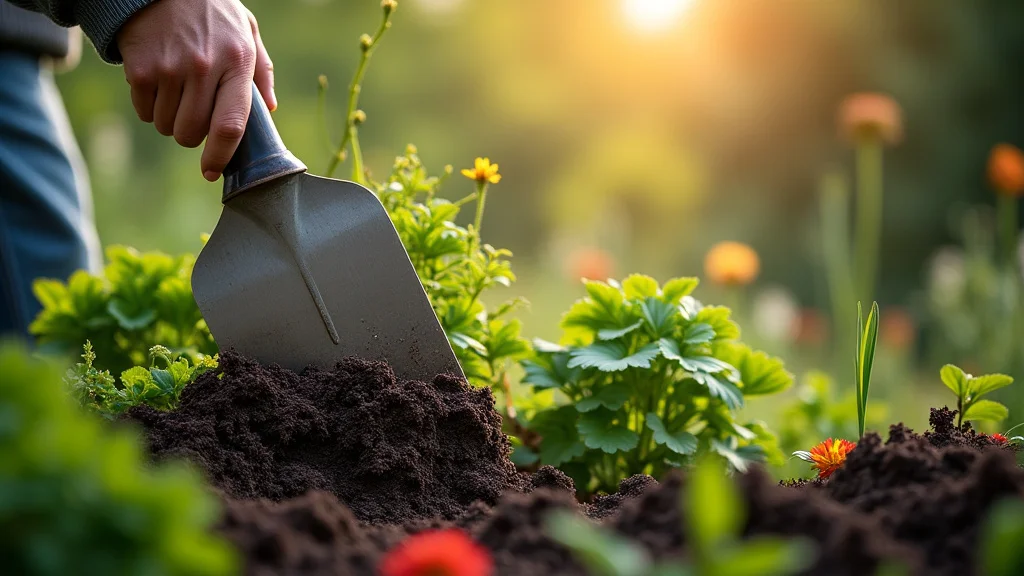
Remember that time you tried to plant a rose bush with a flimsy trowel that bent in half? Or the frustration of struggling to prune a stubborn branch with dull clippers? We’ve all been there. Choosing the right gardening tools can make a world of difference, turning a chore into a joy. This guide will walk you through the best gardening tools available in the USA, from essential hand tools to helpful power equipment. You’ll gain valuable knowledge on how to select quality tools that will last, and learn how to use them effectively. Get ready to transform your garden into a beautiful and productive space.
Key Takeaways
- Learn about the essential hand tools every gardener needs.
- Discover the benefits of different types of power equipment.
- Find out how to choose quality tools built to last.
- Understand the importance of tool maintenance and care.
- Explore useful tips on selecting the right tools for your garden.
- Get recommendations on some of the top brands and where to find them.
Essential Hand Tools for Every Gardener
Every gardener, from the novice to the seasoned pro, needs a core set of hand tools. These tools are the foundation upon which your gardening success is built. They’re the instruments you’ll use most frequently, directly interacting with the soil and plants. Selecting quality hand tools is an investment that pays off in ease of use, durability, and ultimately, a more enjoyable gardening experience. These tools help with planting, weeding, and general upkeep.
Trowel
The trowel is probably the most frequently used hand tool. It’s used for various tasks, including digging small holes for planting seedlings, transplanting small plants, and scooping soil. A good trowel has a sturdy blade, typically made of stainless steel or carbon steel, that can withstand the rigors of digging. The handle should be comfortable and provide a good grip, often made of wood or a durable synthetic material. A trowel’s size and shape are designed for delicate tasks.
- Blade Material: Look for trowels with stainless steel or carbon steel blades for durability and rust resistance. Stainless steel is often easier to clean.
- Handle Design: Choose a handle that fits your hand comfortably. Consider handles made of wood (which may need more care) or synthetic materials (which are often easier to clean and more weather-resistant).
- Blade Shape: Trowels come in various shapes. A pointed trowel is great for digging, while a wider trowel might be better for scooping soil.
- Size: A standard size trowel is a good starting point, but consider smaller or larger sizes for specific tasks. A small trowel is useful for pots.
Hand Rake
A hand rake is crucial for preparing soil for planting and cleaning up debris. Its primary function is to break up clumps of soil, level the ground, and remove stones, weeds, and other unwanted materials. The tines, or teeth, of a hand rake are usually made of metal, providing strength for these tasks. A strong handle allows you to apply the force required to manipulate the soil. Having the right hand rake significantly impacts your ability to prepare a neat garden bed.
- Tine Material and Spacing: Metal tines are stronger than plastic. Tine spacing can vary. Wider spacing is great for cleaning up leaves, while closer spacing is great for fine soil work.
- Handle Length: Choose a handle length that suits your height and gardening style. A longer handle can help you reach further.
- Handle Material: Wooden handles offer a classic feel. Synthetic handles are often more weather-resistant.
- Rake Width: Consider the size of your garden and the area you need to cover. A wider rake helps cover more ground.
Hand Fork
A hand fork, also called a garden fork, is a small, hand-held version of the full-sized garden fork. Its primary role is to loosen soil, mix in compost or fertilizer, and generally aerate the ground around plants. The tines, often made of forged steel, are designed to penetrate the soil and break up compacted areas. The hand fork is used to delicately care for plants without damaging their roots. Its compact size makes it ideal for working in tight spaces.
- Tine Shape: Look for forks with strong, slightly curved tines for better soil penetration.
- Handle Length and Material: The handle should be comfortable. Wood and synthetic handles are the most common options.
- Tine Number: Forks with four tines are most common and versatile.
- Build Quality: A solid, one-piece construction (where the tines are part of the handle) is often more durable.
Pruning Shears (Secateurs)
Pruning shears, or secateurs, are an essential tool for any gardener. They’re designed for cutting stems and small branches. Quality pruning shears have sharp, bypass blades that make clean cuts. These clean cuts are important for plant health. They allow plants to heal properly and prevent the spread of disease. It’s important to choose shears that fit comfortably in your hand and are easy to use.
- Blade Type: Bypass shears (blades pass each other) make the cleanest cuts. Anvil shears (blade hits a flat surface) are good for dead wood.
- Blade Material: Look for blades made of high-carbon steel for sharpness and durability.
- Handle Design: Choose handles that are comfortable. Consider the size of your hands. Some shears have rotating handles.
- Safety Features: A blade lock is important for safety.
Power Equipment That Makes Gardening Easier
While hand tools are fundamental, power equipment can significantly speed up gardening tasks. From simple chores to major projects, machines help you work with greater efficiency. Power tools like lawnmowers and hedge trimmers reduce the physical strain of gardening and allow you to cover more ground. Selecting the right power tools for your garden’s size and your specific needs can vastly improve your gardening efficiency.
Lawn Mower
A lawn mower is a crucial tool if you have a lawn. It trims grass to a consistent height, promoting a healthy, attractive lawn. Lawn mowers come in various types, including push mowers, self-propelled mowers, and riding mowers, each designed for different lawn sizes and user preferences. The choice of lawn mower depends on the size of your lawn, the terrain, and your personal preference for ease of use. A well-maintained mower is key to maintaining a neat yard.
- Type: Consider your lawn size and terrain. Push mowers are great for small yards. Self-propelled mowers are easier to use on slopes. Riding mowers are ideal for large areas.
- Power Source: Electric mowers are quieter and more eco-friendly. Gas mowers offer more power for larger lawns.
- Cutting Width: The cutting width affects how quickly you can mow. Wider decks cut more grass per pass.
- Features: Look for features like adjustable cutting heights, mulching capabilities, and easy-to-empty grass bags.
Hedge Trimmer
Hedge trimmers are designed to shape and maintain hedges, shrubs, and bushes. They come in both electric and gas-powered models. Electric trimmers are generally lighter and quieter. Gas trimmers offer more power and are suitable for larger tasks. The blades of a hedge trimmer are designed to cut through branches. Selecting the right trimmer depends on the size of your hedges and the frequency of trimming.
- Blade Length: Longer blades cover more area but can be harder to maneuver. Choose a blade length that fits your hedge size.
- Power Source: Electric trimmers are great for smaller jobs. Gas trimmers are more powerful.
- Blade Type: Double-sided blades cut from both directions.
- Safety Features: A blade guard and a safety switch are essential for safe operation.
String Trimmer/Weed Eater
String trimmers, also known as weed eaters or weed whackers, are used to trim grass around obstacles, edges, and areas that a lawnmower cannot reach. These tools use a rapidly spinning nylon string to cut vegetation. They’re available in electric (corded and cordless) and gas-powered models. The power source and string type (size and shape) you choose impacts your tool’s effectiveness. String trimmers are indispensable for keeping your lawn tidy.
- Power Source: Corded electric trimmers are lightweight. Cordless trimmers offer freedom of movement. Gas trimmers provide the most power.
- String Type: Different string thicknesses and shapes are available. Thicker strings are good for tougher weeds.
- Cutting Swath: A wider cutting swath will help you work faster.
- Features: Look for features like an adjustable handle and a guard to protect you from flying debris.
Leaf Blower
A leaf blower makes it easy to clear leaves, grass clippings, and other debris from lawns, driveways, and sidewalks. Leaf blowers come in electric and gas-powered models. Electric blowers are more environmentally friendly. Gas blowers offer more power. The choice of leaf blower depends on the size of your property and the amount of debris you need to manage. They save significant time and effort compared to raking.
- Power Source: Electric blowers are great for smaller yards. Gas blowers are more powerful.
- Airflow and Airspeed: The airflow (cubic feet per minute or CFM) and airspeed (miles per hour or MPH) determine the blower’s effectiveness.
- Features: Consider features like variable speed settings, a comfortable handle, and a shoulder strap.
- Noise Level: Gas blowers can be loud. Consider the noise level when selecting a blower.
Choosing Quality Tools for the Long Haul
Investing in quality gardening tools is a smart move for any gardener. Quality tools last longer, perform better, and often come with warranties. These tools reduce the likelihood of having to
Materials Matter
The materials used in a tool’s construction play a big part in its durability and performance. High-quality materials resist wear and tear and function effectively. The materials also impact the tool’s weight and balance. Properly constructed tools feel good in your hand. Materials like stainless steel, carbon steel, and hardwood are common in quality gardening tools. These materials are selected for their strength and resistance to corrosion.
- Metal: Look for tools with blades and working parts made from stainless steel or high-carbon steel. These metals are strong. They are resistant to rust.
- Handles: Handles made from hardwoods (like ash or hickory) or durable synthetics (like fiberglass or reinforced plastics) will last.
- Fasteners: Check for sturdy rivets and strong welds. These connect different parts of the tool.
- Coatings: Powder-coated tools resist rust. Look for weather resistance.
Construction Quality
How a tool is put together greatly influences its durability and effectiveness. Look for tools that have solid construction with no loose parts or weak points. Well-made tools are made to withstand the stress of regular use and resist bending or breaking. Pay close attention to the joints and connections, which are often points of failure. The tool’s overall design also affects its ability to perform its intended function. High-quality construction gives the tool a longer life.
- Welds and Rivets: Ensure welds are strong and rivets are tight.
- Handle Attachment: Check how the handle is attached. The connection should be solid and secure.
- Blade Attachment: Blades and working parts should be firmly attached. They should not wobble.
- Balance: A well-balanced tool is more comfortable to use and helps to reduce strain.
Warranty and Brand Reputation
A warranty provides peace of mind. It assures that a manufacturer stands behind their product. Look for tools with a solid warranty, as this often indicates that the manufacturer is confident in the tool’s quality and durability. Consider the brand’s reputation within the gardening community. Look for brands with a history of producing reliable, high-quality tools. Reading reviews and getting recommendations from other gardeners can help.
- Warranty Length: A longer warranty shows confidence in the product’s longevity.
- Customer Reviews: Read reviews from other gardeners to get an idea of a tool’s real-world performance.
- Brand Reputation: Research the brand’s history and reputation.
- Return Policy: Check the store’s return policy.
Tool Maintenance and Care: Extending Tool Life
Taking care of your gardening tools will extend their lifespan, ensuring they stay in top condition. Simple maintenance procedures like cleaning, sharpening, and proper storage help keep tools functioning well. Regular maintenance reduces the chance of rust, corrosion, and wear. Following a tool care routine is an investment that saves money and ensures you are ready to get to work when you need to.
Cleaning Your Tools
Cleaning your tools after each use is a simple but important task. This will remove soil, sap, and other debris that can lead to rust and damage. Before putting your tools away, wipe them down with a damp cloth or a wire brush to remove any dirt. For tools used for pruning or cutting, you should also wipe them down with a disinfectant. Cleaning keeps your tools ready to use.
- Scrape Off Debris: Use a putty knife or wire brush to remove stuck-on dirt and plant matter.
- Wash and Rinse: Wash tools with soapy water. Rinse well to remove all soap.
- Disinfect: Disinfect pruning tools with rubbing alcohol or a bleach solution.
- Dry Thoroughly: Always dry tools before storing. This prevents rust.
Sharpening and Lubrication
Sharp tools cut more cleanly and efficiently, making gardening tasks easier. Regularly sharpen blades on pruning shears, hoes, and other cutting tools. This requires the use of a sharpening tool, like a file or a sharpening stone. Lubricate moving parts (like the joints of pruning shears) with oil. Proper sharpening and lubrication extends tool life. It also makes your tasks easier.
- Sharpening: Use a file or sharpening stone to sharpen blades. Follow the blade’s original angle.
- Lubrication: Apply oil to the joints of pruning shears and other moving parts.
- Rust Removal: Remove rust with a wire brush or sandpaper.
- Protective Coatings: Consider applying a rust-preventative spray to metal parts.
Proper Storage
How you store your gardening tools impacts their longevity. Store tools in a dry, covered area. A shed or garage is best. When storing tools, try to keep them off the ground to prevent moisture buildup and corrosion. Using a tool rack or hanging tools can organize your tools and protect them from damage. Good storage keeps tools accessible when you need them.
- Dry Location: Store tools in a dry place. This prevents rust.
- Covered Area: Store tools in a shed or garage. This will protect them from the elements.
- Tool Rack: Use a tool rack or hang tools to keep them organized.
- Protection: Consider covering or wrapping sharp blades for safety and protection.
Selecting the Right Tools for Your Garden
The best gardening tools available in the USA aren’t the same for everyone. Different gardening styles and garden types call for different tools. Before you buy any tool, consider your garden’s size, what you plan to grow, and how much time you are willing to spend on maintenance. Knowing your garden’s specifics will help you make the best tool choices.
Assessing Your Garden’s Size and Type
The size and type of your garden are crucial factors in choosing the right tools. A small urban garden has different needs than a large suburban plot. In a small garden, a compact set of hand tools might be all you need. Larger gardens may need the addition of power tools like a lawnmower or a tiller. Consider the features of your garden such as raised beds, flowerbeds, or a vegetable garden. These all affect the tools you will need.
- Small Garden: A basic set of hand tools is all you need.
- Large Garden: You may need power tools like a lawnmower, hedge trimmer, or leaf blower.
- Raised Beds: Hand tools with long handles can make tasks easier.
- Flowerbeds and Vegetable Gardens: Hand tools for planting, weeding, and pruning are important.
Considering Your Gardening Style
Your gardening style impacts your tool choices. If you prefer low-maintenance gardening, you may choose tools that minimize effort. A gardener who enjoys meticulous care will need tools that offer precision. If you focus on a specific type of gardening like organic gardening, you might focus on tools that are made of natural materials. The tools you choose should align with your approach and the level of time and effort you want to invest in your garden.
- Low-Maintenance: Choose tools that simplify tasks.
- High-Maintenance: Select tools that offer precision and control.
- Organic Gardening: Consider tools made of natural materials.
- Container Gardening: Small hand tools are ideal.
Evaluating the Plants You Grow
The type of plants you are growing influences the tools you need. Growing vegetables and flowers calls for different tools than growing shrubs and trees. If you grow a lot of shrubs, pruning shears and hedge trimmers are essential. If you grow a vegetable garden, you will want a hoe and a hand fork. Consider the specific needs of the plants you grow. This guides your tool selection.
- Vegetables: Hoes, hand forks, and trowels are great.
- Flowers: Pruning shears and trowels are important.
- Shrubs and Trees: Pruning shears and loppers are crucial.
- Lawn: A lawn mower and string trimmer are essential.
A survey found that 63% of American households participate in gardening. According to the National Gardening Association, the average household spends about $500 per year on gardening supplies.
Top Brands and Where to Find Them
Several brands stand out when it comes to quality and reliability of gardening tools. These brands have a track record of producing durable, well-designed tools. When selecting tools, buying from a trusted brand gives you greater confidence in your purchase. These tools are often available at local garden centers and online retailers.
Popular Brands in the USA
Some brands are famous for their high-quality gardening tools. These brands are often recognized for their innovations and commitment to quality. The brands listed below are known for producing tools that last for years. Consider the features of each brand to choose which aligns with your needs.
- Fiskars: Known for their durable and ergonomic designs. They offer a range of tools.
- Corona: Focuses on professional-grade tools.
- DeWit: Produces hand-forged tools with a classic design.
- Bond Manufacturing: Offers a selection of affordable and useful tools.
- Gardena: Provides innovative tools, particularly watering systems.
Where to Buy
Gardening tools are available from a variety of stores. You can buy them at your local garden centers. These centers give you a chance to see and feel the tools before you buy. Online retailers such as Amazon and specific tool retailers have a large selection. Major home improvement stores like Home Depot and Lowe’s also offer a wide range of gardening tools. Consider price, selection, and the convenience of shopping.
- Local Garden Centers: These stores offer a chance to inspect the tools firsthand. They also often provide expert advice.
- Online Retailers: Online retailers such as Amazon provide a vast selection.
- Home Improvement Stores: Home Depot and Lowe’s have a large selection.
- Specialty Tool Retailers: Stores that specialize in tools offer a knowledgeable staff and more advanced options.
Frequently Asked Questions
Question: What are the must-have gardening tools for a beginner?
Answer: Every beginner needs a trowel, a hand rake, pruning shears, and a watering can.
Question: How often should I sharpen my pruning shears?
Answer: Sharpen your pruning shears whenever you notice that they are not making clean cuts. A general rule is to sharpen them at least once per season.
Question: What is the best way to clean and store hand tools?
Answer: Clean your hand tools after each use to remove soil. Wipe with a damp cloth and a disinfectant. Store your tools in a dry location, ideally in a shed or garage.
Question: Are electric or gas lawn mowers better?
Answer: Electric mowers are more environmentally friendly. Gas mowers provide more power for larger lawns. The best option depends on your lawn’s size and needs.
Question: What should I look for when purchasing a hand fork?
Answer: Look for forks with strong, slightly curved tines for soil penetration. The handle should be comfortable. Steel forks are more durable than plastic ones.
Final Thoughts
Choosing the right gardening tools is a valuable part of cultivating a flourishing garden. We’ve explored the importance of essential hand tools, the advantages of power equipment, and how to select quality tools. We’ve covered key factors, like material quality and construction, that make tools long-lasting. By choosing the right tools, you will reduce effort and increase productivity. Remember to keep your tools in tip-top shape with regular maintenance. Whether you are a beginner or an experienced gardener, you now have the knowledge to select the tools that suit your needs. With the right equipment and care, your garden can become a source of both beauty and satisfaction. Happy gardening!