
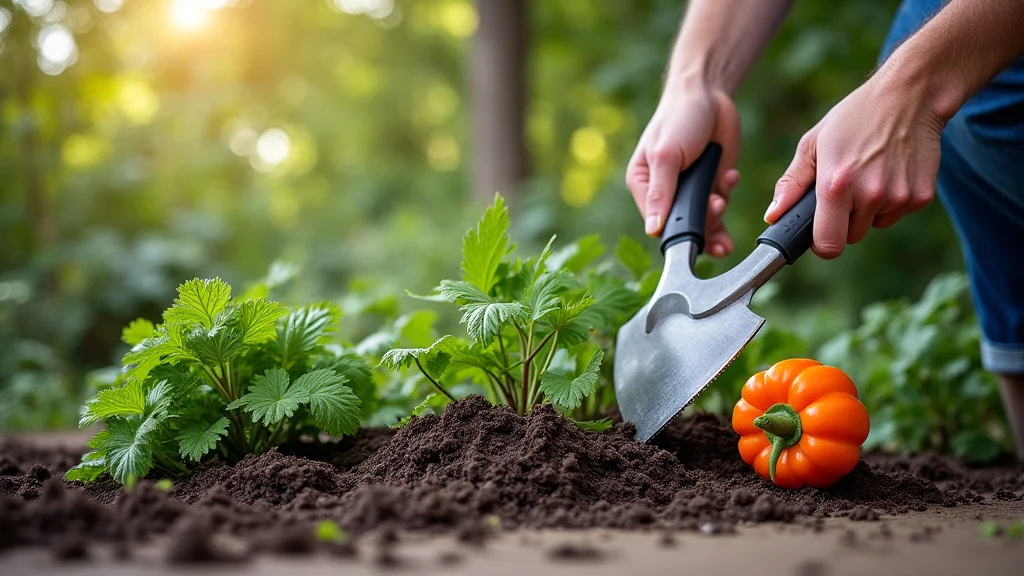
Remember that time you tried to plant some seeds with a spoon? It didn’t go so well, did it? Without the right tools, gardening can be a frustrating experience. But don’t worry, everyone starts somewhere! This guide will provide you with a comprehensive gardening tools list to get you started on your gardening adventure. You’ll learn the essential equipment needed to plant, nurture, and harvest your own food or create a beautiful outdoor space. By the end of this post, you’ll have a clear idea of what tools you need and how to use them, transforming you from a gardening novice to a confident grower. You’ll also learn the differences between the various tools available. This will help you choose the best equipment for your gardening needs, helping you make informed decisions and improve your gardening experience, improving your time on page and reducing bounce rate.
Key Takeaways
- This guide provides a comprehensive gardening tools list for beginners.
- You’ll learn about the different types of tools and their uses in the garden.
- Discover the essential tools needed for planting, weeding, and watering.
- Learn about the importance of tool maintenance and storage.
- You will be able to make informed decisions when buying gardening tools.
- This list will help you cultivate a successful and enjoyable gardening experience.
Essential Gardening Tools List for Beginners
Gardening is a rewarding activity that can bring beauty and sustenance to your life. To truly enjoy gardening, having the right tools is key. Think of your tools as your trusty companions in the garden. Each tool plays a specific role, working together to help you prepare the soil, plant your seeds, nurture your plants, and harvest your rewards. Let’s explore the essential gardening tools list that every beginner needs to get started on their gardening journey. These tools are the foundation upon which your gardening success will be built.
Hand Trowel and Hand Fork
The hand trowel and hand fork are two of the most indispensable tools in any gardener’s arsenal. A hand trowel is a small, scoop-shaped tool, perfect for digging small holes, transplanting seedlings, and scooping up soil. It’s especially useful when working in tight spaces or container gardens. The hand fork, on the other hand, is a small, three- or four-pronged tool used for loosening soil, removing weeds, and mixing in compost or fertilizer. Together, they form a dynamic duo for basic gardening tasks. They’re both lightweight, easy to handle, and provide you with a close-up connection with your plants.
- Planting and Transplanting: The hand trowel is perfect for digging small holes for seeds, seedlings, and small plants. It allows you to carefully place plants in the ground without disturbing their roots too much. The hand fork can help loosen the soil around the plant to help its roots grow more easily.
- Weeding and Soil Preparation: Use the hand fork to gently pry up weeds, especially in areas where you want to avoid disturbing the surrounding plants. The fork is also useful for breaking up clumps of soil and mixing in compost or other soil amendments.
- Soil Aeration: The hand fork is used to gently aerate the soil. Aeration means improving the air circulation. By gently inserting and lifting with the fork, you improve air circulation. This helps plants’ roots breathe, leading to healthier growth.
For example, if you are planting small flower seedlings, the trowel lets you dig a hole just the right size, and the fork helps to gently loosen the soil, improving drainage and making it easier for the roots to establish themselves.
Imagine your vegetable garden is overrun with small weeds. Using a hand fork is a much more delicate and precise method than a hoe. It helps you get close to your plants without accidentally uprooting the ones you want to grow.
If you have soil that becomes compacted quickly, aeration with a hand fork is a simple way to improve soil health, promoting better drainage, and helping plant roots get the oxygen they need.
Hand Rake and Garden Hoe
The hand rake and garden hoe are essential for maintaining a clean and well-prepared garden. The hand rake is smaller, designed for working in tight spaces and performing tasks like leveling soil or gathering leaves. A garden hoe is typically a long-handled tool with a flat blade used for weeding, cultivating soil, and creating furrows for planting. These tools work in tandem, the rake helping you prepare the soil surface, while the hoe takes on the bigger tasks of weed control and soil maintenance. They’re both indispensable for soil preparation and maintenance.
- Preparing Soil: The rake smooths the soil surface, breaking up clumps, and creating a level surface for planting. The hoe chops off weeds.
- Weeding: The hoe is an important tool for eliminating weeds that compete for your plants.
- Soil Cultivation: These tools will ensure the soil is loose to provide air, water, and nutrients to the roots of your plants. This is a very important part of healthy plants.
Before planting a vegetable garden, the rake ensures the soil is even, making planting easier. The hoe is used for the initial clearing and loosening of the soil, making it ready for planting.
Regular use of a hoe helps to keep your garden tidy, reducing competition and allowing your plants to thrive. Weeding early and often reduces the amount of work required to keep the garden neat.
If you work the soil around your plants with a hoe, you are helping the roots get the air and nutrients needed for plant growth. The loosened soil also helps water penetrate the ground and reach the roots.
Watering Can or Hose
Providing your plants with the right amount of water is key to their health and growth. This is where a watering can or a garden hose comes in handy. A watering can, with its gentle flow, is ideal for seedlings and smaller plants, ensuring a more targeted and less forceful watering. A garden hose, often paired with a nozzle, is best for larger areas and established plants. Using these tools, you can ensure your plants get the water they need, when they need it, leading to a vibrant and healthy garden. Water is the lifeblood of the garden.
- Targeted Watering: Use a watering can to deliver water directly to the base of plants. Hoses with spray nozzles can be helpful as well.
- Watering Large Areas: Hoses, particularly with spray nozzles, are efficient for watering larger areas, such as lawns or rows of vegetables.
- Efficient Water Usage: Both watering cans and hoses help you avoid water waste, preventing water from being lost to evaporation or runoff.
For young seedlings, a watering can helps you control water flow, preventing damage to delicate stems and leaves. A gentle watering can, like one with a rose head, delivers water to a targeted area.
When watering a large area, such as a vegetable patch, the hose helps make the process more efficient. It also helps with even watering.
A hose with an adjustable nozzle allows you to select the appropriate water flow, reducing wastage. A watering can allows for very directed watering.
Additional Useful Tools for Your Gardening Tools List
While the tools mentioned above are considered essential, other tools can greatly enhance your gardening experience. These additional tools will make gardening tasks easier, more efficient, and more enjoyable. They can help you with tasks from pruning to harvesting and beyond. They will also improve the overall success of your gardening endeavors. These tools provide specialized help for specific gardening tasks.
Gardening Gloves
Gardening gloves are a simple, yet essential tool for any gardener. They protect your hands from dirt, thorns, and potential irritants. They also provide a better grip on tools, making gardening tasks easier and more comfortable. They are an investment in the comfort and safety of your hands, allowing you to focus on the pleasure of gardening. Gloves make gardening tasks much easier.
- Hand Protection: Gardening gloves shield your hands from dirt, scratches, thorns, and irritants like poison ivy.
- Better Grip: Gloves provide a secure grip on tools, preventing slippage and improving control, especially when wet.
- Comfort and Hygiene: Gardening gloves keep your hands clean and prevent blisters, making gardening more comfortable and enjoyable.
If you have sensitive skin, gardening gloves prevent contact with potential irritants, enabling you to work in the garden without discomfort.
When using pruning shears or shovels, gloves improve grip and control, allowing for more precise work.
Gloves keep your hands clean. This helps reduce the need for excessive hand washing and prevents potential infections from minor cuts or abrasions.
Pruning Shears
Pruning shears, also known as hand pruners or secateurs, are used for trimming and shaping plants. They are crucial for maintaining the health and aesthetics of your plants. Regular pruning encourages new growth, improves air circulation, and can prevent diseases. Investing in a good pair of pruning shears is a must for any gardener who wants to keep their plants healthy and thriving. Proper pruning keeps your plants healthy.
- Precise Cutting: Pruning shears provide clean cuts, promoting the healing of plants and preventing disease transmission.
- Shaping and Maintenance: Use pruning shears to shape plants, remove dead or overgrown branches, and maintain their appearance.
- Preventing Disease: Pruning improves air circulation, which can reduce the risk of plant diseases.
When removing dead or diseased branches, clean cuts ensure the wound heals faster and the plant is not exposed to fungal or bacterial infections.
For rose bushes, regular pruning enhances their shape, promotes flower production, and opens the plant to light and air circulation.
By removing crowded branches, pruning shears allow better air movement, thus reducing the humidity around the plant, which makes it less susceptible to disease.
Garden Fork
The garden fork is a heavy-duty tool used for turning over soil, breaking up compacted earth, and mixing in compost or other amendments. It’s a key tool for soil preparation. It can aerate soil, and is more efficient for breaking up soil than using a shovel. The garden fork is a versatile tool that can make soil preparation tasks easier and more effective. This tool makes soil preparation more efficient.
- Breaking Up Soil: The garden fork is used to break up compacted soil, making it easier for plant roots to penetrate and grow.
- Mixing in Amendments: It helps you mix compost, manure, or other soil amendments into the soil, improving its fertility and structure.
- Aeration: Aerating is a process to improve airflow in the soil. The fork is also used to aerate the soil, providing better air circulation and drainage.
In clay soil, a garden fork helps to break up the dense structure, improving drainage and aeration, which is essential for healthy root development.
Mixing compost with a garden fork ensures even distribution of nutrients, which will benefit plants by creating healthier soil.
Use the garden fork to gently lift and turn the soil to create air pockets, which are essential for healthy root growth and nutrient absorption.
Choosing the Right Tools for Your Needs
Selecting the right gardening tools can be an exciting process. Consider the size of your garden, the types of plants you plan to grow, and your budget when choosing tools. Quality tools, although possibly more expensive initially, often prove to be a better investment, as they last longer and perform better. Consider how often you will use each tool. Choosing the right tool will make gardening more enjoyable.
Consider Your Garden Size
The size of your garden impacts the tools you will need. A small balcony garden might only require a hand trowel, hand fork, and a watering can. Larger gardens will demand tools like a garden hoe, garden fork, and a longer hose. Consider how much space you’ll be working in, as well as the types of plants you will be growing. The size of your garden determines your tool needs.
- Small Gardens and Containers: Hand tools like trowels, forks, and small watering cans are ideal.
- Medium-Sized Gardens: Add a hoe, hand rake, and a larger watering can or hose to your collection.
- Large Gardens: A garden fork, wheelbarrow, and possibly power tools will be useful for larger spaces.
For balcony gardens, you will have a limited amount of space. This means you will not need a lot of tools. Consider using raised beds or containers.
Vegetable gardens and flower beds benefit from a larger watering setup for ease of watering and soil maintenance.
Large gardens often include lawns, vegetable gardens, and flower beds. This will require larger tools.
Consider the Types of Plants
The plants you grow influence the types of tools you need. If you’re growing vegetables, a hoe and garden fork will be essential for soil preparation and weeding. If you’re focused on flowers and shrubs, pruning shears and a hand trowel are essential. Consider what you are going to grow before buying your tools. Consider the plants you grow when deciding on your tools.
- Vegetable Gardens: Hoes, garden forks, and rakes are essential for preparing the soil, weeding, and maintaining pathways.
- Flower Gardens: Pruning shears, hand trowels, and hand forks are important for maintaining beauty.
- Shrub and Tree Gardens: Loppers, pruning saws, and a sturdy shovel may be required for managing larger plants.
A hoe is your friend for weed control, while the garden fork helps you turn the soil before planting.
Pruning shears are useful for cutting stems for beauty, and the hand tools assist in planting and tending to the flowers.
For shrubs and trees, having the right tools for pruning and caring for them will make the work easier.
Consider Quality and Budget
Investing in quality tools can improve the gardening experience and save money over time. While the upfront cost may be higher, quality tools often last longer, perform better, and are more comfortable to use. Consider how often you will use a tool. Buying the right tools will make gardening more enjoyable. Buying quality tools makes gardening a worthwhile investment.
- Tool Material: Tools made from stainless steel or other rust-resistant materials are more durable.
- Handle Material: Look for handles made of durable, comfortable materials, such as wood or fiberglass.
- Tool Reviews: Research different brands and read reviews to ensure you’re investing in quality tools.
High-quality tools made of durable materials will withstand regular use and exposure to the elements.
Wood handles provide a comfortable grip, while fiberglass handles are strong and lightweight.
Reviews will provide you with information about the tool’s durability and performance.
Here’s a comparison table:
| Tool Type | Material | Features | Benefits |
|---|---|---|---|
| Trowel | Stainless Steel | Comfort Grip Handle | Durable and Easy to Use |
| Hand Fork | Forged Steel | Ergonomic Design | Strong and Efficient |
| Pruning Shears | Carbon Steel Blades | Bypass Design | Clean Cuts, Prevents Disease |
Maintaining and Storing Your Gardening Tools
Proper tool maintenance extends the life of your tools, making your gardening activities easier. Cleaning, sharpening, and storing your tools correctly prevents rust, keeps them in good condition, and ensures they are always ready for use. By taking care of your tools, you’ll save money on replacements and make sure your gardening experience is always enjoyable. Good maintenance ensures that your tools last longer and perform better.
Cleaning Your Tools
Cleaning your gardening tools after each use is an important step. This removes soil, sap, and other debris that can lead to rust and corrosion. Regular cleaning keeps your tools looking their best, and it ensures they function properly. Clean tools make gardening easier.
- Remove Debris: Wipe off soil and plant debris with a brush or cloth after each use.
- Wash Tools: Wash tools with soapy water to remove any sticky residue.
- Dry Tools: Ensure tools are completely dry before storage. This helps prevent rust.
Cleaning tools after use removes dirt and prevents the spread of diseases.
A good washing removes all traces of dirt and sticky residue from plants.
Allow the tools to dry completely so that they are rust-free.
Sharpening Your Tools
Sharpening tools like pruning shears, hoes, and shovels makes them more effective and easier to use. A sharp edge on your tool requires less effort to cut and dig, preventing damage to the plants and reducing the strain on your body. Sharpening is easy and a great step in tool maintenance. Sharp tools lead to better results.
- Pruning Shears: Use a sharpening stone or file to maintain a sharp edge on your pruning shears.
- Hoes and Shovels: Sharpen the blades of hoes and shovels regularly with a file or grinder.
- Frequency: Sharpen tools as needed, depending on how often they are used.
A sharp pair of pruning shears cuts stems cleanly.
Sharp hoes will make weeding much easier.
Keep a sharp edge on tools, so that you do not have to strain your body.
Proper Storage
Storing your gardening tools in a dry, covered area helps protect them from the elements. This prevents rust, corrosion, and other damage, extending the life of your tools. A dedicated storage area makes it easy to find your tools when you need them, and keeps your garden space organized. Proper storage will keep your tools safe and organized.
- Storage Location: Store tools in a shed, garage, or tool rack where they are protected from weather.
- Hanging Tools: Hang long-handled tools to save space and keep them organized.
- Tool Rack: Use a tool rack or pegboard to keep tools organized and within reach.
Protect your tools from the elements.
Organize tools for easy access.
Organize your tools for easy access.
Frequently Asked Questions
Question: What’s the best way to clean rusty gardening tools?
Answer: Remove loose rust with a wire brush, then soak the tools in a vinegar solution (equal parts vinegar and water) for a few hours. Rinse, dry thoroughly, and apply a light coat of oil to prevent future rust.
Question: How often should I sharpen my pruning shears?
Answer: Sharpen your pruning shears whenever the blades begin to feel dull or struggle to cut cleanly, usually after several uses. Regular sharpening makes a big difference.
Question: Can I use household oil to lubricate my gardening tools?
Answer: Yes, you can use household oil, such as a 3-in-1 oil, to lubricate the moving parts of your gardening tools, such as pruning shears or loppers. This will keep them working smoothly.
Question: What’s the best way to store long-handled tools?
Answer: Store long-handled tools by hanging them on a wall or in a tool rack. This keeps them off the ground, protects them from moisture, and saves space in your shed or garage.
Question: What are the main benefits of using gardening gloves?
Answer: Gardening gloves provide protection from dirt, thorns, and irritants, while also improving grip and reducing blisters. They keep your hands clean and safe.
Final Thoughts
Now that you have explored the essential gardening tools list, you’re well-equipped to start or enhance your gardening journey. Remember, having the right tools is like having the right teammates in a sports team. They make the job easier, more effective, and more enjoyable. From the hand trowel to the garden fork, each tool plays a part in preparing your soil, planting your seeds, and harvesting your rewards. By choosing the right tools, maintaining them properly, and understanding their uses, you’ll be well on your way to a thriving and beautiful garden. So, gather your tools, get outside, and start growing! Whether you’re aiming for a lush flower bed or a bountiful vegetable garden, with the right tools, you’re set up for success! Don’t wait – start planning and growing today!