
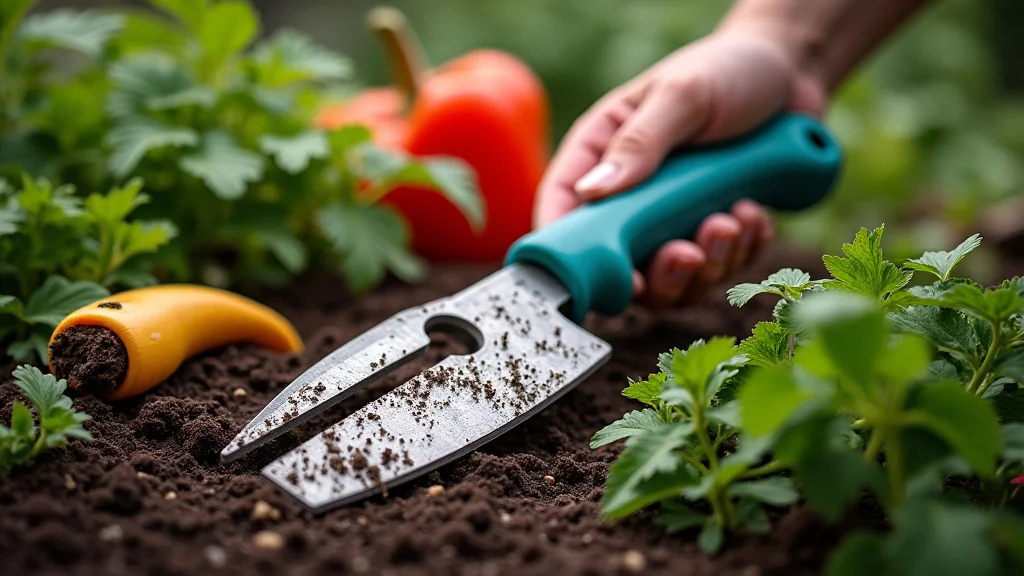
Remember that time your trowel snapped in half just as you were about to plant your prized tomato seedling? We’ve all been there! Choosing the right gardening tools is like assembling the perfect team; each one plays a vital role in a flourishing garden. This post helps you find the right tools to get the job done and your garden growing. You’ll learn the 10 essential gardening tools to elevate your gardening game. You’ll find out the features of each tool and what they are used for. Prepare to be amazed by the knowledge you gain and see a significant improvement in the health and vitality of your garden, making your gardening experience more enjoyable and efficient.
Key Takeaways
- Discover the 10 must-have gardening tools for both novice and experienced gardeners.
- Learn the purpose and benefits of each tool.
- Find out how to choose quality tools that will last.
- Understand how to use and maintain your tools for optimal performance.
- Enhance your gardening efficiency and enjoyment with the right equipment.
- Gain a deeper appreciation for the art and science of gardening.
Essential Gardening Tools for Success
Gardening can be a fulfilling hobby, but without the right equipment, it can quickly turn into a frustrating chore. A well-equipped gardener is a happy gardener. Let’s explore the essential gardening tools that every gardener needs, from beginners to experts. These tools are the foundation for a thriving garden, whether you’re growing vegetables, flowers, or herbs. Having the correct tools makes every task easier and more enjoyable. From preparing the soil to harvesting your bounty, these ten tools will become your trusted companions in the garden.
The Trowel: Your Planting Pal
The trowel is a small, handheld tool with a curved, scoop-shaped blade. It is an indispensable tool for every gardener. You will use it for digging small holes for planting seedlings, transplanting plants, and scooping up soil. Its small size makes it perfect for working in tight spaces, such as flower beds or containers. A good quality trowel should be made from durable materials like stainless steel or forged metal to withstand the rigors of digging in various soil types. A comfortable handle is also important for prolonged use. A well-designed trowel can make planting and transplanting quick and easy, minimizing damage to delicate roots.
- Planting: Use the trowel to dig holes for seedlings, ensuring they’re deep enough to cover the roots.
- Transplanting: Carefully lift plants from one location to another, minimizing root disturbance.
- Weeding: The trowel can also be used to remove small weeds from the soil.
- Soil Amendments: It can mix compost or fertilizer into the soil around plants.
A study by the National Gardening Association found that home gardeners who used the proper tools increased their yield by an average of 15%.
The Hand Rake: Smooth Operator
A hand rake is a small, handheld tool with a flat head and tines (teeth) that is used for a variety of tasks in the garden. This tool is your go-to for leveling soil, removing debris, and preparing seedbeds. It’s a fundamental tool for maintaining a neat and tidy garden. The hand rake’s design allows for precise work in smaller areas, making it ideal for flower beds and vegetable patches. Choose a hand rake with sturdy tines and a comfortable handle. The best hand rakes often feature a curved head design, making it easier to gather leaves and other loose materials.
- Leveling Soil: Even out the soil surface before planting or laying down mulch.
- Removing Debris: Clear away leaves, twigs, and small stones.
- Preparing Seedbeds: Create a smooth, finely textured seedbed for sowing seeds.
- Weeding: Use the tines to gently pull out shallow-rooted weeds.
The Garden Fork: Your Soil’s Best Friend
A garden fork, also known as a digging fork, is a long-handled tool with four or more sturdy tines. It’s designed for turning and aerating soil. It is especially useful for breaking up compacted soil and incorporating compost or other organic matter. This will create a healthier environment for plant roots to grow. Unlike a spade, a garden fork penetrates the soil without slicing through earthworms or damaging root systems. The garden fork is an essential tool for those looking to improve soil structure and drainage. A quality garden fork should have strong tines and a handle that is comfortable to grip. It will handle the toughest jobs with ease.
- Turning Soil: Loosen and aerate soil to improve drainage and root growth.
- Incorporating Compost: Mix compost, manure, or other organic matter into the soil.
- Breaking Up Clods: Break up clumps of soil for a finer texture.
- Harvesting Root Vegetables: Carefully lift potatoes, carrots, and other root vegetables.
The Pruning Shears: The Plant Sculptor
Pruning shears, also known as hand pruners or secateurs, are small, handheld tools with sharp blades for cutting stems and branches. They are crucial for maintaining the health and shape of your plants. Regular pruning promotes new growth, increases fruit or flower production, and removes dead or diseased branches. There are two main types: bypass pruners, which make a clean cut, and anvil pruners, which are better for dead wood. Choosing the right pruning shears and knowing how to use them correctly will make a big difference in the health and appearance of your plants. Look for sharp, durable blades and a comfortable grip.
- Pruning Stems and Branches: Remove dead, diseased, or overgrown parts of plants.
- Shaping Plants: Control the size and shape of shrubs and bushes.
- Harvesting: Snip flowers or herbs for bouquets or culinary use.
- Maintaining Health: Improve air circulation and light penetration, reducing the risk of disease.
The Garden Hoe: The Weed Warrior
The garden hoe is a long-handled tool with a flat blade used for weeding, tilling, and shaping soil. The hoe is a versatile tool that can be used for a wide range of gardening tasks, from preparing seedbeds to creating rows for planting. The blade’s angle and sharpness help slice through weeds just below the soil surface, preventing their regrowth. There are several types of hoes, including the draw hoe (used by pulling towards you) and the stirrup hoe (which cuts on both the push and pull). The hoe is a key tool in any gardener’s arsenal to maintain a weed-free garden, with a long handle to make it easy to reach across the garden. Select a hoe with a sharp, durable blade that can withstand frequent use.
- Weeding: Remove weeds by slicing them off at or just below the soil surface.
- Cultivating: Break up the soil surface to improve aeration and water penetration.
- Hilling: Draw soil around the base of plants, such as potatoes.
- Creating Rows: Make neat rows for planting seeds or seedlings.
According to research from the University of California, regularly hoeing your garden can reduce the need for herbicides.
The Watering Can: The Hydration Hero
A watering can is an essential tool for providing water to your plants. This is especially true for container plants, newly planted seedlings, and areas where a hose is not easily accessible. It allows you to water plants gently and precisely, avoiding overwatering or damaging delicate foliage. Watering cans come in various sizes and materials, from plastic to galvanized steel. Choose a size that suits your needs and a design that is comfortable to carry. The spout design is also significant; a rose (sprinkler head) helps distribute water evenly, while a straight spout is good for direct watering.
- Watering Plants: Provide targeted water to plants, especially in containers or areas with limited access.
- Seedling Care: Water young seedlings gently to avoid dislodging them from the soil.
- Spot Watering: Water individual plants or areas that need extra moisture.
- Adding Fertilizer: Use to distribute liquid fertilizer evenly.
Gardening Gloves: Protecting Your Hands
Gardening gloves are a crucial piece of equipment that protects your hands from dirt, thorns, and potential irritants. Gloves allow you to work comfortably and safely in the garden. They come in various materials, including leather, rubber, and fabric, each offering different levels of protection and breathability. Choose gloves that fit well and allow for dexterity. Gardening gloves help prevent blisters, cuts, and exposure to harmful chemicals. They also keep your hands clean. Investing in a good pair of gloves is a smart investment.
- Protecting Hands: Shield your hands from dirt, thorns, and sharp objects.
- Preventing Irritation: Protect your skin from contact with soil and chemicals.
- Improving Grip: Allow for a better grip on tools and plants.
- Maintaining Cleanliness: Keep your hands clean while working in the garden.
The Hand Weeder: Precision Removal
A hand weeder is a small, handheld tool designed to remove weeds from the soil, especially those with deep roots. It is perfect for getting rid of weeds that are in tight spaces, or between paving stones. They are also good for taproots. This tool is a great addition to the hand rake and hoe. The hand weeder features a pointed or forked tip that is inserted into the soil beside the weed. The weed is removed along with its root system. A sharp blade or a lever design makes it easy to remove weeds without bending or stooping. Using a hand weeder prevents weeds from returning. It is a must-have for maintaining a weed-free garden.
- Removing Weeds: Target and remove weeds with deep or established root systems.
- Preserving Plants: Avoid damaging desirable plants when removing weeds.
- Tight Spaces: Access and remove weeds in tight spaces and between paving stones.
- Easy Grip: Offers a comfortable grip.
The Garden Hose: The Water Distributor
A garden hose is an essential tool for watering plants and providing water for various garden tasks. It can be used for spot watering, irrigating large areas, and washing off patios and walkways. It comes in various lengths and materials, including rubber and vinyl. Choose a hose that is durable and kink-resistant. Look for a nozzle with adjustable spray patterns for versatility. A good garden hose can make watering more convenient and efficient. You can attach sprinklers or other irrigation tools for automatic watering. A well-maintained garden hose is a must-have tool for any gardener.
- Watering Plants: Provide a steady water source for your plants.
- Cleaning: Wash off patios, walkways, and garden furniture.
- Sprinklers: Attach sprinklers for automated irrigation.
- Outdoor Use: Use the hose to fill buckets and other containers.
The Wheelbarrow: The Moving Marvel
A wheelbarrow is a versatile tool for transporting soil, compost, mulch, and other garden materials. It’s an important tool, especially for larger gardens. It makes moving heavy loads much easier. Wheelbarrows come in different sizes and materials, including plastic and metal. Choose a wheelbarrow with a sturdy frame, a strong wheel, and a comfortable handle. A wheelbarrow saves you time and energy. It helps streamline your gardening tasks. A wheelbarrow is a valuable asset for any gardener involved in large-scale planting or garden maintenance.
- Transporting Materials: Move soil, compost, mulch, and other garden materials.
- Moving Plants: Transport plants and seedlings around the garden.
- Mixing Materials: Use as a mixing container for soil amendments.
- Cleaning: Make it easier to clean up the garden after projects.
According to the U.S. Department of Agriculture, using a wheelbarrow can significantly reduce the physical strain of gardening tasks.
Frequently Asked Questions
Question: What’s the best material for garden tools?
Answer: Stainless steel or forged metal for durability and resistance to rust, handles made of wood or composite materials for comfort and grip.
Question: How do I choose the right size gardening gloves?
Answer: Measure your hand from the base of your palm to the tip of your middle finger, then select gloves that fit comfortably without restricting movement.
Question: How often should I sharpen my pruning shears?
Answer: Sharpen your pruning shears at least once or twice per year, or as needed, to ensure clean cuts.
Question: How do I store my gardening tools?
Answer: Store your tools in a dry, covered space, such as a shed or garage, to protect them from weather and damage.
Question: What’s the best way to clean my gardening tools?
Answer: After each use, wipe tools clean of dirt and debris, wash with water and soap if necessary, and dry thoroughly to prevent rust.
Final Thoughts
Having the right 10 gardening tools can make a world of difference in your gardening experience. From the simple trowel to the sturdy wheelbarrow, each tool has a purpose that aids in creating a thriving garden. Now that you’ve explored the essentials, it’s time to gather your gardening tools and get planting! With these ten tools in your arsenal, you’re well-prepared to tackle any gardening challenge. Enjoy the process, and remember that every gardener starts somewhere. Now go forth, grab your gloves, and start growing!