
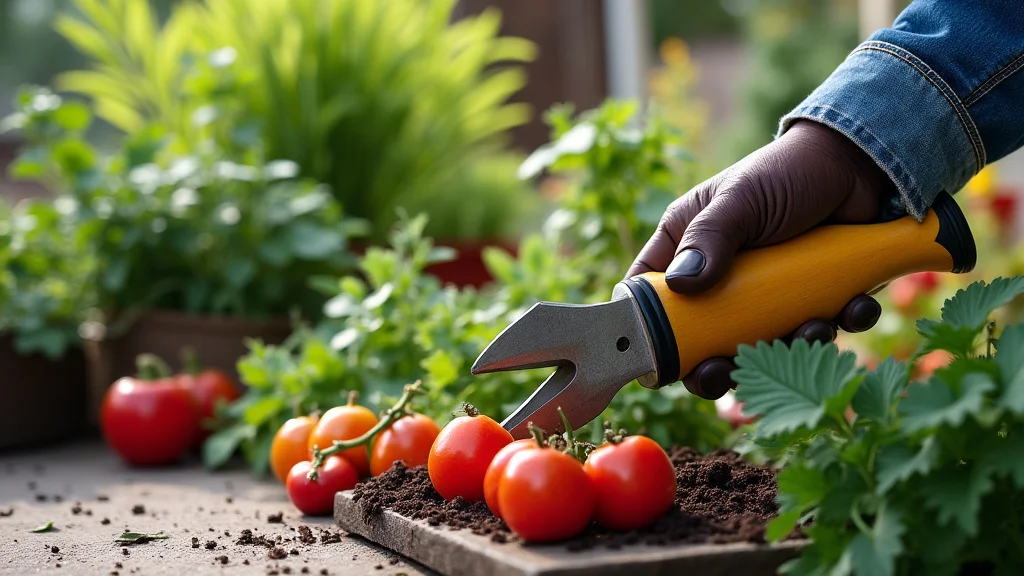
Remember that time you tried to plant some seeds with a spoon? I do! It was a disaster. The spoon bent, the soil was everywhere, and my little seedlings didn’t stand a chance. That experience taught me a valuable lesson: you need the right tools for gardening! This guide will help you discover the essential tools for gardening, whether you’re just starting a tiny herb garden or planning a sprawling vegetable patch. By the time you’re done reading, you’ll know exactly what you need to get your hands dirty and grow some amazing plants. Get ready to learn, and get ready to grow!
Key Takeaways
- You’ll discover the essential hand tools for various gardening tasks.
- Learn about the different types of soil tools and their specific uses.
- Understand the importance of watering tools and techniques.
- Explore tools for planting, pruning, and protecting your plants.
- Find out how to choose the best tools for your needs.
- Get tips on maintaining and storing your tools for longevity.
Essential Hand Tools for Every Gardener
Every gardener, from the newbie to the experienced green thumb, knows the value of good hand tools. These are the tools you’ll use most often, so choosing the right ones can make a huge difference in your gardening experience. They’re your extensions in the garden, and they help you perform a wide range of tasks with precision and ease. From preparing the soil to planting seeds and harvesting crops, hand tools are the heart of your gardening efforts. They’re often compact and easy to maneuver, making them ideal for smaller gardens, raised beds, or container gardening. Investing in quality hand tools is an investment in your gardening success.
Trowel and Hand Fork
The trowel and hand fork are probably the two most used tools in a gardener’s arsenal. A trowel is a small, hand-held shovel, perfect for digging small holes for planting seedlings, transplanting small plants, or scooping up soil. The hand fork, on the other hand, has several tines. It’s used for breaking up clumps of soil, mixing in compost, and gently loosening the soil around plants without damaging their roots. Both tools are essential for preparing the soil and handling plants with care. They’re generally easy to find and come in different sizes, so choose ones that feel comfortable in your hand.
- The trowel is best for digging small holes.
- A hand fork is good for loosening and aerating soil.
- Look for comfortable handles to reduce hand strain.
- Choose tools made of rust-resistant materials.
Hand Weeder and Cultivator
Weeds are the bane of every gardener’s existence. A hand weeder, sometimes called a weeding knife, is a small tool with a pointed or forked end used to remove weeds, roots, and all. It can get into tight spaces and pull weeds out effectively, preventing them from taking over your garden. The cultivator is a small tool with multiple tines, great for loosening the soil surface, breaking up crusts, and aerating the soil around plants. Both of these tools are designed to make weeding and soil maintenance easier. Using these tools regularly will keep your garden looking neat and your plants thriving.
- A hand weeder helps you remove weeds effectively.
- A cultivator is used to loosen soil.
- Select tools with ergonomic handles for comfortable use.
- Regular use of these tools keeps weeds at bay.
Soil Preparation Tools for Healthy Gardens
Healthy soil is the foundation of a successful garden. Properly preparing your soil is vital for plant growth, providing the nutrients, drainage, and aeration your plants need. These tools are designed to work the soil, from breaking up hard clumps to incorporating amendments like compost and fertilizer. Depending on the size of your garden and the type of soil you have, you might need several different tools. However, investing in a few good soil preparation tools will make the work easier and help your plants flourish. Preparing the soil is an important step toward a thriving garden.
Garden Hoe
A garden hoe is a versatile tool used for various soil-related tasks. It typically has a flat, blade-like head attached to a long handle, allowing you to stand upright while you work. The primary use of a hoe is for weeding, as it can slice through weeds at the soil surface, effectively removing them. It’s also used for breaking up soil clods, creating furrows for planting seeds, and hilling soil around plants. The type of hoe that you choose can vary, such as the standard draw hoe, which you pull toward you, or the push-pull hoe, which works on both the push and pull strokes. The best hoe will be the one that suits your needs and garden size.
- The hoe efficiently removes weeds.
- It helps with soil cultivation and leveling.
- It comes in different styles.
- It’s best used when the soil is slightly moist.
Spade and Shovel
Spades and shovels are essential for larger gardening tasks. A spade is designed with a flat blade and is used for digging, edging, and moving soil. It’s ideal for tasks that require precision, like transplanting plants or defining the edges of your garden beds. A shovel, on the other hand, has a slightly curved blade and is mainly used for moving large quantities of material, such as soil, compost, or mulch. Both tools come with long handles, so you can work standing up. You should select the right tool based on the project at hand. These are essential tools for any serious gardener.
- A spade is great for digging and transplanting.
- A shovel is useful for moving soil and other materials.
- Choose handles that are long and comfortable.
- Consider the material of the blade for durability.
Watering Tools for Thriving Plants
Water is essential for plant survival and growth. Having the right watering tools can ensure that your plants get the water they need in the right amount at the right time. There are various watering tools, each serving different purposes and suited to different gardening situations. Whether you have a small patio garden or a large vegetable plot, proper watering techniques and tools are crucial for keeping your plants healthy and productive. Remember that the best approach to watering is one that delivers water directly to the roots without wasting it or damaging the foliage. Take into consideration how often you need to water plants and choose a method that can keep them happy and strong.
Watering Can
A watering can is a simple yet essential tool for watering plants, especially in smaller gardens or containers. Its primary advantage is that it offers precise control over water distribution, allowing you to target specific areas and avoid overwatering. Watering cans come in different sizes, with varying spout designs. The rose, which is a sprinkler head attachment, diffuses the water, making it perfect for seedlings and delicate plants. The size of your watering can will depend on your needs. A smaller can is ideal for indoor plants or container gardens. A larger can is better for outdoor plants and gardens. The watering can is an inexpensive and reliable way to provide water to the plants. It’s important to choose one that is comfortable to hold and easy to use.
- Watering cans are perfect for small gardens or containers.
- A rose helps distribute water gently.
- They offer good control.
- You can avoid overwatering.
Hoses and Sprinklers
For larger gardens, hoses and sprinklers are much more efficient watering options. A garden hose with a nozzle allows you to direct water where it’s needed, ideal for spot-watering specific plants or areas. You can choose different nozzles for various spray patterns, from a gentle shower to a powerful jet. Sprinklers come in many different forms, including oscillating sprinklers, which move back and forth, and impact sprinklers, which rotate. They’re good for watering large areas uniformly. It’s important to be mindful of water usage when using hoses and sprinklers, and it may be more appropriate to water early in the morning, which will minimize water loss through evaporation. Hoses and sprinklers help make watering easier and faster for large areas.
- Hoses are great for directed watering.
- Sprinklers water large areas.
- Nozzles offer different spray patterns.
- Choose sprinklers that match your garden’s shape and size.
Planting and Pruning Tools for Shaping Your Garden
Once you have the soil ready and a way to water your plants, you will need the tools to handle the plants themselves. Planting tools assist in getting plants into the ground. Pruning tools help keep them healthy and shaped. These tools are indispensable for planting seeds and young plants, encouraging healthy growth, and keeping your garden looking tidy. From planting seedlings to trimming bushes, the proper tools will give you better results and make gardening more enjoyable. It is better to have these tools ready to use as your garden begins to grow and change.
Transplant Trowel and Dibber
A transplant trowel is a small, specialized trowel designed for carefully transplanting seedlings or small plants. Its narrow blade allows you to dig a hole of the right size without damaging the roots. It’s perfect for moving plants from seed trays or small pots to their final growing locations in the garden. A dibber is a pointed tool used to create holes in the soil for planting seeds, seedlings, or bulbs. Its shape ensures that you can plant to the correct depth without disturbing the surrounding soil too much. These tools make planting new plants and starting your own plants much easier and more successful.
- A transplant trowel is for transplanting young plants.
- A dibber creates planting holes.
- Both help to reduce root disturbance.
- They are essential for getting plants off to a strong start.
Pruning Shears, Loppers, and Saw
Pruning is an important part of maintaining healthy plants and keeping your garden tidy. Pruning shears, also known as hand pruners or secateurs, are used for cutting small branches, stems, and flowers. They come in two main styles: bypass shears, which give a clean cut, and anvil shears, which can handle thicker branches. Loppers are long-handled pruning tools used for cutting larger branches that are too thick for hand shears. The long handles give you extra leverage, making the cutting easier. A pruning saw is used for cutting even larger branches. It has a toothed blade designed to slice through thick wood efficiently. It is important to know which tool to use. Pruning tools need to be sharp and maintained well, so they provide clean cuts that prevent disease and promote healthy growth.
- Pruning shears trim small branches.
- Loppers are for larger branches.
- A pruning saw is for big limbs.
- Sharp tools make clean cuts and prevent disease.
Choosing and Maintaining Your Gardening Tools
Having the right tools is only half the battle. Knowing how to select the best tools for your needs and how to care for them properly ensures that they last for many seasons. The quality of your tools will affect your enjoyment of gardening and the success of your garden. A well-maintained toolkit is one that is always ready to use. This can save you time and frustration, and keep your garden running smoothly. Before buying any gardening tools, be sure to take into account the size of your garden and the types of plants you plan to grow. It is also important to consider the materials your tools are made from and the type of maintenance that they will need.
Choosing the Right Tools
When selecting tools for gardening, consider the size of your garden and the types of plants you plan to grow. For example, if you have a small balcony garden, you might only need a trowel, hand fork, and watering can. For a larger vegetable garden, you’ll need a wider range of tools, including a hoe, shovel, and various pruning tools. It’s a good idea to start with the essentials and add more tools as your gardening experience and needs evolve. Think about how the tools feel in your hand. Look for tools with ergonomic handles and that feel comfortable and balanced. When possible, it’s best to invest in quality tools. Quality tools are generally constructed with better materials. Although they may cost more upfront, they will last much longer.
- Assess your garden size and plant types.
- Choose tools that fit comfortably in your hand.
- Consider the material and durability of each tool.
- Start with essentials, add more as needed.
Maintaining and Storing Your Tools
Proper maintenance is important to increase the lifespan of your tools for gardening. After each use, clean your tools, removing dirt, sap, and other debris. Use a wire brush to remove rust. Make sure that all cutting edges are sharp. Sharpening your tools regularly makes them more effective. Store your tools in a dry place, such as a shed or garage. Keeping your tools clean and dry will prevent rust and corrosion. You can protect metal parts by wiping them with oil. Wood handles should be treated with linseed oil to prevent them from drying out and cracking. Taking care of your tools is an investment of time that pays off in the long run.
- Clean tools after each use to remove debris.
- Sharpen blades regularly.
- Store tools in a dry place.
- Use oil on metal parts and wood.
According to the U.S. Bureau of Labor Statistics, the employment of grounds maintenance workers is projected to grow 4% from 2022 to 2032. This indicates that gardening and landscaping continue to be important activities, and the need for gardening tools remains strong. Furthermore, a 2023 study by the National Gardening Association found that over 77% of U.S. households participate in some form of gardening, underscoring the widespread interest in this hobby.
Frequently Asked Questions
Question: What’s the best tool for digging holes for planting seedlings?
Answer: A trowel is the perfect tool for digging small holes for planting seedlings. It’s the right size and easy to maneuver in tight spaces.
Question: How often should I sharpen my pruning shears?
Answer: Sharpen your pruning shears at least once a year, or more often if you use them frequently. Regular sharpening keeps them cutting cleanly and prevents damage to your plants.
Question: What’s the difference between a spade and a shovel?
Answer: A spade has a flat blade and is best for digging and edging, while a shovel has a curved blade that is good for moving large amounts of material.
Question: How can I remove weeds without using chemicals?
Answer: Use a hand weeder or a hoe to remove weeds. Mulching your garden beds can also help prevent weed growth.
Question: What’s the best way to water my plants when I’m away on vacation?
Answer: Consider installing a drip irrigation system or asking a friend or neighbor to water your plants. You can also use self-watering planters or water-filled globes.
Final Thoughts
So, there you have it, the essential tools for gardening that will help you cultivate a beautiful and productive garden! From the simple trowel and hand fork to the larger hoes and pruning tools, each tool plays a part in making your gardening tasks easier and more enjoyable. Remember to select tools based on the size of your garden and the types of plants you are growing, and to choose options that feel comfortable in your hands. Taking the time to keep your tools clean, sharpened, and stored properly will make them last longer, so they are ready when you need them. With the right tools for gardening, you’ll be well on your way to creating your own little piece of paradise. So, grab your tools, get outside, and start growing!