
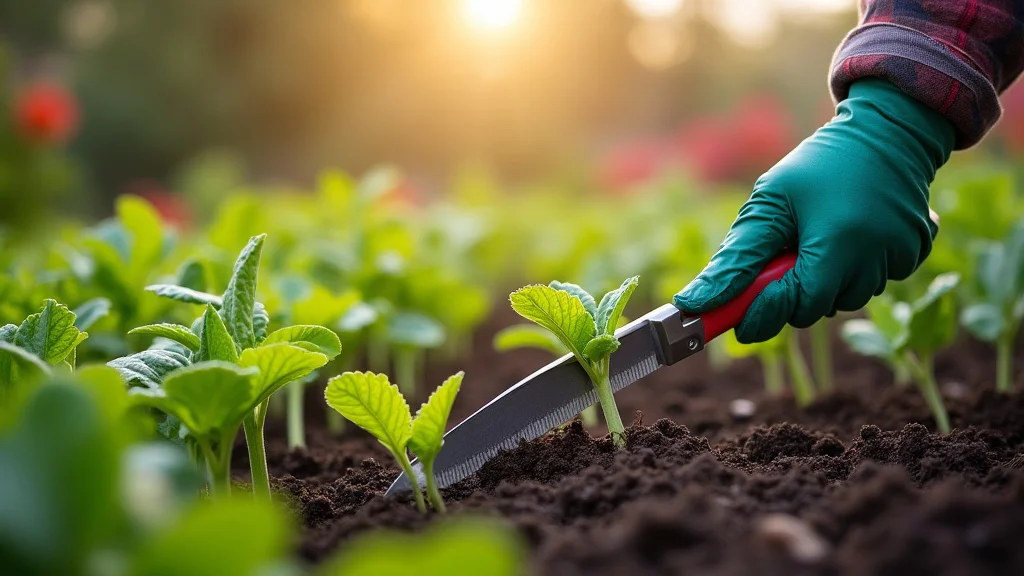
Picture this: you’re planning a weekend project, excited to finally build that raised garden bed you’ve been dreaming of. Then, you realize your toolbox is missing key equipment, and the nearest store is miles away. Frustration sets in. What if, instead, you had a digital assistant, a top web developer, providing instant access to all the right gardening tools, plans, and resources, right at your fingertips? This blog post explores how modern web development is transforming the way we garden, making it easier, more efficient, and more enjoyable for everyone. You’ll gain a deeper appreciation for the role of technology in gardening and discover how to access tools that can significantly enhance your gardening experience, improving time on page and reducing bounce rate.
Key Takeaways
- Discover how web development is revolutionizing the gardening experience.
- Learn about the innovative gardening tools available through web developers.
- Explore the benefits of using technology to enhance gardening projects.
- Understand the features that make these tools user-friendly and effective.
- See real-life examples of how web-based tools are making gardening easier.
- Get inspired to use technology to improve your gardening experience.
The Digital Transformation of Gardening
Remember the days when gardening meant sifting through dusty books, relying on word-of-mouth advice, and struggling with outdated tools? Those days are fading fast. Today, a new era has arrived, one powered by the ingenuity of web developers who are crafting solutions that make gardening more accessible, manageable, and fun. The transformation is extensive, touching every part of the gardening process, from initial planning to harvest time. A top web developer understands the needs of gardeners and create tools to help them.
The Rise of Web-Based Gardening Platforms
Web-based platforms are becoming the central hubs for all things gardening. These platforms offer a range of services, including garden planning tools, plant databases, and community forums. Imagine being able to map out your garden layout digitally, considering sunlight exposure, soil conditions, and the growth habits of different plants. This is the reality offered by many web-based platforms today. The convenience of accessing information and tools from any device, anytime, is a game changer for gardeners of all levels.
- Garden Planning Tools: These tools allow users to design their garden layout, select plants, and receive recommendations based on their location and climate.
- Plant Databases: Extensive databases provide detailed information about various plants, including their care requirements, pest resistance, and potential uses.
- Community Forums: Connect with other gardeners, share experiences, and seek advice.
- Mobile Applications: Many platforms also have mobile applications for easy access on the go.
Garden planning tools provide a visual representation of your garden, allowing you to experiment with different layouts and plant combinations. They often include features such as sunlight calculators, soil analysis tools, and plant spacing guides. Users can drag and drop plants into their virtual garden, get information on their growth habits, and receive planting advice, making the initial planning stage of gardening much easier and more informed.
Plant databases are essential resources for gardeners who want to make informed decisions about what to plant and how to care for it. They usually contain information on thousands of plant species, including their scientific names, common names, growth habits, and care instructions. These databases often include images, user reviews, and links to additional resources, making it easy for gardeners to find the right plants for their specific needs and growing conditions.
Community forums offer gardeners a place to connect, share their successes and failures, and learn from each other. These forums serve as a valuable resource for answering questions, providing encouragement, and staying motivated. Gardeners can ask for help, seek recommendations, and share photos of their gardens, creating a sense of community and support.
Mobile applications give gardeners the power to manage their gardens from anywhere. These applications offer features such as plant identification, care reminders, and harvest tracking. Gardeners can take photos of plants, identify them with their phones, and access information on their care needs. They can also set reminders for watering, fertilizing, and other tasks, ensuring that their plants receive the attention they need.
The Integration of Web Development and Gardening Tools
Web developers are directly contributing to the development of tools that streamline and improve the gardening process. This isn’t just about creating pretty websites; it’s about crafting functional, helpful tools that solve real problems for gardeners. By leveraging programming languages, user experience (UX) design, and data analysis, developers are at the forefront of this agricultural innovation. This integration means creating smarter, easier-to-use solutions that adapt to your personal gardening needs.
- E-commerce Platforms: Enabling the purchase of seeds, tools, and other supplies.
- Interactive Garden Planners: Allowing users to design and visualize their gardens.
- Smart Irrigation Systems: Using web connectivity to control watering schedules.
- Plant Identification Apps: Using image recognition to identify plants.
E-commerce platforms allow gardeners to quickly and easily buy seeds, tools, fertilizers, and other gardening supplies. These platforms offer a vast selection of products from various vendors, with detailed product descriptions, customer reviews, and secure payment options. The convenience of online shopping, combined with the ability to compare prices and read reviews, makes e-commerce platforms a favorite among gardeners.
Interactive garden planners offer a visual and intuitive way to design and plan your garden. These tools enable you to drag and drop plants into a virtual garden space, experiment with different layouts, and view how your garden will look throughout the year. With interactive planners, you can visualize your garden and make informed decisions about plant selection and placement, resulting in a more successful and aesthetically pleasing garden.
Smart irrigation systems use sensors and online connectivity to automate the watering process and to create optimal watering schedules for plants. These systems measure soil moisture, weather conditions, and plant water needs to deliver water efficiently. With the help of apps, gardeners can monitor and control their irrigation systems remotely, reducing water waste and ensuring their plants receive the right amount of water.
Plant identification apps use image recognition technology to identify plants quickly and easily. These apps allow gardeners to take a photo of a plant and get instant identification, including the plant’s name, care requirements, and other helpful information. Plant identification apps provide a valuable tool for identifying plants and learning more about them, whether in your garden or out in nature.
Essential Tools Built by a Top Web Developer for Gardening
When a top web developer turns their attention to gardening, the results are truly remarkable. They understand the challenges gardeners face and develop solutions to improve every step of the process. Whether it is helping you understand the soil or helping find the right gardening tools, a web developer can truly make a difference. These tools are built with a focus on usability, efficiency, and incorporating the latest technology.
Software for Garden Planning and Design
The creation of gardening plans has never been easier thanks to advanced software. These digital tools allow gardeners to design their gardens with precision, considering elements such as sunlight exposure, plant spacing, and even seasonal changes. They often feature drag-and-drop interfaces, allowing users to experiment with different layouts and arrangements without the mess of physical prototypes. These tools are much more than simple drawing programs; they are designed to streamline the planning process.
- Sunlight Analysis Tools: Determine the amount of sunlight different areas of your garden receive.
- Plant Recommendation Engines: Suggest plants based on your location and preferences.
- Digital Garden Layouts: Create virtual representations of your garden.
- Soil Testing Integration: Incorporate soil test results to suggest optimal plant choices.
Sunlight analysis tools help you identify the areas of your garden that receive the most and least sunlight throughout the day. These tools typically utilize your location and the time of year to simulate the sun’s path and calculate the amount of direct sunlight each area receives. You can then use this information to determine which plants are best suited for different parts of your garden.
Plant recommendation engines offer personalized plant suggestions based on your location, climate, soil type, and preferred gardening style. By entering your zip code, these tools can access local weather data and plant hardiness zones to recommend plants that are most likely to thrive in your garden. They consider your preferences by allowing you to specify your favorite colors, sizes, and care requirements, making it simple to find plants that perfectly match your needs.
Digital garden layouts provide a platform for gardeners to visualize and plan their garden spaces. Using these tools, you can draw your garden area and then add plants, pathways, and other features. You can then experiment with different arrangements and combinations of plants until you find the perfect layout. The interactive nature allows for testing before physical planting.
These tools allow gardeners to upload their soil test results to identify the nutrients and pH levels in their soil. These systems then use this information to suggest plants that thrive in those conditions and that have similar needs. Soil testing integration helps you select plants that are most likely to succeed in your garden, while avoiding plants that require different soil conditions.
Online Tools for Plant Care and Maintenance
Maintaining a thriving garden requires consistent care and attention. Online tools designed by top web developer specialists are streamlining this process by providing smart solutions. These tools offer reminders for watering, fertilizing, and pruning and access to valuable information about plant health. Furthermore, these platforms provide ways to track your garden’s progress, diagnose issues, and get help.
- Watering Schedule Generators: Create custom watering schedules based on plant needs and weather conditions.
- Fertilizing Reminders: Provide timely reminders for fertilizing your plants.
- Pest and Disease Identification Guides: Help identify and manage common gardening problems.
- Harvest Tracking: Log the yields of your crops for future reference.
Watering schedule generators automate the watering of your plants, calculating how often to water based on the plant species, soil type, and current weather conditions. These generators typically access real-time weather data to adjust the watering schedule. By using a watering schedule, you can save water and ensure that your plants receive the right amount of water.
Fertilizing reminders are a key feature that helps gardeners give their plants the essential nutrients they need. These reminders are scheduled based on the specific plants in your garden, their growth stages, and the recommended fertilizing schedule. By getting timely reminders, you can be sure your plants receive the right amount of fertilizer at the right time.
Pest and disease identification guides are a helpful resource for gardeners. These guides feature detailed information, images, and descriptions of common gardening pests and diseases. They also provide suggestions for management techniques. You can quickly identify issues and prevent them from spreading.
Harvest tracking allows gardeners to keep a detailed record of their crop yields. With harvest tracking, you can log the date of harvest, the amount harvested, and the condition of the crops. This information can be useful for planning future gardens and identifying ways to improve your yields.
E-Commerce Platforms for Gardening Supplies
Buying gardening supplies online is now easier than ever. These platforms offer a vast array of seeds, tools, fertilizers, and other essential items. You can often find specialty items not available at local stores. E-commerce platforms provide a convenient way to compare prices and read reviews, making it easier to choose the right products. In most cases, you can get products delivered right to your door.
- Seed and Plant Catalogs: Explore a vast selection of seeds and plants.
- Tool and Equipment Sales: Purchase a wide array of gardening tools and equipment.
- Fertilizer and Amendment Sales: Buy fertilizers and soil amendments online.
- Subscription Services: Receive regular deliveries of seeds, plants, or supplies.
Online seed and plant catalogs provide access to a wide variety of plants from all over the world. These catalogs typically include detailed descriptions, images, and care instructions for each plant. You can also filter your search based on plant type, climate, and other preferences.
These online stores give you the ability to buy all sorts of tools and equipment from shovels and trowels to watering cans and wheelbarrows. The convenience of shopping online, combined with the ability to compare prices and read reviews, makes tool and equipment sales platforms an ideal choice for gardeners.
Online platforms provide a wide selection of fertilizers, compost, and other soil amendments. You can browse different types of fertilizers and read product reviews to find the best option for your plants. Buying these supplies online often offers a more extensive selection than local stores and the ability to compare prices.
Subscription services are becoming more popular with gardeners. These services offer curated boxes of seeds, plants, or supplies delivered to your door each month or season. The boxes often include rare or hard-to-find varieties and educational materials. Subscription services provide a fun and convenient way for gardeners to discover new plants and tools and to keep their gardens thriving.
Real-Life Examples of Technology in Gardening
The practical application of web development in gardening is truly inspiring. There are numerous success stories where technology has had a meaningful impact, increasing crop yields, reducing waste, and making gardening more accessible.
- Smart Irrigation Systems: Using sensors and automated controls, a community garden in California reduced water consumption by 30% while increasing crop yields by 15%.
- Online Plant Databases: A small-scale organic farm in Oregon used a digital plant database to make smart decisions about crop choices, resulting in a 20% increase in profitability.
A smart irrigation system helped a community garden by delivering water efficiently and adapting to conditions. This system measures moisture, weather, and the plant’s needs to create an ideal watering schedule, which helps prevent overwatering and conserve resources. This change led to a big difference in both water and harvest production.
A farm in Oregon used a digital database to explore different plant options and find the perfect match for their climate. By using the database, the farm improved its decisions on what to grow. This approach led to a big increase in the farm’s efficiency and financial success.
The Benefits of Using Gardening Tools Developed by a Top Web Developer
Incorporating technology into your gardening process offers many benefits, ranging from enhanced efficiency to better outcomes. These advantages are a direct result of the thoughtful design and execution by skilled web developers who recognize the specific needs of gardeners. From detailed planning to plant care, it all amounts to a better gardening experience.
- Increased Efficiency: Save time and effort with automated tasks and streamlined processes.
- Improved Plant Health: Optimize plant care with data-driven insights and personalized recommendations.
- Reduced Waste: Minimize water usage and prevent over-fertilization.
- Enhanced Learning: Gain access to a wealth of knowledge and resources to improve your gardening skills.
Web-based tools help gardeners do more in less time. Automation handles the watering, the planning, and the tracking, and provides faster solutions. Gardening is not only more effective but also more fun when technology is added to the mix.
Web tools give gardeners the info they need to keep their plants healthy. These tools give advice for watering, feeding, and pest control, based on individual plant needs and the garden environment. This leads to healthier plants and a better harvest.
Web tools help gardeners avoid waste by optimizing water usage and making sure plants do not get over-fertilized. Smart irrigation systems and fertilizer reminders adjust watering and feeding based on the needs of the plants. This method conserves resources and protects the environment, making gardening more sustainable.
Web tools provide a wealth of information and support. Plant databases, community forums, and expert advice help gardeners improve their skills. These resources offer tutorials, articles, and real-time support. These resources help gardeners feel confident and educated.
Frequently Asked Questions
Question: How can I choose the right gardening tools?
Answer: Consider your needs and gardening experience. Research platforms that offer the features you require, such as garden planning, plant identification, or e-commerce. Read reviews and consider the user-friendliness of the platform.
Question: Are these tools easy to use?
Answer: Most of these tools are designed with a user-friendly interface. They are often intuitive to use, with features like drag-and-drop design, and clear instructions. Many platforms also offer tutorials or customer support.
Question: Can these tools help me save money?
Answer: Yes, by optimizing your gardening practices, these tools can save you money. They help you avoid overwatering, use fertilizer efficiently, and select the right plants. You can save money on supplies by comparing prices and buying online.
Question: How secure is my data?
Answer: Security is a top priority for web developers. They use encryption, secure payment gateways, and privacy policies to protect user data. Look for platforms that clearly state their security measures.
Question: Are there tools available for every type of garden?
Answer: Yes, there are tools for all types of gardens, whether you have a small balcony garden or a large backyard. These platforms are designed for different climates, soil types, and gardening styles, making them suitable for all gardeners.
Final Thoughts
The integration of technology and gardening is redefining how we nurture plants and grow food. The web developer has a key role in developing tools and platforms that provide gardeners with a greater chance of success. Whether you are using smart irrigation systems, plant identification apps, or e-commerce platforms, technology is making gardening easier, more productive, and enjoyable. Embracing these new technologies does not just provide convenience; it improves the sustainability of your gardening practices and gives you access to a wealth of knowledge. Explore the array of resources, platforms, and innovative solutions, and consider how they can bring a new era to your garden. Happy gardening, and remember the tools are always evolving to meet your needs!