
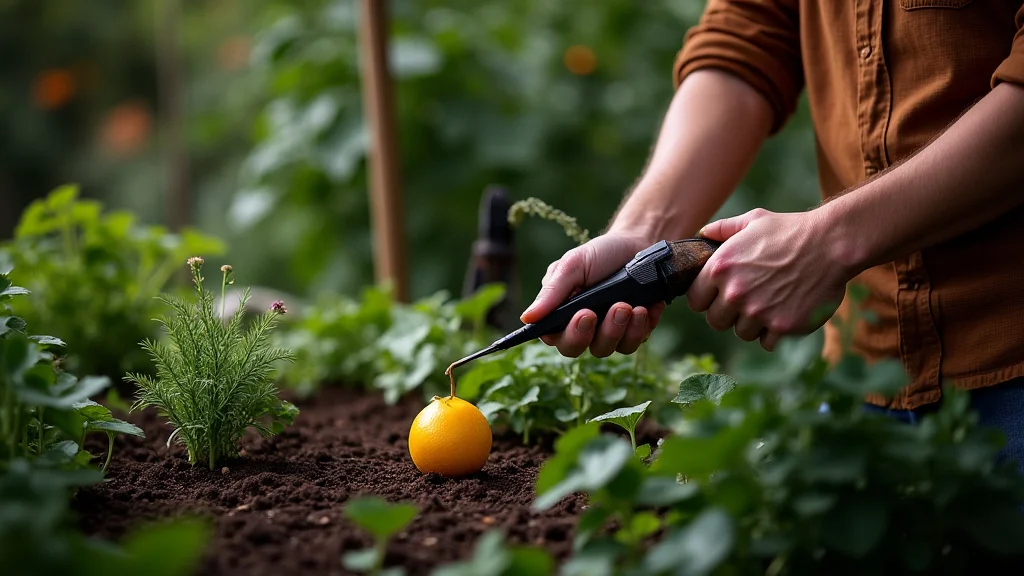
Remember that time you tried to plant a rose bush with a flimsy plastic trowel? The soil was hard, the trowel bent, and your fingers were left aching. Frustration, right? Choosing the right tools can make all the difference between a frustrating gardening experience and a rewarding one. This guide will explore everything about the perfect picture of gardening tools – what they are, how they’re used, and why they matter. You’ll gain valuable knowledge that will help you select the right equipment, making your gardening tasks easier and more enjoyable, which boosts your Time on Page and reduces your Bounce Rate.
Key Takeaways
- Learn about the essential picture of gardening tools every gardener needs.
- Understand the different types of tools and their specific functions.
- Discover how to care for your gardening tools to extend their lifespan.
- Explore the best brands and where to purchase high-quality tools.
- Find out tips for organizing and storing your gardening equipment.
- Get advice on choosing the right tools for various gardening projects.
Essential Gardening Tools for Every Gardener
Having the right tools is like having the right ingredients for a recipe; it’s essential for a successful outcome. Without them, gardening can be a tedious and difficult task. With the right picture of gardening tools, your experience transforms from a chore into a joy. This section will cover the fundamental tools every gardener should have, from the basics to the slightly more specialized items.
Hand Trowel
A hand trowel is one of the most basic, yet most useful, tools. This small, handheld tool is perfect for digging small holes, transplanting seedlings, and scooping up soil. Typically made of metal or durable plastic, a hand trowel has a curved blade that helps in scooping and lifting soil. They’re often used to plant flowers, herbs, and other small plants. The shape and size of the trowel make it perfect for precision work, making it easier to maneuver around delicate roots without causing harm. A good quality trowel will also have a comfortable handle, making it easy to use for extended periods. A well-designed hand trowel is an indispensable part of your picture of gardening tools.
- Digging Small Holes: The trowel’s small size allows you to dig holes of the exact size needed for your plants, minimizing disturbance to surrounding plants.
- Transplanting Seedlings: You can use a trowel to gently lift seedlings from their pots and transplant them into the garden.
- Weeding: A hand trowel can be used to dig out weeds, getting to the roots and preventing regrowth.
- Scooping and Spreading Soil: The trowel is helpful in spreading soil around plants and adding amendments.
Hand Fork
The hand fork is another essential tool to add to your picture of gardening tools. It’s used for various tasks, primarily to loosen the soil and remove weeds. Unlike a trowel, the hand fork has several tines, usually made of metal, that can penetrate compacted soil. It’s an excellent choice for cultivating the top layer of soil and preparing it for planting. The hand fork is also useful for breaking up clumps of soil and mixing in compost or other organic matter. This tool is a great asset in gardens of any size and is crucial for maintaining healthy soil conditions.
- Loosening Soil: The tines of the hand fork loosen soil, improving drainage and allowing roots to grow.
- Weed Removal: You can use it to lift weeds from the roots, making sure that they don’t come back.
- Breaking Up Clumps: Hand forks are effective for breaking up compacted soil and creating a better planting environment.
- Mixing Soil Amendments: You can mix compost, fertilizers, and other amendments into the soil with a hand fork.
Gardening Gloves
Gardening gloves are a must-have for any gardener; they protect your hands. Choosing the right pair of gloves will make your gardening experience safer and more comfortable. They shield your hands from dirt, thorns, and potential irritants. Consider the material and the intended use when selecting your gloves. Durable gloves also make it easier to grip tools, reducing the risk of accidental slips and injuries. They also help prevent blisters and reduce fatigue from extended gardening tasks. Gloves are an essential part of the picture of gardening tools you should always have.
- Protection from Cuts and Abrasions: Gloves offer a barrier against sharp objects like thorns and rough surfaces, preventing cuts and scrapes.
- Protection from Irritants: Gloves safeguard against contact with soil irritants, such as certain plants and chemicals.
- Improved Grip: Gloves provide a better grip, reducing the risk of tools slipping, and enhancing control during tasks.
- Comfort and Reduced Fatigue: Well-fitting gloves help minimize hand fatigue and blisters, making gardening more comfortable.
Watering Can or Hose
Water is essential for plant growth, and a watering can or hose helps you deliver it efficiently. The choice between a watering can and a hose will depend on the size of your garden and your personal preference. Watering cans are great for small gardens and container plants. A hose is better for larger spaces. Look for watering cans with a rose attachment for gentle watering and hoses made of durable material that won’t kink easily. Having a reliable method for watering is critical to maintaining a healthy and vibrant garden. When you think of a picture of gardening tools, this should be one of them.
- Watering Cans for Precision: Ideal for small spaces and container plants, offering precise water control.
- Hoses for Coverage: Perfect for larger gardens, allowing you to water many areas efficiently.
- Rose Attachments: Watering cans with a rose attachment deliver a gentle shower of water.
- Durable Hoses: Make sure your hose is constructed from durable material that resists kinks.
Specialized Gardening Tools and Their Uses
As you progress in your gardening efforts, you may find that you need more specialized tools to accomplish different tasks. These tools, while not always essential for beginners, can make certain jobs much easier and more effective. This section will explore some of the more advanced picture of gardening tools and explain their specific uses.
Gardening Fork
The garden fork is a larger version of the hand fork, designed for turning and aerating soil in a larger area. It has long tines that penetrate deep into the ground. It is mainly used to loosen compacted soil, helping improve drainage and promoting root growth. This tool is also helpful for mixing compost and other organic matter. Using a garden fork before planting can significantly improve your soil quality and the overall health of your plants. This is an essential item for anyone serious about improving their garden, making it a valuable addition to your picture of gardening tools collection.
- Turning Soil: The garden fork is used to turn over soil, aerating it and improving drainage.
- Breaking Up Clods: You can use it to break up large clumps of soil.
- Mixing Compost: It’s useful for mixing compost and other soil amendments evenly.
- Preparing Beds: It helps get the soil ready for planting.
Spade
The spade is a flat-bladed tool used for digging, edging, and moving soil. Unlike the pointed blade of a shovel, the spade has a straight, flat edge that makes it ideal for creating neat edges around garden beds and cutting through sod. It’s also very helpful for digging trenches and transplanting larger plants. Spades are essential for many gardening tasks, making them a key part of any picture of gardening tools. A quality spade with a sturdy handle and durable blade will make these tasks easier.
- Digging: Spades are excellent for digging holes for planting trees and shrubs.
- Edging: Use a spade to create sharp, defined edges around garden beds.
- Moving Soil: They help move large amounts of soil quickly.
- Cutting Sod: You can use a spade to cut through the sod for creating new beds.
Pruners/Shears
Pruners and shears are essential for trimming and shaping plants. They come in various types, including hand pruners for smaller branches, loppers for larger branches, and hedge shears for trimming hedges. Regular pruning helps to maintain plant health, encourage new growth, and remove dead or diseased branches. Choosing the right pruners or shears for the job will make the task easier and prevent damage to your plants. This tool is a key element of the picture of gardening tools for any serious gardener.
- Hand Pruners: Great for cutting smaller stems.
- Loppers: Perfect for cutting larger branches, often with a longer reach.
- Hedge Shears: Used for trimming hedges and shaping shrubs.
- Maintaining Plant Health: Regular pruning helps plants stay healthy and promotes growth.
Tool Care and Maintenance
Taking care of your gardening tools is essential to increase their lifespan and ensure they function properly. Regular maintenance will also help you save money in the long run. Here are some tips on how to properly maintain your picture of gardening tools so that they last for many years to come.
Cleaning Your Tools
After each use, take the time to clean your tools. Remove any soil, debris, or plant matter that may have accumulated. This will prevent rust and keep your tools in top condition. Use a wire brush or scraper to remove any stuck-on dirt. Rinse your tools with water and dry them thoroughly before storing them. Cleaning your tools is a key step in keeping them in great condition and is an essential part of maintaining your picture of gardening tools.
- Remove Debris: Use a brush or scraper to get rid of dirt.
- Rinse with Water: Rinse off the tools with water to remove any lingering soil particles.
- Dry Thoroughly: Make sure the tools are completely dry to prevent rust.
- Sharpening: Sharpen any blades after cleaning, if needed.
Sharpening and Oiling
Regular sharpening of your tools is essential for maintaining their effectiveness. Dull blades require more effort and can damage plants. Use a file or sharpening stone to sharpen blades, following the manufacturer’s instructions. Also, apply oil to the moving parts of your tools, such as pruners and shears, to prevent rust and ensure smooth operation. Proper sharpening and oiling are vital for keeping your tools in good shape and help extend the lifespan of your picture of gardening tools.
- Sharpen Blades: Sharpen blades with a file or sharpening stone to keep them sharp and efficient.
- Oil Moving Parts: Apply oil to moving parts, such as pruners, to prevent rust.
- Prevent Rust: Keep your tools dry and lubricated to prevent corrosion.
- Regular Inspection: Inspect your tools for wear and tear to catch problems early.
Storage Tips
Proper storage is crucial for maintaining your picture of gardening tools. Store your tools in a dry place, such as a shed or garage, to prevent rust. You can hang your tools on a wall or use a tool rack to keep them organized. This makes it easier to find what you need when you need it and prevents damage. Consider using tool hooks to save space and keep tools off the ground, where they could be easily damaged.
- Dry Storage: Always store your tools in a dry area to prevent rust.
- Tool Racks: Use tool racks or hooks to organize and store your tools efficiently.
- Off the Ground: Store tools off the ground to prevent damage.
- Protected Location: Keep tools in a shed, garage, or another protected spot.
Choosing the Right Tools for Your Garden
Selecting the right tools can make all the difference in your gardening experience. The best tools will make your gardening tasks easier and more enjoyable. Choosing the appropriate tools for your garden involves considering your garden’s size, the type of plants you are growing, and your personal preferences. This section will walk you through how to choose the right tools for your gardening needs so you can have a better experience with your picture of gardening tools.
Garden Size
The size of your garden will influence the type and quantity of tools you need. For small gardens, a basic set of hand tools might be sufficient. As your garden grows larger, you’ll likely need larger tools like a garden fork and a spade to help cover more ground and do tasks more quickly. For a small backyard garden, you might get away with just a trowel, hand fork, and some pruners. In a larger garden, you might need everything from a wheelbarrow to a full set of shovels. Considering the size of your garden is crucial when putting together your picture of gardening tools collection.
- Small Gardens: A basic set of hand tools might be all you need, such as a hand trowel, fork, and hand pruners.
- Medium Gardens: Consider adding a garden fork and spade to your tool kit.
- Large Gardens: You’ll require a broader array of tools, potentially including a wheelbarrow and larger shovels.
- Container Gardens: Focus on a few essential hand tools like a small trowel and watering can.
Plant Types
The types of plants you plan to grow will also impact your tool selection. If you’re growing flowers, you might need different tools than someone who is growing vegetables. For instance, growing roses might require more specialized pruning tools and heavy-duty gloves. The needs of vegetable plants will include tools like hoes for weeding and spades for preparing the soil for planting. Consider the specific requirements of the plants you are growing when choosing your tools. Different plants demand different care techniques, directly influencing the best picture of gardening tools for the job.
- Flowers: Pruning shears, trowels, and hand forks for general care.
- Vegetables: Hoes for weeding, spades for preparing the soil, and hand trowels for planting.
- Trees and Shrubs: Loppers, pruning saws, and heavy-duty gloves are good choices.
- Herbs: Trowels and pruners for harvesting.
Your Personal Preferences
Your comfort and experience also play a role in tool selection. Consider the weight and feel of the tools, as well as the materials they are made from. Some gardeners prefer lightweight tools, while others prefer tools with wooden handles. Think about how long you plan to garden and choose tools that feel comfortable in your hands. Investing in quality tools that fit your personal preferences will make your gardening experience more enjoyable and is a key factor when assembling your picture of gardening tools collection.
- Tool Weight: Choose tools that are comfortable to hold and use for extended periods.
- Handle Material: Some people prefer wooden handles, while others might choose tools with ergonomic handles.
- Quality Materials: Quality materials will last longer and provide a better experience.
- Ergonomics: Select tools that minimize strain on your body.
Finding Your Gardening Tools
When you are ready to invest in your picture of gardening tools, you’ll need to know where to find the best options. There are many places where you can buy high-quality tools, but some retailers and brands stand out. This section will walk you through a couple of key options to help you on your search.
Recommended Brands
When it comes to quality, a few brands are highly regarded among gardeners. These brands are known for producing tools that are durable, well-designed, and comfortable to use. Consider the specific type of tool you need when selecting a brand, as different brands often specialize in certain types of tools. Some well-regarded brand names include Fiskars, Corona, and DeWit. Researching these brands and reading customer reviews will help you find the tools that best suit your needs.
- Fiskars: Known for innovative designs and durability.
- Corona: Offers a wide range of tools for various gardening tasks.
- DeWit: Offers traditional, high-quality tools made in the Netherlands.
- Other Brands: Consider brands such as Felco (pruners) and Sneeboer (specialty tools).
Where to Buy
You can find gardening tools at various locations, including garden centers, home improvement stores, and online retailers. Each option has its advantages. Garden centers often have a wide selection and experienced staff who can provide advice. Home improvement stores offer a good range of options, sometimes at competitive prices. Online retailers provide convenience and a wider selection. When choosing where to buy, consider the specific tool you need, the reputation of the retailer, and the convenience factor. Building a collection of your picture of gardening tools can be both a practical and fun experience.
- Garden Centers: Provide expert advice and a wide range of options.
- Home Improvement Stores: Offer competitive pricing and a broad selection.
- Online Retailers: Provide convenience and a vast inventory.
- Specialty Shops: Can be a great choice for finding unique and high-quality tools.
Frequently Asked Questions
Question: What’s the best material for a hand trowel?
Answer: Hand trowels are typically made of stainless steel or durable plastic. Stainless steel is more durable and rust-resistant, while plastic is lighter and can be more affordable.
Question: How often should I sharpen my pruners?
Answer: Sharpen your pruners regularly, especially if you use them often. The frequency will depend on how much you use them, but it’s best to sharpen them after any use if they seem dull.
Question: Can I use household oil on my gardening tools?
Answer: Yes, you can use household oil to lubricate the moving parts of your gardening tools. However, make sure to wipe off any excess oil to prevent it from attracting dirt.
Question: What is a soil amendment?
Answer: A soil amendment is any material added to the soil to improve its physical properties, such as drainage, aeration, and water retention. Examples include compost, manure, and peat moss.
Question: How do I remove rust from my gardening tools?
Answer: You can remove rust by scrubbing the tools with a wire brush or steel wool. For more stubborn rust, you can soak the tools in white vinegar and then scrub them.
Final Thoughts
Choosing the right picture of gardening tools makes all the difference in your gardening experience. From the essential hand trowel and gloves to specialized tools like spades and pruners, each piece of equipment serves a purpose. Knowing the function of each tool, how to care for them, and where to purchase quality items will set you up for success. Remember to consider your garden size, the types of plants you’re growing, and your personal preferences. A well-equipped gardener not only works more efficiently but also enjoys the process more. So, gather your tools, get outside, and start digging. With the right equipment, you’ll be well on your way to a thriving garden. Happy gardening!