
Remember that time you tried to plant a rose bush with a flimsy trowel that bent in two? Gardening can be frustrating without the right equipment! That’s where a quality national 20 pc gardening tool set comes in. This guide will help you select a comprehensive set of tools, like the national 20 pc gardening tool set, giving you the knowledge to make informed decisions and transform your garden. You’ll learn the essential tools, their uses, and how to maintain them, ensuring your plants flourish and your gardening experience is enjoyable. Get ready to turn your thumb green!
Key Takeaways
- Learn about the essential tools included in a typical national 20 pc gardening tool set.
- Discover the specific uses for each tool and their importance in various gardening tasks.
- Find out how to choose a high-quality set that suits your gardening needs.
- Get tips on maintaining and storing your tools to extend their lifespan.
- Explore how different tools enhance gardening efficiency and comfort.
- Gain confidence in tackling gardening projects with the right equipment.
Essential Tools Included in a National 20 pc Gardening Tool Set
A well-stocked national 20 pc gardening tool set is a gardener’s best friend. It provides everything you need to tackle various tasks, from preparing the soil to harvesting your bounty. These sets usually contain a variety of tools made from different materials, each designed for a specific job. Understanding the function of each tool ensures you can work efficiently and effectively. Having the right tools makes gardening easier and more enjoyable, encouraging a thriving garden. Explore what makes up a comprehensive kit for successful gardening.
Hand Trowel and Hand Fork
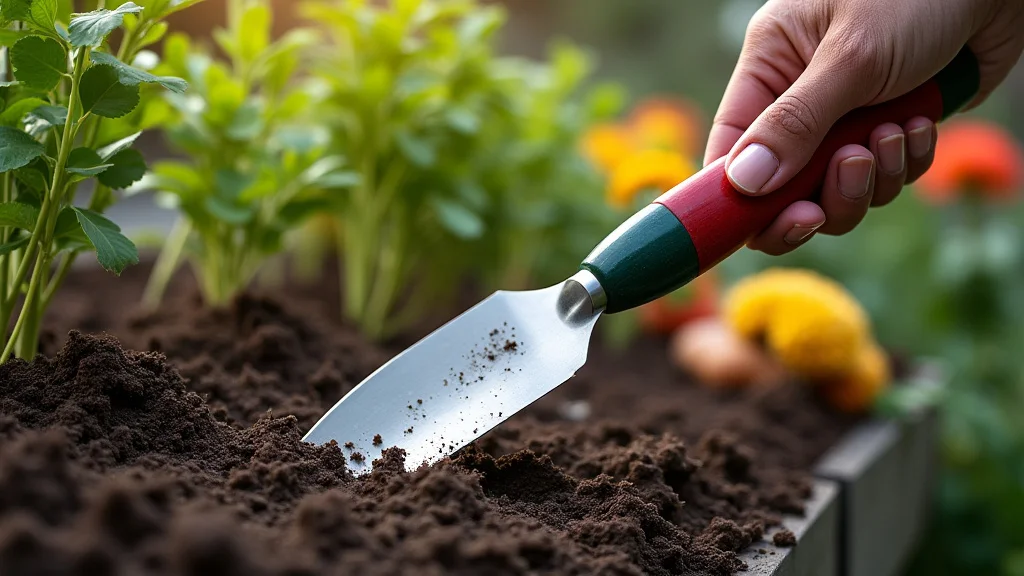
The hand trowel and hand fork are two of the most basic and frequently used tools in any gardening set. They are your go-to instruments for smaller tasks, especially when working in beds and containers. The trowel, typically a small, shovel-like tool, is perfect for digging small holes for planting seedlings, transplanting small plants, and scooping soil. The hand fork, with its small, sturdy tines, is excellent for loosening soil around plants, weeding, and mixing in fertilizer. They’re often made of stainless steel or carbon steel for durability. Their size makes them easy to maneuver in tight spaces, making them essential for detailed work and perfect for various gardening projects.
- Function: The hand trowel is used for digging, scooping, and planting; the hand fork, for loosening soil and weeding.
- Material: Commonly made of stainless steel or carbon steel for durability.
- Use Cases: Ideal for transplanting seedlings, adding fertilizer to flowerbeds, and managing container gardens.
- Care: Clean after each use, storing them in a dry place to prevent rust.
Weeders
Weeders are designed to eliminate unwanted plants from your garden. There are several types of weeders, including the classic hand weeder. These tools are typically narrow and pointed, allowing you to get under the weed’s roots. This helps you extract the entire plant. Using weeders regularly prevents weeds from spreading and competing with your plants for nutrients, water, and sunlight. Investing in a good-quality weeder can save you a lot of time and effort in the long run. Proper weeding keeps your garden looking neat and healthy, ensuring your plants grow vigorously.
- Function: Removes weeds from your garden, preventing them from spreading and competing with your plants.
- Types: Includes hand weeders and other specialized tools designed for specific weeds.
- Benefits: Keeps your garden looking neat, healthy, and helps your plants thrive.
- Usage: Use weeders when the soil is moist for easier removal of weeds.
Hand Rake and Cultivator
The hand rake and cultivator are essential for soil preparation and maintenance. The hand rake, with its small, flat tines, is designed for smoothing soil surfaces, removing debris like leaves and twigs, and distributing mulch evenly. It’s especially useful after planting seeds or transplanting seedlings to ensure they are properly covered. The cultivator, often featuring several small, claw-like tines, is used to break up clumps of soil, aerate the soil, and loosen the top layer. This improves air circulation and water penetration, which are vital for healthy plant growth. Using these tools regularly will keep your garden beds looking tidy and the soil in optimum condition.
- Function: Rake is for smoothing soil and removing debris, while the cultivator breaks up clumps and aerates the soil.
- Benefits: Improves soil condition, aeration, and water penetration.
- Use Cases: Great for preparing planting beds, leveling soil surfaces, and removing loose materials.
- Material: Often made of steel or sturdy plastic, ensuring longevity.
Essential Tools for Cutting, Pruning, and Harvesting
Beyond soil preparation, a national 20 pc gardening tool set should include tools for cutting, pruning, and harvesting. These tools help you maintain plant health, shape your plants, and gather your harvest efficiently. Proper cutting and pruning are crucial for removing dead or diseased branches, promoting new growth, and enhancing the overall appearance of your plants. Furthermore, the right tools will make the harvesting process easier. They ensure that you can gather your produce with minimal damage. This section discusses the importance of these tools and how to use them safely and effectively.
Pruning Shears and Secateurs
Pruning shears, also known as secateurs, are small, handheld tools essential for trimming and pruning plants. They come in two main types: bypass and anvil. Bypass pruning shears have blades that slide past each other, making clean cuts that are ideal for live plants. This method promotes faster healing. Anvil pruning shears have a single blade that comes down onto a flat surface (the anvil). They work well for dead or dry branches. Pruning shears are used for trimming stems, shaping plants, and removing dead or diseased growth. Choosing the correct type depends on the type of pruning needed. Regular pruning encourages plant health, increases air circulation, and improves the overall appearance of your plants.
- Function: Trims and shapes plants by removing stems and branches.
- Types: Bypass and anvil shears; bypass shears are best for clean cuts on living stems.
- Benefits: Promotes plant health, increases air circulation, and improves aesthetics.
- Usage: Make cuts at an angle, just above a bud or branch union.
Loppers
Loppers are long-handled pruning tools designed for cutting thicker branches that pruning shears can’t handle. They provide extra leverage, making it easier to cut through woody stems. Like pruning shears, loppers come in bypass and anvil versions. Bypass loppers offer cleaner cuts, while anvil loppers are suitable for tougher, dead wood. Loppers are essential for pruning shrubs, small trees, and other plants with larger branches. Proper use of loppers is very important. Always make clean cuts to prevent disease and promote plant health. Choosing the right loppers, matched to the diameter of branches you need to prune, can make a huge difference in efficiency.
- Function: Cut thicker branches that pruning shears can’t manage.
- Types: Bypass and anvil loppers, offering different cutting methods based on the material.
- Benefits: Makes pruning large branches easier and promotes plant health by proper pruning.
- Usage: Use for branches too large for pruning shears.
Hand Saw
A hand saw is a valuable tool for cutting through thicker branches and small trunks that loppers cannot manage. It is a handheld saw with a toothed blade, ideal for more substantial pruning tasks. Hand saws are useful for removing dead or diseased limbs, shaping shrubs, and maintaining the overall health of larger plants. When using a hand saw, it’s essential to use proper technique to make clean cuts. This avoids tearing the bark, which can lead to disease. Always use the saw at the right angle to prevent binding. A good hand saw, included in a national 20 pc gardening tool set, makes pruning tasks efficient. These tools help maintain the health and beauty of your garden.
- Function: Cut through thicker branches and small trunks.
- Features: Typically a toothed blade, either curved or straight, for easier cutting.
- Benefits: Removes larger branches efficiently, improving plant structure and health.
- Usage: Cut at an angle to avoid damage and promote proper healing.
Specialized Tools and Accessories
A national 20 pc gardening tool set often includes specialized tools and accessories to help with specific gardening tasks. These tools can increase the efficiency and enjoyment of gardening. From measuring tools to helpful accessories, this section explores some of the specialized items that can elevate your gardening experience. They allow for precision and accuracy. They make gardening more manageable and produce beautiful results. This ensures you’re ready for any gardening project.
Gardening Gloves
Gardening gloves are one of the most important accessories in your tool set. They are your first line of defense against dirt, thorns, and other irritants. Gardening gloves protect your hands while providing a better grip on tools. They also reduce the risk of blisters and cuts. Gloves come in various materials, including leather, canvas, and synthetic fabrics. The best choice depends on the type of gardening work you do. Leather gloves are great for heavy-duty tasks, while lightweight gloves are ideal for tasks that require greater dexterity. Choosing the right gloves ensures comfort and protects your hands, making your gardening sessions safer and more enjoyable.
- Function: Protect hands from dirt, thorns, and other irritants.
- Types: Vary by material (leather, canvas, synthetic), suited for different tasks.
- Benefits: Provide grip, reduce blisters and cuts, improve comfort.
- Usage: Wear gloves while handling plants, soil, or any rough materials.
Measuring Tape and Markers
Measuring tapes and markers are essential for planning and precise planting in any garden. A measuring tape helps in determining the spacing of plants, measuring the size of beds, and ensuring straight rows. This promotes a neat and organized garden. Garden markers include pencils, pens, or plant markers. These are used to label plants, record planting dates, and track varieties. They are useful for organizing tasks and keeping track of your garden. Using measuring tools makes gardening easier and more effective. It will also help you create a visually appealing garden. They help maintain precision, making it easier to achieve your gardening goals.
- Function: Measuring tape helps with spacing; markers are used for labeling.
- Benefits: Ensure proper spacing, track varieties, and maintain organization.
- Usage: Use a measuring tape for spacing plants; use markers for labeling.
- Material: Choose weather-resistant markers for outdoor use.
Watering Can or Sprayer
A watering can or sprayer is crucial for watering plants. It makes the process convenient and gives you better control over the water flow. Watering cans, especially those with a rose head, provide a gentle shower, perfect for delicate seedlings and plants. Sprayers allow you to target specific areas and adjust the water stream. This makes them ideal for watering hanging baskets or containers. Proper watering is essential for plant health. It supports healthy roots and growth. Selecting the appropriate watering method depends on the size and type of your garden. Having the right watering equipment will contribute to the beauty of your garden.
- Function: Used for watering plants, ensuring they receive the necessary moisture.
- Types: Watering cans and sprayers, each with unique features for watering tasks.
- Benefits: Provides controlled watering and supports healthy plant growth.
- Usage: Use a watering can for gentler watering; use a sprayer for focused irrigation.
Choosing the Right National 20 pc Gardening Tool Set
Selecting the right national 20 pc gardening tool set requires careful thought. There are many sets available, each offering a unique combination of tools. The ideal set depends on your personal gardening needs, budget, and the types of plants you plan to grow. By following some key considerations, you can pick a tool kit that meets your specific requirements. Knowing how to choose the right set will make gardening a pleasant and productive experience.
Consider Your Gardening Needs
Before purchasing a national 20 pc gardening tool set, evaluate your gardening style and the types of plants you grow. Do you have a small balcony garden, a large vegetable patch, or a flowerbed? The tools needed for these different environments vary significantly. For example, a small urban garden may only require basic tools like a trowel, hand fork, and pruning shears. Larger gardens will benefit from additional items like loppers, a hand saw, and a more extensive set of hand tools. Consider the specific tasks you regularly perform. Do you mostly focus on planting, pruning, or weeding? These factors will guide your choice. Tailoring your toolset to your particular needs will ensure you have the right equipment for any task.
- Small Gardens: Focus on essential tools like a trowel, hand fork, and pruning shears.
- Large Gardens: You will need a wider range of tools, including loppers and hand saws.
- Type of Plants: Consider the type of plants you are growing, which determines necessary tools.
- Gardening Tasks: Evaluate the tasks you typically perform to decide on the best tools.
Material and Quality
The materials and quality of the tools directly influence their durability and performance. It is important to look for tools made from high-quality materials. Stainless steel is resistant to rust and lasts a long time. Carbon steel is another great choice for its strength. Wooden handles are comfortable and have a good grip, while those made of fiberglass or composite materials are durable. Examine the construction of each tool. Check the connections between the handles and the tool heads. Strong, well-made tools are an investment. They offer more value over time. They are worth the money, offering greater usability and fewer problems.
- Materials: Stainless steel and carbon steel offer rust resistance and strength.
- Handles: Wooden handles are comfortable, while fiberglass and composites provide durability.
- Construction: Check the connections between handles and heads for reliability.
- Quality: Investing in high-quality tools provides better performance and longevity.
Ergonomics and Comfort
The ergonomics of the tools play an important role in your gardening experience. Comfortable tools reduce strain and fatigue. Seek out tools with ergonomic handles designed to fit comfortably in your hand. Look for features such as cushioned grips, which provide better control and reduce the likelihood of blisters. Consider the weight of the tools. Lightweight tools are easier to maneuver and work with. Adjustable handles can be adjusted to fit your height. Think about the overall feel of the tools and select those that feel right for you. They will help make gardening more enjoyable and less tiring.
- Handles: Look for ergonomic handles and cushioned grips.
- Weight: Lightweight tools are less tiring to use.
- Adjustability: Adjustable handles can enhance comfort.
- Feel: Select tools that feel comfortable and easy to handle.
Maintaining and Storing Your Gardening Tools
Taking care of your national 20 pc gardening tool set guarantees they last longer and perform well. Proper maintenance includes cleaning tools after each use, sharpening blades, and storing them properly. Regular maintenance not only extends the life of your tools. It also ensures they are always ready for action. By setting up a routine, you protect your investment, and your tools will be ready when you need them. Here are tips to take care of your tools.
Cleaning and Sharpening
Cleaning and sharpening your tools is essential for maintaining their effectiveness. After each use, wipe off soil and debris. This prevents rust and corrosion. Wash tools with soap and water if needed. Allow them to dry completely before storing them. Sharpening blades, such as those on pruning shears and hand saws, is critical for clean cuts. Use a file or sharpening stone to keep blades sharp. Regular maintenance makes your tools function more effectively, making gardening tasks easier. These steps will keep your tools in excellent condition for years to come.
- Cleaning: Wipe off soil and debris after each use. Wash with soap and water if needed.
- Drying: Allow tools to dry completely before storage to prevent rust.
- Sharpening: Sharpen blades regularly using a file or sharpening stone.
- Frequency: Clean and sharpen tools after use, or as needed for best performance.
Storage Practices
Proper storage is important in protecting your gardening tools from damage. Store your tools in a dry, covered area. A shed, garage, or tool rack is ideal. Keeping them out of the elements protects them from rust and damage. Hang tools if possible to keep the blades off the ground. This helps to maintain their sharp edges. Regularly inspect your tools for any signs of damage or wear. Address any issues promptly. With the right storage methods, you will keep your tools ready. This will make gardening a pleasant experience. It also extends their useful life.
- Location: Store tools in a dry, covered area like a shed or garage.
- Protection: Keep tools out of the elements to prevent rust.
- Arrangement: Hang tools if possible, to keep the blades off the ground.
- Inspection: Regularly inspect tools and repair any damage promptly.
Frequently Asked Questions
Question: What is a typical price range for a national 20 pc gardening tool set?
Answer: The price can range from $30 to over $100 depending on the quality of tools, materials, and brand.
Question: Are all tools in a set suitable for both small and large gardens?
Answer: No, the tools in a set may vary. A larger garden typically requires tools not found in smaller sets, like loppers.
Question: How often should I sharpen my pruning shears?
Answer: Sharpen pruning shears every few months or as needed. Keep an eye out for any dullness.
Question: What is the best way to clean rusty tools?
Answer: Use a wire brush or steel wool to remove rust. Then, apply oil to prevent it from returning.
Question: How can I make my tools last longer?
Answer: Clean them after each use, store them properly, and sharpen blades regularly.
Final Thoughts
Acquiring a quality national 20 pc gardening tool set is more than just a purchase; it’s an investment in your gardening success. The right tools, from trowels to loppers, make gardening tasks easier, more enjoyable, and produce better results. This guide has explored what to look for when choosing a set, from essential tools to material quality. It also provided maintenance tips. By taking care of your tools and choosing a set suited to your needs, you can elevate your gardening skills. Now, go and equip yourself with the perfect set. Watch your garden grow!