
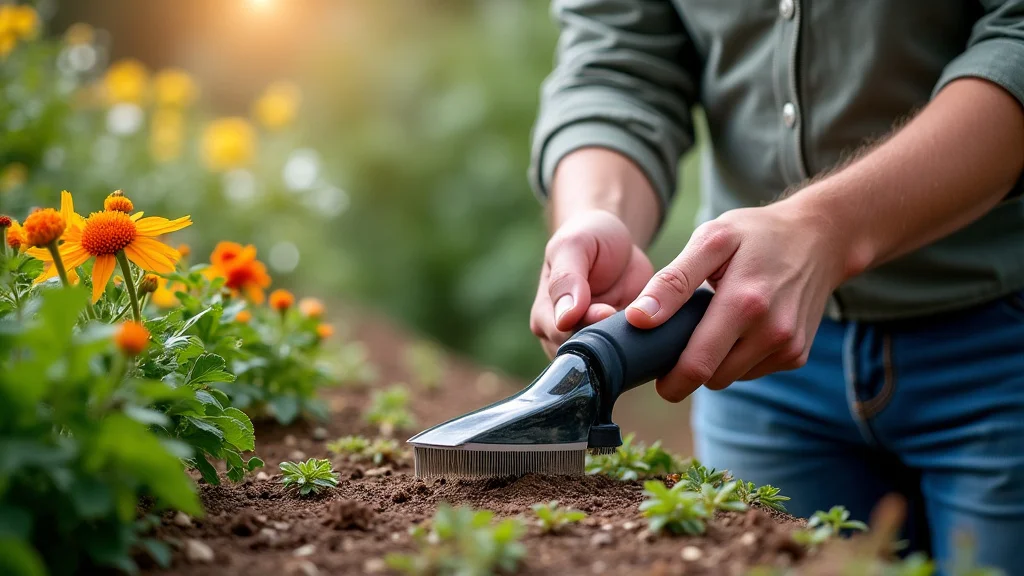
The other day, I was attempting to prune my rose bushes with a pair of dull clippers. It was a struggle! Half an hour later, I was covered in scratches and the bushes looked worse than before. Sound familiar? Finding the right gardening tools can transform your gardening experience from a chore into a joy. This guide will explore the fantastic selection of gardening tools QVC UK offers, helping you choose the best equipment for your needs. You’ll gain insights into tool types, quality, and how to make the most of your garden. Get ready to turn your garden dreams into reality!
Key Takeaways
- Discover the range of gardening tools available at QVC UK.
- Learn about the quality and features of tools offered.
- Understand which tools are essential for different gardening tasks.
- Find out how to choose the right tools for your garden size and type.
- Explore user reviews and ratings to make informed choices.
- Get tips on maintaining and caring for your gardening tools.
Unveiling the Gardening Tools at QVC UK
QVC UK is a popular destination for home and garden products, and its selection of gardening tools is extensive. You’ll find everything from basic hand tools to powered equipment, all offered at various price points. This section will explore the diverse range of tools available, highlighting the brands and product types you can expect to discover. Remember that QVC often features special offers and bundles, so keep an eye out for deals that can help you get more for your money. They often rotate their inventory, so what is available today may be different tomorrow. Always check the product descriptions for specifications and customer reviews before making a purchase. The goal is to equip yourself with the tools you need to enjoy the process, regardless of your experience level. A well-equipped gardener is a happy gardener!
Essential Hand Tools for Every Gardener
Hand tools form the foundation of any gardener’s toolkit. They’re ideal for smaller spaces, detailed tasks, and where precision is needed. These tools are generally affordable and easy to store, making them accessible for all gardeners, regardless of experience level. Many are also designed for comfort, with ergonomic handles to reduce strain during extended use. Investing in quality hand tools is a wise decision, as they’ll last for years with proper care. Consider the materials and construction: stainless steel resists rust and is durable, while wooden handles provide a comfortable grip. A good set of hand tools will make a world of difference in your gardening tasks.
- Trowel: A small, hand-held tool with a scoop-shaped blade. It is typically used for planting seedlings, transplanting small plants, and digging in tight spaces. Choose a trowel with a sturdy blade and comfortable handle.
- Hand Fork: A small, multi-pronged tool used for loosening soil, weeding, and aerating the ground around plants. Look for a hand fork with strong tines.
- Weeder: A specialized tool designed to remove weeds from your garden. It can have various designs, but all aim to make weed removal easier and more effective.
- Hand Rake: A small rake for smoothing soil, collecting leaves, and removing debris. The head is made up of tines.
The trowel is your essential planting companion. Think of it as your primary instrument for moving soil and nurturing young plants. Its pointed end helps break up the soil, and its scoop makes it perfect for digging holes and placing plants. Consider a trowel with measurement markings on the blade, making planting at the correct depth easier. A well-designed trowel will be comfortable to hold and easy to clean.
The hand fork is your go-to tool for breaking up compacted soil and gently separating plant roots. It’s especially useful in smaller beds and containers. A hand fork helps to create better drainage and air circulation in the soil, which is essential for plant health. Consider a fork with a rubberized grip for better control and comfort, especially if you have arthritis or find holding smaller items difficult. The goal is to keep the soil loose and the roots of your plants healthy.
A weeder is an important tool for keeping your garden tidy and preventing weeds from taking over. Some weeders have a forked end to hook the weed and pull it out, while others have a blade to slice the weed below the surface. A good weeder will make weed removal much faster and reduce the need for harsh chemicals. Consider a weeder with a long handle for standing weed removal, making the task easier on your back.
A hand rake is ideal for preparing your soil beds for planting. Use it to level the surface, break up any clumps, and create a fine seedbed. It is also suitable for tidying up after planting or gathering small leaves and debris. Choosing a hand rake with adjustable tines can be beneficial for versatility, allowing you to use it for different types of tasks, whether smoothing soil or collecting leaves.
Power Tools for Efficient Gardening
While hand tools are important, power tools can significantly reduce the amount of time and effort needed for gardening tasks, especially for larger gardens. They’re a valuable investment if you have a significant area to manage. These tools use electric motors or gasoline engines to perform tasks like tilling, mowing, and hedge trimming. Safety is paramount when using power tools. Always read and follow the manufacturer’s instructions. Wear appropriate safety gear, including safety glasses, gloves, and sturdy footwear. Proper maintenance is also key to ensuring your power tools function correctly and last for a long time. They can range from small electric trimmers to large ride-on mowers, and QVC UK offers a variety of these tools.
- Lawn Mowers: Designed for cutting grass, available in various types (electric, petrol, and cordless). Choose the type based on your lawn size and preferences.
- Hedge Trimmers: Used for shaping and trimming hedges and shrubs. Available in electric and cordless versions. Look for blade length and tooth spacing.
- String Trimmers (Weed Wackers): Ideal for trimming grass along edges and around obstacles. Often powered by electricity or petrol.
- Leaf Blowers: Used for clearing leaves and debris from lawns and pathways. Available in electric, cordless, and petrol versions.
Lawn mowers are essential for maintaining a tidy lawn. They come in various sizes and power options. Electric mowers are typically quieter and more eco-friendly, while petrol mowers offer more power for larger areas. Cordless mowers offer the best of both worlds, providing freedom of movement without the cord’s limitations. Consider the cutting width, which determines how much grass you can cut in each pass. Look for features such as adjustable cutting heights and grass collection bags. Safety features, such as automatic shut-off systems, are important. Check the reviews to get an idea of the best brands.
Hedge trimmers make it easy to keep your hedges neat and tidy. The blade length and tooth spacing impact the cutting performance, allowing you to cut a variety of hedge materials. Electric hedge trimmers are suitable for smaller gardens, while cordless trimmers offer more freedom of movement. Always prioritize safety: wear gloves and eye protection when using a hedge trimmer. Consider a model with a rotating handle for better comfort. A well-maintained hedge trimmer makes trimming much less of a chore.
String trimmers are your go-to tool for reaching areas your lawnmower can’t access, such as edges, borders, and around trees and garden features. Also known as weed wackers, they use a rotating string to cut grass and weeds. Electric string trimmers are convenient for smaller gardens. Cordless models offer flexibility. Petrol string trimmers provide more power for larger areas. When choosing a string trimmer, consider the cutting width and the type of string it uses. Always wear eye protection when using this type of tool.
Leaf blowers are great for keeping your outdoor spaces clear of leaves and debris, especially during autumn. Choose the model based on the size of your garden and the amount of debris you need to clear. Electric leaf blowers are a good option for small areas, while cordless and petrol blowers are more suitable for larger gardens. Consider the blowing power (measured in CFM) and the noise level. A leaf blower will save you time and energy, allowing you to enjoy your outdoor space.
The Importance of Quality and Durability
Investing in high-quality gardening tools QVC UK is crucial for ensuring they last for a long time and perform effectively. Quality tools are generally made from superior materials, such as hardened steel, stainless steel, and sturdy plastics, which are resistant to rust, wear, and tear. Well-constructed tools also often feature ergonomic designs, which provide a comfortable grip and reduce strain during extended use. This attention to detail extends to the manufacturing processes, ensuring that the tools are robust and can withstand regular use. Consider the reputation of the brand. Brands with a strong reputation often offer warranties, which demonstrate their confidence in their product’s quality. Paying slightly more upfront for a quality tool can save you money in the long run and make your gardening tasks more enjoyable. Quality translates to durability and a better gardening experience.
- Materials: Steel, stainless steel, and durable plastics are excellent choices for tool materials.
- Construction: Look for well-constructed tools with solid joints and strong connections.
- Ergonomics: Consider tools with ergonomic handles and designs to minimize strain.
- Brand Reputation and Reviews: Research brands and read customer reviews to assess quality.
The materials a tool is made of significantly impact its lifespan and performance. High-quality steel tools are resistant to bending and breaking, and they will hold their edge longer than tools made from inferior materials. Stainless steel is especially beneficial because it resists rust, making it suitable for wet environments. Handles should be made from comfortable and durable materials like wood, plastic, or rubber. The goal is to choose materials that can withstand the demands of gardening and provide long-lasting value.
The build quality of a tool affects its overall strength and longevity. Inspect tools for solid joints, tight connections, and a well-balanced design. Ensure the handles are securely attached to the tool head and that the blades or tines are firmly fixed. Avoid tools that feel flimsy or have loose parts, as they’re less likely to hold up under pressure. Pay attention to the overall design; a well-constructed tool will feel balanced in your hand, making it easier and more pleasant to use.
Ergonomics play a vital part in tool selection. Ergonomic tools are designed to fit comfortably in your hand and reduce strain on your wrists, arms, and back. Look for tools with features like padded grips, curved handles, and lightweight designs. Test the tool in your hand before you buy it, if possible. Even a small difference in the design can impact your comfort and productivity, especially during extended gardening sessions. Consider tools with adjustable features to meet your needs.
Reputation matters. Research the brands of gardening tools QVC UK offers and see what other gardeners are saying about them. Reading customer reviews can give you insight into the tool’s performance, durability, and any potential issues. See what people are saying regarding ease of use and long-term performance. This insight can help you make an informed choice and avoid purchasing tools that are poorly made or not suitable for your needs. Online reviews are a great resource before making a decision.
Choosing the Right Tools for Your Garden
The tools you need will depend on your garden’s size and the types of plants you cultivate. A small patio garden will require different tools than a large allotment. The tools you choose should match your gardening style and the level of maintenance required. Planning helps you avoid unnecessary purchases and ensures you have the tools to get the jobs done. Think about the specific tasks you will perform, such as planting, weeding, pruning, and watering. By assessing your needs, you can create a practical and efficient toolkit that enhances your gardening experience. Don’t worry about getting every tool at once. Build up your collection over time as your needs evolve.
Assessing Your Garden Size and Type
The size and type of your garden significantly influence your tool selection. A small balcony garden or a few containers may only need hand tools. Larger gardens with lawns and extensive planting beds may require a wider range of tools, including power tools. If you have a small space, consider multi-purpose tools and storage options to save space. For larger gardens, a lawnmower, hedge trimmer, and a wheelbarrow become invaluable. Assess the soil type in your garden. For example, clay soil might require more robust tools for digging and cultivating. Consider the types of plants you plan to grow. Some plants require more specialized tools. Consider your current needs and plan for future expansion as your garden matures.
- Small Gardens/Balconies: Consider hand tools, small planters, and watering cans.
- Medium-Sized Gardens: You may need a wheelbarrow, a longer-handled tool, and a mower.
- Large Gardens/Allotments: You’ll want a ride-on mower, a tiller, and a leaf blower.
For small spaces, simplicity is key. A compact set of hand tools, including a trowel, hand fork, and small pruning shears, will be sufficient for most tasks. Consider lightweight options and tools with ergonomic handles to save on space and allow ease of use. A small watering can or a hose with a spray nozzle will suffice for watering. Choose tools that can be easily stored in a small shed, cupboard, or even on a balcony rail. The goal is to create an efficient and functional gardening space without clutter.
Medium-sized gardens require a broader range of tools. In addition to hand tools, a wheelbarrow is very useful for moving soil, compost, and debris. A longer-handled tools will help make gardening more efficient. Consider a small lawnmower and a hedge trimmer if you have hedges. Having a well-equipped shed will make your gardening experience easier. Invest in tools that make tasks faster and easier. You’ll make your gardening more fun.
Large gardens often require power tools. A ride-on mower can greatly reduce the time needed to cut the grass. A tiller is useful for preparing large areas for planting. A leaf blower is invaluable during the fall. You may also need a larger wheelbarrow and a selection of hand tools for finer tasks. Consider a tool storage system for organizing your tools and keeping them safe. Make sure you also invest in safety equipment like gloves and eye protection.
Matching Tools to Specific Gardening Tasks
Different tasks require different tools. Planning ensures you select the most effective tool for each job, saving you time and effort. Here are some examples of tools for specific tasks. For example, a hand fork is ideal for loosening the soil. Understanding the capabilities of each tool allows you to garden efficiently. This approach not only streamlines your gardening routine but also ensures the health and beauty of your plants and outdoor space. This method works well and makes gardening a pleasure.
- Planting: Trowels, hand forks, and dibbers for digging and planting.
- Weeding: Weeders and hoes for removing unwanted plants.
- Pruning: Secateurs, loppers, and pruning saws for trimming plants.
- Watering: Watering cans, hoses, and sprinklers for providing moisture.
When planting, a trowel is ideal for digging holes and transplanting seedlings. A hand fork helps loosen the soil around the planting area. A dibber is useful for creating precise holes for seeds or bulbs. Choose a trowel with measurement markings on the blade, making it easier to plant at the correct depth. Make sure these tools are clean and that you handle the seedlings carefully. These tools will help you to get your plants off to the best start.
Weeding is an important task, and having the right tools makes the process simpler. Weeders come in various designs, from those with a forked end to hook the weed to those with a blade to slice it below the surface. A hoe is effective for removing weeds from larger areas. Remember to remove weeds before they spread. Consistent weeding will keep your garden looking its best.
Pruning is essential for maintaining the shape and health of your plants. Secateurs are for cutting smaller stems and branches. Loppers are used for thicker branches. A pruning saw is required for larger branches. When pruning, always use sharp, clean tools to make smooth cuts and prevent disease. The right tools help you to shape your plants for better growth.
Watering your garden properly is vital for plant health. A watering can is ideal for small gardens and individual plants. Hoses with spray nozzles offer flexibility. Sprinklers cover larger areas. The key is to match your watering method to the plant’s needs and the size of your garden. Water early in the morning to minimize water loss due to evaporation. Proper watering will help your garden thrive.
Reading Reviews and Making Informed Choices
Reading customer reviews is an essential part of the buying process. They provide valuable insights into the product’s performance, durability, and any potential issues. Reviews provide a clear understanding of the tool’s effectiveness. You can discover if the tools you’re considering have a reputation for being sturdy and easy to use. Reading reviews can save you from purchasing tools that might not meet your needs or expectations. Many review sites allow you to sort reviews by rating and keyword. This will allow you to quickly identify the features that are most important to you. Always consider reviews from multiple sources. Reading reviews can help you buy the right tools.
- Check Product Ratings: Assess the overall score and the number of reviews.
- Read Customer Reviews: Look for comments on the tool’s performance and features.
- Identify Common Issues: See if any problems are repeatedly mentioned.
- Consider the Source: Read reviews from reliable sources.
Product ratings provide a quick overview of customer satisfaction. A higher rating generally indicates that customers are pleased with the product. Pay attention to the number of reviews. Products with more reviews are typically more reliable. Compare the ratings of different products. This approach can help you quickly compare various options and identify those that are most likely to meet your needs. Consider the overall score and the number of reviews. The numbers can guide your decision.
Customer reviews can reveal specific insights that ratings alone might not convey. Search for comments about the tool’s performance. Read reviews that discuss specific features that are important to you. For example, if you are looking for a pruning shear, pay attention to the comments regarding how well it cuts and how comfortable it is to hold. Pay special attention to any comments about durability. Reading customer reviews can give you a clear picture of what to expect from the tool.
Looking for recurring issues can help you to avoid purchasing a tool with a potential defect. If multiple reviewers mention the same problem, such as a weak handle or a dull blade, it suggests a common issue. Keep in mind that some negative reviews are unavoidable. If only a few people mention the problem, it might not be a major concern. Focusing on the patterns in the feedback will save you a headache.
Not all reviews are equally trustworthy. Consider the source of the review. Make sure the source has a reputation for providing accurate and unbiased information. Avoid reviews that seem overly positive. Focus on reviews that provide detailed information and constructive criticism. Comparing reviews from different sources will provide a balanced perspective. It will also help you make a more informed decision.
Maintaining and Caring for Your Gardening Tools
Regular maintenance ensures that your gardening tools QVC UK function properly and last for years. Proper storage will protect your tools from the elements. Regular cleaning prevents rust and corrosion. You can save money and time by making a habit of taking care of your tools. Sharp tools are safer and make gardening easier. With minimal effort, you can keep your tools in top condition, making your gardening experience more enjoyable. A well-maintained toolkit is a sign of a gardener who loves their work.
Cleaning and Sharpening Your Tools
Cleaning and sharpening your tools is a key aspect of their care. Cleaning removes dirt, sap, and debris, which prevents rust and corrosion. Sharpening keeps blades performing their best, reducing the effort needed for tasks like pruning and cutting. By establishing a regular maintenance routine, you can increase your tools’ lifespan. You will also improve the quality of your gardening work. Making this part of your process will keep your tools working like new.
- Cleaning: Rinse tools after each use and remove dirt and debris.
- Rust Removal: Use wire brushes or vinegar to remove rust.
- Sharpening: Keep blades sharp using sharpening tools.
- Lubrication: Apply oil to moving parts to prevent rust and ensure smooth operation.
After each use, rinse your tools with water. Remove any dirt, sap, or plant matter that may have accumulated. For stubborn debris, you can use a brush and soapy water. Make sure to dry your tools thoroughly after cleaning. This simple step can prevent rust and corrosion, extending their lifespan. Regular cleaning also keeps your tools working effectively and efficiently. This makes gardening a much easier and more enjoyable experience.
If rust does develop on your tools, address it immediately to prevent further damage. Light rust can be removed with a wire brush or fine steel wool. For more severe rust, you can soak the tools in white vinegar for several hours. After soaking, scrub the rust off and dry the tools thoroughly. Applying a coat of oil after rust removal can help protect the tools from future corrosion. Doing this can extend the life of your tools.
Sharp tools are safer and more effective. Use a file or sharpening stone to sharpen blades. Follow the manufacturer’s instructions for the best results. Sharpen your tools regularly, especially secateurs, shears, and pruners. You can also use a sharpening service. Sharp tools mean easier and safer gardening. A little bit of effort will make a big difference.
Regular lubrication keeps your tools working smoothly and prevents rust. Apply a light oil to moving parts, such as the hinges of secateurs or the blades of a lawnmower. Oil will protect these parts and reduce friction, making them easier to use. Lubrication extends the life of your tools and improves their performance. Make sure to wipe off any excess oil. This is important to ensure your tools work well.
Storage and Protection
Storing your tools correctly can prevent damage, ensure they are readily available when needed, and extend their lifespan. Protect your tools from the elements, as this will help keep them in top condition. By storing tools properly, you will protect your investment. The goal is to make your tools work for you as long as possible. The right approach makes sure your tools are always ready for the next gardening task. The end result is a long-lasting toolkit and an enjoyable gardening experience. Proper storage also helps prevent accidents and injury.
- Proper Storage: Store tools in a shed, garage, or tool rack.
- Weather Protection: Shield tools from rain, snow, and extreme temperatures.
- Protective Covers: Use blade covers and sheaths for safety.
- Regular Inspections: Regularly inspect tools for damage.
Proper storage is essential. Keep your tools in a dry, covered area, such as a shed, garage, or tool rack. This will protect them from the elements and prevent rust. Hang tools on a wall or store them on shelves to save space and keep them organized. Consider using tool organizers, storage boxes, and wall-mounted racks. Proper storage makes it much easier to find the tool you need when you need it.
Protect your tools from weather. When tools are exposed to rain, snow, or extreme temperatures, they are more likely to rust and deteriorate. Store your tools in a covered location. Consider using tool covers or tarps if you store them outdoors. Proper weather protection will extend the life of your tools, saving you money in the long run. Proper care will also make your tools easier to use.
Blade covers and sheaths are vital for protecting your tools and preventing accidental injuries. When not in use, always cover the blades of secateurs, pruning saws, and other sharp tools. Blade covers protect both the tool and anyone around you from cuts and injuries. They also help prevent the blades from becoming dull. Blade covers are a simple and effective way to extend the life of your tools and improve their safety.
Regular inspections are essential for maintaining your tools. Take some time to regularly inspect your tools for any signs of damage, such as cracks, loose handles, or dull blades. If you find any damage, repair it promptly. Replace worn or broken parts as needed. Regular inspections allow you to identify and address issues before they cause more significant problems. By regularly inspecting your tools, you can ensure they are safe, effective, and ready for your next gardening tasks. These inspections will help you do your best work.
Frequently Asked Questions
Question: Are the gardening tools on QVC UK good quality?
Answer: Yes, QVC UK offers a range of tools from various brands, often with positive customer reviews. The quality can vary, so it’s always recommended to check product descriptions and customer feedback before purchasing.
Question: What types of gardening tools are available at QVC UK?
Answer: You can find a wide variety, including hand tools like trowels and forks, and power tools such as lawnmowers, hedge trimmers, and leaf blowers. They also offer a variety of accessories and storage solutions.
Question: How do I choose the right gardening tools for my needs?
Answer: Consider the size and type of your garden, the tasks you need to perform (planting, weeding, pruning, etc.), and your personal preferences. Assess your needs, and then read reviews to help guide your decision.
Question: What should I do if my gardening tool breaks?
Answer: First, check the manufacturer’s warranty. If the tool is still under warranty, contact QVC UK or the manufacturer for repair or replacement. Otherwise, assess the damage and consider whether the tool can be repaired or needs to be replaced.
Question: Are there any special offers or discounts on gardening tools at QVC UK?
Answer: Yes, QVC UK often has special offers, clearance sales, and bundles. Check their website regularly and watch for seasonal promotions to get the best deals on gardening tools.
Final Thoughts
Exploring the world of gardening tools QVC UK is a great start to improving your garden. From the essential hand tools to powerful electric options, you can equip yourself with everything you need. Choosing the right tools can make gardening more enjoyable. Consider the size of your garden and the specific tasks you’ll be doing. Pay close attention to reviews to help guide your purchasing decisions. Remember that regular maintenance will ensure your tools last for a long time. Caring for your tools will allow you to nurture your garden and enjoy the process. So, get out there, explore the options, and find the tools that will help you grow your perfect garden!