
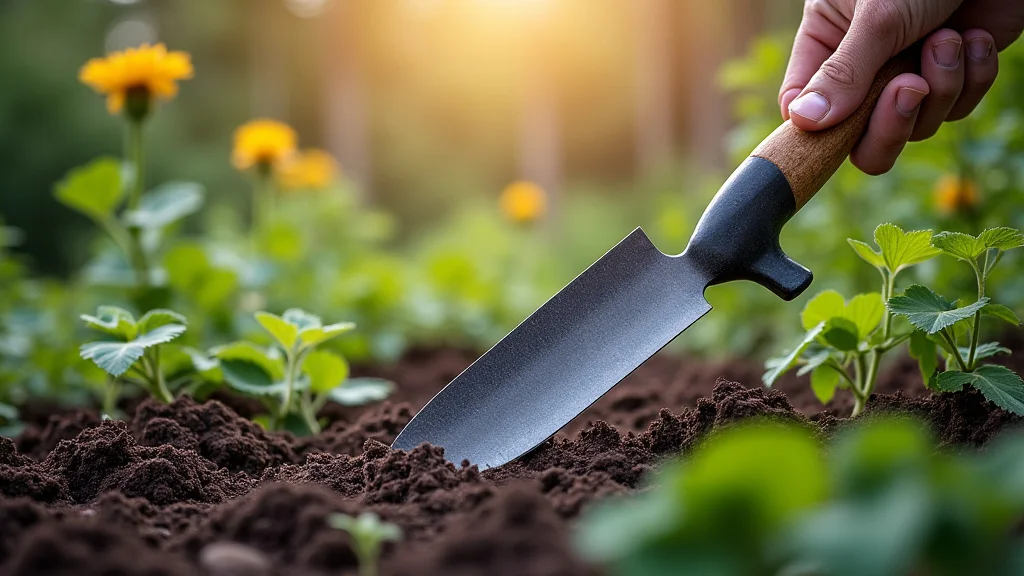
Remember that time you tried to weed your garden, and your back screamed in protest after just a few minutes? Most of us have been there! Bending over for extended periods is a recipe for aches and pains. But what if there was a way to make gardening easier on your body? That’s where gardening tools long handled come into play. This post will help you choose the right tools to make gardening more enjoyable and less of a chore. You’ll learn the benefits of using these tools, explore the different types available, and discover how to select the best ones for your specific gardening needs. Get ready to transform your gardening experience and say goodbye to back pain! By the end, you’ll feel confident in choosing the perfect gardening tools long handled to suit your needs and begin enjoying your garden more.
Key Takeaways
- Long-handled tools reduce strain and improve posture while gardening.
- There are various types of long-handled tools for different gardening tasks.
- Choosing the right handle material and tool head is crucial for durability.
- Regular maintenance and proper storage will extend the life of your tools.
- Ergonomic designs enhance comfort and reduce fatigue.
- Understanding the different tool types helps you select the best tools for your garden.
The Advantages of Using Long-Handled Gardening Tools
Gardening can be a rewarding hobby, but it can also be physically demanding. Bending, squatting, and kneeling can quickly lead to backaches, knee pain, and general fatigue. This is where long-handled gardening tools come to the rescue. These tools are designed to extend your reach, allowing you to tend to your garden while standing upright. This simple adjustment can make a world of difference in your comfort level and overall gardening experience. From weeding and cultivating to planting and harvesting, long-handled tools offer a practical solution for gardeners of all ages and abilities.
Improved Posture and Reduced Strain
The primary advantage of long-handled gardening tools is their ability to improve your posture and reduce strain on your back, knees, and hips. Traditional tools often require you to bend over extensively, putting unnecessary stress on your body. Long handles allow you to maintain an upright position, minimizing the risk of pain and injury. This is especially beneficial for those with pre-existing back problems or limited mobility. By gardening in a more ergonomic position, you can enjoy your time outdoors without the physical strain that often comes with traditional methods. These tools are a fantastic way to make gardening accessible to everyone.
- Reduced Back Pain: Long handles keep you upright, lessening the strain on your lower back.
- Enhanced Knee Comfort: Minimize kneeling and squatting, protecting your knees.
- Better Circulation: Standing gardening promotes better blood flow throughout the body.
Using long-handled tools dramatically reduces the need to bend over, which is a common cause of back pain in gardeners. The extended reach allows you to maintain a straighter posture, distributing weight more evenly across your body. This, in turn, helps to avoid muscle strain and soreness. The result is a much more comfortable gardening experience, where you can work for longer periods without feeling the need to take frequent breaks due to back discomfort. This aspect is especially important for those with a history of back problems or who are prone to developing back pain.
Kneeling and squatting can place significant stress on your knees, leading to pain and potential injuries. Long-handled tools help you avoid this by allowing you to work from a standing position. This is particularly advantageous if you have issues like arthritis or other joint problems that make kneeling painful or difficult. By reducing the physical stress on your knees, you can extend your gardening time and enjoy the activity without unnecessary discomfort. Choosing the right tool for the job becomes easier with these tools.
Prolonged bending can constrict blood flow, leading to fatigue and discomfort. Using long-handled tools encourages better circulation. The upright position improves blood flow, allowing you to feel more energized and less fatigued while working. Improved blood flow also aids in the delivery of oxygen and nutrients to muscles, reducing muscle soreness and speeding up recovery. This creates a much more pleasant and sustainable gardening experience, allowing you to do more with less physical effort and fatigue.
Increased Efficiency and Productivity
Beyond the benefits to your physical well-being, long-handled gardening tools can also increase your efficiency and productivity in the garden. Because you’re able to work in a more comfortable position for longer periods, you can accomplish more in a single gardening session. The extended reach of these tools also allows you to cover more ground with less effort, making quick work of tasks like weeding or raking. This means you can spend less time struggling with the physical demands of gardening and more time enjoying the beauty and satisfaction of a well-tended garden.
- Wider Reach: Cover more ground without moving your feet.
- Faster Task Completion: Complete tasks in less time, freeing up your time.
- Reduced Fatigue: Less effort expended, leading to less tiredness.
The extended reach of long-handled tools enables you to access areas of your garden without constantly moving around. This is especially useful for reaching areas that are difficult to access or for tasks that require a wide range of motion, like raking leaves or sweeping paths. This increased reach means fewer steps and less overall movement, allowing you to complete your gardening tasks quicker and with less overall effort. You will find that you can take on more projects in less time when you have these tools in your arsenal.
By making it easier to maneuver and cover more ground, long-handled tools help you complete gardening tasks quicker. Weeding, cultivating, and sweeping can be done in a fraction of the time compared to using short-handled tools. This saves you valuable time, allowing you to work on more aspects of your garden or to simply enjoy your free time. Efficient gardening also means you can maintain a cleaner and more organized garden space, because you can address any issues or tasks quickly and efficiently.
The combination of better posture, wider reach, and efficient work means that you experience less fatigue while gardening. This means you can garden for longer periods without feeling worn out. Less fatigue allows you to stay focused on the task at hand and to enjoy the process. It is easier to take on more projects and improve your garden without experiencing the physical exhaustion that often accompanies gardening with traditional tools.
Essential Types of Long-Handled Gardening Tools
The world of long-handled gardening tools is varied, offering many options to suit different gardening needs. Understanding the essential types of these tools will help you choose the correct ones to make your gardening tasks easier and more effective. From digging and cultivating to sweeping and harvesting, each tool is designed for a specific purpose. Having the right tools makes a huge difference in the amount of effort required to maintain your garden. Familiarize yourself with the main categories to start.
Digging and Cultivating Tools
Digging and cultivating are at the core of gardening, involving soil preparation, planting, and maintaining plant health. Long-handled tools make these essential tasks less strenuous. Whether you’re turning soil, planting new seedlings, or loosening compacted earth, these tools help get the job done efficiently and comfortably. The right tools can make all the difference in your enjoyment of these activities. There is a tool for every task that needs completing.
- Spades: Used for digging, turning soil, and edging.
- Forks: Ideal for turning compost, aerating soil, and breaking up clumps.
- Cultivators: Perfect for weeding and loosening the topsoil around plants.
A long-handled spade is a fundamental tool for any gardener. Its strong, flat blade is designed to penetrate the soil and make digging easy. These spades are perfect for turning over garden beds, creating planting holes, and defining garden edges. The length of the handle helps reduce strain on your back while you perform these tasks. Spades are indispensable for preparing soil for planting, clearing areas for pathways, or removing sod. The versatility makes it one of the most useful tools.
Long-handled garden forks are used to lift and turn soil, and also to break up clumps and aerate the soil. The tines of the fork help to loosen and mix the soil, which is essential for healthy plant growth. The long handle reduces the need to bend over while performing these tasks. They’re great for incorporating compost, working in fertilizer, and generally improving soil structure. Garden forks are a great addition to your toolkit.
A long-handled cultivator is useful for weeding and loosening the top layer of soil around plants. The tines or blades of a cultivator are designed to break up soil crust and remove weeds without disturbing the roots of your plants. These tools are perfect for maintaining your garden beds. The long handle allows you to work without bending, making weed control much less strenuous. Cultivators are useful tools for any gardener.
Weeding Tools
Weeding is an essential, if often tedious, part of gardening. Long-handled weeding tools are designed to make this task easier and less painful. They offer an efficient way to remove unwanted plants, keeping your garden looking neat and healthy. The long handles provide the reach needed to weed without straining your back. These tools are useful for preventing weeds from taking over your garden space. Consider including these tools in your garden toolkit.
- Weeders: Remove weeds at the root, minimizing regrowth.
- Hooes: Slice weeds at the soil surface and cultivate.
- Weeding Forks: Loosen soil and remove weeds in tight spaces.
Long-handled weeders are made for pulling weeds from the soil. The design often includes a forked or clawed end that grabs the weed firmly near the roots. By inserting the tool into the soil and gently lifting, you can remove weeds without having to bend over. The long handle helps to reduce strain, and the design ensures that most of the root is removed, which limits the likelihood of regrowth. These tools are helpful for keeping your garden beds clear of unwanted vegetation.
Long-handled hoes are versatile tools for weeding, cultivating, and creating furrows for planting. The blade of a hoe is designed to slice through weeds at the soil surface, preventing them from growing. Hoes are also useful for breaking up the top layer of soil, which improves aeration and water penetration. The long handle allows you to work comfortably from a standing position. These tools are great for large areas.
Weeding forks, with their long handles, are ideal for removing weeds in tight spaces or between plants. The narrow tines of the fork allow you to get close to plants without damaging them. The long handle provides the needed leverage and reach to remove weeds and loosen soil, with minimal bending. They are a good solution for maintaining neat and tidy garden beds, particularly in areas where other tools might not fit.
Sweeping and Raking Tools
Sweeping and raking are important for keeping your garden tidy and for maintaining the health of your lawn and beds. Long-handled tools make these jobs more comfortable and efficient. Whether you’re gathering leaves, clearing debris, or leveling soil, these tools help to simplify the process. Having the right sweeping and raking tools makes the tasks much more bearable. Selecting these tools for your yard’s needs will benefit you greatly.
- Rakes: Gather leaves, level soil, and spread mulch.
- Leaf Rakes: Specifically designed for gathering leaves gently.
- Broom: Sweep up debris and clean pathways.
Long-handled rakes are excellent for collecting leaves and grass clippings, leveling soil, and spreading mulch. The wide head and flexible tines of a rake make it easy to gather large amounts of material quickly. The long handle reduces the need to bend and allows for efficient work. Rakes are valuable in all seasons, helping to keep your garden tidy and maintain a healthy environment for your plants. A good rake is a must-have for anyone with a lawn or garden.
Leaf rakes have flexible tines that are designed to gather leaves without damaging the grass or disturbing the soil. The long handle makes it easy to work across large areas without bending. These rakes are usually lightweight, which lessens fatigue. They’re a perfect tool for fall cleanup. Choose the right one to improve your lawn care process.
Long-handled brooms are useful for sweeping up debris, cleaning pathways, and maintaining hard surfaces in your garden. The long handle allows you to work from a standing position, which can prevent back strain. Brooms are versatile tools, great for removing leaves, dirt, and other materials. You will find that these tools are very useful for a quick and easy clean-up. Consider what is right for your pathways.
Choosing the Right Handle and Tool Head
Selecting the correct handle and tool head is important to maximize comfort and effectiveness. The materials and designs will influence the tool’s durability, weight, and overall performance. Making the right choices will ensure that your gardening tools serve you well for many seasons. Different materials and designs are available, so consider your needs and preferences. With a little research, you can make the right choices.
Handle Materials
The material of your tool’s handle has a great effect on its weight, strength, and comfort. You’ll want to think about what materials are best for the tool’s intended use and the gardening tasks you’ll tackle. Handles made of the right materials can improve the tool’s lifespan and make gardening tasks more manageable. Here’s a look at the most common options.
- Wood: Classic, comfortable, and can absorb shocks.
- Aluminum: Lightweight, strong, and rust-resistant.
- Fiberglass: Durable, flexible, and weather-resistant.
Wood handles are traditional and generally made of ash or other hardwoods. Wood handles are comfortable to hold, providing a good grip. They are good at absorbing shocks. Wood can also be repaired if they break, extending the tool’s life. Choose wood handles that are treated to resist moisture and rot, ensuring the longevity of your tools. Wood handles are a classic choice for a reason and can be a cost-effective option for many gardeners.
Aluminum handles are strong, rust-resistant, and lighter than wood. This is a good option for gardeners who may have trouble lifting heavier tools. Aluminum is low-maintenance, requiring less upkeep than wood. They are also weather-resistant, which makes them ideal for outdoor storage. They can sometimes feel colder in the hand compared to wood. However, they are still a good option for all-around use.
Fiberglass handles are popular for their strength, flexibility, and resistance to weather. They are typically stronger and more durable than wood. They are resistant to rot, rust, and insects. They’re excellent for use in all weather conditions. Fiberglass handles offer a good balance of weight and durability. They also offer vibration absorption for more comfortable use. Fiberglass handles are a fantastic option if you want something durable with minimal maintenance.
Tool Head Materials
The material of the tool head is essential for durability, performance, and the types of gardening tasks it is best suited for. Steel and stainless steel are common, each offering unique benefits for different tasks. The material you choose will affect how efficiently your tools work. The correct tool head material will help you meet the requirements of any gardening task. Consider what your needs are, and you will choose the right tool head materials.
- Steel: Strong, durable, and suitable for heavy-duty tasks.
- Stainless Steel: Rust-resistant and ideal for wet conditions.
- Hardened Steel: Designed for longevity and cutting efficiency.
Steel tool heads are a reliable choice for heavy-duty tasks such as digging and cultivating. Steel tools are known for their strength and durability, able to withstand repeated use in tough soil conditions. Steel tool heads are good for those who need a tool that can handle a lot of wear and tear. They can be susceptible to rust if not properly maintained, but they are a fantastic option for a long-lasting tool. Proper maintenance will help make the most of this type of tool.
Stainless steel tool heads are valued for their resistance to rust, which makes them ideal for gardens in wet or humid climates. Stainless steel tools are also durable and can maintain a sharp edge, making them good for weeding and cutting tasks. Stainless steel is low-maintenance, requiring less care to prevent corrosion. These tool heads are ideal if you want a tool that can withstand a range of weather conditions and maintain its performance over time. It can be a cost-effective alternative to steel, as well.
Hardened steel tool heads are created to provide superior durability and edge retention. Through a special process, the steel is treated to enhance its hardness and resilience, extending the tool’s lifespan. These tools can handle tasks that need a sharp edge, such as cutting roots or edging garden beds. Hardened steel tools often require less sharpening and can resist wear and tear over time. Hardened steel tools are a great choice for those needing a reliable, cutting-edge tool for demanding tasks.
Maintenance and Storage of Long-Handled Tools
The upkeep and storage of your long-handled gardening tools is crucial for ensuring they last for years. Proper care not only helps to maintain the tools in top condition, but also enhances their performance. Regular maintenance also prevents the tools from becoming a source of problems or damage to your garden. Taking the time to properly care for your tools will allow you to continue enjoying them for many gardening seasons.
Cleaning and Sharpening
Keeping your gardening tools clean and sharp is essential for their performance and longevity. Regular cleaning removes dirt, debris, and plant material that can cause rust or damage the tools. Sharp tools are also more effective and require less effort to use. Consistent maintenance can have a dramatic effect on your gardening experience. Keeping your tools in top shape is an easy way to protect your investment.
- Cleaning After Each Use: Remove dirt and debris with water and a brush.
- Sharpening Blades: Maintain a sharp edge for efficient cutting.
- Rust Prevention: Apply oil to prevent corrosion.
After each use, take the time to clean your long-handled tools to prevent dirt and plant material from accumulating. Use water and a brush to remove any residue. This helps prevent the tools from rusting or becoming damaged. Proper cleaning also makes the tools easier to use. This simple step can save you time and money and keep your tools working at their best.
Regularly sharpen the blades of tools, such as shovels, spades, and hoes, for efficient cutting and digging. Use a file or sharpening tool designed for garden tools. A sharp blade requires less effort to use and reduces the likelihood of damaging plants or the tools themselves. Sharpening improves efficiency and makes gardening tasks easier. These are essential steps in maintaining your tools.
Rust can damage tools and reduce their effectiveness. To prevent rust, apply a coat of oil after cleaning and drying your tools. This creates a barrier that will keep moisture away. You can use a rust-inhibiting oil or a general-purpose lubricant. This simple step can prevent the rust from forming and extending the life of your tools. Good maintenance will keep your tools working for years to come.
Proper Storage
The way you store your long-handled gardening tools is just as important as how you clean and maintain them. Proper storage protects the tools from weather, damage, and potential theft. A well-organized storage system will also make it easier to locate the tools when you need them. The right storage can keep your tools safe and make them accessible at any moment. Think about a practical and organized system.
- Storing in a Dry Place: Protect from moisture and the elements.
- Hanging Tools: Maximize space and prevent damage.
- Organizing Tools: Easy access and better inventory.
Store your long-handled gardening tools in a dry place, such as a shed, garage, or storage container, to protect them from the elements. Moisture can lead to rust and damage. Keep tools protected from rain, snow, and extreme temperatures. A dry environment is key to preserving the condition of your tools. Choose a location that is easily accessible and protects your investment.
To save space and prevent damage, hang your long-handled tools on a wall or in a tool rack. Hanging tools prevents them from resting on the ground where they can get damaged. This method also makes it easier to locate the tools. Be sure the storage location is easily accessible. Hanging your tools can make your garage or shed neater.
Keep your tools organized for easy access and better inventory control. Group similar tools together and label shelves or racks to make it easier to find what you need. Proper organization can save time and prevent frustration, allowing you to enjoy your gardening activities. Having all your tools within easy reach can make gardening a lot less of a chore.
Ergonomic Designs for Comfort and Efficiency
Ergonomic designs are created to make gardening more comfortable, reduce strain, and increase efficiency. These designs focus on the shape, angle, and materials of the tools to minimize the physical impact of gardening tasks. With tools that are easy and comfortable to use, you can enjoy gardening for longer periods with less fatigue. Ergonomics are an important part of the gardening experience, and the right tools can make all the difference.
Ergonomic Handle Design
The handle of a gardening tool is essential for comfort and ease of use. Ergonomic handle designs are designed to fit comfortably in your hand, reducing strain and improving control. These designs often feature curved or angled handles, cushioned grips, and adjustable lengths to suit different users. Ergonomic handles can make all the difference during gardening tasks.
- Curved Handles: Reduce strain on your wrist.
- Angled Handles: Improve the tool’s efficiency.
- Cushioned Grips: Increase comfort and reduce slippage.
Curved handles are crafted to fit naturally in the hand, reducing strain on the wrist. They provide a more comfortable grip, and also enhance control. This design feature allows you to use the tool for long periods without fatigue. The curved shape helps to distribute pressure evenly across the hand. Curved handles make gardening easier.
Angled handles are designed to optimize the angle at which the tool meets the ground or the task. They allow you to apply force more efficiently, while reducing strain. Angled handles improve your posture and create a more comfortable working position. The angled design can lead to greater control and less fatigue. You will find that these handles reduce the strain on your body.
Cushioned grips add comfort and improve control. These grips can absorb shock and reduce hand fatigue. They also provide a non-slip surface, which enhances safety. Cushioned grips are useful in all types of weather. A cushioned grip can make it easier to work for extended periods. The grips will ensure you are comfortable throughout your gardening activity.
Adjustable Features
Adjustable features add customization and ensure that the gardening tools meet the user’s specific needs. Adjustable features include handle length, angles, and head positions. These adjustments help create a custom fit. Adjustable features can improve comfort, reduce strain, and improve efficiency for gardeners of all shapes and sizes. Taking the time to adjust the features makes gardening more enjoyable.
- Adjustable Handle Length: Fits different heights and tasks.
- Adjustable Angle Head: Improves access to tight spaces.
- Adjustable Head Position: Enables versatility for different tasks.
Adjustable handle length is perfect for accommodating gardeners of various heights. It helps in finding the ideal working position for each individual. A longer handle gives better leverage for digging, while a shorter one can offer more precision for detailed tasks. This adjustability feature enhances comfort and reduces strain. Having adjustable handle length is the perfect solution.
Adjustable angle heads are a tool designed to adapt to tight spaces and difficult angles. This allows you to work more effectively, even in hard-to-reach areas. The angle adjustments can make it easier to dig, weed, and cultivate soil. This feature improves efficiency and reduces the need to bend or strain. Adjustability makes the work easier.
Adjustable head position can increase versatility, allowing tools to be used for a wide range of gardening tasks. For example, a hoe with an adjustable head can easily be converted to a different angle to handle various types of work. This versatility can expand the use of a single tool. Adjustable head positions create greater efficiency and convenience in the garden.
Frequently Asked Questions
Question: What are the benefits of using long-handled gardening tools?
Answer: Long-handled tools help improve posture, reduce strain on your back and knees, increase efficiency, and allow you to work comfortably for longer periods.
Question: What types of tools are available with long handles?
Answer: There are long-handled spades, forks, cultivators, weeders, hoes, rakes, and brooms available.
Question: How do I choose the right handle material?
Answer: Consider wood for comfort and shock absorption, aluminum for lightweight and rust resistance, and fiberglass for durability and weather resistance.
Question: What is the best way to maintain long-handled tools?
Answer: Clean the tools after each use, sharpen the blades regularly, and store them in a dry place. Protect them from moisture.
Question: Are ergonomic tools worth the investment?
Answer: Yes, ergonomic tools are designed to reduce strain and increase comfort, making them worth the investment for gardeners who want a more enjoyable and sustainable experience.
Final Thoughts
Choosing the right gardening tools long handled can significantly improve your gardening experience. They allow you to maintain an upright posture and reduce strain on your back and knees. This leads to increased comfort and the ability to work in your garden for longer periods. From spades and forks to rakes and brooms, long-handled tools come in a variety of styles to suit different gardening tasks. Consider handle materials such as wood, aluminum, or fiberglass, and tool head materials like steel or stainless steel, based on your needs. Remember to regularly clean, sharpen, and properly store your tools to extend their lifespan and ensure optimal performance. Explore the range of ergonomic designs to find tools that will make gardening a joy, not a chore. The right tools will create an enjoyable experience for any gardener!