
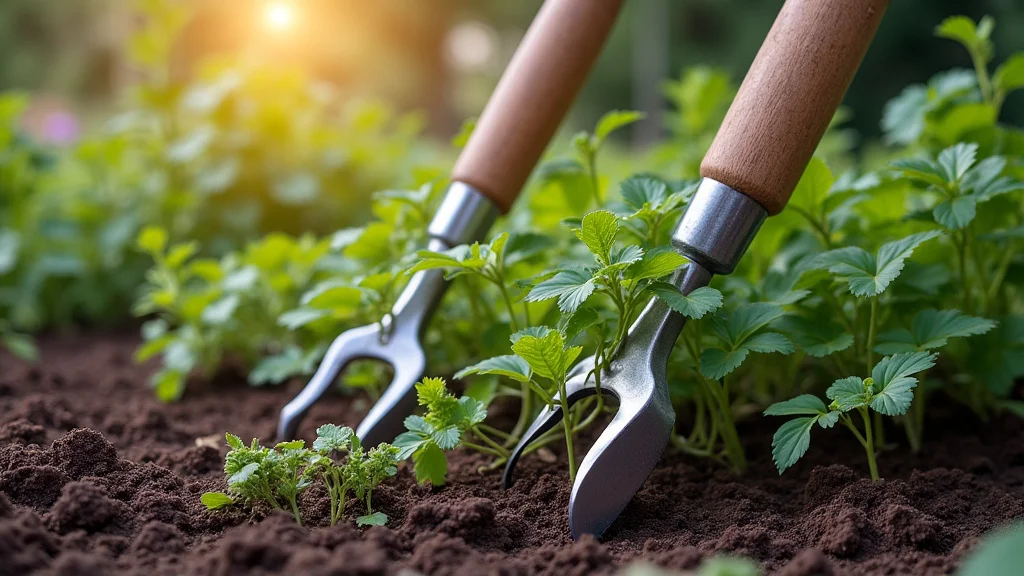
Picture this: you’re starting a new gardening business, filled with passion for nurturing plants and helping others create beautiful gardens. You’ve got the tools, the expertise, and a vision. But something’s missing. That crucial first impression, the visual representation of your brand: your gardening tools logo. This is what potential customers will see, remember, and associate with your business. In this article, you’ll discover the key elements of a great logo, inspiration from successful examples, and how to create a gardening tools logo that effectively communicates your brand’s essence. You’ll gain practical advice to stand out from the competition and build a recognizable brand identity, boosting your website’s engagement and keeping readers on the page longer.
Key Takeaways
- Learn the essential elements of effective logo design, specifically for gardening businesses.
- Discover how color, font, and imagery impact brand perception in the gardening industry.
- Explore examples of successful gardening tool logos and analyze their strengths.
- Understand the importance of simplicity, versatility, and target audience consideration.
- Find tips on choosing the best design elements that represent your brand.
- Gain actionable steps for creating or commissioning a professional gardening tool logo.
Crafting a Memorable Gardening Tools Logo
A well-designed gardening tools logo acts as the cornerstone of your brand identity. It’s the face of your business, the first point of contact for many potential customers. It should be memorable, visually appealing, and accurately reflect the values and personality of your gardening business. It should also be adaptable, working effectively across various platforms, from your website and social media to business cards and signage. This section will explore the fundamental principles of logo design and how they apply specifically to the gardening industry.
Essential Elements of Logo Design
Several elements combine to create a successful logo. These aren’t just aesthetically pleasing features but critical components that shape how people perceive your brand. Neglecting any of these key elements can weaken your logo and, consequently, your brand’s impact. The most important elements work together to build a strong and cohesive visual identity.
- Simplicity: A clean, uncluttered design is essential. Complex logos can be difficult to remember and reproduce.
- Memorability: The logo should be unique and instantly recognizable. It should stick in people’s minds.
- Versatility: The logo should work well in different sizes and across various platforms (website, print, social media).
- Relevance: The logo should be relevant to your brand and the gardening industry.
Simplicity is key in logo design. A simple logo is easier to recognize, remember, and reproduce across various platforms. Think of the Nike swoosh, the Apple logo, or the Target bullseye. Each of these logos is simple in its design but instantly recognizable. A complex logo with multiple elements can become muddled, especially when scaled down for use on business cards or social media profiles. A clean and straightforward gardening tools logo will make a stronger impression and be more memorable for your customers. It ensures that your brand’s visual identity remains consistent and easily identifiable.
A memorable logo is one that people can recall easily after seeing it once or twice. This is achieved through a combination of elements, including a unique design, distinctive imagery, and a memorable color scheme. A gardening tools logo that features a well-designed image of a shovel, a watering can, or a plant can be very effective if the design is original and catches the eye. The use of a memorable font and a distinctive color palette will further enhance memorability. Your goal is for your logo to stand out from the competition and be easily recalled by potential customers.
A versatile logo functions effectively in all contexts, no matter the size or medium. Consider how your logo will appear on your website, business cards, t-shirts, and social media profiles. A logo that looks great on a large banner might become illegible or pixelated when shrunk down for a small icon. Similarly, a logo that looks perfect in color might lose its impact when used in black and white. Design a gardening tools logo that can adapt to different situations without losing its visual appeal or clarity. A versatile logo can be used seamlessly across all your branding efforts.
Relevance ensures that your logo communicates the right message to your target audience. Your logo is the visual representation of your business, so it must accurately reflect your brand’s personality, values, and offerings. For a gardening tools logo, this might mean incorporating imagery of gardening tools, plants, or other elements associated with the gardening industry. The choice of colors, fonts, and imagery should all contribute to a cohesive visual identity that resonates with your target audience. Be sure the message is clear about what you offer to your clients.
The Power of Color, Font, and Imagery
Color, font, and imagery are the building blocks of a gardening tools logo. They work together to create a visual representation of your brand’s essence. The right choices can make your logo instantly recognizable and communicate your brand’s personality, while the wrong choices can confuse and deter potential customers. Each element plays a unique role in shaping how people perceive your brand and it’s essential to consider them carefully.
- Color Psychology: Use colors that evoke the right emotions (green for nature, brown for earthiness, etc.).
- Font Selection: Choose a font that is readable and reflects your brand’s personality (serif for classic, sans-serif for modern).
- Imagery Choices: Use relevant and high-quality images (tools, plants, landscapes).
- Imagery Styles: Should the image be illustrated or photograph based?
Colors have the power to evoke specific emotions and associations. In the context of a gardening tools logo, certain colors are naturally more appropriate than others. Green, for instance, symbolizes nature, growth, and freshness, making it a classic choice for gardening businesses. Brown evokes a sense of earthiness, stability, and reliability, reflecting the connection to the soil. Other colors, like yellow, can add a touch of cheerfulness and energy. Be sure to consider your target audience and the values of your brand when selecting your color palette.
The font you select for your logo can significantly impact its overall feel. The font should be readable, ensuring that your brand name is easily understood. It should also align with your brand’s personality. Serif fonts, with their small strokes at the ends of letters, often convey a sense of tradition, reliability, and elegance. Sans-serif fonts, which lack these strokes, can appear more modern, clean, and straightforward. For a gardening tools logo, the font choice should reflect the tone and character of your business. It is vital to select a font that fits with the overall design and creates a cohesive brand identity.
The imagery you choose is critical. It should be relevant to your industry and visually appealing. For a gardening tools logo, consider incorporating images of gardening tools such as shovels, rakes, watering cans, or plants like flowers, leaves, or vegetables. These images should be high-quality and reflect the aesthetic of your brand. The imagery should be chosen carefully to ensure that it accurately represents your brand’s identity and values. The right image can help make your logo memorable and communicate your brand’s essence.
There are different styles of imagery to use, and each style offers unique opportunities. Consider whether an illustrated image or a photographic image would best represent your brand. An illustration can offer a unique and stylized look, which can help your logo stand out and allow for creativity. A photograph can offer a more realistic and authentic feel, which can be useful if your brand emphasizes the natural world. Evaluate your target audience and determine which style is more appealing and communicates your brand’s values more effectively. Many gardening tools logo options use illustrations of tools to establish their services.
Exploring Successful Gardening Tools Logo Designs
Looking at successful examples can provide a wealth of inspiration and insights. Examining how other gardening businesses have created effective logos can help you understand the key design principles in action. This section highlights different approaches, breaking down the elements that make them successful. Learning from these examples can help you to avoid common pitfalls and inspire your own design process, leading to a gardening tools logo that reflects your business.
Analysis of Logo Design Styles
Successful logos often follow specific design styles that align with their brand identity and target audience. Understanding these styles can help you make informed decisions when creating your own logo. From minimalist to intricate, each style has its own strengths and weaknesses. It’s essential to pick the style that resonates best with your brand and potential customers.
- Minimalist Designs: These designs emphasize simplicity, using clean lines and a limited color palette.
- Vintage or Retro Logos: These logos draw inspiration from older styles, using classic fonts and imagery.
- Modern Logos: These use contemporary design elements, such as bold colors, geometric shapes, and clean lines.
- Illustrative Logos: These logos use detailed illustrations to communicate the brand’s message.
Minimalist logos focus on essential elements, removing unnecessary details to create a clean and uncluttered look. They often feature simple shapes, a limited color palette, and a focus on negative space. The goal is to make the logo easy to recognize and remember. A minimalist gardening tools logo might feature a simplified image of a leaf, a gardening tool, or a geometric shape. This style is particularly effective if you want your brand to appear modern, sophisticated, and easy to connect to.
Vintage or retro logos often incorporate elements from past design eras, such as classic fonts, ornate illustrations, and muted color palettes. These logos create a sense of nostalgia, authenticity, and heritage. A vintage gardening tools logo might feature a hand-drawn illustration of a shovel, a watering can, or a classic gardening scene. This style can be very appealing if your brand focuses on traditional gardening practices or organic methods, adding a unique character to your logo.
Modern logos embrace current design trends, often featuring bold colors, clean lines, and geometric shapes. They are designed to feel contemporary, forward-thinking, and visually appealing. A modern gardening tools logo might feature an abstract representation of a plant or a garden, with strong colors and a dynamic composition. This style is a strong option if your brand is new or focuses on new technology.
Illustrative logos feature detailed images or drawings that communicate the brand’s message. These logos can be particularly useful for businesses that want to showcase their expertise, products, or services visually. An illustrative gardening tools logo might depict a detailed illustration of a plant, tool, or garden scene. These logos can create a strong visual impression and make your brand stand out from the competition. Be sure the illustrative elements are clear and easily understood.
Key Components to a Successful Logo
Beyond style, some components contribute to the success of a gardening tools logo. These are universal elements that work across design styles. Paying close attention to these components can help make your logo more effective and memorable.
- Uniqueness: Is your logo distinguishable from other brands in the industry?
- Target Audience: Does your logo resonate with your ideal customer?
- Brand Values: Does the logo reflect your brand’s core values and mission?
A unique logo helps to set your brand apart. Conduct some research into what other gardening businesses are using as logos to avoid similarities in design. This can be achieved through creative use of imagery, color, font, and layout. Avoid using generic symbols or designs that might be associated with other businesses. The goal is to create a logo that is recognizable and instantly identifiable as belonging to your brand. Uniqueness is often tied to memorability, making it essential for a successful logo.
Understanding your target audience is essential. A logo should speak directly to the audience, appealing to their preferences and values. Consider your target audience’s age, interests, and background. A logo designed for a younger audience might be more playful and vibrant, while a logo for a more established audience might be more traditional and refined. Researching the preferences of your target customers helps you create a logo that resonates with them. This ensures your gardening tools logo successfully communicates its message.
Your logo should communicate your brand’s essence. It must reflect your values, mission, and the personality of your business. This is achieved through careful choices regarding color, font, and imagery. A brand focused on sustainability and organic gardening might use natural colors, earthy tones, and illustrations. Consider how your brand should be perceived by potential customers and design a logo that clearly communicates these values. Your gardening tools logo should be a visual representation of your business’s core principles.
Designing Your Gardening Tools Logo: A Step-by-Step Guide
Creating your gardening tools logo might seem complex, but breaking it down into steps makes the process manageable. This process ensures you’ll create a logo that meets your brand’s requirements. Here’s a streamlined process that ensures a successful outcome.
Step-by-Step Design Process
This organized process helps you create a strong logo.
- Define Your Brand: Identify your brand’s values, mission, and target audience.
- Research Your Competition: Analyze the logos of your competitors. Identify the trends and what sets them apart.
- Brainstorm Ideas: Generate different ideas, sketches, and concepts.
- Choose a Color Palette and Font: Select colors and fonts that match your brand’s identity.
- Create Mockups and Refine: Develop mockups of your logo and refine the design based on feedback.
Begin by defining your brand’s essence. Think about your values, mission, and who you are trying to reach. This step helps define the message you are conveying through the logo. Consider what makes your business unique and what you want to communicate to your audience. Be detailed in your description to ensure every visual element reinforces your brand’s core principles.
Analyze the gardening tools logo used by your competitors. Research your competitors and examine the designs they use. Note any common themes, colors, or imagery. Evaluate what works well and what doesn’t. This research helps you create a logo that stands out. Understanding the trends in your industry will help you make informed decisions when designing your own logo.
Brainstorm potential logo concepts, sketching ideas, and generating different variations. Experiment with various shapes, fonts, and images. Consider the different styles and components, such as minimalist, vintage, modern, and illustrative designs. Explore how each idea could represent your brand’s essence and reflect your values. Generate multiple options to give yourself plenty of choices.
Select your color palette and fonts. Think about the color psychology and fonts that best fit your brand’s personality. Choose a color palette that evokes the right emotions and aligns with your brand. Choose a readable font that also reflects your brand’s style. Ensure the colors and fonts work well together and create a cohesive visual identity.
Create mockups to visualize how your logo will appear on different platforms. Experiment with different variations and test the logo’s adaptability on various backgrounds and surfaces. Get feedback from potential customers and other people to identify what works well and areas that need improvement. Make the necessary adjustments and refine the design until it meets your brand’s requirements.
Choosing the Right Design Resources
When creating a gardening tools logo, you have multiple options, each with advantages and disadvantages. From DIY tools to professional designers, select the option that best suits your needs, budget, and design skills.
- DIY Logo Makers: Easy to use tools, but may lack originality.
- Freelance Designers: Provide custom designs, with varying costs and quality.
- Professional Design Agencies: Offer comprehensive branding services, at a higher cost.
DIY logo makers are easy to use, offering templates and tools to create a logo with limited design experience. These are often inexpensive. However, these tools may limit originality. The resulting logos might lack the unique touch that a professional can bring. DIY logo makers are an option if you are on a tight budget or need a logo quickly, but consider your business’s long-term needs.
Hiring a freelance designer offers custom designs. It gives you the advantage of working with a design professional to create a logo that aligns with your brand. However, freelance designers’ costs can vary. The quality of their work will also vary depending on experience and skills. Ensure you have the budget and do your research before hiring.
Professional design agencies provide the most comprehensive design services, offering expert design skills. They provide full branding services, including logo design, brand identity development, and marketing materials. However, their services come at a higher cost. If you have the budget and need a complete branding solution, a design agency is a great option. Make sure that you find one you can trust with your brand vision.
Frequently Asked Questions
Question: What’s the best color for a gardening tools logo?
Answer: Green and earth tones (brown, beige) are most effective, representing nature and earthiness. However, the best color depends on your brand’s personality.
Question: Should my logo include an image of a gardening tool?
Answer: It can, but it’s not essential. An image of a tool (shovel, watering can) can be a strong visual cue, but a more abstract or symbolic design can also be effective.
Question: How important is font choice in a logo?
Answer: Very important. The font should be readable and reflect your brand’s personality. Serif fonts give a sense of elegance and sans-serif fonts look modern.
Question: What file types do I need for my logo?
Answer: You’ll need vector files (AI, EPS, SVG) for scalability and raster files (PNG, JPG) for web use and general applications.
Question: How can I ensure my logo is memorable?
Answer: Use a unique design, a distinctive color palette, and avoid excessive complexity. Make sure your logo is easy to recognize and remember.
Final Thoughts
A great gardening tools logo is more than just an image; it’s a representation of your brand’s identity and values. It creates a lasting impression on your customers and is a key component for your business’s success. Your logo should be simple, memorable, versatile, and relevant to your brand. From choosing the right colors and fonts to exploring different design styles, the decisions you make shape your brand’s character. Whether you choose to create it yourself or hire a professional designer, remember to keep your target audience in mind, and let your logo reflect the essence of your gardening business. It should stand out and be recognizable. By investing time and thought in your logo design, you’ll establish a brand that resonates with your customers and helps your business thrive. Focus on a design that’s visually appealing and truly represents your business. This will enhance your brand’s recognition.