
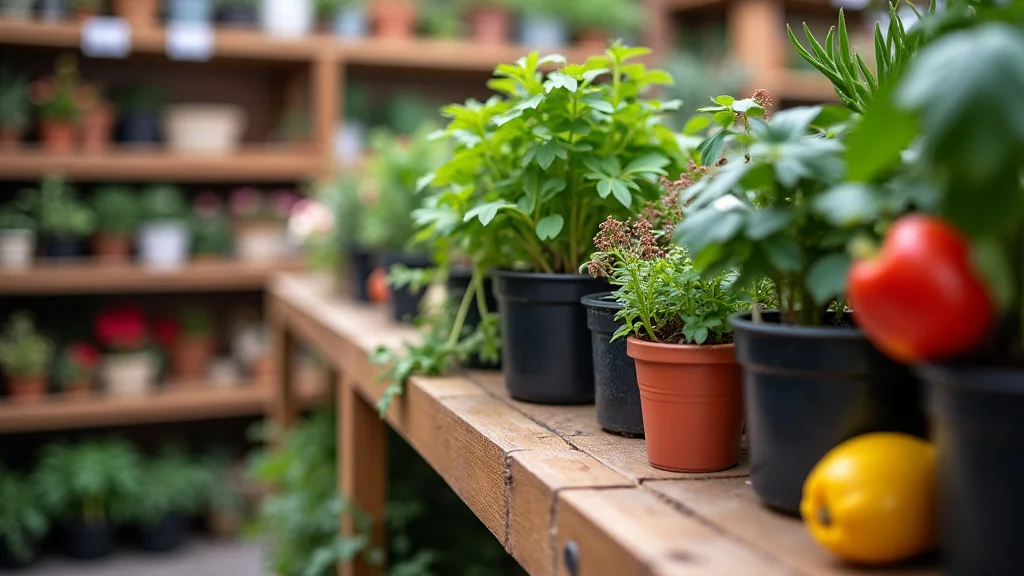
The other day, I was trying to plant some sunflowers in my garden. I quickly realized that my old trowel had seen better days! The handle was loose, and the blade was rusty. This sent me on a quest: where to find new gardening tools locations BL4? Finding the right shop can save you time and money, and set you up for gardening success. This post will help you discover the best places to buy your gardening equipment, ensuring you have everything you need to cultivate your green space and enjoy the outdoors.
Key Takeaways
- You’ll discover various local options for purchasing gardening tools locations BL4.
- Learn about the types of tools available, from basic hand tools to power equipment.
- Find out the benefits of buying from local shops versus larger retailers.
- Understand how to choose the right tools for your specific gardening needs.
- Get tips on tool maintenance and extending the lifespan of your equipment.
- Gain insights into potential price ranges and where to find the best deals.
Exploring Local Gardening Tools Locations BL4
Searching for gardening equipment in the BL4 postcode area gives you options beyond big box stores. You have the chance to support local businesses, often offering personalized service and expert advice. These local businesses can provide a unique experience, offering more specialized tools, and often hosting events or workshops that benefit the gardening community. This exploration allows you to discover hidden gems and ensures that your gardening experience is both successful and rewarding.
The Benefits of Local Gardening Shops
Choosing a local shop to purchase gardening tools locations BL4 comes with several advantages that benefit both your gardening and your community. Local businesses offer personalized service, allowing for tailored advice that aligns with the local climate and soil conditions. This level of expertise can be invaluable for new and experienced gardeners alike. Furthermore, shopping locally supports the economy, strengthening the local community, and often ensures higher-quality products.
- Personalized Advice: Local shop owners and staff usually have an in-depth understanding of gardening practices specific to the area. They can provide guidance on everything from the best plants to grow to effective pest control methods. This information is usually more relevant and practical compared to generalized advice from larger retailers.
- Community Support: Supporting local shops helps to invigorate the local economy. These businesses often sponsor local events and contribute to community projects, fostering a sense of togetherness and enriching your surroundings. Your purchases contribute to the community’s overall well-being.
- Unique Products: Many local shops focus on specialty tools, organic products, and unique plant varieties that may not be available in larger stores. This provides gardeners with a wider array of options. This allows you to explore different types of gardening and find tools that perfectly meet your unique needs.
- Tool Repair and Maintenance: Local shops often offer repair and maintenance services, which is especially valuable for power tools and equipment. This eliminates the need to
Many local shops also offer tool sharpening and restoration services. A well-maintained tool performs more effectively and safely. Local shops typically provide a quick turnaround and can keep your tools running smoothly. This level of support can save money and reduce the environmental impact of replacing tools.
The ability to receive tailored advice is a significant advantage. The staff’s familiarity with local conditions means that you receive recommendations suitable for your specific needs, be it which fertilizers thrive in the local soil or which plants are disease resistant. This individual attention improves the effectiveness of your gardening endeavors and increases your chances of success.
Local shops often build strong relationships with their customers. This creates a sense of trust and provides a setting to ask questions and receive reliable feedback. Supporting these shops helps strengthen your social network and builds a welcoming environment for all garden enthusiasts. The more community-oriented the shop, the more you stand to gain.
Some smaller, specialized shops focus on offering tools made from sustainable materials or products that promote organic gardening practices. These shops are frequently involved with local growers, and they can provide access to plants or seeds that are suitable for BL4’s unique ecosystem. This focus can enable you to contribute positively to the environment.
Types of Gardening Tools Available
When you’re searching for gardening tools locations BL4, you will discover that different tools cater to various gardening tasks, ranging from basic hand tools to advanced equipment. The right selection of tools helps ensure that your gardening is fun and effective. Understanding the different types available is the first step toward building a comprehensive collection.
- Hand Tools: These tools are essential for basic gardening tasks. They include trowels, hand rakes, hand forks, and pruning shears. Hand tools are ideal for small gardens, raised beds, or container gardening.
- Digging Tools: This includes spades, shovels, and forks, which are necessary for turning soil, planting, and moving materials. Choose tools with strong handles and durable blades for longevity. Consider the size of your garden and the type of soil when choosing these tools.
- Pruning Tools: Pruning shears, loppers, and pruning saws are used for trimming plants, shrubs, and trees. Proper pruning encourages healthy growth and shape. Consider the size and type of the plants when selecting pruning tools.
- Watering Tools: Hoses, sprinklers, and watering cans are crucial for keeping plants hydrated. Consider your garden’s size and layout. Ensure that your chosen watering tools provide adequate water coverage.
- Power Tools: These tools, like lawnmowers, hedge trimmers, and leaf blowers, can make yard work much more efficient. Power tools come with a significant cost, so consider whether they are a good investment for your needs. Always adhere to safety instructions.
- Protective Gear: Gardening gloves, hats, and protective eyewear are essential for your safety and comfort. Choose durable, comfortable gloves that fit well. Protect your skin from sun and thorns with appropriate clothing.
Hand tools are typically lightweight and easy to use, and require minimal upkeep. Quality hand tools are typically affordable and built to last. Consider purchasing sets of hand tools for cost-effective options, and choose ergonomic designs that reduce strain during use.
Different types of spades and shovels suit various gardening projects. A pointed shovel works well for digging holes, while a flat-edged spade is best for edging and slicing through sod. Steel or fiberglass handles offer durability, while wood handles provide a traditional feel. Ensure the handles are the right length for your height to avoid back strain.
High-quality pruning tools make it easier to make clean cuts, reducing the risk of disease. Look for tools made from hardened steel that holds a sharp edge. Regularly clean and sharpen your tools to keep them performing effectively. Consider buying bypass pruners, which provide a clean cut without crushing the stem.
Watering tools vary from simple watering cans to sophisticated irrigation systems. Choose a hose made from durable materials that resist kinks and leaks. Consider a soaker hose or drip irrigation system for efficient water delivery, and attach a spray nozzle with different settings to suit different needs.
When selecting power tools, think about the size of your garden and the amount of maintenance required. Electric models are generally quieter and more environmentally friendly. If you choose gas-powered tools, make sure to consider their upkeep. Properly maintain power tools for longevity.
Gardening can expose you to sun, dirt, and potential hazards. Invest in a good pair of gloves to protect your hands, and choose breathable fabrics for hot weather. A wide-brimmed hat shields your face and neck from the sun. Protective eyewear keeps debris away from your eyes.
Choosing the Right Tools for Your Garden
Selecting the right gardening tools depends heavily on your garden’s size, the kind of plants you’re growing, and your personal needs. Consider your gardening style and the tasks that will be required. Choosing appropriately ensures that your efforts are both effective and enjoyable. Taking a few moments to assess your gardening demands before purchasing tools will help you avoid unnecessary expenses and find the items that fit your gardening approach.
Assessing Your Gardening Needs
Before purchasing tools, evaluate your gardening needs. Take an inventory of your current projects and consider any plans for expansion. This preliminary evaluation will help you make more informed decisions. By understanding your gardening goals, you can better select the tools that suit your needs. This thoughtful approach helps save time and money, and contributes to the long-term success of your garden.
- Garden Size and Layout: The size of your garden heavily influences the type and quantity of tools you require. Larger gardens will demand more extensive tools. A small balcony garden, on the other hand, will only require smaller hand tools.
- Type of Plants: Different plants require different care. For example, growing roses requires pruning shears, while vegetable gardening may require specific tools for planting and harvesting. Consider what type of crops you grow, and adjust your tool selection accordingly.
- Soil Type: Soil type significantly affects the tools you should have. Compact clay soil necessitates tools with stronger construction, while sandy soil requires tools to manage drainage and aeration.
- Personal Gardening Style: Consider your approach to gardening. Are you a meticulous gardener or someone who prefers a more relaxed style? The quantity of time and energy you put into your garden will determine the tools you choose.
- Budget: Establish a budget before buying gardening tools locations BL4. Tools can range from inexpensive to expensive, depending on their quality and functionality. Prioritize the tools that align with your requirements to ensure you get the best value for your money.
The layout of your garden is important. Consider raised beds, container gardens, or open spaces. For raised beds, you might need a hand trowel, while a larger open space may require a spade or a rototiller. This careful evaluation allows you to select tools that make your gardening manageable and enjoyable.
If you’re growing fruits, vegetables, or flowers, you’ll need tools designed for each type of plant. Vegetables might require a hoe or a weeder, and flowers may require specialized tools for pruning. Choosing the proper tools makes taking care of your plants more successful, and enhances your gardening experience.
If your soil is compact, you may need a heavy-duty shovel or a garden fork for breaking it up. If your soil is sandy, you might consider a cultivator or a hand rake to manage drainage and aeration. Knowing your soil type ensures that your tools are efficient and suitable for your garden’s needs.
If you prefer a detailed approach, a comprehensive set of tools may be necessary. For a more relaxed style, you may only need a few essential tools. Considering your personal style keeps your gardening manageable and enjoyable. Select tools that fit your personal preferences.
Look for tool sets that are more cost-effective. Consider the long-term value of a tool and think about whether it meets your needs. Look for sales and promotions to ensure your purchases are financially sound. Having a well-defined budget means you can manage your spending.
Tool Quality and Features to Consider
When you’re choosing gardening tools locations BL4, assess their quality, durability, and special features to ensure that they meet your requirements. High-quality tools are a worthwhile investment as they last longer and provide better performance. Considering all features ensures that your tools make your gardening both effective and comfortable. Prioritizing quality and functionality, you can enhance your experience.
- Material: The material used in tools affects their durability and performance. Look for tools made from high-quality materials. Consider features like rust resistance and weather resistance.
- Ergonomics: Ergonomic designs improve comfort and reduce strain, particularly when using hand tools for prolonged periods. Look for handles shaped to fit your hand. Select tools that minimize pressure and improve efficiency.
- Durability: Choose tools built to withstand regular use. Robust construction will ensure that your tools last a long time. Look for tools that have sturdy components, such as reinforced joints and corrosion-resistant materials.
- Weight: The weight of the tool has an impact on its usability. Lightweight tools are easier to manage, especially for extended periods. Select tools that balance performance with ease of use.
- Features: Several tools come with unique features that improve their usefulness. Adjustable handles, multi-functional designs, and easy-storage features offer extra functionality. Select features that are important for your gardening requirements.
Steel blades are durable, but may rust, so choose stainless steel options, or tools with protective coatings. Handles made from fiberglass or hardwood provide a balance of comfort and longevity. Evaluate materials that are both strong and suitable for the tasks you plan. Knowing the material composition will help you choose wisely.
Ergonomic handles are designed to reduce strain on your wrists and hands. Cushioned grips offer comfort, and angled handles reduce stress. Think about how the tool feels in your hands, and whether it promotes a natural and comfortable grip. Ergonomic tools are crucial for preventing strain.
Look for tools with solid construction that can withstand the demands of gardening. Strong handles and blades offer long-term value. Durable tools last longer and reduce the need for replacements, which saves money and contributes to sustainability.
Lightweight tools are particularly useful for those who may have limited strength or mobility. Consider the tool’s weight when choosing long-handled tools such as shovels and rakes. Select tools that are easy to maneuver, and that won’t strain your body. Choosing the right weight will enhance your experience.
Some tools have telescopic handles for adjustable reach, while others can switch between different functions. Storage features are important for small gardens or limited space. Consider how special features will influence your ability to work efficiently and store your tools safely.
Tool Maintenance and Care
Taking care of your gardening tools lengthens their lifespan and ensures they work well. Routine maintenance can keep your tools in excellent condition, improving your gardening efforts. Proper tool maintenance preserves your investment and increases your gardening enjoyment.
Cleaning and Storage
Cleaning and storing your gardening tools properly protects them from the elements and extends their lifetime. Remove dirt, soil, and debris after each use. Proper storage stops rust and preserves functionality. Regular maintenance makes your gardening equipment more effective and makes your experience more enjoyable.
- Cleaning After Use: Clean your tools after each use to remove soil, sap, and plant residue. Use a brush or cloth to remove debris. Clean tools make gardening easier.
- Sharpening Blades: Keep blades sharp for efficient cutting and pruning. Dull blades can damage plants. Sharpening blades minimizes strain and preserves plants’ health.
- Lubrication: Lubricate the moving parts of tools like pruners and loppers. Lubrication helps to prevent corrosion and ensures smooth operation. This simple step can add years to your tools.
- Proper Storage: Store your tools in a dry, covered area. A shed or garage is ideal. Keep them off the ground to prevent moisture and rust. Proper storage extends their life.
Use water and a mild detergent to clean your tools. Ensure to dry them thoroughly to prevent rust. Removing debris will help your tools remain in good shape. Regular cleaning also prevents the spread of plant diseases.
Use a file or whetstone to sharpen blades. Follow the manufacturer’s instructions. A sharp blade makes cleaner cuts, and reduces the risk of injury. Regularly sharpening your tools ensures their effectiveness.
Apply a lubricant to the pivot points and cutting edges of your tools. This lowers friction and protects against rust. Regular lubrication makes them work well. A well-lubricated tool works better, and reduces the effort required.
Hang your tools or store them on a tool rack. Consider using a tool organizer to keep them neat and easily accessible. Protecting your tools from moisture extends their lifespan, making your gardening easier.
Finding the Best Deals
When buying gardening tools locations BL4, you can often find great deals to help you make the most of your investment. Taking advantage of discounts and promotions will increase the value of your purchases. Knowing where to look for discounts can save you money, and offer you the tools you require to succeed. By being resourceful, you can create a cost-effective gardening setup.
Where to Look for Discounts
Look for various ways to save money when buying gardening tools. Comparing prices across different shops allows you to find the best options. Waiting for seasonal sales and promotions can also result in lower costs. Budget-friendly shopping allows you to purchase tools without breaking the bank.
- Compare Prices: Compare prices across different local shops and online retailers. Prices can vary. Comparing prices can help you find tools that are both effective and affordable.
- Seasonal Sales: Look out for seasonal sales and promotions, especially at the end of the growing season or during the off-season. Retailers frequently lower prices to make room for new inventory. You can find excellent bargains.
- Clearance Sections: Check the clearance sections of local shops and garden centers. You may find discontinued models or gently used tools at discounted prices. Clearance tools provide an affordable option.
- Online Marketplaces: Explore online marketplaces for used or discounted tools. Check for options from private sellers or retailers. Online marketplaces can offer competitive prices.
- Loyalty Programs: Take advantage of loyalty programs that local shops may offer. Loyalty programs often give discounts or rewards. Loyalty programs will help you save money.
Take the time to examine prices at different locations, including hardware stores and garden centers. This helps you identify deals and ensure that you’re receiving the best value for your money. Price comparison takes a little time, but can provide significant savings.
Many shops offer sales on gardening equipment during fall or winter. Purchasing tools during these times will save you a considerable amount of money. Shopping at the right time will let you expand your tool collection affordably.
Clearance sections provide a good way to save money. These tools are often in good condition, and may provide great value. Always check the tools carefully to make sure they’re in working order before purchasing them.
Websites like eBay or Craigslist may offer used tools at reduced prices. Always check the tool’s condition before making a purchase. Check the seller’s rating to ensure they are trustworthy. Online marketplaces offer a broad range of options.
If you regularly shop at a particular store, a loyalty program will result in savings. Reward programs can add up over time, providing benefits like discounts or points. Participating in these programs makes you a savvy shopper.
According to a survey by the National Gardening Association, over 77% of U.S. households engage in some form of gardening. This demonstrates the widespread interest in gardening, and the demand for gardening tools. Furthermore, a study showed that spending on gardening products has increased by over 20% in recent years, demonstrating the growing popularity of gardening as a hobby and a way to improve our living spaces.
Frequently Asked Questions
Question: What’s the best way to clean my gardening tools?
Answer: Rinse off loose dirt with water and use a brush or cloth to remove stubborn debris. Dry the tools thoroughly to prevent rust. A mild detergent can be used for extra cleaning.
Question: How often should I sharpen my pruning shears?
Answer: Sharpen your pruning shears before each pruning season and as needed during the season. Dull blades damage plants, so regular sharpening is crucial.
Question: Where should I store my gardening tools?
Answer: Store your tools in a dry, covered area like a shed or garage. Keeping them off the ground prevents moisture and rust from forming.
Question: What are the benefits of buying from a local gardening shop?
Answer: Local shops offer personalized advice, support the community, and often have unique products that might not be available in larger stores. Many also provide tool repair and maintenance services.
Question: How can I choose the right size shovel?
Answer: Consider the size of your garden and the type of tasks you will perform. For small gardens, a shorter handle might be convenient, while for larger gardens, a long-handled shovel will offer more reach and leverage.
Final Thoughts
Exploring the gardening tools locations BL4 area provides a wealth of options for all your gardening needs. From the friendly expertise of local shops to the varied selection of tools available, you can assemble the perfect equipment for your garden. Finding the right tools, maintaining them properly, and locating the best deals can save you money and ensure your gardening success. Whether you are a beginner or a seasoned gardener, your garden is about more than just the plants; it’s about the tools, the community, and the enjoyment of the process. So, get out there, explore your local shops, and start cultivating your dream garden today!