
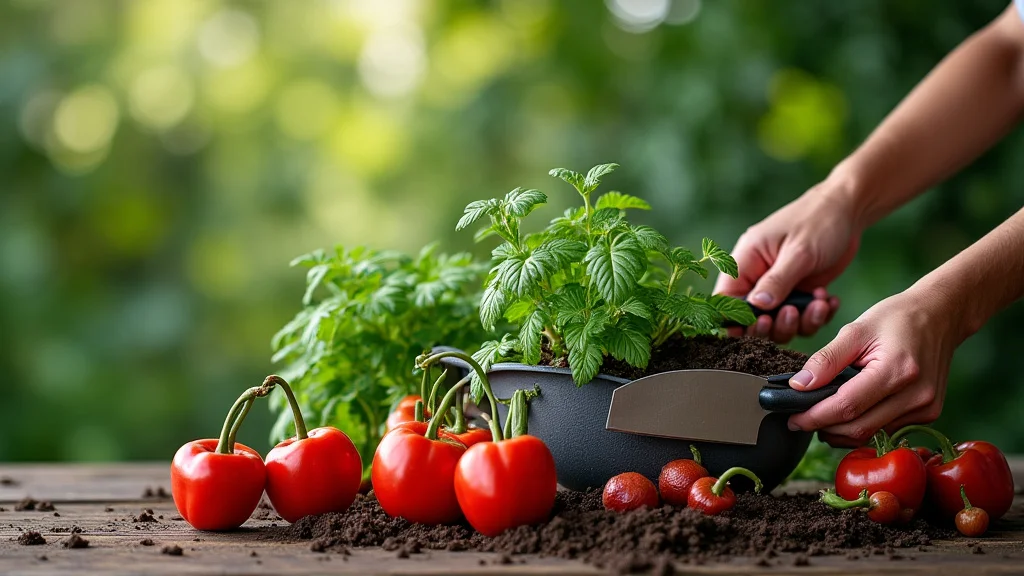
Remember that time you tried to plant a rose bush with just your bare hands? Ouch! That’s when I realized I needed some help. From simple tasks like weeding to more involved projects like building a raised bed, the right gardening tools make all the difference. This post will walk you through the basics, helping you pick the perfect equipment for your garden, whether you’re starting a small herb garden on a balcony or a full-scale vegetable patch. You’ll gain a solid gardening tools definition, making it easier to choose the right tools and garden like a pro! This will save you time, effort, and possibly a few scraped knuckles!
Key Takeaways
- Learn the essential types of gardening tools and their uses.
- Discover how to choose the right tools for your specific gardening needs.
- Find out how to properly care for and maintain your gardening tools.
- Get tips on the best tools for beginner gardeners.
- Explore different materials used in gardening tool construction.
- Understand the importance of safety when using gardening tools.
Essential Gardening Tools for Beginners
Starting a garden can feel a bit like learning a new language. There are so many tools, techniques, and terms! But don’t worry, you don’t need every tool under the sun to get started. The core of any beginner’s toolkit should focus on the essentials. These are the tools that will help you prepare the soil, plant your seeds or seedlings, water your plants, and keep them healthy. Focusing on these core tools initially will provide a foundation to support growth and will ensure you are set for success. Consider what tasks you plan on doing and adjust your purchasing accordingly; you might not need a specialized tool right away.
Hand Trowel and Hand Fork
The hand trowel and hand fork are two of the most basic and versatile gardening tools, crucial for many gardening tasks. The trowel is essentially a small, handheld shovel, ideal for digging small holes, transplanting seedlings, and scooping up soil. The hand fork, on the other hand, is a small, three- or four-pronged tool used for loosening soil, removing weeds, and mixing compost. Together, these tools provide a lot of functionality in a compact format, making them perfect for small gardens, containers, or raised beds. They are typically inexpensive and easy to find, making them perfect for starting gardeners who are not ready for a large investment.
- Hand Trowel: A small, scoop-shaped tool used for digging, planting, and transplanting.
- Hand Fork: A small, fork-shaped tool for loosening soil, weeding, and mixing in compost.
- Best Materials: Look for stainless steel or carbon steel blades and ergonomic handles.
The hand trowel is one of the most frequently used tools in any garden. Its small size allows for precision when planting seeds or seedlings, and it’s perfect for maneuvering around existing plants. The trowel’s curved shape is ideal for scooping up soil and making small trenches for planting. Look for a trowel with a comfortable handle and a sturdy blade made of stainless steel or carbon steel, which will resist rust and provide durability. Consider the handle material as well, such as wood, plastic, or rubber, and choose the one that provides the best grip and ergonomics for your hands.
The hand fork is an excellent companion to the trowel, providing another way to work the soil. It’s perfect for breaking up clumps, removing small weeds, and aerating the soil to improve drainage. The hand fork is particularly useful in tight spaces or container gardens, where a larger tool would be unwieldy. When selecting a hand fork, consider the spacing of the tines (the prongs) and the handle. A fork with closely spaced tines is effective for weeding and breaking up compacted soil. A comfortable handle will make it easier to work for longer periods without tiring your hands.
The material of these small tools matters greatly, with the aim being durability and comfort. Stainless steel trowels and forks are corrosion-resistant, making them ideal for outdoor use and exposure to moisture. Carbon steel tools, while also strong, might require a bit more care to prevent rust. Handles come in a variety of materials, and often include wood, plastic, and rubber. A wooden handle provides a classic feel and can be surprisingly ergonomic if shaped correctly. Plastic handles are light and easy to clean, while rubber handles offer better grip, especially when wet, enhancing your ability to get a job done.
Gardening Gloves
Gardening gloves are a seemingly simple tool, but they are absolutely critical for anyone serious about spending time in the garden. They protect your hands from dirt, thorns, potential irritants, and blisters. The right pair of gloves can also improve your grip and make it easier to handle tools. They’re available in many materials, thicknesses, and styles, so choosing the right ones depends on the tasks you’ll be doing and your personal preferences. Choosing the correct type of glove can improve your experience and make gardening much more fun. There are many options available, so be sure to pick some that are best for you.
- Protection: Shields hands from dirt, thorns, and potential irritants.
- Material Types: Leather, canvas, nitrile, and more, each with different uses.
- Fit and Size: Choose gloves that fit snugly but allow for movement.
The primary job of gardening gloves is to create a barrier between your skin and the outdoor environment. This includes protecting against scrapes, cuts, and blisters, particularly when handling thorny plants like roses or brambles. Additionally, gloves can prevent your hands from drying out due to exposure to the sun and wind, which can lead to cracking and discomfort. For those with sensitivities, gloves can also protect against skin reactions from certain plants or chemicals used in the garden. By covering your hands, you reduce the risk of irritation and make gardening a more comfortable activity.
The material of your gardening gloves impacts their utility and comfort. Leather gloves are durable and ideal for heavy-duty tasks like handling rough branches or operating tools. Canvas gloves are breathable and good for general gardening tasks but offer less protection. Nitrile gloves are a popular choice as they are waterproof, resistant to chemicals, and provide excellent dexterity for fine work like planting seeds. Synthetic materials like neoprene offer good grip, especially in wet conditions. The best choice depends on the specific chores you will be undertaking, so consider the tasks and weather you will be dealing with when selecting your gloves.
A proper fit is crucial for comfort and performance. Gloves that are too big will be cumbersome and reduce your grip, making it difficult to handle tools or work with small plants. Gloves that are too small can restrict movement and cause your hands to fatigue more quickly. Before purchasing, measure your hand from the base of your palm to the tip of your middle finger, and then compare it to the size chart of the gloves. It’s also important to consider the type of activity you’ll be doing. For detailed work, choose gloves with a close fit; for heavier tasks, a slightly looser fit might be more comfortable.
Watering Can or Hose
Water is the lifeblood of any garden, and having a reliable way to deliver it is crucial. Whether you choose a classic watering can or a more modern garden hose, the goal is the same: to provide your plants with the moisture they need to thrive. The choice often depends on the size of your garden, the types of plants you’re growing, and your personal preferences. Both watering cans and hoses come in various styles and sizes, each offering different advantages. The right watering system will make it easier to keep your plants healthy and well-hydrated.
- Watering Can: Good for smaller gardens and precise watering.
- Garden Hose: Ideal for larger areas and general watering.
- Watering Tips: Water in the morning to avoid evaporation and fungal diseases.
A watering can is an excellent tool for smaller gardens, containers, and raised beds. It allows for a more controlled watering experience, letting you direct the water exactly where it’s needed. Watering cans are great for seedlings and delicate plants that might be damaged by the stronger force of a hose. Many watering cans feature a rose, a sprinkler head, which helps distribute the water evenly and prevents soil erosion. They also offer a more personal, hands-on approach to gardening, allowing you to get up close and personal with your plants. They are typically lightweight and easy to carry, making them ideal for gardeners of all ages and abilities.
A garden hose is perfect for watering larger gardens, lawns, and areas where more water is needed quickly. The length of the hose determines how far you can reach, providing flexibility in watering different parts of your yard. Consider buying a hose with a nozzle that allows you to adjust the water spray – from a gentle shower for seedlings to a more powerful stream for cleaning. Look for hoses made from durable materials like reinforced rubber or vinyl to prevent leaks and kinking. Consider a hose reel for storage, which can keep your hose neat, tidy, and ready for use. Many features can make hose use a much better experience.
The timing and technique of watering are equally as important as the tools you use. The best time to water your plants is in the morning. This is when the sun is less intense, which reduces evaporation and allows the water to soak into the soil before the heat of the day. Watering in the morning also allows the foliage to dry before nightfall, minimizing the risk of fungal diseases. When watering, direct the water at the base of the plant to avoid wetting the leaves, which can promote disease. If you are using a hose, always water slowly and gently to avoid soil erosion. With experience, you will learn how much water your plants need.
Choosing the Right Gardening Tools
Now that you have the basic toolkit, how do you decide which additional tools to add to your collection? This depends heavily on the type of gardening you plan to do, the size of your space, and your personal preferences. For instance, if you’re planning to grow vegetables, you’ll need different tools than someone focusing on ornamental flowers. It’s smart to start with the essentials and add tools as your needs evolve. Considering the long-term utility of the tools before you invest your money can save you a lot of time and money in the long run. By considering these variables, you can make informed choices to build a garden tool collection that’s perfectly suited to your needs.
Assessing Your Garden Needs
Before you purchase any tool, take the time to evaluate your garden. This means thinking about the type of plants you plan to grow, the size of your garden, and the type of soil you have. These factors will heavily influence the tools you need. For example, a large vegetable patch will require different tools than a small balcony herb garden. Additionally, the type of soil in your garden will determine the best tools for soil preparation. By understanding your specific needs, you can make more informed decisions about which tools to buy.
- Plant Types: Consider what you’re growing (vegetables, flowers, etc.).
- Garden Size: Determine the scale of your planting area.
- Soil Type: Identify the composition of your soil (clay, sandy, etc.).
The type of plants you are cultivating will greatly influence the tools you need. For example, if you plan to grow vegetables, you’ll need tools for tilling, planting, and harvesting. This might include a garden fork, a hoe, and a harvesting knife. If you focus on flowers, you may need pruning shears, a soil scoop, and a hand rake. Consider the growth habits of your plants as well. For example, if you grow climbing plants, you will need a trellis and tools to support it. Knowing what you want to grow is the first step in creating a tool list.
The size of your garden will directly impact the type and quantity of tools you need. A small container garden might only require a hand trowel, a hand fork, and some basic pruning shears. For a larger garden, you might need a full-size shovel, a rake, a hoe, and a wheelbarrow. Larger gardens may also benefit from powered tools, such as a tiller or a lawnmower. Consider the time and effort you are willing to spend working in your garden, and choose tools that will help you work efficiently. If you have a large garden, you might consider tools that have ergonomic handles to reduce strain during long periods of work.
The characteristics of your soil play an important role in what tools you should choose. Clay soil is heavy and compact, so you’ll need tools like a garden fork or broadfork to break it up and improve drainage. Sandy soil drains quickly, so you may need tools that can help retain moisture, such as a hand rake for levelling. If you have rocky soil, you might need a pickaxe or mattock to remove stones. Before planting, it is always a good idea to perform a soil test to understand its composition and adjust your gardening practices and tool choices accordingly.
Evaluating Tool Features
Beyond the basics, you should consider the features that make a tool comfortable, durable, and effective. The choice between materials, handle styles, and blade shapes can greatly impact your gardening experience. Good ergonomics, quality construction, and ease of use are just as important as the tool’s intended function. Looking at the features helps you choose the correct tool that will perform the best and be the easiest for you to use. Make sure your investment is a long-lasting one. If a tool isn’t comfortable, or doesn’t last, then your experience might be negative.
- Material: Choose materials appropriate for the task and the elements.
- Handle Design: Look for ergonomic handles for comfort and ease of use.
- Blade Shape and Size: Select blades that suit the tasks you’ll be performing.
The material of your gardening tools influences their durability, performance, and maintenance requirements. Stainless steel tools are rust-resistant and ideal for outdoor use, while carbon steel tools may be stronger but require more care to prevent rust. Handles are often made of wood, plastic, or fiberglass. Wood handles offer a classic feel and can absorb shock, but they may require maintenance, such as occasional oiling. Plastic handles are lightweight and easy to clean, while fiberglass handles are strong and weather-resistant. Choose tool materials that match the demands of your tasks and the environmental conditions of your garden.
Handle design is critical for comfort and ease of use, especially when you are spending long hours working in the garden. Ergonomic handles are designed to reduce strain and fatigue by providing a comfortable grip and reducing the amount of force needed to operate the tool. Look for handles with a curved shape or a textured grip, which can provide a better hold. Consider the handle material as well, choosing a material that fits comfortably in your hands and won’t cause blisters or irritation. Make sure that the handle is the correct length for your height so you can maintain good posture while gardening.
The shape and size of the blade have a big impact on how effectively a tool performs. For example, a wide hoe blade is efficient for weeding large areas, while a narrow blade is more precise for close-up work. Pruning shears come in a variety of styles, from bypass shears that make clean cuts to anvil shears that are better for dead or woody stems. The size of the blade also matters: a smaller trowel is useful for transplanting, while a larger shovel is better for moving bulk amounts of soil. Choose blade shapes and sizes that match the tasks you’ll be doing most often and the types of plants in your garden.
Caring for and Maintaining Your Tools
Proper care and maintenance are important to keeping your gardening tools in good working condition. Regular cleaning, sharpening, and storage will help extend the life of your tools. Regular care also ensures that they are ready to use and safe. By taking care of your tools, you’ll not only save money on replacements but also ensure that your gardening is more enjoyable and efficient. Neglecting your tools, on the other hand, can lead to rust, broken handles, and frustration. Spending a little time on maintenance will make a big difference.
Cleaning Your Gardening Tools
Cleaning your gardening tools after each use is an important step. It prevents the spread of diseases and pests and keeps your tools in good working order. It’s a relatively simple process that can be incorporated into your gardening routine. Cleaning involves removing dirt, plant debris, and any lingering residues. It is also good to check for rust and damage. Properly cleaning your tools not only extends their life but also ensures they are ready to go the next time you need them.
- Remove Debris: Wipe off soil, sap, and plant material after each use.
- Wash and Dry: Rinse tools with water and dry thoroughly to prevent rust.
- Lubricate Moving Parts: Apply oil to hinges and pivots to ensure smooth operation.
After each use, clean off any dirt, sap, and plant material from your tools. For most tools, this can be done with a brush, a rag, or by simply rinsing them with water. For tools with sharp blades, such as pruners or shovels, it’s particularly important to remove plant debris to prevent the spread of diseases. If you’ve been working with sticky plants or sap, you might need to use a solvent, such as rubbing alcohol, to remove the residue. Remove any soil from moving parts to prevent them from seizing up. If you are diligent about this, it can reduce time in the future.
After removing debris, wash your tools with water and allow them to dry completely. This is critical to preventing rust, especially for tools made of metal. Use a mild soap and warm water if necessary to remove stubborn dirt. Rinse the tools thoroughly to remove all traces of soap, and then dry them completely with a clean cloth. Pay attention to the joints and crevices, where water can accumulate and lead to rust. If rust does appear, you can remove it using steel wool or a rust remover. Make sure your tools are fully dry before you store them.
If your tools have moving parts, such as pruners or loppers, it’s important to lubricate them regularly. This helps ensure smooth operation and prevents them from seizing up. Apply a few drops of lubricating oil to hinges and pivots after you have cleaned and dried your tools. Work the oil into the moving parts by opening and closing the tool several times. This will help to distribute the oil evenly. You can use a general-purpose oil or a specialized tool lubricant. Lubricating your tools regularly can significantly extend their life and make gardening easier.
Sharpening and Repairing Your Tools
Sharpening and repairing your tools is critical for their functionality and safety. Dull tools require more effort and can be dangerous, as they can slip and cause injury. Regular sharpening will ensure that your tools are working effectively and making clean cuts. Regular inspection will give you the chance to address any problems before they worsen. Repairing tools often involves simple tasks, such as replacing handles, tightening screws, or fixing blades. Proper maintenance can keep your tools in excellent condition for years.
- Sharpening Blades: Keep blades sharp for efficient cutting.
- Handle Replacement: Replace broken or damaged handles promptly.
- Storage: Store tools in a dry, covered area to prevent damage.
A sharp blade is a key to efficient and safe gardening. Sharpening blades regularly ensures that your tools make clean, precise cuts. A dull blade can tear and damage plants, making them more susceptible to disease. The frequency of sharpening will depend on how often you use your tools and the type of material you’re cutting. You can use a file, a sharpening stone, or a powered sharpener. The process involves holding the blade at the correct angle and running the sharpener along the edge to remove any dullness. Always wear protective gloves and glasses when sharpening tools.
Handles are often the first part of a tool to show wear and tear. A broken or damaged handle can make a tool difficult or unsafe to use. If a handle is loose, cracked, or broken, it’s important to
Proper storage is essential to protect your tools from the elements and prevent damage. After cleaning and maintenance, store your tools in a dry, covered area, such as a shed, garage, or tool rack. Avoid storing tools outdoors or in damp conditions, which can lead to rust and corrosion. You can hang tools on a wall or store them in a tool cabinet. For sharp tools, such as pruning shears, place them in a safe location where they won’t be accidentally accessed. By storing your tools properly, you’ll extend their life and keep them in good condition for years to come.
Tools for Different Gardening Tasks
The best gardening tools definition for each task depends on the specific job you’re trying to accomplish. Whether it’s digging, weeding, or pruning, there’s a tool designed to make the job easier and more efficient. Understanding which tools are best suited for each task can make your gardening experience more enjoyable and help you achieve the results you want. For example, specific pruning tools are best for shaping shrubs and trees. Likewise, other tools are made especially to remove weeds.
Soil Preparation
Preparing the soil is a foundational step in any successful garden. Proper soil preparation ensures that your plants have the nutrients, drainage, and aeration needed to thrive. Several tools are specifically designed to help you prepare the soil. This includes tools for tilling, breaking up clumps, and removing debris. With the right tools, you can create a healthy growing environment that will lead to healthy plants and a successful harvest.
- Spade and Shovel: For digging, turning soil, and transplanting.
- Garden Fork: For turning and aerating soil, and mixing in amendments.
- Tiller or Cultivator: For breaking up large areas of soil, especially for planting.
A spade and shovel are essential tools for soil preparation. A spade is best for digging and cutting through roots, while a shovel is better for moving loose soil and materials like compost. Both tools are used for planting, as they can be used to make the necessary holes. When choosing a spade or shovel, look for a blade made of durable material, such as steel or forged steel. The handle should be comfortable and long enough for you to work without bending over too much. These are classic and proven tools for preparing soil.
A garden fork is another invaluable tool for soil preparation. It is useful for turning the soil, aerating it, and mixing in amendments like compost and fertilizer. The tines (prongs) of the fork help to break up clumps and allow air and water to penetrate the soil more easily. Look for a fork with sturdy tines and a comfortable handle. Using a garden fork instead of a shovel helps prevent soil compaction and ensures better drainage. It also offers a much better experience for loosening compacted soil.
For larger gardens or plots, a tiller or cultivator can be a real time-saver. These tools are designed to break up and loosen soil, making it easier to prepare large areas for planting. Tillers are usually powered, making them ideal for heavy-duty work. Cultivators can be either powered or manual, and are generally lighter and easier to maneuver in tight spaces. When choosing a tiller or cultivator, consider the size of your garden and the type of soil you have. For small gardens, a manual cultivator might suffice. For larger areas or tougher soils, you’ll want a powered model. The right tool can make a huge difference in efficiency.
Planting and Transplanting
Planting and transplanting are important steps in establishing your garden. The right tools will help you to perform these tasks with precision and care, minimizing the stress on your plants. You’ll need tools for creating holes, measuring distances, and supporting delicate seedlings. Getting the job done right will encourage your plants to thrive. Planting can be simple and enjoyable with the proper tools.
- Trowel: For digging small holes and planting seedlings.
- Dibber: For making holes of uniform depth for seeds or seedlings.
- Transplant Tools: For moving plants and protecting roots.
A hand trowel is an essential tool for planting and transplanting. Its small size allows for precision when digging holes for seedlings, bulbs, and small plants. The trowel’s curved shape is excellent for scooping up soil and making small trenches for planting. Look for a trowel with a comfortable handle and a sturdy blade made of stainless steel or carbon steel, which will resist rust and provide durability. The trowel is a tool you will use for a very long time.
A dibber is a specialized tool that creates uniform planting holes for seeds and seedlings. It is usually a pointed stick or a handled tool with a pointed end. Use it to create holes of the correct depth for your seeds or seedlings, ensuring that they are planted at the appropriate depth. The dibber can also be used to transplant small plants. It is a simple but effective tool for precise planting, especially for small seeds or delicate seedlings. With a dibber, you can have a well-organized and successful garden.
Transplanting requires a few specific tools to protect the delicate roots of plants. These tools often include a small spade, a transplanting spade, and sometimes a transplanting trowel. Be careful when working around roots, and avoid damaging them. When transplanting, dig up the plant with as much of its root ball intact as possible. Place the plant in the new hole and gently firm the soil around the roots. Make sure to water the plant thoroughly after transplanting. Transplanting can be successful by using the proper tools and care.
Weeding and Pest Control
Weeding and pest control are ongoing tasks that help to keep your garden healthy and productive. Weeds compete with your plants for resources, and pests can damage foliage, flowers, and fruits. The right tools and techniques can help you manage these challenges effectively. Regular attention to these areas will make your garden more enjoyable. When it comes to weeds and pests, prevention is often the best strategy.
- Weeders: Different types of weeders for various weed types.
- Pruning Shears: For removing diseased or damaged plant parts.
- Protective Gear: Gloves, masks, and eye protection for applying pest controls.
There is a wide variety of weeders that can help remove unwanted plants. A hand weeder, sometimes called a dandelion weeder, has a long, narrow blade designed to get under the root and remove the entire plant. A hoe is also effective for removing weeds, especially in larger areas. There are also specialized weeders that will deal with specific types of weeds. Choose weeders based on the weed type and the size of the area you want to weed. Removing weeds promptly can keep them from taking over and competing with your plants for resources, leading to a healthier garden.
Pruning is important to keep your plants healthy, and it’s also helpful for pest control. Remove diseased, damaged, or infested parts of plants to prevent the spread of diseases and pests. Pruning shears are used for this, along with loppers and pruning saws. Make sure that your tools are sharp and clean to make clean cuts. Regular pruning also allows more sunlight and air to reach plants, which can boost their health. Pruning also helps to shape plants and can encourage the growth of new blooms and fruit.
When using pest control products, always protect yourself with the appropriate gear. This typically includes gloves, a mask, and eye protection. Choose gloves that are resistant to the chemicals you are using, and make sure they fit well. Masks will protect you from inhaling harmful fumes, and eye protection will help prevent any splashes from getting into your eyes. Always follow the manufacturer’s instructions for applying pest control products, and store them safely. With safety gear, you can take care of your plants without risk.
Gardening Tool Materials
The materials that make up your gardening tools greatly impact their durability, performance, and the amount of care they need. Understanding the different materials will help you choose the right tools for your gardening needs and ensure they will last for a long time. Different materials have different strengths and weaknesses, so consider the tasks you’ll be performing and the environmental conditions of your garden when selecting your tools.
Metal Components
Metals are a primary component in many gardening tools, from the blades of shovels to the tines of forks. The type of metal affects the tool’s strength, resistance to corrosion, and overall durability. Different metals have different properties, so consider the tasks you will be performing and the environmental conditions of your garden when choosing your tools.
- Stainless Steel: Rust-resistant and ideal for outdoor use.
- Carbon Steel: Strong but requires more maintenance to prevent rust.
- Forged Steel: Very strong and durable, often used in heavier tools.
- Wood: Traditional feel, absorbs shock, but requires maintenance.
- Plastic: Lightweight and easy to clean.
- Fiberglass: Strong, weather-resistant, and low-maintenance.
- Rubber: Provides grip and cushioning.
- Canvas and Fabric: Used in gloves and tool bags.
- Nylon and Synthetic Materials: Durable and weather-resistant.
Stainless steel is a popular choice for garden tools because of its rust-resistant qualities. This means you do not have to worry as much about maintenance. Stainless steel is especially good for tools that will be exposed to moisture, such as shovels, trowels, and hand forks. Stainless steel tools are also generally strong and durable, meaning they can stand up to the rigors of gardening. Stainless steel requires less maintenance than other metals, so it is a good option if you do not want to spend as much time on tool care. It also has a sleek, modern look.
Carbon steel tools are strong and can hold a sharp edge, making them good for tasks that require force, such as digging. However, carbon steel is susceptible to rust, so it will require more maintenance than stainless steel. Be sure to clean and dry carbon steel tools after each use. You can also apply a thin coat of oil to help prevent rust. While carbon steel requires more maintenance, it is still a good option for tools that will experience heavy use. Carbon steel is often a cheaper alternative.
Forged steel is the strongest type of steel and is often used in heavier tools such as shovels and mattocks. The forging process strengthens the metal, making it very durable and able to withstand significant force. Forged steel tools are built for heavy-duty use and will last for many years with proper care. These tools are often more expensive, but the investment is worth it for those who are serious about gardening or need tools that can handle tough tasks. A forged steel tool is often a wise purchase for the long term.
Handle Materials
The materials used to make the handles of your gardening tools impact your comfort and the tool’s overall durability. There are various materials, including wood, plastic, and fiberglass, each with its advantages. When selecting tools, consider the grip, weight, and durability of the handle material.
Wooden handles have a traditional feel and can absorb shock, making them comfortable to use for long periods. Wood handles are often made from ash or other hardwoods. Wood handles, however, require some maintenance. They will need to be cleaned and oiled occasionally to prevent them from drying out, cracking, and splintering. With proper care, wood handles will last for many years. Many people value the look and feel of wood. If the care is not a problem for you, this is a good choice.
Plastic handles are lightweight and easy to clean, making them a popular choice. Plastic handles are also resistant to weather conditions, so they will not crack or rot like wood handles. Plastic handles can sometimes be less durable than wood handles, so consider the quality of the plastic before you purchase. If you want a handle that is easy to care for and less expensive than wood, this is a great option. Make sure that the handle provides a good grip, and that it is comfortable.
Fiberglass handles are strong, weather-resistant, and require very little maintenance. Fiberglass is a composite material made from glass fibers and resin, making it both strong and lightweight. Fiberglass handles will not rot or crack, and they are not affected by moisture or temperature changes. Fiberglass handles can be slightly more expensive than wood or plastic handles, but their durability and low-maintenance needs make them a good investment. They are perfect for tools that will be used in harsh environments.
Other Materials
In addition to metal and handle materials, many other materials are used in gardening tools. These materials provide specific qualities, such as grip, flexibility, and protection from the elements. Considering these materials will help you find the right tool for your specific needs.
Rubber is commonly used for handle grips, gloves, and other parts of gardening tools. Rubber provides excellent grip, even when wet, making it safer and more comfortable to use tools. It also provides some cushioning, which can reduce strain on your hands. Rubber is often used in gloves to protect your hands from dirt, thorns, and other irritants. Choose a high-quality rubber that will stand up to wear and tear. Rubber is a versatile material that makes gardening more enjoyable.
Canvas and other fabrics are frequently used in gloves, tool bags, and other gardening accessories. Canvas gloves provide some protection from dirt and thorns, while still allowing for breathability. Tool bags made from canvas or other fabrics can be used to organize and carry your tools. Canvas and fabrics are lightweight and usually easy to clean. Consider using canvas tool bags, as they make for excellent storage. When selecting items made with fabric, be sure to find strong and durable options.
Nylon and other synthetic materials are often used in tool bags, gloves, and handles. These materials are durable and weather-resistant. This makes them ideal for outdoor use. Synthetic materials can also offer excellent grip and provide protection from various elements, like chemicals. Synthetic gloves are often used in gardening to protect against irritants and enhance dexterity. When selecting tools, always consider the material properties and find ones that are built to last. Synthetic options often provide exceptional value.
Frequently Asked Questions
Question: What are the essential gardening tools for a beginner?
Answer: For a beginner, the essential tools include a hand trowel, a hand fork, gardening gloves, and a watering can or hose. These tools cover the fundamental tasks of planting, weeding, and watering.
Question: How do I clean my gardening tools?
Answer: Clean your tools after each use by removing soil and debris with a brush or cloth. Rinse with water, dry thoroughly to prevent rust, and lubricate moving parts.
Question: How do I store my gardening tools?
Answer: Store your tools in a dry, covered area like a shed or garage to protect them from the elements and prevent damage. Consider using a tool rack or cabinet to keep them organized.
Question: What are the best tools for weeding?
Answer: The best tools for weeding include a hand weeder, a hoe, and pruning shears for removing weeds, depending on the type of weeds you’re dealing with and the size of the area.
Question: What kind of gloves should I use for gardening?
Answer: Choose gardening gloves based on the tasks you will be doing. Leather gloves are great for heavy-duty tasks, canvas gloves offer breathability, and nitrile gloves are good for dexterity and chemical resistance.
Final Thoughts
Finding the right gardening tools definition is more than just memorizing a list of names; it’s about matching the right equipment to your specific gardening needs and your personal gardening style. Starting with the basics and building your collection gradually, while considering the materials, features, and your garden’s requirements, will set you up for success. Remember to take good care of your tools by cleaning, sharpening, and storing them properly, and they will serve you well