
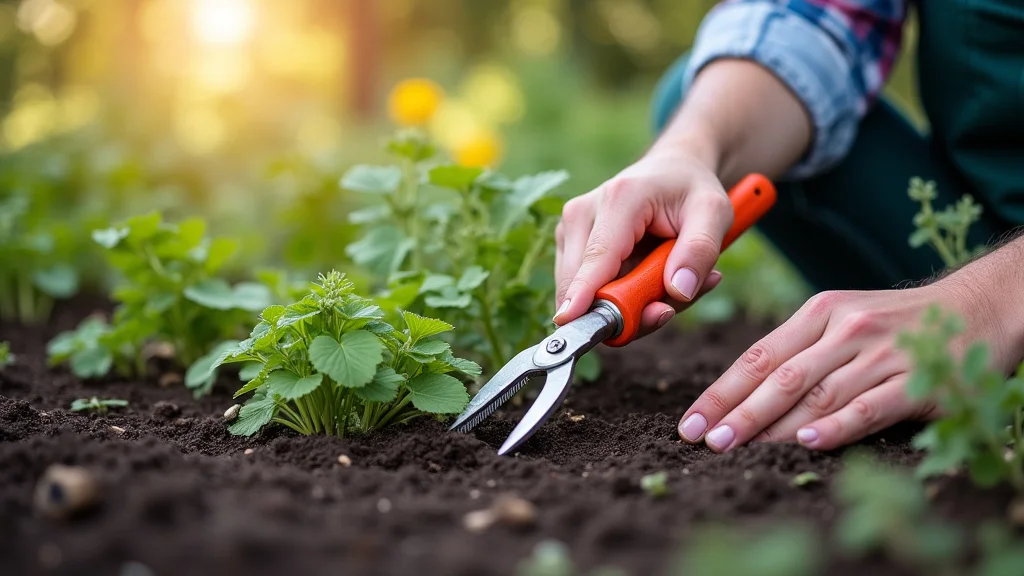
Remember that time you were stuck on a crossword puzzle, and the clue was something like “tool for digging”? You probably thought of a shovel, right? But what if the answer needed more precision? What if the clue was slightly more cryptic, like, “tool for trimming hedges”? The world of gardening tools, and the clues they inspire, can be surprisingly varied. This post is your guide to mastering those tricky crossword puzzles, especially when the answer involves a gardening tools crossword clue. You’ll learn the common tools, their uses, and the clues you might see, boosting your vocabulary and crossword skills, and making you the expert in all things gardening puzzle-related.
Key Takeaways
- Identify common gardening tools and their specific functions.
- Decipher typical crossword clues related to gardening.
- Understand the nuances of different tool types and their corresponding clues.
- Learn strategies for solving crossword puzzles with gardening-related clues.
- Expand your gardening vocabulary to excel in puzzle-solving.
- Apply your knowledge to successfully complete puzzles containing gardening tool clues.
Getting to Know Your Gardening Tools
Knowing the tools of the trade is the first step to conquering those crossword clues. Many tools have multiple uses, and the clues reflect this complexity. Some clues refer to the tool’s primary purpose. Others describe a function that can be fulfilled by different tools. Being familiar with the tools and their jobs will help you navigate a wide range of clues, from the obvious to the cryptic.
Essential Digging Tools
Digging tools are the cornerstone of any gardening task. They’re essential for planting, moving soil, and preparing your garden beds. The type of digging tool you need depends on the size of the job and the type of soil you’re working with. These tools come up frequently in crossword puzzles. Knowing their names and specific functions can give you a leg up when you’re working on the next puzzle.
- Shovel: A shovel is a versatile tool with a broad, flat blade and a handle. It’s used for moving soil, digging holes, and transferring materials like mulch or compost. The shape of the shovel blade can vary, with pointed blades for digging and square blades for scooping. A common clue might be: “Tool for moving earth”.
- Spade: Similar to a shovel, a spade has a flat, rectangular blade but is designed for digging and edging. It’s excellent for creating clean lines in your garden beds and edging around lawns. Crossword clues for a spade often focus on its function. An example is: “Tool for cutting turf”.
- Trowel: A trowel is a small, hand-held tool with a curved blade and a handle, perfect for planting small plants, transplanting seedlings, and weeding in tight spaces. Clues involving a trowel might be specific: “Small hand tool for planting”.
Shovels come in many sizes and shapes. A long-handled shovel gives you better leverage when digging deep, while a short-handled shovel is easier to manage in tight spaces. Consider the type of soil you’re working with when choosing a shovel. For instance, you would need a stronger shovel with a pointed blade if your garden contains heavy clay soil.
Unlike shovels, spades usually have a more sharply angled blade, making them better suited for slicing through roots and cutting sod. The sharp edge of the blade helps create clean, precise cuts. When using a spade, you would step on the top edge of the blade to drive it into the ground, using your weight to leverage the cut. Using a spade to separate a plant from its roots is a common task in transplanting.
Trowels are typically made of metal and have a wooden or plastic handle. The curved blade helps scoop soil and the tool is invaluable for tasks where a larger tool would be too cumbersome. Trowels enable gardeners to work accurately in raised beds, containers, and borders. Choosing a comfortable handle and a sturdy blade will affect the experience of using this important garden tool.
Pruning and Cutting Tools
Pruning and cutting tools are essential for maintaining the health and appearance of your plants. These tools help shape trees and shrubs, remove dead or diseased branches, and encourage new growth. Crossword clues focused on these tools often refer to their function or the type of plant they’re used on.
- Pruning Shears: Pruning shears, also known as hand pruners, are used for cutting stems and small branches. They come in two main types: bypass and anvil. Bypass shears make a clean cut, similar to scissors, while anvil shears have a single blade that presses against a flat surface. A crossword clue example: “Tool for trimming rose bushes”.
- Loppers: Loppers are long-handled pruning tools used for cutting thicker branches that are too large for hand pruners. They provide extra leverage, allowing you to cut through branches with less effort. Crossword clues might include: “Long-handled pruning tool”.
- Hedge Shears: Hedge shears are designed for trimming hedges and shrubs. They have long blades and are used to create a flat or shaped surface. Crossword clues may be: “Tool for shaping hedges”.
Bypass shears are the more popular type, as they make cleaner cuts and are less likely to damage the plant. Clean cuts are important because they heal faster and reduce the risk of disease. Always make sure pruning shears are clean and sharp to prevent damage and spread of disease. They are crucial for maintaining the health and aesthetics of your garden plants.
Loppers can have bypass or anvil blades, and are best used on branches that are less than 1.5 inches in diameter. The long handles help you reach high branches and provide extra cutting power. Some loppers have a ratcheting mechanism that increases cutting power. Consider the size and thickness of the branches you are cutting when choosing loppers.
Hedge shears are available in manual and powered (electric or gas) models. Manual hedge shears require more physical effort. Powered shears make the process quicker and easier. Proper technique and the use of sharp blades are important to ensure a neat, even cut. Regular maintenance of hedge shears ensures optimal performance.
Weeding and Cultivating Tools
Keeping weeds under control is crucial for a healthy garden. These tools help remove weeds, loosen the soil, and prepare the ground for planting. Crossword clues may focus on their function or the type of task they perform.
- Hand Weeder: A hand weeder is a small tool with a forked or clawed end used for removing weeds by their roots. Clues might focus on this tool’s function: “Tool for removing unwanted plants”.
- Hoe: A hoe is a long-handled tool with a flat blade used for weeding, cultivating soil, and creating furrows for planting. Crossword clues could be: “Tool for weeding rows”.
- Cultivator: A cultivator is a tool with several tines used for breaking up the soil, aerating it, and removing small weeds. Clues could be like: “Tool for aerating soil”.
Hand weeders allow you to get close to the plants without damaging them. They’re particularly useful for weeding in tight spaces or between plants. This small tool is perfect for precision weeding. The design of the hand weeder ensures that the entire root system is removed, reducing the chance of the weed returning.
Hoes come in various styles. The most common is the draw hoe, which is used by pulling it toward you. A push-pull hoe is used by pushing and pulling. The blade of the hoe is used to sever weeds at the soil surface. This tool is valuable for maintaining weed-free garden beds and rows.
Cultivators help improve soil structure and prevent compaction. They’re often used after the soil has been turned over or tilled to create a fine seedbed. Cultivators may be hand-held or mounted on a tractor or tiller. Cultivating the soil regularly helps keep it healthy and productive.
Decoding Crossword Clues for Gardening Tools
Understanding the types of clues and how they relate to gardening tools is key to solving puzzles. Clues can be straightforward, or they can be clever wordplays that test your knowledge. Practice with different types of clues will improve your puzzle-solving skills.
Clue Types
Knowing the different types of crossword clues can help you narrow down the possible answers. Some clues are direct. Others are more cryptic. Recognizing the clue type can greatly improve your chances of success.
- Direct Definition: These clues simply state the name of the tool or its function. For example, “Tool for digging” (shovel).
- Synonyms: These clues use a synonym for the tool or its function. For example, “Instrument for trimming” (shears).
- Wordplay: These clues use wordplay, puns, or riddles to describe the tool or its function. For example, “A gardener’s best friend” (trowel).
- Fill-in-the-Blank: These clues have a sentence with a blank space that must be filled in with a gardening tool. For example, “Use a to dig a hole” (shovel).
Direct definition clues are the easiest to solve because they offer the most straightforward information. Look for keywords in the clue that directly point to a specific tool or action. They often use words you would expect to encounter when gardening.
Synonym clues require a solid vocabulary of gardening terms. Try to think of similar words or phrases that might be used to describe the tool or the action it performs. Consider the context of the clue, and eliminate options.
Wordplay clues are more challenging because they rely on understanding a play on words. Think about the common associations with gardening and the tools used. These clues require a bit of outside-the-box thinking. They test your knowledge and offer an entertaining approach to puzzling.
Fill-in-the-blank clues are straightforward, but they require you to think carefully about the context of the sentence. The sentence structure provides hints. Choose the tool that best fits the function of the sentence. They test your general gardening knowledge.
Common Clue Examples
Familiarizing yourself with common clue examples will help you quickly identify the correct answers. Many clues repeat, varying slightly in the way they are phrased. Practice and exposure to a variety of clues is beneficial.
- “Tool for turning soil”: This could be a shovel, spade, or garden fork. The correct answer depends on the number of letters in the answer.
- “Cuts stems and small branches”: This clue describes pruning shears.
- “Used to create straight edges”: A spade or edging tool.
- “Removes weeds”: This could be a hoe, hand weeder, or cultivator.
- “Tool for planting small plants”: This is most likely a trowel.
Consider the space available in the puzzle and the context of the other clues. A shovel is a good choice for this clue. A spade is appropriate when referring to slicing through soil. A garden fork is useful for turning the soil to increase aeration.
Pay close attention to the size and the nature of what’s being cut. The answer is pruning shears when referring to stems and small branches. Loppers are used for thicker branches. Hedge shears are used for trimming hedges, so consider the details of the clue.
This clue refers to the function of creating precise lines. Both a spade and an edging tool fit this description. The best answer will depend on the number of letters that fit the puzzle. The main difference is the blade shape and the intended use.
This is a broad clue. Narrow the choices based on the context. Consider the area where the weeds are. If the weeds are in a tight space, a hand weeder is the right answer. A hoe can be appropriate for weeding in rows.
Consider the size of the plants being planted. If they are small plants, a trowel is a tool for this task. A trowel is also useful for transplanting seedlings or weeding in compact areas.
Strategies for Solving Gardening Tools Crossword Clues
Solving crossword puzzles is a skill. Employing certain strategies will enhance your success. Some tips apply to crossword puzzles in general. However, these suggestions will help you overcome gardening-specific crossword challenges.
Analyzing the Clue
Carefully analyzing the clues is critical to success. This requires an eye for detail, an understanding of wordplay, and some general knowledge about gardening. Practice reading each clue slowly and methodically.
- Identify Keywords: Look for key words that suggest the tool’s function or a related gardening task.
- Consider the Context: Evaluate the context of the clue and how it relates to other clues in the puzzle.
- Look for Synonyms and Wordplay: Be prepared for synonyms or clever wordplay. Think about different ways of describing the tool or its function.
Keywords will point directly to the answer. For example, “trimming” in a clue suggests pruning shears or hedge shears. Keywords help focus your search and prevent distractions. This allows you to quickly find an answer that fits the clue.
Context can provide valuable hints about the best response. If other clues in the puzzle are related to planting, the tool likely has to do with planting. This helps to narrow the possibilities and focus on the clues that may provide an answer.
Synonyms and wordplay clues can be tricky. Try thinking about alternative ways to phrase the clue, as synonyms might show up in the answers. If the clue has a humorous element, think of words associated with gardening.
Using the Grid and Existing Letters
The grid itself and any existing letters can be valuable aids in solving the crossword puzzle. The size of the grid will narrow down your possible answers, and any letters will quickly focus your attention.
- Count the Letters: Knowing the number of letters in the answer is a good starting point.
- Use Existing Letters: Any letters already in place provide vital clues.
- Cross-Reference Clues: Other clues in the puzzle often provide additional hints.
This is one of the easiest ways to eliminate incorrect answers. It provides parameters that help you select potential answers. This also helps in the initial search phase for solutions. Use letter count for quick testing of a possible answer.
Use any letters available in the grid to help fill in the blanks. Identify other letters that limit your options and create possibilities. This saves time and quickly eliminates incorrect answers.
Clues can provide context for related answers. They may also indicate the correct answer. The use of other clues is an excellent way to narrow down the possible answers. This helps confirm your answers as you solve other parts of the puzzle.
Expanding Your Gardening Vocabulary
Increasing your gardening knowledge will greatly improve your ability to solve gardening crossword clues. The more you know about the tools and their uses, the easier it will be to figure out the answers. Expanding your vocabulary can significantly help you find success.
- Read Gardening Books and Magazines: Familiarize yourself with gardening terminology.
- Visit a Garden Center: Observe the tools and their uses in person.
- Use Online Resources: Explore gardening websites and blogs for additional information.
Reading books and magazines provides exposure to gardening terms and phrases that commonly appear in crossword puzzles. Regular reading improves your memory. Learning more about gardening provides insight into common tasks.
Seeing tools and their functions first-hand will improve your memory. Talking with garden center staff or other gardeners can help provide new insight into the use of the tools and different types of gardens. Consider taking photographs of the tools and taking notes.
Online resources can provide visual representations and further explanations of tools, enabling you to gain a more extensive understanding. The internet can help you find definitions, synonyms, and examples of each tool and can provide additional practice.
Frequently Asked Questions
Question: What’s the difference between a shovel and a spade?
Answer: A shovel is used for general-purpose digging and moving materials, while a spade has a flat blade that is designed for precise digging, edging, and cutting through roots.
Question: What’s the best tool for trimming hedges?
Answer: Hedge shears are the best tool for trimming hedges. They have long blades and are designed to create a flat or shaped surface.
Question: What do you use to remove weeds by the root?
Answer: A hand weeder is the best tool for removing weeds by the root, especially in tight spaces or between plants.
Question: What are loppers used for?
Answer: Loppers are used for cutting thicker branches that are too large for hand pruners, providing extra leverage with their long handles.
Question: How can I improve my crossword-solving skills for gardening clues?
Answer: Improve your vocabulary by reading gardening books and magazines. Practice solving crossword puzzles regularly, paying attention to clue types and grid patterns.
Final Thoughts
Solving gardening tools crossword clues doesn’t have to be a frustrating experience. With a solid understanding of the tools, their functions, and the clues used to describe them, you can significantly enhance your puzzle-solving skills. Remember that the key is to familiarize yourself with the common tools like shovels, pruning shears, and hoes, and to practice analyzing the clues by identifying keywords, looking for context, and considering wordplay. Developing a strong gardening vocabulary will further assist you. You are now equipped to approach those puzzles with confidence. So, get out there, sharpen your pencil, and start solving. Your next crossword victory is right around the corner!