
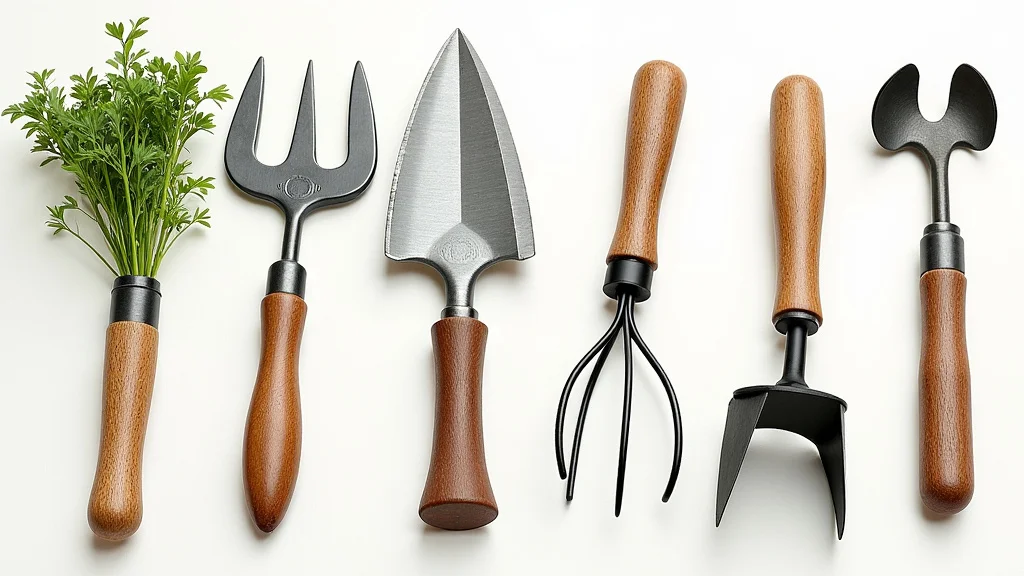
Remember that time you tried to help your parents in the garden, and all the tools looked the same? A shovel was a shovel, a trowel was a. well, you weren’t entirely sure. Identifying the right gardening tools felt like a guessing game. This post is for you! We’ll explore gardening tools drawing with names, turning you from a gardening novice into someone who can confidently identify and even sketch the essential tools. You’ll gain practical knowledge that makes gardening easier and, let’s be honest, way more fun. You will learn the names of the tools, what they are used for, and even how to draw them, making your gardening experience a success!
Key Takeaways
- You will learn the names of common gardening tools.
- You’ll discover the uses of each tool, making you a more effective gardener.
- You’ll get a step-by-step approach to drawing these tools.
- You’ll gain confidence in identifying and describing gardening tools.
- You can create your own visual guide to gardening.
- You’ll find your gardening experience improves significantly.
Getting Started with Gardening Tools Drawings
Before you get your hands dirty in the soil, it’s a good idea to get familiar with your tools. Knowing what each tool is called and what it is used for is the first step toward becoming a successful gardener. A simple way to learn these tools is by creating gardening tools drawings with names. This section will guide you through the initial steps: what tools you will need, and why it is a good idea to make a visual guide, especially if you are new to the world of gardening.
Essential Tools and Supplies
You don’t need a lot to start drawing gardening tools, just a few basics will do. A pencil with a good eraser is your best friend because you will probably make mistakes! A sharpener is also helpful so you can have a precise line. Paper, preferably a drawing pad, gives you a nice surface to work on. Beyond those essentials, a ruler can help with straight lines, and colored pencils or markers can add detail and make your drawings even more appealing. The goal is to create a visual resource you can use to identify your gardening tools.
- Pencils and Erasers: These are the fundamental tools for drawing and correcting mistakes. Choose a pencil grade that suits your style, like HB or 2B.
- Paper: Use drawing paper or a sketchbook, offering a better surface for pencils and erasers than regular printer paper.
- Ruler: A ruler aids in drawing straight lines and accurate shapes, which is helpful in depicting many gardening tools.
- Colored Pencils/Markers (Optional): Coloring your drawings makes them more clear and helps you remember details more.
Consider this example: imagine you’re about to sow seeds, but you do not know the difference between a trowel and a hand fork. Creating a visual aid, like a gardening tool drawing with names, clarifies the situation, so you use the correct tool. Or maybe you’re helping a friend with a garden, and they ask you for the “thing with the pointy bits.” With the right drawings, you know exactly what they are talking about.
The Benefits of a Visual Guide
Creating your own visual guide with gardening tools drawings with names offers several advantages. The act of drawing helps you to remember the shapes and details of each tool better than simply reading a list or looking at photos. It is also an interactive way to learn. When you draw, you pay close attention to the features that make each tool unique. These drawings can become your personalized reference guide, helping you identify tools quickly and accurately. This is a great way to improve your gardening experience, reducing the confusion that sometimes happens when using different tools.
- Enhanced Memory: Drawing helps with recall, making it easier to remember tool names and their functions.
- Quick Reference: A visual guide provides a fast way to identify tools, saving time and frustration.
- Improved Understanding: The process of drawing enhances your comprehension of each tool’s features and purpose.
- Personalization: Your drawings reflect your learning and experiences, making the guide more relevant.
A Step-by-Step Approach to Drawing Gardening Tools
The process of gardening tools drawing with names can be broken down into a series of easy steps. Whether you are a beginner or have some drawing experience, following these steps will assist you in creating accurate and easy-to-understand drawings of garden tools. We will show you how to draw a shovel, a trowel, and a hand fork. Each of these tools has distinct characteristics, so you will get to experience different drawing strategies. This also provides you with practice, making the process simpler over time.
Drawing the Shovel
The shovel is one of the most useful gardening tools. It is commonly used to dig holes, move soil, and edge garden beds. The basic structure of a shovel is straightforward, making it a good tool to start drawing. Getting the proportions right is key to making the drawing recognizable and visually appealing. Remember that the shovel has a blade and a handle, so you will need to give attention to those details.
- Start with the Blade: Begin by sketching a curved shape for the blade. The curve should be slight, with a flat bottom.
- Add the Handle: From the top of the blade, draw a long, slightly curved line for the handle. Then, add a small, rounded part where you can hold it.
- Refine the Shape: Detail the blade with its edge, which has a slight curve, and refine the handle with a good grip.
- Label the Drawing: Write “Shovel” beneath your drawing, so it is labeled clearly.
Here’s a real-life example: Imagine you are starting a new flower bed. You’ll need to dig out the grass and prepare the soil. A drawing of the shovel will help you visualize the tool you will need. This makes it easier when you are actually in the garden, and ensures that you select the correct tool for the job.
Drawing the Trowel
The trowel is a smaller tool used for planting, transplanting, and weeding. Its size and shape are distinct from the shovel, which makes it easy to sketch. The trowel has a small, curved blade and a handle designed for a comfortable grip. It’s a great tool to draw, as it offers a slightly more complex shape than the shovel, and its smaller size is great to start with. With a little practice, your gardening tools drawings with names will be a great source for you.
- Outline the Blade: Begin by drawing a small, curved blade, like a miniature shovel.
- Add the Handle: Attach a handle to the blade. It could be straight or slightly curved.
- Refine the Grip: Shape the handle so it looks like it fits in your hand.
- Add the Name: Make sure to label the tool “Trowel.”
Consider this scenario: You need to plant some seedlings in pots. A trowel is the perfect tool for this because it lets you work in small spaces. Having a picture of the trowel will help ensure that you pick up the right tool for the job, making your gardening efficient.
Drawing the Hand Fork
The hand fork is another useful gardening tool. It is small, with several tines used for loosening soil, removing weeds, and aerating the soil around plants. Drawing a hand fork gives you another chance to work on shapes that make up the appearance of the tool. The tines provide a simple way to practice the details of the tool. Like the other tools, adding a handle is also a key feature to complete the drawing.
- Draw the Tines: Begin by sketching three or four tines. They should be long and slightly curved.
- Connect to the Handle: Connect the tines to a handle. This is similar to the handle of the trowel.
- Shape the Grip: Add a comfortable handle.
- Label the Tool: Write “Hand Fork” under the drawing.
For instance, if you are helping to clean weeds around a plant, the hand fork helps to remove the weeds without damaging the nearby plants. By having a picture of this tool, you know what it looks like before you head out into the garden.
Advanced Techniques for Gardening Tools Drawings
Once you are comfortable with the basic shapes of your gardening tools drawings with names, you can add further details to improve them. You can also explore different drawing styles and incorporate various elements to make your visual guide unique. This will also give you an opportunity to test the techniques you are learning. For example, you can improve your shading and practice using more complicated shapes. Here, you’ll learn advanced techniques to improve your drawing of gardening tools.
Adding Shading and Detail
Shading adds depth and realism to your drawings, helping them look more three-dimensional. It’s a key part of your ability to draw gardening tools. Start by identifying the light source. Then, determine where shadows will appear. A simple way to begin is by using your pencil to add darker shading to areas that are away from the light. This is helpful, as it helps your drawings appear to “pop” off the page. Adding more detail, like the grain on the handle of a wooden shovel, will help make your drawings even more appealing.
- Light Source: Imagine where the light comes from. This will determine where the shadows are.
- Shadow Areas: Add darker shades to areas away from the light source.
- Use Various Shades: Use different pencil grades to achieve varied shadow effects.
- Add Grain: If the handle is wooden, add grain lines to enhance realism.
For example, the curved blade of the shovel will have a darker area beneath. The handle will have a shadow on the side away from the light. Similarly, the hand fork can have shadows along the tines. These extra details add depth to your drawings.
Experimenting with Different Styles
Do you like drawing in black and white, or do you prefer to color? You can experiment with different drawing styles to personalize your visual guide of gardening tools. Explore styles such as cartoon, realism, or technical drawings, to see which suits your preferences. Cartoon styles may use bold outlines and simplified shapes, while realism focuses on accurate proportions and shading. The best style will depend on your goal. If you want to convey the basic shapes, a simple style will be best. If you want to show details, a more detailed drawing is better.
- Cartoon Style: Use bold lines and simplified shapes.
- Realistic Style: Focus on correct proportions and shading.
- Technical Drawing: Emphasize precision and clarity.
- Coloring: Add color to make your drawings more vibrant and easier to distinguish.
For instance, a cartoon drawing of a shovel could have a large, exaggerated blade and a simple handle. A realistic drawing would try to portray the shovel as closely as possible to the real object.
Using Your Gardening Tools Drawings for Learning and Fun
After you have created your gardening tools drawings with names, the next step is to put them to use! The drawings you made are more than just pictures. They are a valuable learning tool. Use them to learn the tools. The more you work with them, the better you will get, and the more helpful they will become. You can also make them a part of your garden plans and expand them as you learn.
Making a Garden Plan with Tool Drawings
Your gardening tools drawings with names can be an important part of your garden plan. You can integrate your drawings into your garden planning. For example, if you are planning a new vegetable bed, you could sketch out the layout and include the tools you will need to prepare the soil. This helps you visualize your plan. It also helps you prepare your tools, and make sure that you have what you will need for your project. By incorporating drawings of your tools, you will gain a deeper connection to the tools you need.
- Sketch the Layout: Draw your garden plot, including beds, pathways, and plants.
- Include Tool Drawings: Add drawings of the tools you will use at each step.
- Label the Steps: Number the steps and tool use as you work on your garden.
- Review and Adapt: Review the plan and make adjustments as necessary.
Consider this scenario: You plan to add a new flower bed with roses. You can begin by sketching the location of the new bed, and drawing the shovel you will use to dig it. Then, add a drawing of the trowel to plant the roses. This allows you to plan your project visually.
Expanding Your Drawing Collection
As you encounter more tools, you can continue to expand your collection of gardening tools drawings with names. This ongoing process not only helps you learn more tools, but also helps you to improve your drawing skills. This process can become a fulfilling hobby. You can also explore different tools used for specific tasks, such as pruning shears for cutting and rakes for gathering leaves. Expand your visual resources, and watch your skills grow.
- Research New Tools: Find out about various gardening tools and their uses.
- Add Pruning Shears: Learn to sketch pruning shears and their features.
- Include Rakes: Draw a rake to collect leaves.
- Create a Tool Library: Organize your drawings into a library for easy reference.
Here’s a practical example: Suppose you start composting. You can add a drawing of a compost fork, showing the special features of this tool. Then, you can add notes on how the tool is used, improving your gardening skills.
Frequently Asked Questions
Question: What’s the best paper to use for drawing gardening tools?
Answer: Drawing paper or a sketchbook is ideal because it provides a good surface for pencils and erasers. These types of paper are available in various weights, offering options for different drawing techniques.
Question: Can I use colored pencils for my gardening tool drawings?
Answer: Yes, colored pencils are great for adding detail and making your drawings more clear. You can use a range of colors to represent the different parts of the tools.
Question: How do I measure proportions when drawing a tool?
Answer: It’s best to start with basic shapes. You can estimate proportions by eye or use a ruler for more accurate measurements.
Question: Are there any online resources that I can use to learn how to draw?
Answer: Yes, there are many websites and YouTube channels that offer drawing tutorials. Some are geared towards beginners, offering lessons on the basics of drawing.
Question: Can I draw gardening tools digitally instead of on paper?
Answer: Yes, you can draw gardening tools using digital drawing apps on tablets or computers. Many apps offer various tools and features for drawing.
Final Thoughts
Creating gardening tools drawings with names is a practical and creative way to learn. You’ve explored how to sketch essential tools like shovels, trowels, and hand forks, and you’ve learned to incorporate shading and details. Using your drawings for garden planning and building your tool library enhances your gardening experience, making it much more fun and educational. Your visual guide is more than a collection of pictures. It’s a tool for remembering names, identifying uses, and making the gardening experience easier. Start drawing your tools today and see how it transforms your time in the garden!