
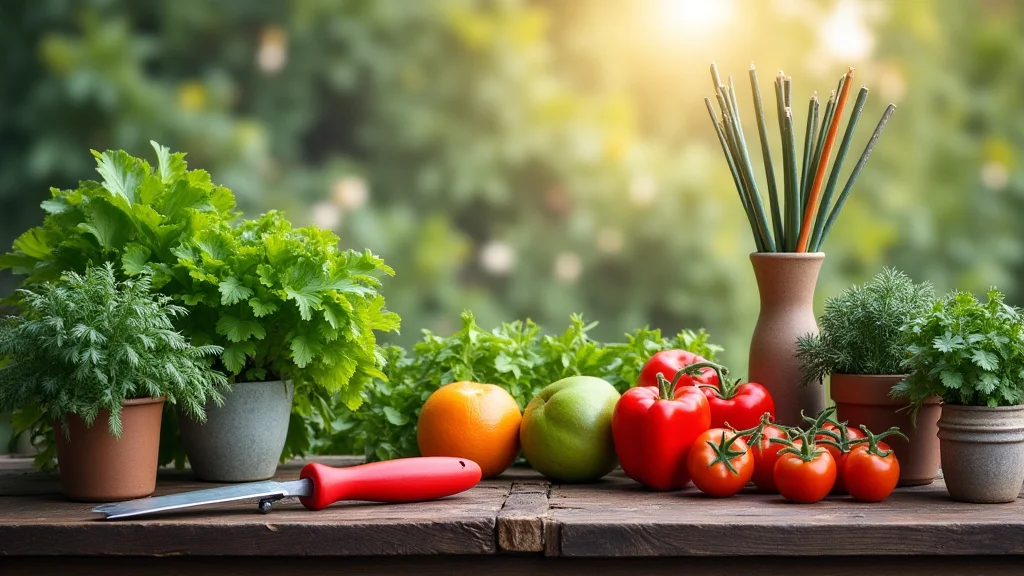
Remember that time you tried to plant a rose bush, armed with a rusty trowel and a hopeful heart? The results, let’s just say, weren’t Instagram-worthy. We’ve all been there! Choosing the right gardening tools and equipment can make all the difference between a flourishing garden and a frustrating experience. This post is your visual guide, offering a look at various gardening tools and equipment pictures to help you choose the best tools for your gardening projects. You’ll gain a solid grasp of essential equipment, practical application, and how to use them effectively, leading to more successful and enjoyable gardening. This article will improve your skills and get you excited to start your next gardening adventure.
Key Takeaways
- Learn to identify essential gardening tools and their purposes through pictures.
- Discover how to select the right equipment based on your gardening needs.
- Understand the importance of tool maintenance and care.
- Get inspired by examples of well-equipped gardening setups.
- Find resources for purchasing quality gardening tools and equipment.
- Gain insights on arranging your tools for easier gardening sessions.
Essential Gardening Tools and Their Uses
Every gardener, from the novice to the seasoned pro, knows that having the correct tools is important. They make the job easier, more efficient, and more enjoyable. Choosing the right gardening tools and equipment involves considering the type of gardening you plan to do, the size of your space, and your personal preferences. This section will explore the essential tools, complete with gardening tools and equipment pictures, to ensure you are well-equipped to get started. From digging to pruning, each tool plays a specific role in helping you nurture your plants and create a beautiful garden.
Digging and Soil Preparation
Before you plant anything, preparing the soil is important. This involves digging, turning, and amending the soil to create a healthy environment for your plants. Proper soil preparation ensures good drainage, aeration, and nutrient availability. Without the proper tools and techniques, this task can be physically demanding. Learning about the right tools and how to use them safely is a must for any gardening enthusiast.
- Spade: A spade is your best friend when digging. It’s designed for cutting through roots, turning over soil, and creating planting holes. The flat, sharpened blade makes it great for slicing through tough soil.
- Shovel: A shovel is perfect for moving larger amounts of soil, compost, or mulch. It’s curved blade is designed to scoop and lift material, and it is an essential tool for any gardening project.
- Garden Fork: A garden fork is used to loosen and aerate the soil. Its tines help break up compacted soil without damaging the structure, making it ideal for incorporating compost or other organic matter.
- Hand Trowel: This is a small, handheld tool perfect for planting seedlings, transplanting small plants, and working in tight spaces. Its small size makes it perfect for detailed tasks.
- Hand Cultivator: The hand cultivator is used to break up clumps of soil, remove small weeds, and prepare the soil surface for planting. The teeth help create a fine tilth.
To prepare your soil successfully, you might start by using a spade to dig up the area, remove any large stones or weeds, and then use the garden fork to loosen the soil. After this, you can use the hand trowel for precise planting tasks and the hand cultivator to make sure the soil is ready.
Planting and Watering Equipment
Once you’ve prepared the soil, it’s time to plant your seedlings or seeds. Planting requires careful placement and a gentle touch to ensure the plants thrive. Furthermore, providing adequate water is key for plant development. This section will showcase important planting and watering equipment, providing visual examples of each. This includes everything needed to set up and manage these tasks.
- Watering Can: A watering can is a good choice for smaller gardens. It allows for controlled watering, ensuring that you don’t overwater. Look for one with a rose head for a gentle shower effect.
- Garden Hose: Essential for larger areas, a garden hose is used for general watering tasks. Pair it with a nozzle for different water patterns.
- Watering Wand: For watering hanging baskets or hard-to-reach areas, a watering wand is ideal. It extends your reach and delivers water gently.
- Planting Trowel: A planting trowel is used for digging small holes for planting seedlings and transplanting small plants. The shape is perfect for precise work.
- Dibber: A dibber is a pointed tool used to make holes in the soil for planting seeds or seedlings. It provides a simple way to create perfectly sized holes.
When planting, you’ll need the trowel or dibber to make holes, placing the seedlings carefully into the holes, then watering them gently using the watering can or a hose with a gentle spray nozzle. Consistent watering is key to a healthy garden. This equipment makes this task easy and ensures your plants thrive.
Pruning and Cutting Tools
Pruning and cutting are important aspects of gardening that promote plant health and encourage growth. Proper pruning helps remove dead or diseased branches, shape plants, and increase air circulation. This section will focus on the tools needed to perform these tasks correctly. The variety of tools available can seem overwhelming, so we’ll look at the best ones for your garden. From small snips to larger loppers, each tool is designed for a specific job.
- Hand Pruners (Secateurs): Used for trimming stems, pruning smaller branches, and harvesting flowers. These are essential for light pruning tasks.
- Loppers: Loppers are long-handled pruners designed to cut thicker branches. Their leverage makes it easier to cut larger stems with less effort.
- Pruning Saw: For cutting larger branches, a pruning saw is important. Its teeth are designed to cut through wood efficiently.
- Hedge Shears: Used to shape and maintain hedges and shrubs. They have long blades that cut across a wide area.
- Bypass Pruners: These pruners feature a sharp blade that passes by a cutting blade. They make clean cuts, ideal for green, living stems.
To prune a rose bush, start by using hand pruners to remove any dead or diseased stems. Then, you can use loppers for larger branches, and finish off by trimming and shaping the plant with hedge shears. The right tools and the right pruning techniques are vital for plant health.
Weeding and Pest Control
Keeping weeds under control and protecting your plants from pests are vital for a healthy garden. Weeds compete with your plants for resources, while pests can cause significant damage. These tools are designed to make these tasks easier and more effective. From hand tools for small jobs to larger tools, you’ll find everything you need to keep your garden thriving. Remember, a healthy garden is a well-managed garden.
- Weeding Hoe: A weeding hoe is used to chop off weeds at the soil surface. It’s effective for larger areas and helps to prevent weeds from spreading.
- Hand Weeder: Perfect for removing individual weeds, a hand weeder gets the entire root, reducing the chance of weeds growing back.
- Weed Puller: This tool grabs the weed near the soil and pulls it out, including the roots. It is used to quickly remove larger weeds.
- Sprayer: A sprayer is used to apply insecticides or organic pest control solutions. They provide even coverage and easy application.
- Gloves: Protect your hands from dirt, thorns, and chemicals. Choose durable gloves for gardening.
To control weeds, use the weeding hoe to quickly clear larger areas and a hand weeder to remove individual weeds. For pest control, use a sprayer to apply organic solutions, ensuring your plants are protected. Gloves protect your hands while working.
Storage and Organization
Efficient storage and organization are important for a functional garden. Having a system keeps your tools safe, accessible, and in good condition. This section will look at different storage solutions, from tool racks to garden sheds, showcasing how to keep your gardening space tidy and organized. A well-organized garden not only looks great, but makes gardening more enjoyable.
- Tool Rack: A tool rack helps keep tools upright and easy to reach. This makes it easier to grab what you need.
- Tool Caddy: For carrying essential tools with you, a tool caddy is perfect. It keeps tools organized while you work.
- Garden Shed: Garden sheds offer ample storage space for tools, supplies, and equipment. They protect your investments from the elements.
- Storage Bench: A storage bench offers seating with built-in storage. This is great for small gardens.
- Wall Hooks: For hanging tools, wall hooks save space and keep tools off the ground. These are perfect for small spaces.
Use a tool rack to store shovels and rakes, a tool caddy to transport hand tools, and a garden shed to store larger equipment. Wall hooks are perfect for smaller tools. A well-organized garden will make your work much easier.
Choosing the Right Tools for Your Needs
Choosing the right tools will make your gardening experience better. When selecting your tools, consider your needs, the types of plants you plan to grow, and the space available. Selecting the appropriate gardening tools and equipment is an investment that will pay off with a more efficient and enjoyable gardening experience. This section offers a guide to assist you in making informed choices, helping you find the perfect tools to match your gardening objectives.
Considering Your Garden Size and Type
The size and type of your garden are crucial factors in choosing the correct tools. A small balcony garden will have different needs compared to a large vegetable patch. Matching your tools to the space will ensure that your gardening efforts are effective and enjoyable. From raised beds to flower beds, this guide will help you narrow down your choices.
- Small Gardens and Balconies: For small spaces, consider multi-functional tools, compact storage solutions, and tools that are easy to maneuver.
- Raised Beds: Tools like hand trowels, hand cultivators, and watering cans are ideal for raised beds. This helps in controlled planting and maintenance.
- Vegetable Gardens: A vegetable garden requires a range of tools. You’ll need shovels, garden forks, weeding hoes, and appropriate watering equipment.
- Flower Beds: For flower beds, you’ll need pruning tools, hand trowels, and potentially a watering wand for precise watering.
- Large Gardens: Large gardens benefit from larger tools like garden forks, shovels, wheelbarrows, and a reliable hose and watering system.
For a balcony garden, you might choose a small watering can, a hand trowel, and a few hand pruners. In a vegetable garden, the mix will be larger, including a spade, a garden fork, and a weeding hoe. Choosing your tools based on the size of your space is a must.
Understanding Different Tool Materials
The materials that tools are made from will impact their durability, performance, and maintenance requirements. Understanding the benefits of each material will assist you in making informed decisions when purchasing tools. From the handle to the blade, choosing the right materials will extend the life of your tools and make them easier to use. This will also guarantee that your tools stay in good shape for years to come.
- Handles: Wooden handles are classic and provide good grip, but they need proper care to avoid rot. Fiberglass handles are durable and weather-resistant, while metal handles are often the most durable.
- Blades: Stainless steel blades resist rust and are perfect for outdoor use, while carbon steel blades hold a sharp edge and require more care.
- Tines: Look for sturdy, metal tines on garden forks and cultivators.
- Coatings: Powder-coated tools resist corrosion and extend tool life.
- Plastic: Plastic tools are often lightweight and budget-friendly, suitable for smaller tasks, but might not be as durable.
When selecting a shovel, consider the handle material. A fiberglass handle will be weather-resistant, while a carbon steel blade will stay sharp. For hand pruners, stainless steel blades will resist rust and are ideal for outdoor use.
Evaluating Tool Features and Ergonomics
In addition to the material, tool features and ergonomics are also important factors. Ergonomics means how well a tool fits and feels in your hand. Tools with comfortable handles and thoughtful designs will make gardening tasks easier and reduce strain. It is important to find tools that fit your body, from weight to handle length. From adjustable handles to grip, this guide explores how to choose the right tools.
- Handle Length: Consider handle length. Longer handles are great for reaching, while shorter handles are good for close work.
- Grip: Look for ergonomic grips that reduce strain and provide a comfortable hold.
- Weight: Choose lightweight tools for long periods of work.
- Adjustability: Some tools have adjustable features, like telescopic handles, making them customizable to your needs.
- Design: Consider the overall design. Some tools are designed to reduce strain and make gardening easier.
When buying a shovel, check the handle length to make sure it is right for your height. Look for ergonomic grips to minimize strain while digging. Lightweight tools will be great for hours of gardening.
Maintaining and Caring for Your Gardening Tools
Proper care and maintenance will prolong the lifespan of your gardening tools and equipment. Regular cleaning, sharpening, and storage will keep your tools in top condition, making gardening more enjoyable. By implementing a few simple practices, you can make sure that your tools are ready for action whenever you need them. This section provides tips and methods for maintaining your tools, from cleaning to sharpening.
Cleaning and Sharpening
Cleaning and sharpening your gardening tools regularly is important to remove dirt, debris, and keep them working well. Dirty tools can spread diseases, while dull tools require more effort. This guide provides information about the equipment you’ll need and how to complete the process. By following these steps, you can keep your tools in the best possible shape.
- Cleaning: After each use, wipe down your tools with a damp cloth to remove dirt, mud, and plant residue. Use a wire brush to remove rust.
- Sharpening: Sharpen blades of pruners, shovels, and hoes using a sharpening stone. Maintaining a sharp edge makes them work much better.
- Lubrication: Lubricate the moving parts of pruners and loppers with oil.
- Rust Prevention: Prevent rust by drying your tools completely before storage. Apply a coat of oil to metal surfaces to protect them.
- Inspection: Check your tools for damage. Repair or replace damaged tools to ensure safety and function.
After each use, clean your shovel with a wire brush. Use a sharpening stone to keep your pruners blades sharp. Lubricate the hinges of your loppers. Properly maintaining your tools will increase their lifespan.
Storing Your Tools Properly
Proper storage is just as vital as cleaning. Storing your tools in a dry, covered area will protect them from weather-related damage. Proper storage keeps your tools safe and makes it much easier to find them when you need them. This section offers recommendations on where and how to store your tools to keep them in top condition.
- Dry Storage: Store tools in a dry place, such as a shed, garage, or covered area. This prevents rust and corrosion.
- Organized Storage: Use tool racks, hooks, and shelves to organize your tools. This will make them easier to find and access.
- Protected from the Elements: Keep your tools away from direct sunlight, rain, and snow. A shed or covered area is ideal.
- Away from Chemicals: Store tools away from fertilizers and pesticides.
- Seasonal Storage: Prepare tools for long-term storage during the off-season. Clean, sharpen, and lubricate them.
Store your tools in a garden shed or covered area, protected from the elements. Use a tool rack to organize them. This method will keep your tools in excellent condition and make them easily available.
Safety Considerations
Gardening can involve physical activity, and it’s important to use tools safely. Proper techniques, protective gear, and awareness of your surroundings will help you avoid injuries. This guide provides safety recommendations for handling tools, including general safety and tool-specific guidelines. By practicing safe gardening, you can ensure a safer and more enjoyable experience.
- Wear Gloves: Protect your hands with gardening gloves.
- Eye Protection: Use safety glasses or goggles, especially when pruning or cutting.
- Closed-Toe Shoes: Wear closed-toe shoes to protect your feet from injury.
- Proper Posture: Use proper posture when digging or bending.
- Awareness: Be aware of your surroundings and avoid swinging tools near other people.
Always wear gloves and safety glasses when gardening. Use correct posture to prevent back pain, and be aware of your surroundings while using tools. Safety will make sure that your gardening is fun and injury-free.
Where to Find Gardening Tools and Equipment
The marketplace has a wealth of resources where you can purchase high-quality gardening tools and equipment. This section will look at the different options available, from local stores to online marketplaces. From selecting the right tools to understanding the options, this guide will help you find the tools you need.
Local Garden Centers and Nurseries
Local garden centers and nurseries are a great place to begin, offering personalized service, expert advice, and the chance to view tools up close. Supporting local stores helps build community and provides access to products. Local stores are also helpful when it comes to plant-specific knowledge. Visiting these shops is a great way to start or grow your gardening tool collection.
- Expert Advice: Get advice from gardening experts at local shops.
- Hands-on Experience: Test and feel tools before you buy them.
- Local Selection: Choose from a selection of tools appropriate for your region’s plants.
- Community Support: Support local businesses.
- Workshops and Classes: Some garden centers offer workshops and gardening classes.
Visit a local garden center to get personalized advice and test out different tools. You may also receive advice about plants and find community-based gardening services.
Online Retailers and Marketplaces
Online retailers and marketplaces provide a wide range of gardening tools and equipment, often at competitive prices. Comparing products and reading reviews can help you make a good purchase. Online shopping offers the convenience of browsing from home and having your purchases delivered. Online stores provide a wide variety of tools, making it easy to find what you are looking for.
- Vast Selection: Online retailers offer a wide range of gardening tools.
- Price Comparisons: Easily compare prices and find deals.
- Customer Reviews: Read reviews to check the quality of products.
- Convenience: Shop from the comfort of your home.
- Delivery: Get your tools delivered right to your door.
Explore online retailers to find a great selection of gardening tools and read customer reviews before buying. You can easily compare prices and have your tools delivered.
Used Tools and Equipment
Buying used tools and equipment is an economical option, allowing you to get high-quality tools at a reduced cost. Checking tools before buying, and making sure that you know the tools’ history, will make sure that you make a smart investment. This section discusses the advantages of purchasing used tools, and how to verify their condition.
- Cost Savings: Buy high-quality tools at a reduced cost.
- Sustainable Choice: Reuse and recycle gardening tools.
- Local Marketplaces: Check local classifieds and online marketplaces for used tools.
- Inspection: Inspect the tools carefully before buying, especially for rust, damage, or wear.
- Refurbishing: Consider buying tools that can be refurbished or repaired.
Consider buying used tools to save money and support sustainability. Before buying, inspect the tools closely for any signs of damage. Refurbishing old tools can be a fun project.
Organizing Your Gardening Tools and Equipment
A well-organized gardening space makes your work easier and more enjoyable. Knowing where your tools are and having them organized saves you time and reduces frustration. By setting up a logical storage system, you’ll be able to quickly grab the tools you need and be more productive. This section will explore the benefits of good organization and how to set up your tools for a seamless gardening experience.
Creating a Dedicated Space
Establishing a designated gardening area, like a shed or a corner of your garage, is important. A specific space will protect your tools from the elements, prevent them from cluttering other areas, and offer a central place for all your gardening activities. Having a dedicated area helps your gardening become more effective.
- Protection: A dedicated space protects your tools from weather.
- Organization: Easy organization keeps everything in order.
- Accessibility: Easy access means you are ready to work when you need to.
- Efficiency: Improve productivity with easy access to tools.
- Safety: Organized spaces are usually safer.
Establish a shed or a corner of your garage as your dedicated gardening space. This ensures that your tools are protected, easily accessible, and organized for efficiency.
Implementing a Tool Storage System
Setting up a tool storage system is important for a functional gardening space. Using a combination of racks, hooks, shelves, and containers will make it easier to find and store your tools. Customizing your storage according to your tool collection and gardening needs is a great way to maximize effectiveness. This will also make sure that your tools stay in good shape for the long run.
- Tool Racks: Use racks to store shovels, rakes, and other long-handled tools.
- Wall Hooks: Hang hand tools, gloves, and aprons on wall hooks.
- Shelves: Store fertilizers, pots, and other supplies on shelves.
- Containers: Use containers to store smaller tools, seeds, and gardening accessories.
- Labels: Label shelves and containers.
Install a tool rack for long-handled tools, utilize wall hooks for hand tools, and set up shelves for supplies. Use containers for smaller items and label all storage areas for simplicity. These ideas will help you set up an efficient tool storage system.
Maintaining and Adjusting Your Organization
To keep your gardening space organized and functional, regular maintenance is important. Reviewing your storage system to see if it meets your changing needs will help you stay organized. This section outlines practices to help you keep your tools and space in good condition. Regularly organizing your tools will also make your gardening much more fun.
- Regular Review: Check your storage system.
- Cleaning: Clean your tools after use and before storing them.
- Pruning: Get rid of any tools that are no longer needed.
- Seasonal Adjustments: Adapt your storage for seasonal needs.
- Consistent Use: Keep things in order after each use.
Regularly review your storage system. Keep your tools clean and adapt your storage system to match your changing needs. Keeping your gardening space organized will enhance your workflow and make gardening a more relaxing activity.
Frequently Asked Questions
Question: What are the essential gardening tools for beginners?
Answer: For beginners, essential tools include a hand trowel, a hand fork, a watering can or hose, a pair of hand pruners, and gardening gloves. These tools allow you to perform basic gardening tasks effectively.
Question: How do I clean my gardening tools?
Answer: Clean your tools after each use by wiping them down with a damp cloth or rinsing them with water. Remove rust with a wire brush or sandpaper. Always dry your tools before storing them.
Question: What is the best way to sharpen my pruners?
Answer: Use a sharpening stone or file to sharpen the cutting blade of your pruners. Follow the original bevel of the blade and sharpen in one direction. Always wear safety glasses when sharpening.
Question: How do I store my gardening tools during winter?
Answer: Store your tools in a dry, covered area. Clean and sharpen the tools before storage. Apply a coat of oil to metal surfaces to prevent rust and protect wooden handles.
Question: Where can I buy quality gardening tools?
Answer: You can find quality gardening tools at local garden centers, nurseries, online retailers, and sometimes at hardware stores. Local garden centers often offer expert advice and the chance to test tools before purchasing.
Final Thoughts
Selecting the right gardening tools and equipment pictures can be a rewarding task, setting the stage for a successful and enjoyable gardening experience. By identifying essential tools, understanding their functions, and learning about the best materials, you’re well on your way to creating your own gardening haven. Remember that proper tool care, storage, and safety practices will keep your equipment in top condition, ready for any gardening project. Whether you’re a beginner or an experienced gardener, the right tools will make the tasks easier. Explore your local garden centers, online retailers, and used tool marketplaces. With the right tools and equipment, your garden will flourish. Embrace the process, get your hands dirty, and enjoy the beauty of gardening!