
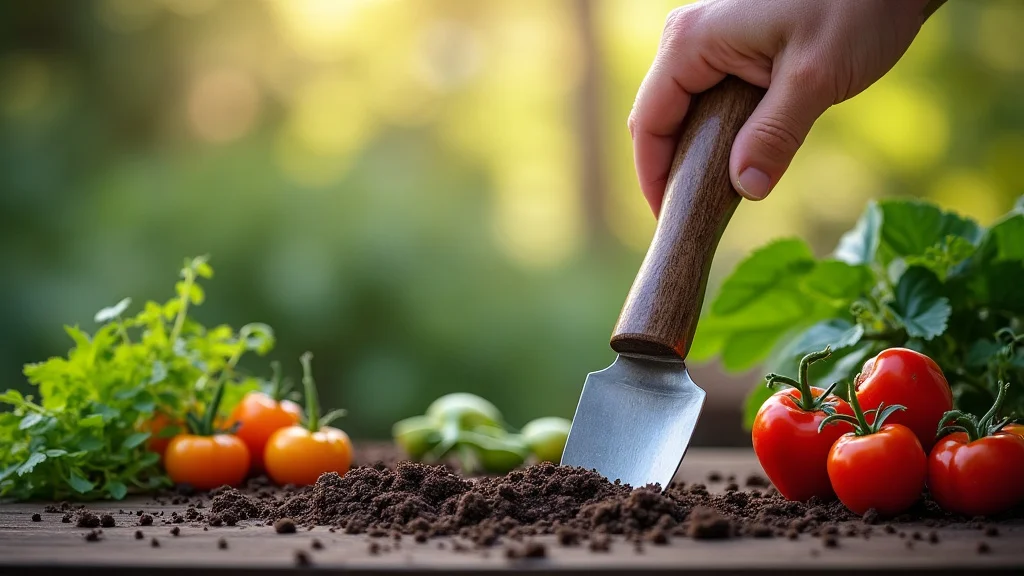
Remember that time you tried to plant a simple tomato, only to find your trowel bent after the first scoop of soil? We’ve all been there! Choosing the right gardening tools can transform your gardening experience from frustrating to fulfilling. This post will explore nine different gardening tool options, breaking down what makes them great and which jobs they excel at. You’ll gain valuable insights to help you pick the perfect tools for your needs, boosting your garden’s success and saving you time and effort.
Key Takeaways
- You will discover the key features of various gardening tools.
- You’ll learn about the strengths and weaknesses of each tool.
- This will help you make informed decisions when selecting tools.
- You’ll find recommendations for different gardening tasks.
- You’ll understand how to select tools based on your specific gardening needs.
- You’ll learn about important factors to consider before purchasing gardening tools.
Choosing the Right Gardening Tool for Your Needs
Selecting the right gardening tools is like choosing the right ingredients for a recipe – it makes all the difference! From a simple hand trowel to a complex rototiller, the market provides a vast array of options. Consider your garden’s size, soil type, and the types of plants you intend to grow. A small balcony garden will require a different set of tools than a sprawling backyard. Before purchasing any gardening tool 9 reviews product, think about the specific tasks you’ll perform and how often you’ll use them. Investing in quality tools designed for the jobs at hand will make gardening easier and more enjoyable.
Essential Tools for Every Gardener
Every gardener, regardless of experience, needs some core tools. These basics lay the foundation for almost every gardening task. These tools help with planting, weeding, and general upkeep. The essential tools serve as a starting point. Expanding your toolkit is possible. This depends on your garden’s design.
-
Hand Trowel: A hand trowel is small, lightweight, and perfect for planting seedlings, transplanting small plants, and digging in small spaces. It usually has a rounded or pointed blade. The trowel is your go-to for many gardening activities.
A hand trowel is one of the most basic but essential tools. It’s ideal for making small holes for planting, moving small plants, and mixing in fertilizer. They’re typically made of stainless steel or carbon steel, with wooden or plastic handles. When picking a trowel, consider the handle’s grip and the blade’s durability. A trowel with a wide blade is useful for general planting, while a narrow one helps in tight spaces.
-
Hand Fork: A hand fork is a small, three- or four-pronged tool used for loosening soil, weeding, and mixing in compost or fertilizer. It’s excellent for working around established plants and in raised beds. The fork’s design allows it to break up soil clumps, which is important for planting and healthy root growth.
The hand fork complements the trowel well. It is used to loosen and aerate the soil. It is also good for removing small weeds. The prongs easily break up compacted soil. This makes it easier to work the soil around plants. Look for a fork with sturdy tines. It should also have a comfortable handle. This is important for tasks like mixing compost into the soil. Consider the length of the handle when deciding, shorter handles are for detailed work.
-
Gardening Gloves: Protecting your hands is a must. Gardening gloves shield you from dirt, thorns, and potential irritants. Choose gloves based on the type of gardening you’ll do. They are useful in preventing cuts.
Gardening gloves are often overlooked, but are critical. They protect your hands from dirt, thorns, and blisters. The material is very important. Options range from lightweight cotton for general tasks to heavy-duty leather for thorny roses. Consider the fit and flexibility of the gloves. Good gloves allow for a good grip, and also let your hands breathe. This will also make long sessions in the garden more comfortable.
Specialized Tools for Specific Tasks
As you progress in gardening, you’ll find specialized tools that make specific tasks much easier and more efficient. For example, if you have a large lawn, you might need a lawnmower. Or, if you deal with lots of weeds, a specific weeder tool can be useful. These tools tackle particular problems. This can include anything from pruning to soil preparation. Some of these are optional but increase efficiency.
-
Pruning Shears: Pruning shears are used to trim and shape plants, remove dead or diseased branches, and encourage growth. They are sharp, allowing for a clean cut. They can be hand pruners or loppers. Pruning shears are important for shaping plants and removing unwanted growth.
There are two main types of pruning shears: bypass and anvil. Bypass shears make a clean cut. They are like scissors. These are ideal for live plants. Anvil shears have a single blade that cuts against a flat surface. These are better for dead or woody branches. Select shears based on the size of the branches you’ll cut. Always keep them clean and sharp for the best results. Sharpen them for a clean cut.
-
Weeders: There are many different weeders to tackle weeds. They are designed to pull weeds out by the roots. This reduces the chance of them growing back. They will make weeding easier and improve your garden’s overall appearance.
Various weeders are available. Options include stand-up weeders and hand weeders. Stand-up weeders let you remove weeds without bending over. Hand weeders are good for small gardens. Consider what weeds you have to deal with. Choose weeders that work best. Always remove the whole root to prevent regrowth.
-
Watering Can or Hose with Sprayer: Adequate watering is important for a thriving garden. A watering can is perfect for smaller gardens and spot watering. A hose with a sprayer offers more flexibility. The right watering tools ensure your plants get the right amount of water.
The best watering method depends on the size of your garden and the plants’ needs. A watering can gives you a soft, controlled stream. This is useful for delicate plants or container gardens. A hose with a sprayer offers multiple spray patterns. These include a gentle shower or a powerful jet. This will make it easier to water large areas or reach hard-to-access places. Consider the water pressure in your area, and select tools that fit your needs.
Exploring Gardening Tool 9 Reviews: What to Consider
When you explore gardening tool 9 reviews, a lot of factors come into play. It’s not just about finding the cheapest option, or the fanciest one. Consider the quality, design, and usability. Understanding these aspects will help you find the best tools for the money. You want tools that will last and meet your gardening needs. Read and learn from others’ experiences.
Durability and Material
The material and build quality of a gardening tool affect how long it lasts. Steel, stainless steel, and aluminum are frequently used. The material affects weight, rust resistance, and overall sturdiness. If you pick tools that are strong, they’ll also last for many seasons. Look for tools with solid construction. This will also help to withstand wear and tear. You should look for reviews that discuss the tool’s performance over time.
-
Steel: Steel tools are durable. They can also withstand heavy use. They are prone to rust. Consider cleaning and drying tools after each use.
Steel tools are a standard choice for their strength and durability. They are heavy duty. This makes them ideal for tough jobs. Steel can rust. Proper care is important. This includes cleaning and storing the tools in a dry area. Steel tools with a powder coating are more resistant to rust.
-
Stainless Steel: Stainless steel is rust-resistant. It can also last longer than standard steel. It can be more expensive. It’s a good choice if you garden in wet conditions.
Stainless steel tools are a good option for people who live in humid environments. They resist rust. They typically last a long time. They may be slightly more expensive than steel tools. They are a good investment for people who want tools that are easier to maintain. This will also help ensure the tool keeps its original condition.
-
Aluminum: Aluminum is lightweight and rust-resistant. This makes it easy to handle. It is not as strong as steel. It can bend or break. They work well for lighter gardening tasks.
Aluminum is a popular material because it is light. It also does not rust. It is good for people with mobility problems. Aluminum tools work well for easier tasks. They might not be the best choice for heavy-duty work.
Ergonomics and Design
The way a tool feels in your hand and how it is designed impacts your comfort and efficiency. An ergonomic design can lessen strain. This helps prevent fatigue. Consider the handle shape, grip material, and tool weight. Consider the balance of the tool when it is in your hand. This helps make the tasks easier. This is especially helpful if you spend hours gardening. When reading gardening tool 9 reviews, look for mentions of handle comfort and ease of use.
-
Handle Shape: Handles come in various shapes. Consider your grip style. Some prefer straight handles, and others prefer curved ones. Test the tool. Make sure that it is comfortable in your hand.
The handle shape can greatly affect how comfortable the tool is. Some handles are straight. They work well for tasks where you need a lot of force. Curved handles can give you more control. Some tools come with ergonomic grips. These reduce hand strain. When you are buying a tool, hold it. Ensure that the shape and grip feel good.
-
Grip Material: Rubber, wood, or plastic handles affect grip and comfort. Rubber grips can provide a better hold. Wooden handles feel natural. Make sure the grip provides a secure hold.
The grip material directly impacts how you use the tool. Rubber grips are slip-resistant, even when wet. They are ideal for wet conditions. Wooden handles can absorb shock. They are comfortable to use. Consider what you are looking for. Choose a grip material that works well with your hands.
-
Tool Weight: Choose tools that are light enough for you to handle. Overly heavy tools can cause fatigue. Lighter tools are easier to maneuver.
The tool’s weight matters. If a tool is too heavy, it can be tiring to use. This makes tasks take longer. Lighter tools are easier to use. They reduce strain. Consider how long you plan to garden. Select tools that you can easily lift and handle for long periods.
Features and Functionality
The features and functionality of a gardening tool often affect its versatility. Some tools are designed for general use, while others specialize in specific tasks. Think about what tasks you’ll be doing. Look for tools with features that are right for those tasks. This is about making gardening tasks easier. These are also about making them more efficient.
-
Adjustable Features: Adjustable features are good. They help adapt the tool to different tasks. Look for tools that have these options. These also help make them more flexible.
Adjustable features add flexibility. This also makes the tools more useful. Telescopic handles on rakes or hoes will let you customize the tool’s length. This is useful for people of different heights. These types of adjustments make the tool more versatile. It helps to ensure that it suits a variety of gardening tasks.
-
Blade Designs: Blade designs affect how well a tool works. A sharp blade is required for efficient cutting. The right blade will improve your performance.
The blade design is key. This affects the tool’s performance. For example, pruning shears have different blade types. These affect how well they cut. Select blade designs appropriate for your tasks. This could include pruning, digging, or cutting through roots. A sharp blade minimizes effort and gives a clean cut.
-
Added Accessories: Some tools come with accessories. Consider if these accessories will be useful. This also affects whether you should buy that tool or not.
Added accessories can improve a tool’s usefulness. Look for tools that include useful extras. Look for features that will match your gardening needs. Some tools come with built-in measuring guides. Other tools may have a convenient way of storing the tool. Consider these extra features when buying a tool.
Understanding Gardening Tool 9 Reviews: What Others Say
Reading gardening tool 9 reviews will give you many insights from people who have used the tools. These reviews provide information about the tool’s real-world performance. You can see how the tool works. Then you can make a better choice. It can also help you understand the tools’ strengths and weaknesses. It will help you see if a product is worth your money.
Where to Find Reviews
Find reviews on many websites. There are many sources you can use. Each source will give different information. Consider each source, and get the best data. You want to make an informed choice.
-
Online Retailers: Online retailers often have customer reviews. These can be valuable resources. You can view feedback from other buyers. You can view star ratings, and read about real-world use.
Online retailers, such as Amazon, provide extensive customer reviews. These often include photos. You can also view videos. Customer reviews can give you important details. These include the tool’s performance, durability, and ease of use. Look for patterns in the reviews. They will highlight common issues. You can also get different perspectives.
-
Specialty Gardening Websites: Many gardening sites include reviews of tools. They are written by experts or seasoned gardeners. They often offer detailed analysis.
Specialty gardening websites and blogs provide expert reviews. These reviews give you in-depth analysis. The reviews cover the tool’s performance, the materials, and design. You can also read comparisons. You can find out more about the pros and cons. They are a good source for more detailed information.
-
Gardening Forums and Communities: Gardening forums offer a chance to engage with other gardeners. You can ask questions. Share your experiences. You can also gain insights.
Gardening forums and online communities can be excellent sources of information. You can read reviews from other gardeners. You can see how the tools have worked for them. You can also ask questions and get personal recommendations. Join the conversation and gather varied information.
Interpreting Reviews
It’s important to know how to interpret reviews. Look for patterns and common themes. This can give you a better grasp of the tool’s strengths. Then you can learn about the tool’s possible weaknesses. Reading reviews will help you. They will help you make a good purchase decision. They will also improve your gardening experience.
-
Look for Patterns: You should look for recurring themes. These are the positive and negative comments. This helps you understand the tool’s key features.
Read several reviews. Notice the patterns. If many reviews mention that the handle broke, the tool may have a design flaw. Also, if many users praise the tool’s durability, it is probably built to last. Look for common opinions. These will give you an objective idea of the tool’s performance.
-
Consider the Source: Different review sources offer different perspectives. Check the source’s credibility. It is helpful to know who is writing the review.
Consider the source of the reviews. Expert reviews from reputable sources will offer more detailed analysis. Reviews from actual users will help you. They will give you valuable insights into daily use. Look for unbiased opinions. This also helps you know what the tool’s pros and cons are.
-
Compare Reviews: Compare multiple reviews. Compare them to get a complete picture. Use all of the information from different sources.
Don’t depend on one review. Compare reviews from different sources. This will help you find a range of opinions. Compare the strengths and weaknesses that different reviewers mention. By comparing reviews, you will get a well-rounded idea. You can also make a well-informed buying choice.
Frequently Asked Questions
Question: What’s the best material for gardening tools?
Answer: Stainless steel is often considered the best because it combines durability with rust resistance. However, the best material depends on your specific needs and the type of gardening you do.
Question: How do I care for my gardening tools to make them last?
Answer: Clean your tools after each use, dry them thoroughly, and store them in a dry place. Sharpen blades regularly and oil any moving parts.
Question: What are the main differences between bypass and anvil pruning shears?
Answer: Bypass shears have two blades that pass each other, making clean cuts for live plants. Anvil shears have one blade that cuts against a flat surface, suitable for dead or woody branches.
Question: What’s the advantage of using ergonomic handles?
Answer: Ergonomic handles are designed to reduce strain and fatigue. They often have curved shapes or rubber grips, making them more comfortable and easier to use for extended periods.
Question: How often should I sharpen my gardening tools?
Answer: Sharpen tools whenever they start to feel dull. This depends on how often you use them and the type of cutting you do. Regular sharpening makes your gardening tasks easier and more efficient.
Final Thoughts
Exploring gardening tool 9 reviews offers a valuable path to better gardening. From choosing your first trowel to expanding your toolkit with specialized equipment, the right tools will transform your gardening experience. You now know the key features of different tools, including material, design, and functionality. Reading customer reviews can provide invaluable insights into real-world performance, allowing you to choose products that meet your needs. By considering material, handle design, and features, you’ll be well-prepared to make smart choices. This will also help you create a garden that thrives. Start by assessing your gardening needs. Then find tools that fit your style. With the correct tools, gardening can become more enjoyable and successful, no matter the size of your garden. So, go explore those reviews, pick out your tools, and get planting!