
Remember that time you tried to transplant a rose bush with a flimsy trowel? The roots went everywhere, and the poor plant didn’t stand a chance. We’ve all been there! Choosing the right tools can make all the difference between a frustrating gardening experience and a truly rewarding one. This guide will walk you through everything you need to know about the perfect gardening tool 9 piece set, ensuring you’re well-equipped for any gardening project. You’ll learn what makes a good set, the tools included, and how to pick the right one for your needs. We’ll explore the advantages of these sets, discuss the various materials, and offer tips to keep your tools in excellent condition. Prepare to transform your garden with the right gardening tool 9 piece set!
Key Takeaways
- Learn about the essential tools included in a 9-piece gardening set.
- Discover the benefits of using a complete set versus individual tools.
- Understand the different materials used in gardening tools and their impact on durability.
- Find out how to choose the right gardening tool set based on your specific gardening needs and space.
- Get expert advice on maintaining and extending the life of your gardening tools.
- Become familiar with common gardening tasks and how these tools help.
Choosing Your Gardening Tool 9 Piece Set
Selecting the right gardening tools can sometimes feel like choosing between different types of ice cream – so many options! But fear not; with a little bit of knowledge, you can easily find the perfect gardening tool 9 piece set. These sets are often designed to cover a wide variety of tasks, from planting and weeding to digging and pruning. Before you buy, think about your gardening style and what kinds of projects you often do. Are you mainly tending to flowerbeds, growing vegetables, or working on a larger landscape? This will guide your decision and help you find a set that best suits your needs.
Essential Tools in a Gardening Tool 9 Piece Set
A well-rounded gardening tool set typically includes a selection of essential implements, each designed for a specific purpose. These tools are the foundation of any successful gardening endeavor, enabling you to handle everything from the smallest tasks, such as sowing seeds, to bigger projects like moving soil or trimming shrubs. Having these tools will equip you to maintain a thriving garden and achieve impressive results. Each tool plays a unique role, making the whole set a powerful ally for any gardener. Let’s explore what you will find in most gardening tool 9 piece sets.
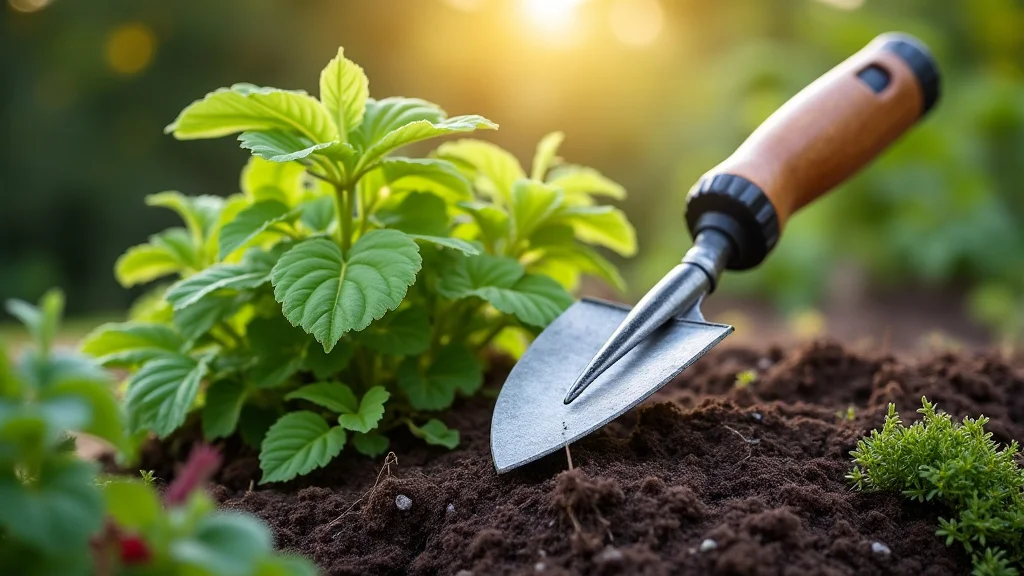
- Trowel: This small, hand-held tool with a scoop-shaped blade is perfect for digging small holes, transplanting seedlings, and scooping soil. Its compact size makes it ideal for working in tight spaces, such as flowerbeds or containers. The trowel’s main function is to move and shape soil for planting.
- Transplanter: Similar to a trowel, the transplanter has a slightly narrower blade, making it easier to dig up and transplant seedlings or small plants. It often features measurement markings on the blade, which can be useful when planting at specific depths.
- Hand Rake: This tool features a series of tines (teeth) and is designed for smoothing soil, removing debris like leaves and twigs, and breaking up clumps of dirt. It’s an important tool for preparing soil for planting, as it creates a loose, even surface.
- Weeder: Also called a weeding knife or a garden knife, this tool is designed for removing weeds from your garden beds and pathways. It typically has a sharp, narrow blade for easy digging around plant roots.
- Cultivator: This tool has several pointed tines and is used to break up soil clods and loosen the soil surface. This promotes better air circulation and water penetration. Cultivators are useful for aerating the soil, making it easier for plant roots to grow.
- Pruning Shears (Secateurs): These are small, hand-held shears with sharp blades designed for cutting stems and branches. They are used for pruning plants, removing dead or diseased growth, and shaping shrubs and bushes.
- Gardening Gloves: Usually made of fabric or rubber, these gloves protect your hands from dirt, thorns, and blisters. They are an essential part of any gardening set, providing comfort and safety during your gardening tasks.
- Watering Can or Spray Bottle: Included to help with watering seeds, seedlings, or plants that require regular, gentle watering. These are often used for spot watering or for applying liquid fertilizers and pest controls.
- Storage Tote or Bag: This provides an easy way to store and carry your tools, keeping them organized and accessible. It helps prevent tools from getting lost and protects them from the elements.
The trowel’s curved design allows gardeners to easily scoop and transfer soil, ensuring the delicate roots of plants stay intact. You’ll use it to create the perfect-sized space for seeds or young plants. The trowel is often made from steel or stainless steel, which makes it strong and long-lasting. Always rinse the trowel after use and store it properly to keep it from rusting.
The transplanter is like a precision instrument for your garden. It helps you move young plants with care. Its pointed shape makes it easier to dig into the soil without disturbing the roots. The markings on the blade are an added benefit, helping you ensure the plants are at the correct depth. The transplanter is made to last if it’s stored and cared for properly. It is often constructed from stainless steel and features a comfortable handle.
The hand rake’s primary purpose is to groom and prepare your soil, creating an ideal environment for your plants. It can make a significant difference in the look of your beds. You can use it to level the surface, remove small stones, and gently loosen the top layer. The tines, usually made from metal or hard plastic, help in efficiently removing leaves and weeds. It’s a key tool when getting your garden ready for the growing season.
The weeder is a gardener’s weapon against unwanted plants. It provides a way to get rid of weeds. Its narrow shape and sharpened blade allow you to get close to the plants you wish to keep without damaging their roots. It can be a simple tool or have a specific design. This is important for tasks like pulling up dandelions and other unwanted plants. Regular use of the weeder will save you from using herbicides and keep your garden looking neat.
A cultivator is like a mini soil aerator. It enables the soil to “breathe” better. The tines on a cultivator help break up the soil. This allows water and nutrients to get down to the roots. By aerating the soil, the cultivator helps plants grow more strong. It’s an important tool for keeping your soil healthy. The cultivator is an important tool in the preparation of the soil for planting and other gardening activities.
Pruning shears are essential for keeping plants healthy and attractive. These shears allow you to cut branches neatly and with precision. This tool is often used for cutting back dead or diseased growth, which helps keep plants healthy. They can also be used to trim and shape plants to encourage more blooms or a better look. Always wipe the blades clean after use to keep them in good condition. The pruning shears are a must-have for all gardeners who want to keep their plants neat and healthy.
Gloves protect your hands, letting you work in comfort. Gardening gloves offer essential protection from the dirt, thorns, and possible irritants that you might encounter. They are a must-have item that lets you work safely and comfortably. These gloves are usually made of durable materials like leather, fabric, or rubber, which offer both protection and comfort. They also enhance your grip, which is very useful for using tools. Wearing gloves will protect your hands, ensuring they remain in good condition while gardening.
A watering can or spray bottle helps ensure your plants get the right amount of water. Watering cans are great for watering plants gently. Spray bottles are helpful for applying water to small plants. This tool gives you control when watering, preventing water from being wasted. Whether you choose a watering can or a spray bottle, it can help the health of your plants.
Having a storage tote or bag is useful for keeping your tools in good order. It allows you to keep all of your gardening tools together in one place. It keeps your tools organized and safe from the elements. It also makes carrying your tools much simpler. Having a storage tote or bag helps to keep your equipment in top condition and readily available whenever you are ready to work in the garden. This helps to extend the life of your tools.
Materials and Durability
The materials used in your gardening tool 9 piece set directly affect the tool’s durability, performance, and overall lifespan. Choosing tools made from quality materials ensures they can withstand the rigors of gardening, from digging in the soil to trimming tough branches. The materials also impact the tool’s weight and comfort, contributing to a more enjoyable gardening experience. Here are some of the most common materials used in making these tools.
- Handles: Handles are often made from wood, plastic, or metal, with each material offering different benefits. Wooden handles, particularly those made from hardwoods like ash or hickory, are strong and provide good grip, but they require more maintenance. Metal handles, made from steel or aluminum, are extremely durable but can be heavier. Plastic handles are lightweight and usually affordable, but may not be as long-lasting as wood or metal, but are a good choice for smaller tasks.
- Blades and Heads: These are the working parts of your tools, such as trowels, pruners, and hoes. They are typically made from steel, stainless steel, or sometimes aluminum. Steel blades are very strong and can withstand rough treatment, but they can rust if they are not cared for. Stainless steel is more rust-resistant. Aluminum is lightweight but not as durable.
- Coatings and Finishes: Many tools come with coatings or finishes to improve performance and protect against rust and corrosion. Powder-coated tools are more resistant to scratching and wear, while those with a polished finish can be easier to clean. Coatings also enhance grip and can increase the tool’s lifespan.
The handle on your tool significantly influences your experience. Wooden handles can offer a comfortable grip and can look good in the garden. Metal handles are strong, and plastic handles are lighter and often come in various colors. Consider which feels most comfortable in your hand and the demands of the gardening you are planning to do when selecting the right handle.
The quality of these parts affects how well the tools perform. Blades made from high-quality steel will give you the most efficient cutting and digging. Stainless steel blades are a good choice if you are concerned about rust. Choose tools with blades and heads made of materials that can endure your gardening practices and your climate.
Coatings provide added benefits to your tools. A powder-coated finish will keep your tools from being scratched or damaged easily. Polished tools can be easier to clean. Coatings add to the tool’s long life and make your gardening work easier. The right coatings can help your tools perform better for longer periods.
Choosing the Right Set for Your Gardening Needs
The best gardening tool 9 piece set for you will be influenced by the type and scale of your gardening projects. If you have limited space, a compact set might be perfect. Those working with tougher soils might prefer tools with stronger blades and handles. Assessing your needs ensures you choose a set that enhances your gardening work. Here’s a guide to assist you in making your selection based on the scale of your gardening projects.
- For Small Gardens and Containers: If you are working with small flowerbeds, container gardens, or a balcony garden, look for a set with smaller, lightweight tools. Trowels, transplanters, hand rakes, and pruning shears will be very useful. Ensure that the tools fit well in your hand, and consider sets that come with a storage bag for easy access and organization.
- For Vegetable Gardens: For vegetable gardens, prioritize tools that assist in soil preparation, planting, and weeding. A good set will have a trowel, transplanter, hand rake, and weeder. A cultivator is also very helpful for loosening the soil around your plants. Consider sets that include gloves to protect your hands, and a storage bag to keep everything organized.
- For Larger Flower Beds and Landscaping: For larger areas, consider tools with more robust construction. Look for sets with full-sized trowels and transplanters. A quality hand rake and pruning shears will also be helpful. A durable cultivator is an excellent addition. Prioritize sets made from stainless steel or other rust-resistant materials. A storage bag or tote is essential for easy access and organization.
Gardening in smaller spaces demands tools that are easy to use and store. Smaller tools are often made from lightweight materials, making them easier to handle. A trowel and transplanter will give you the control you need to plant in containers. A compact hand rake will work well for small spaces. Pruning shears are important for managing any small plants.
These tools are great for starting a successful veggie patch. A trowel and transplanter allow you to move seedlings. The hand rake is perfect for grooming the soil. The weeder is useful for keeping weeds from getting to your vegetables. A cultivator will also provide you with good soil aeration. Remember to choose comfortable gardening gloves for protection.
If you’re gardening larger flower beds, you will need tools built to last. A sturdy trowel and transplanter make planting easier. The hand rake is essential for soil preparation. Pruning shears help in managing the plants. A durable cultivator will work well in larger soil spaces. Storage is essential for these tools.
Gardening Tool Set Care and Maintenance
Taking good care of your gardening tool 9 piece set will extend its life and keep it in top condition. Cleaning, storing, and maintaining your tools is like taking care of a car – it helps them to perform better, makes them last longer, and keeps them safe to use. Simple practices can make a huge difference, so take some time to regularly clean and care for your tools.
Cleaning and Storage Tips
Good tool care starts with cleaning and proper storage. After each use, take a few minutes to clean your tools to prevent rust, corrosion, and damage. Proper storage will keep your tools safe and accessible for your next gardening project. Simple steps will make a big impact in prolonging the life of your gardening tool 9 piece set.
- Cleaning: After each use, wipe down the blades and heads of your tools to remove soil, sap, and plant debris. Use a stiff brush or a putty knife to remove any caked-on dirt. Rinse the tools with water and dry them completely.
- Sharpening: Keep your pruning shears and other cutting tools sharp. Use a sharpening stone or file to maintain the blades’ edge. A sharp blade makes for cleaner cuts and reduces stress on the plant.
- Lubrication: Apply a light coating of oil to moving parts, such as the hinges of pruning shears and other tools. This will prevent rust and keep the tools operating smoothly.
- Storage: Store your tools in a dry, covered area. A garage, shed, or tool cabinet is ideal. Hang tools by the handle if possible or store them in a tool bag or tote. Avoid leaving tools outside exposed to the elements.
Cleaning your tools will prevent them from rusting and will help them last for many seasons. The easiest way to clean is to use a brush or putty knife to remove the soil. You should also rinse them with water. Ensure your tools are dry to prevent rust.
Sharpening your tools is essential to maintain effectiveness. Dull blades will do more harm than good to your plants. Regular sharpening ensures your cuts are precise. The cuts will be cleaner, which helps the plant stay healthy.
Lubricating tools is important for keeping them in good working order. Lubrication prevents rust. It also allows tools with moving parts to work smoothly. Lubricate your tools before storing them for the winter season.
Proper storage protects your tools from weather. Storing your tools in a safe, dry place will help them last a long time. Hang them or store them in a tool bag. This keeps your gardening tools ready to use whenever you need them.
Dealing With Rust and Corrosion
Rust and corrosion can affect any gardening tools, especially those that are exposed to moisture. However, with regular care and maintenance, you can reduce their occurrence and treat it if it arises. A little attention will keep your gardening tool 9 piece set working for years.
- Prevention: The most important step to prevent rust is to clean and dry your tools after each use. Store your tools in a dry place.
- Treatment: If you see rust, start by removing it. Use steel wool or a wire brush to remove the rust. After removing the rust, apply a rust inhibitor or a light coat of oil to the tool’s surface to prevent future rust.
- Long-Term Storage: If you are planning on storing your tools for a long time, consider cleaning them thoroughly, drying them, and coating them with a protective layer of oil or a rust inhibitor. This will protect them from corrosion and rust.
Protecting your tools is a simple step. Cleaning and drying them after use will stop rust from forming. Storing your tools in a dry place will ensure they are ready to use.
Rust treatment will keep your tools useful. Use steel wool or a wire brush to remove the rust. After cleaning off the rust, add a rust inhibitor or oil to protect the tools.
Long-term storage needs some extra steps. Clean and dry your tools. Coating them with oil will protect them from corrosion. These steps ensure your tools are safe for storage.
Gardening Scenarios Using Your Tool Set
Understanding how to use your gardening tool 9 piece set to tackle different gardening jobs will make the work more satisfying and efficient. Here are a couple of common gardening tasks and how your tools will assist you.
- Planting a New Flower Bed: First, use your hand rake to level the soil. Then, use your trowel to dig holes. Next, use the transplanter to carefully move your seedlings. Gently fill the holes around the roots. Use the cultivator to break up the soil around the new plants. Finally, use the watering can to provide the necessary water.
- Weeding and Maintaining a Vegetable Garden: Start by using the weeder to remove any weeds. Then, use the hand rake to smooth the soil. Use the pruning shears to trim any dead branches. As your plants grow, use the trowel to hill up the soil around the base. When you water, use a watering can or spray bottle.
This process demonstrates how different tools work together. Each tool is used for a different part of the process. Preparing your soil is key, but the transplanter enables planting with care. The cultivator will ensure that the roots of your plants can grow.
Maintaining a vegetable garden is easy. You can remove the weeds, readying the space for the plants. The pruning shears will help keep the plants healthy. The weeder is the key to preventing unwanted plants from taking over. This routine is what ensures a productive garden.
Frequently Asked Questions
Question: What is the most important tool in a gardening tool 9 piece set?
Answer: It depends on your gardening needs, but the trowel, transplanter, and hand rake are essential for many tasks.
Question: What is the difference between a trowel and a transplanter?
Answer: A trowel is generally used for digging and scooping soil. A transplanter is used specifically for transplanting seedlings.
Question: How often should I sharpen my pruning shears?
Answer: Sharpen your pruning shears before each season of heavy pruning or as needed. A dull blade can damage plants.
Question: Can I use my gardening tools on different types of soil?
Answer: Yes, but keep in mind that clay soil can be tougher on your tools. Always clean your tools after use.
Question: How do I store my gardening tools during winter?
Answer: Clean, dry, and store tools in a dry place. You can also apply a light coating of oil to prevent rust.
Final Thoughts
Choosing a gardening tool 9 piece set is a step toward making gardening simpler. These sets, equipped with the right implements, provide a way to perform all kinds of jobs in the garden. By knowing how to pick the right set, understanding the materials, and caring for your tools, you’ll ensure that you have the right tools to create a beautiful and flourishing garden. With these guidelines, you can equip yourself with the tools you require to take your gardening efforts to the next level. So, explore and pick a set that best fits your garden goals and needs, and you’re all set to begin gardening with confidence!