
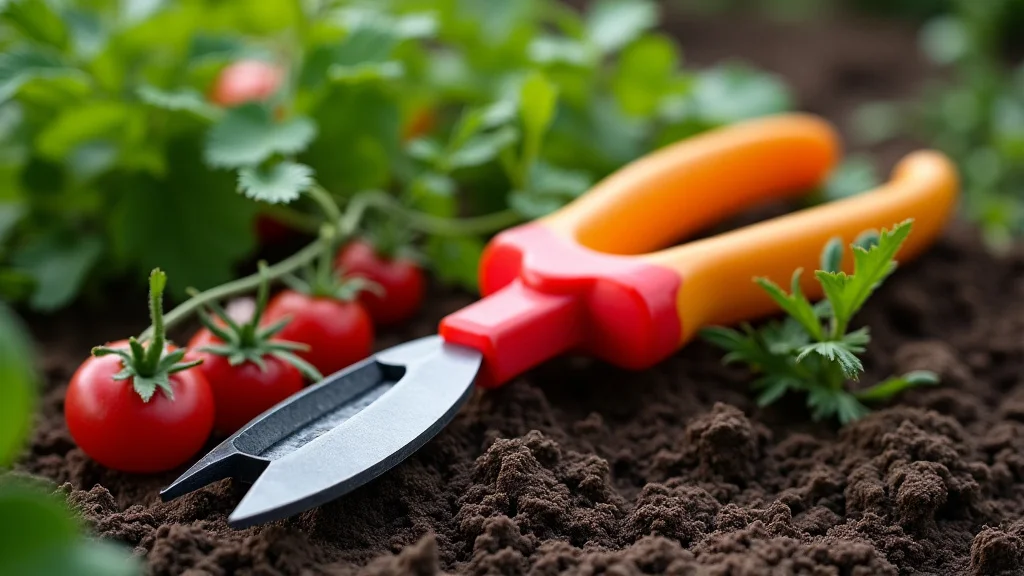
Remember that time you tried to prune those rose bushes and your hands cramped up after just a few minutes? Or that frustration of struggling to grip the shovel while planting those spring bulbs? We’ve all been there! Gardening should be a pleasure, a way to connect with nature and nurture something beautiful. But sometimes, the tools we use make the job harder than it needs to be. This post is all about easy grip gardening tools, designed to relieve strain and make your time in the garden more comfortable and productive. You’ll gain a greater appreciation for how the right tools can transform your gardening experience, reduce physical stress, and discover tools that will enhance your gardening enjoyment.
Key Takeaways
- Discover the benefits of using easy grip gardening tools for improved comfort.
- Learn about the different types of tools available, from pruners to shovels.
- Find out how to choose tools based on your specific gardening needs and physical limitations.
- Understand the importance of tool ergonomics and how they impact your gardening.
- Explore how these tools can extend your gardening time and reduce fatigue.
- Gain insights on how to maintain your easy grip gardening tools.
Why Choose Easy Grip Gardening Tools?
Gardening can be a wonderful hobby, but it can also be physically demanding. Bending, reaching, and gripping tools for extended periods can take its toll on your body. Standard gardening tools often have narrow handles that can cause hand fatigue, blisters, and even conditions like carpal tunnel syndrome. Easy grip gardening tools address these problems by offering a more comfortable and efficient way to work in the garden. They’re crafted with ergonomics in mind, making them a great option for people of all ages and abilities. The design focuses on reducing strain and making gardening more accessible and fun.
The Ergonomics of Gardening Tools
Ergonomics is the science of designing and arranging things so that people can use them efficiently and safely. When it comes to gardening tools, this means creating tools that fit comfortably in your hand, reduce the amount of force needed, and minimize strain on your joints. This concept involves considering the shape, size, and material of the handle, as well as the overall weight and balance of the tool. Tools that fit and work well reduce the risk of injury and allow you to enjoy gardening for longer periods. Poorly designed tools may lead to discomfort, exhaustion, and long-term health problems. Understanding the ergonomic principles of tool design can significantly enhance your gardening experience.
- Handle Shape: Ergonomic handles are often curved or shaped to fit the natural contours of the hand. This design reduces the need to grip the tool tightly, lessening fatigue. Some handles feature a pistol-grip shape or a wider surface area to distribute pressure more evenly.
- Handle Material: Materials like rubber or soft-grip plastics provide better cushioning and reduce slippage. These materials also absorb vibrations, making the tool more comfortable to use. Look for handles made from non-slip materials that offer a secure grip, even when wet.
- Tool Weight and Balance: Well-balanced tools distribute weight evenly, reducing strain on your wrists and arms. A lighter tool also helps to reduce fatigue. Consider the overall weight and balance of the tool when making your selection.
Many easy grip gardening tools have handles that are designed to conform to the shape of your hand. A comfortable handle can significantly affect how long you can garden before experiencing fatigue. It’s a key feature because it reduces the amount of effort required to hold and operate the tool, especially useful during tasks that require repetitive movements, such as pruning or weeding. These handles promote a more natural hand position, and the reduction in gripping force helps to prevent strain and possible issues like carpal tunnel.
The material of the handle is important for both comfort and control. Materials like rubber and soft-grip plastics are very good because they give a better grip and cushion your hands. This is especially good if you sweat a lot when gardening. The cushioning reduces the impact on your hands and wrists, making gardening a more pleasant experience. Also, choosing tools with handles made of weather-resistant materials ensures durability and longevity.
The weight and balance of a gardening tool influence the ease of use. Tools that are too heavy can be hard to maneuver and can lead to fatigue very quickly. Well-balanced tools feel natural in the hand and require less effort to control. The best ones distribute weight evenly, preventing strain on specific muscles. This is especially good for those with arthritis or other conditions that affect grip strength. Consider your physical capabilities when choosing tools to ensure you pick tools that are comfortable to handle.
The Advantages of Easy Grip Tools
Using easy grip gardening tools offers a host of benefits that go beyond just making gardening more comfortable. They can actually improve your gardening performance and overall well-being. By minimizing physical strain, these tools can help you garden for longer periods without feeling exhausted. This leads to increased productivity and the potential to enjoy your garden more. Furthermore, the ergonomic design can prevent injuries and promote better posture, making gardening a sustainable activity for years to come. Ultimately, these tools improve your physical health.
- Reduced Hand Strain: The wider handles distribute pressure across a larger surface area, reducing the strain on your hands and wrists.
- Enhanced Grip Strength: Easy grip tools make it easier to hold the tool securely, even with wet hands or when wearing gloves.
- Improved Comfort and Enjoyment: Gardening becomes less tiring and more enjoyable when you use tools that fit your hands comfortably.
- Increased Gardening Time: With less fatigue, you can spend more time in your garden, tending to your plants and enjoying the outdoors.
The key benefit of these tools is that they reduce hand strain. Traditional tools can cause your hand to get tired very fast. But with the right kind of grip, it’s easier to hold and use the tools. This can be especially good if you have arthritis or find it hard to grip things. The better grip makes gardening easier, less painful, and lets you do more in the garden.
Another major advantage is the improvement in grip strength. The design of these tools makes it simple to hold the tool steadily, even when your hands are sweaty or wet. They’re very practical in situations where you are using gloves. This reliable grip gives you better control and lets you use the tools with less effort. This is very good for maintaining control, enhancing your gardening experience and also reducing the possibility of accidents.
When gardening is comfortable, it’s more enjoyable. Easy grip gardening tools help ensure a comfortable experience by reducing pain and making tasks simpler. This lets you focus more on the beauty and the pleasure of gardening, from planting to watching the growth of your plants. With less physical stress, you can focus on the reward of a thriving garden.
Comfortable tools allow you to garden for longer periods. The more ergonomic design allows you to continue working in your garden without feeling fatigued. This will give you more time to explore gardening, maintain your garden, and enjoy the outside. Easy grip tools allow for more opportunities to participate in the relaxing and fulfilling hobby of gardening.
Different Types of Easy Grip Gardening Tools
The term “easy grip gardening tools” covers a wide variety of tools, each designed to make a specific gardening task easier and more comfortable. From pruning shears to trowels, there’s a tool for almost every job in your garden. Understanding the different types available will help you choose the right tools for your specific needs and gardening style. It’s a great opportunity to explore the features of each tool and understand how they work.
Pruning Shears and Secateurs
Pruning shears and secateurs are essential tools for shaping plants, removing dead or diseased branches, and encouraging new growth. Easy grip gardening tools in this category typically feature spring-loaded mechanisms that reduce the amount of hand strength required to open and close the blades. The handles are designed for a comfortable grip, often with non-slip materials. They also often feature rotating handles to minimize strain on the wrist. They’re good for tasks like pruning roses, shrubs, and fruit trees, ensuring a cleaner cut.
- Bypass Pruners: These pruners have blades that pass by each other, similar to scissors, creating a clean cut that is ideal for live plant material.
- Anvil Pruners: These pruners have a single blade that comes down onto a flat surface, the anvil. They’re very good for cutting dead or tough wood.
- Ratchet Pruners: These pruners have a ratchet mechanism that increases cutting power, making them good for thicker branches.
Bypass pruners provide precise cuts that are very good for live plants. The design of the blades is similar to scissors. This action results in a clean cut, which helps to promote healthy growth and prevents damage to the plant. Because of their precision, bypass pruners are often preferred for pruning stems and branches that are still living. Choosing easy grip bypass pruners can make this task easier and less taxing on your hands.
Anvil pruners use a different cutting mechanism, with a single blade that closes onto a flat surface. This design is very good for cutting dead or tough wood. They are less effective for clean cuts on living plants. Easy grip anvil pruners can be very useful for clearing deadwood and shaping plants.
Ratchet pruners are equipped with a ratchet system that increases the force of the cut. This is particularly useful for dealing with thick branches that would be challenging to cut with standard pruners. The ratchet feature works in steps, reducing the hand strength needed. Using easy grip ratchet pruners will make cutting thick branches simpler, minimizing the physical effort required.
Hand Trowels and Hand Forks
Hand trowels and hand forks are used for planting, weeding, and other small gardening tasks. Easy grip gardening tools in this category typically feature wider, more ergonomic handles that are easier to grip and control. The trowels may have a slightly curved blade to make scooping soil easier, while the forks often have tines that are spaced to improve soil penetration. The materials used, such as stainless steel, are good for durability and rust resistance. These tools are indispensable for planting flowers, vegetables, and other small plants.
- Hand Trowels: Used for digging small holes, transplanting seedlings, and scooping soil.
- Hand Forks: Used for loosening soil, removing weeds, and aerating the soil around plants.
- Weeders: These tools have a curved or forked end to pull weeds out by the roots.
Hand trowels are small, handheld tools essential for many gardening tasks, such as digging small holes, transplanting seedlings, and scooping soil. Easy grip trowels have ergonomic handles that provide a comfortable and secure grip, reducing hand strain. Their design usually allows for better control, making it easier to maneuver in tight spaces, such as between plants. Good for any gardener looking for convenience and reduced fatigue.
Hand forks are designed to loosen soil, remove weeds, and aerate the soil around plants. Easy grip hand forks feature comfortable handles that offer a secure hold, even when the soil is dense or wet. This design lessens the amount of effort needed to work the soil. The tines can penetrate the ground easily. They are very useful for preparing soil beds, making them suitable for most gardeners who have difficulty gripping tools.
Weeders are specifically made for removing weeds from your garden. Easy grip weeders have ergonomic handles that help lessen hand strain while doing this task. The heads of these tools are good at gripping and removing weeds by their roots. This tool reduces the chances of having to bend down constantly. These tools are essential for maintaining a tidy garden, making the process of weeding easier and more comfortable.
Shovels and Spades
Shovels and spades are used for digging, moving soil, and planting larger plants. Easy grip gardening tools in this category typically feature wider, D-shaped handles that are easier to grip. Some models have longer handles to reduce the need to bend over. The blades may be designed with a slight curve to make it easier to scoop and move soil. Choosing the right shovel or spade can make a huge difference in the ease and speed with which you can perform these tasks.
- Round-Point Shovels: Used for digging, scooping, and moving loose materials.
- Square-Point Shovels: Used for leveling, edging, and moving materials in confined spaces.
- Spades: Used for digging and turning over soil. Spades are good for cutting through roots and creating clean edges.
Round-point shovels are multipurpose tools, good for digging and moving materials like soil, mulch, and gravel. Easy grip versions usually feature ergonomic handles that provide a comfortable and secure grip. These handles can be D-shaped or have a wider grip area. This design helps lessen strain on the hands and wrists. This allows gardeners to handle various digging and moving tasks with minimal effort.
Square-point shovels are designed for tasks that require a flat surface, like leveling soil and edging. Easy grip models have handles that are made to offer better control and reduce strain. Square-point shovels are useful for moving materials in tight spaces and leveling surfaces, making them valuable for landscape projects and general garden maintenance. With a suitable handle, these tools become easier to use.
Spades are very good for digging and turning over soil, providing a sharp edge for cutting through roots and creating neat edges in your garden beds. Easy grip spades have handles that enhance comfort and improve control. The design of these tools makes digging tasks less strenuous. They are perfect for preparing garden beds, planting, and working with soil in a more effective and less painful way.
Choosing the Right Tools for Your Needs
Selecting the right easy grip gardening tools is crucial to maximizing the benefits of these tools. It’s not just about finding tools that have easy-to-hold handles; you also have to consider your specific needs and the types of gardening tasks you perform most often. Thinking about these factors will help you make a very good decision. Also, consider the materials the tools are made from. They must be long-lasting and make your time in the garden fun.
Assessing Your Gardening Tasks and Frequency
Before buying any easy grip gardening tools, consider the types of gardening tasks you perform the most. Do you spend a lot of time pruning? Or do you primarily focus on planting and weeding? If pruning is a big part of your gardening, then you will want to focus on good quality pruning shears with comfortable handles. If you’re often planting and weeding, a good trowel and hand fork will be very good. The frequency of each task will also play a role. If you have a large garden, you might need a heavier-duty shovel or spade. Carefully examining your regular gardening activities will help you make a selection that meets all your needs.
- Pruning Needs: If you prune frequently, look for ergonomic pruning shears or loppers.
- Planting and Weeding: For planting and weeding, choose comfortable hand trowels and forks.
- Soil Preparation: If you do a lot of soil preparation, consider a good shovel or spade with an ergonomic handle.
Pruning frequently means you need good tools that are comfortable to use. Look for ergonomic pruning shears or loppers with easy-to-grip handles. This will reduce fatigue. If your garden has trees or large bushes, choose loppers with a longer handle for extra reach and power. Tools that have bypass blades will give you a cleaner cut. These are better for the health of the plant.
For those who love planting and weeding, you should pick easy grip hand trowels and forks. Look for tools that have wider, padded handles to make them easier to grip and use for longer periods. Tools with stainless steel blades are very good because they will resist rust. When selecting these tools, think about the size and shape of the handles, as this can greatly influence how easy they are to use, and how comfortable they are.
For those involved in extensive soil preparation, a good shovel or spade with an ergonomic handle is essential. Think about the shape of the handle – a D-shaped handle is often preferred. Make sure the handle is long enough so that you don’t have to bend down too much. Using the right tools will make preparing your soil less tiring and will reduce strain on your back.
Considering Your Physical Abilities and Limitations
Your physical abilities and limitations are a key factor when selecting easy grip gardening tools. If you have arthritis, carpal tunnel syndrome, or other conditions that affect your grip strength or hand mobility, you’ll need to pay close attention to the handle design and weight of the tools. Tools with wider handles or padded grips can make a big difference, as they distribute pressure more evenly and reduce strain on your joints. Thinking about your physical capabilities is essential to ensure that you choose the right tools that make your gardening experience comfortable and accessible.
- Grip Strength: Choose tools with wider or padded handles if you have reduced grip strength.
- Wrist and Joint Issues: Consider tools with angled handles or rotating grips if you have wrist or joint issues.
- Weight and Balance: Choose lighter tools with good balance to reduce strain.
If you have less grip strength, choose tools that have wider or padded handles. Wider handles make it easier to hold the tool, and the padding provides a more comfortable grip. This can reduce fatigue and make it easier to work in the garden for a longer time. Look for materials that don’t slip. This ensures you can maintain control of the tools, even when they’re wet.
If you have wrist or joint issues, you will need to consider tools with angled handles or rotating grips. These designs lessen the strain on your wrists and help you maintain a natural position while working. This can greatly reduce discomfort and the risk of aggravating pre-existing conditions. These tools will allow you to continue enjoying gardening without the pain.
Choosing lighter tools is essential for reducing strain. Tools with good balance feel better in your hand and require less effort to use. These kinds of tools help to minimize fatigue and make gardening easier. Think about the overall design and the materials used when picking your tools.
Material and Build Quality
The material and build quality of your easy grip gardening tools will determine their durability and how well they perform. Look for tools made from high-quality materials such as stainless steel or carbon steel, as these are very good for their durability and resistance to rust. The handles should be made of durable, non-slip materials. The better the quality, the longer your tools will last. Also, think about how well the tool is constructed and if it is built to withstand regular use.
- Blade Materials: Choose tools with blades made from stainless steel or carbon steel for durability and rust resistance.
- Handle Materials: Look for handles made from durable, non-slip materials like rubber or soft-grip plastics.
- Construction Quality: Check for sturdy construction and secure connections between the handle and blade.
For the blades of your tools, choose stainless steel or carbon steel. These materials are known for their durability and their resistance to rust. They will also last a lot longer. Blades made from these materials will perform better and last through all the harsh outdoor conditions.
The handles of your tools should be made from durable, non-slip materials. This ensures a comfortable and secure grip, even when your hands are wet or sweaty. Materials like rubber and soft-grip plastics provide excellent cushioning and help to reduce strain. These materials improve the handling and ease of use.
Carefully check the construction quality of the tools. Look for sturdy designs and make sure that the handle and the blade are joined securely. A well-built tool will withstand regular use and will offer a better, more reliable gardening experience. This can help to avoid damage and ensure the longevity of your tools.
Maintaining Your Easy Grip Gardening Tools
Proper maintenance is essential to ensure that your easy grip gardening tools last a long time and continue to perform well. Regular cleaning, sharpening, and storage practices will keep your tools in top condition, preventing rust and wear. A little bit of effort can go a long way in ensuring your tools are ready for action every time you head out to your garden. Maintaining your tools can not only extend their lifespan but also help to prevent accidents and keep your gardening a smooth and enjoyable activity.
Cleaning and Storage
Cleaning and storing your easy grip gardening tools properly is a key part of their maintenance. After each use, it’s a very good idea to clean off any soil, sap, or plant debris. Use a brush or cloth and wash the tools with soapy water, then dry them thoroughly to prevent rust. Once dry, store your tools in a dry place. You can also hang them on a pegboard or in a tool shed to keep them organized and protected. Taking these steps will help to preserve your tools and keep them in good working order for a long time.
- Cleaning After Use: Clean off soil, sap, and plant debris after each use.
- Sharpening Blades: Sharpen blades regularly to ensure clean cuts.
- Proper Storage: Store tools in a dry place, ideally hanging them to prevent rust.
After each use, clean your gardening tools to keep them in good condition. Remove all soil, sap, and plant debris. This prevents corrosion and stops dirt from building up. You can use a brush or cloth with soapy water, and then you should dry them completely. This will prolong the life of your tools, ensuring they are always ready to use.
Keep your blades sharp for effective and safe gardening. Sharpen your pruning shears, loppers, and other tools as needed. A sharp blade is safer, easier to use, and causes less damage to your plants. Use a file or sharpening tool and follow the manufacturer’s directions. This ensures your tools work well, and will make gardening more enjoyable.
After cleaning and sharpening your tools, store them properly. A dry place is best to prevent rust. You can hang your tools on a pegboard or in a tool shed. Storing tools correctly will protect them from damage and make them easy to find when you need them. This helps keep your tools in excellent condition and always available when you’re ready to garden.
Sharpening and Rust Prevention
Sharpening your easy grip gardening tools regularly is crucial for their performance. Sharp blades make clean cuts and lessen the effort required to prune or cut through plants. Also, you must take steps to prevent rust. Rust can damage your tools and decrease their lifespan. After each use, dry your tools thoroughly and apply a thin layer of oil to the metal parts. Store them in a dry place, and consider using rust-inhibiting products. Keeping up with sharpening and rust prevention will keep your tools in tip-top condition for years to come.
- Regular Sharpening: Sharpen blades regularly for clean cuts and to reduce effort.
- Rust Prevention: Dry tools thoroughly after use and apply oil to prevent rust.
- Lubrication: Lubricate moving parts to keep them operating smoothly.
Regular sharpening of your easy grip gardening tools is crucial for optimum performance. Sharp blades provide clean, precise cuts. These require less effort. Over time, blades can become dull. Sharp blades also minimize damage to your plants. Using a file or sharpening tool, sharpen your blades. Keeping your blades sharp makes gardening easier and more effective.
Prevent rust on your tools to maintain their quality and longevity. After each use, dry your tools thoroughly, especially if they have been exposed to water or moisture. Apply a thin layer of oil to metal parts to create a protective barrier. Store your tools in a dry place to further protect against rust. Taking these simple steps will extend the life of your tools and keep them in good condition.
To ensure that your easy grip gardening tools operate smoothly, lubricate their moving parts regularly. Lubrication reduces friction, prevents wear, and helps keep your tools functioning effectively. Use a lubricant that is safe for the environment and designed for use with gardening tools. Apply the lubricant to hinges, pivot points, and any other moving components. This will keep your tools running smoothly.
Frequently Asked Questions
Question: Are easy grip gardening tools suitable for people with arthritis?
Answer: Yes, easy grip gardening tools are often specifically designed to be suitable for people with arthritis. The wider handles and ergonomic designs reduce strain on the hands and wrists, making them easier to grip and use.
Question: What materials are best for the handles of gardening tools?
Answer: The best materials for gardening tool handles are durable, non-slip materials like rubber or soft-grip plastics. These materials offer good cushioning and provide a secure grip, even when wet.
Question: How do I choose the right size of easy grip gardening tools?
Answer: When choosing the right size, consider the size of your hands and the types of gardening tasks you will be doing. Make sure the handles are comfortable to grip and that the overall tool feels balanced and easy to handle.
Question: How often should I sharpen my pruning shears?
Answer: You should sharpen your pruning shears as needed, or when you notice that they are no longer making clean cuts. The frequency of sharpening will depend on how often you use them and the types of plants you are pruning.
Question: How do I prevent rust on my gardening tools?
Answer: To prevent rust, clean and dry your tools thoroughly after each use. Apply a thin layer of oil to the metal parts and store them in a dry place. Consider using rust-inhibiting products.
Final Thoughts
Switching to easy grip gardening tools can really improve your gardening experience. They’re good for anyone who wants to garden more comfortably and effectively. These tools are designed to reduce strain and make gardening accessible for more people, including those who may have physical limitations. Selecting tools with ergonomic designs and proper handle materials, you can significantly reduce hand fatigue, enhance your grip strength, and make gardening a less strenuous, and more enjoyable activity. Regular maintenance, including cleaning, sharpening, and rust prevention, is very important. By taking care of your tools, you’ll be able to enjoy your garden for a longer time. Now, embrace the comfort, and let these tools change your gardening routine and make gardening a more rewarding hobby.