
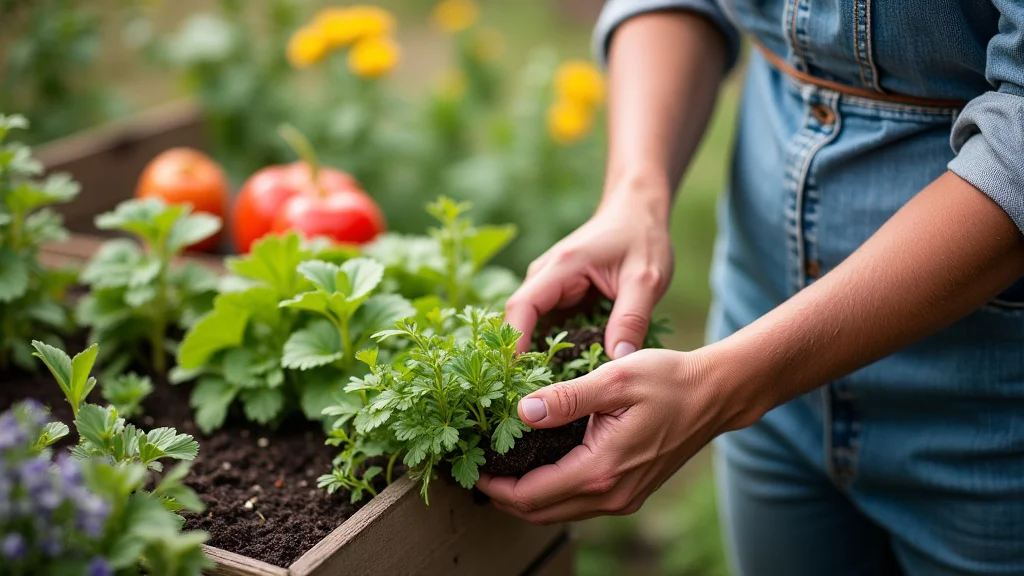
I remember my grandma, a passionate gardener, slowly giving up her beloved hobby. Her hands, ravaged by arthritis, made even simple tasks incredibly painful. Watching her struggle to prune roses or plant petunias was heartbreaking. This blog post is dedicated to helping anyone facing similar challenges. We’ll explore gardening tools for people with arthritis that can make a huge difference, allowing you to enjoy the therapeutic benefits of gardening without the pain. You’ll learn about ergonomic designs, lightweight materials, and modifications that can extend your gardening lifespan, giving you the knowledge to get back in the garden. This will provide relief, inspiration, and practical solutions.
Key Takeaways
- Discover ergonomic gardening tools for people with arthritis that minimize strain on joints.
- Learn about lightweight tool options to reduce fatigue.
- Understand how to modify existing tools for easier use.
- Explore adaptive gardening techniques that ease physical strain.
- Find valuable tips on choosing the right gardening tools for people with arthritis for your needs.
- Gain inspiration and resources to continue gardening despite arthritis.
Gardening with Ease: The Right Tools
The essence of enjoyable gardening, especially when dealing with arthritis, lies in selecting the right equipment. This involves more than just picking up the first trowel you see at the store; it’s about selecting tools specifically built to minimize strain and maximize comfort. From ergonomic handles to lightweight materials, the right tools can transform a potentially painful activity into a therapeutic and rewarding experience. This section focuses on highlighting the types of gardening tools for people with arthritis that make the process manageable and pleasurable.
Ergonomic Handles: A Better Grip
One of the most significant adjustments when selecting gardening tools for people with arthritis is the handle. Traditional tools often have thin, straight handles that can be difficult to grip and apply pressure. Ergonomic handles are specially shaped to fit comfortably in your hand, reducing stress on your wrists and fingers. These designs can include cushioned grips, angled handles, and larger grip surfaces. The primary goal is to distribute pressure evenly and allow for a more natural hand position.
- D-shaped handles: These are particularly useful for tools like trowels and hand rakes. The D-shape allows you to grip the tool securely with your entire hand, reducing the need to squeeze tightly.
- Foam or rubber grips: Adding a layer of soft material around the handles can improve comfort and reduce pressure points. Foam grips can also help absorb some of the vibration from using tools.
- Angled handles: Handles that are angled downward reduce the strain on your wrists as they are used, which is particularly helpful for tools like hoes or cultivators.
- Thickened handles: Handles that are larger in diameter are easier to grasp. Some tools have grips that can be adjusted to fit different hand sizes.
These handles help to distribute the force more evenly, minimizing the strain on your joints. D-shaped handles are often made with non-slip materials, ensuring a secure grip even when your hands are wet or sweaty.
The softer material is gentler on your hands, helping to prevent fatigue. This extra cushioning can be especially useful for those with sensitive hands or those who garden for extended periods. It helps to keep a comfortable grip.
Angled handles allow you to maintain a more neutral wrist position, which helps reduce the risk of pain and injury. The angle helps you position your hand more naturally, reducing the need to bend or twist your wrist.
A thicker handle fills the hand better, reducing the amount of grip needed to hold the tool. These handles are often made from durable, yet comfortable, materials, making them a great option for people with arthritis.
Lightweight Materials: Reducing the Load
The weight of gardening tools is also important. Heavier tools can quickly tire your hands and arms, making gardening more challenging for those with arthritis. Choosing tools made from lightweight materials can significantly reduce this fatigue. Modern gardening tools for people with arthritis often use aluminum, composite plastics, or even carbon fiber. These materials are lighter than traditional steel, yet still durable and reliable. Reducing the weight makes tools more manageable and reduces strain on joints.
- Aluminum tools: Aluminum is a great choice because it is very lightweight and rust-resistant. Tools made from aluminum are easier to lift and maneuver than those made of heavier metals, which is very helpful for people with arthritis.
- Composite materials: Composite tools, often made from plastics and other materials, are incredibly light and can be molded into ergonomic shapes. They are also rust-resistant and low maintenance.
- Carbon fiber tools: While pricier, carbon fiber tools are incredibly strong and lightweight. They offer excellent durability and a sleek design, suitable for more demanding gardening tasks.
The lightweight nature of aluminum makes tools less likely to cause fatigue, allowing for longer gardening sessions. Aluminum is also corrosion resistant, increasing the tool’s lifespan.
These tools are also incredibly durable and resistant to rust. Composite tools are often brightly colored, making them easier to spot in the garden.
The exceptional strength-to-weight ratio of carbon fiber means tools can handle significant stress without adding weight. Carbon fiber tools are also resistant to rust and corrosion, and the material doesn’t degrade over time, meaning they will have a long life.
Tool Modifications: Making It Fit
Sometimes, the perfect tool isn’t readily available, but can be modified for better functionality. Making small alterations can have a big impact. Adding larger grips to existing tools or using assistive devices can make them easier to handle. This process allows you to customize tools to meet specific needs. Adapting tools can significantly improve your experience. Small changes can make a big difference.
- Adding grip tape or foam: Many tools can be modified by wrapping the handles with grip tape or adding foam tubing. This increases the diameter of the handle, making it easier to hold.
- Using tool attachments: Several assistive devices attach to existing tools, extending the reach or making them easier to maneuver. These attachments often feature extended handles or specialized grips.
- Installing lever mechanisms: Tools that require squeezing, such as pruning shears, can be modified with lever mechanisms to reduce the force required to operate them.
This simple modification provides a more comfortable grip, reducing the amount of force needed to hold the tool. The additional padding also helps reduce pressure points and vibration.
These attachments can provide additional leverage and support, reducing the strain on your hands and wrists. They are also adjustable, allowing you to customize the tool to your specific needs.
This modification greatly reduces the amount of pressure needed, making the tool easier to use and more comfortable for people with arthritis.
Techniques and Adaptations: Gardening with Arthritis
Beyond the tools, the methods you use when gardening also make a difference. Certain approaches and modifications will help reduce strain and allow you to continue to enjoy gardening. From adjusting your posture to integrating raised beds, these techniques focus on making gardening less painful and more sustainable. These modifications are especially helpful for gardeners with arthritis.
Adjusting Your Position: Posture and Movement
The way you position yourself while gardening plays a role in comfort. Avoiding awkward postures and frequently changing positions can help to prevent joint pain. Maintaining proper posture can make gardening more manageable. Simple adjustments can help reduce the strain on your body. These changes can reduce pain and discomfort.
- Kneeling pads and benches: Kneeling pads and benches provide support and reduce the strain on your knees and back. They offer a comfortable surface, making extended gardening sessions easier to endure.
- Raised garden beds: Raised beds eliminate the need to bend over, allowing you to garden at a comfortable height. They also make it easier to reach your plants and reduce pressure on your back and knees.
- Long-handled tools: Use long-handled tools to avoid bending and reaching. These tools allow you to perform gardening tasks while standing, reducing strain on your back and joints.
Kneeling pads cushion your knees and distribute your weight evenly, while benches provide a stable seat and allow you to work at a comfortable height. These accessories reduce strain on joints, especially the knees and back.
These raised beds are perfect for gardeners who have trouble bending or kneeling. They’re also easy to access for wheelchair users, making gardening more inclusive and accessible. They make gardening more enjoyable.
Long-handled tools are great for weeding, cultivating, and other ground tasks. They allow you to maintain an upright position, minimizing bending and stretching. This position reduces fatigue.
Garden Design: Layout and Arrangement
The layout of your garden contributes to your ability to move and work easily. Well-designed gardens will minimize walking distances and prevent unnecessary strain. Careful garden design makes a big difference. With the right arrangement, you can create a garden that is both beautiful and manageable. You can also organize your space to make the task of gardening easier.
- Pathways and walkways: Wide, accessible pathways throughout the garden allow you to navigate easily, even with mobility aids. Paved pathways will provide better support.
- Spacing between plants: Proper spacing between plants will give you plenty of room to move and work comfortably. It prevents overcrowding and reduces the need to reach.
- Group similar plants together: Arranging plants by type or task will streamline your gardening routine. Grouping similar plants in one area reduces the need to move around the garden unnecessarily.
Paths that are well maintained reduce the risk of tripping and provide easy access to all areas of your garden. The width makes the garden accessible for wheelchairs or walkers.
Spacing plants correctly prevents the need to reach over and around plants. This will reduce strain and improve access to each plant.
This layout reduces wasted time and energy as you work. This arrangement simplifies watering, fertilizing, and harvesting. This layout saves energy.
Adaptive Techniques: Working Smart
Certain techniques, or working smart, can ease gardening tasks. This approach involves breaking down tasks into smaller steps. Using the appropriate techniques ensures that gardening will be less demanding. These techniques make gardening less tiring and more sustainable. Adapting these methods will help you garden with confidence and comfort.
- Break down tasks: Break down large gardening tasks into smaller steps to avoid overexertion. Gardening in shorter bursts, with plenty of breaks, is helpful.
- Use a gardening cart or wagon: A gardening cart or wagon can help transport tools, soil, and plants, reducing the need to carry heavy loads. This eliminates multiple trips to the shed or store.
- Ask for help: Don’t hesitate to ask for help with more strenuous tasks like turning the soil or moving large plants. Gardening can be a social activity.
Short sessions reduce fatigue and allows you to pace yourself. This approach lets you enjoy gardening without excessive strain.
They are a useful tool to help reduce strain on your back. Carts and wagons are very useful for gardeners who have trouble lifting or carrying heavy objects. Reduce strain and prevent fatigue.
Friends and family can provide assistance or collaborate on gardening tasks. Assistance can make tasks more manageable. Don’t be afraid to accept offers of assistance.
Specific Tools and Their Benefits
The marketplace offers a range of tools. It helps to understand the types of tools available and the benefits they offer. Selecting the right tools for your specific needs is key to making gardening more enjoyable. Here’s a look at some of the most beneficial types of gardening tools for people with arthritis.
Hand Trowels and Hand Rakes
Hand trowels and hand rakes are essential for planting, weeding, and soil preparation. The right design makes these tasks easier and reduces pain. Ergonomic designs, like those with D-shaped handles, allow a secure grip and reduce stress. They make these tasks more manageable. These tools are the essential parts of any gardening arsenal.
- Trowels with cushioned grips: Cushioned grips will reduce hand fatigue. They are designed to prevent the onset of symptoms, reduce pain, and increase comfort.
- Hand rakes with wide, angled handles: Wide, angled handles help you to apply force more effectively. This will reduce strain on your wrist.
- Lightweight models: Lightweight models made from aluminum or composite materials are easier to maneuver, reducing strain on your arms and hands.
The cushioned grips cushion your hand, reducing pressure and vibration. They are gentle on your hands. They are a good choice for people with arthritis.
These handles help you maintain a more natural wrist position. Angled handles can reduce pressure points and improve control.
These are easy to handle and reduce fatigue. These tools are easy to transport and use. Lightweight models are a great choice for long gardening sessions.
Pruners and Secateurs
Pruners and secateurs are essential for pruning plants. Choose models with easy-to-use mechanisms and ergonomic features. Choose models designed to reduce the force required for cutting. These tools make pruning more manageable and less painful. Choose the right ones for your garden.
- Bypass pruners with ratcheting mechanisms: Ratcheting mechanisms reduce the force needed to cut through thicker stems. They are an easier choice.
- Anvil pruners with easy-open latches: Anvil pruners offer a simpler cutting action, and those with easy-open latches will prevent your hand from tiring.
- Ergonomic pruners with rotating handles: Rotating handles reduce the strain on your wrist and help maintain a natural hand position while cutting.
Ratcheting helps make cutting thicker stems much easier, reducing the amount of grip needed. These are perfect for people with reduced hand strength.
Anvil pruners are easy to use. The easy-open latches require little hand strength. These are easy to open and close.
Rotating handles will help prevent wrist fatigue. These will reduce the twisting motion when pruning. These are comfortable and safe to use.
Long-Handled Tools
Long-handled tools are great for many gardening tasks. They let you work from a standing position. They help to reduce the strain on your back. Look for tools made from lightweight materials, with ergonomic grips. These tools will enable you to garden comfortably. They can make tasks easier to manage.
- Hoes with adjustable handles: Adjustable handles allow you to customize the tool’s length. This makes these tools useful for a range of people.
- Cultivators with padded grips: Padded grips will reduce hand fatigue. This helps make the tasks easier on your hands.
- Weeders with ergonomic handles: Ergonomic handles will provide a comfortable grip. These are designed to make weeding more manageable.
Adjustable handles can be adjusted for a comfortable working position. This will allow you to reduce bending and maintain a comfortable posture.
Padded grips increase comfort and provide better control. The added padding reduces pressure points.
They will reduce the amount of strain on your wrists and hands. Look for long handles for ease of use. This can make weeding easier on your back.
Choosing the Right Tools for Your Needs
The best gardening tools for people with arthritis depend on your individual needs and the types of gardening you enjoy. Several factors influence your choice. This section helps you to select tools that will best support your ability to garden. Consider your physical limitations, the tasks you perform, and your gardening goals. Selecting the right tools can have a huge impact.
Assessing Your Physical Needs
Understanding your physical needs is key when selecting tools. Consider the range of motion you have. Consider your hand and arm strength. Take the time to evaluate your abilities, and choose tools that match. Match the tools to your limitations. This step makes all the difference.
- Consider range of motion: If you have limited range of motion, look for tools with extended handles or those that allow you to work from a standing position.
- Assess hand and arm strength: If you have limited hand strength, choose tools with ergonomic handles. Look for features like ratcheting mechanisms or easy-open latches.
- Think about your overall mobility: Those with mobility issues might prefer lightweight tools and consider raised beds to reduce bending and kneeling.
Select tools that will enable you to reach and perform tasks comfortably. If bending is difficult, select long-handled tools. Assess your ability to move.
Look for tools that make the tasks less demanding. Select pruners with ratcheting mechanisms. The goal is to reduce force required.
Consider tools that reduce the physical demands of gardening. Raised beds will make it easier to reach plants. Take into account your comfort levels. Reduce strain, and keep gardening enjoyable.
Considering Your Gardening Tasks
The types of gardening tasks you perform will influence the tools you need. If you primarily grow flowers, a hand trowel and small pruning shears may suffice. For a larger vegetable garden, you might need a hoe, cultivator, and larger tools. Think about the types of gardening you enjoy. Choose tools that support your activities.
- Vegetable gardening: For vegetable gardens, choose tools that are designed to handle soil preparation, planting, weeding, and harvesting.
- Flower gardening: Flower gardening might require more delicate tools. Selecting tools for pruning, planting, and deadheading flowers is important.
- General landscaping: General landscaping requires a range of tools for various tasks. Your tool selection will depend on the projects you do most often.
You may need hoes, cultivators, and harvesting tools. Selecting the right tools can make all of the tasks easier. Choose the proper tools for the job.
Hand trowels, small pruning shears, and ergonomic hand tools are a good place to start. Think about the care your flowers require. Choosing the correct tool will make it easier.
Consider tools for digging, planting, pruning, and general maintenance. Choosing the correct tools will assist with each task. Be sure to consider ease of use.
Testing Tools Before Purchase
Before investing in any gardening tools, try them out if possible. Many garden centers and hardware stores will allow you to test tools. You can also visit gardening events or ask friends. You can evaluate the tool’s comfort and ergonomics. Testing a tool will make it easier to be certain about the tool’s performance. The information makes all the difference.
- Visit a garden center: Take advantage of opportunities to handle and test different tools. Garden centers will often have a variety of tools that you can hold and assess.
- Ask for recommendations: Talk to fellow gardeners. Ask about their favorite tools and any tools they find particularly helpful.
- Read reviews: Read online reviews to gather information about specific tools. Many reviews offer feedback.
This will give you the chance to assess the tool. Evaluate how a tool feels in your hand, and see if it is comfortable. Assess the feel of the tool.
Other gardeners can give you the real story. This is a chance to learn about tools. Learn what your neighbors find helpful.
Read about other people’s experiences with the tools. This can help you learn about a tool’s durability. Learn about the tools before you buy.
Gardening Resources and Support
Gardening with arthritis is possible, with the right information and support. Many resources are available. Finding communities, information, and tools can improve your gardening experience. Resources help you find the right tools. Take advantage of information and support.
Online Communities and Forums
Online communities and forums are good resources. Online platforms connect gardeners. This will give you the chance to share tips, and learn new techniques. Communities are a great source of information. Online support is also a great resource. You can find gardening help online.
- Join gardening forums: Participate in gardening forums that cater to people with arthritis. These can be places to ask questions, share tips, and find support.
- Participate in social media groups: Join social media groups to connect with other gardeners, share photos of your garden, and learn about the experiences of others.
- Follow gardening blogs and websites: Follow gardening blogs and websites that focus on adaptive gardening techniques. These blogs can provide valuable information and inspiration.
These forums are a great place to meet other gardeners who have similar experiences. Learn from other gardeners and share your own experiences. Share tips and learn new techniques.
Social media can offer a network of information and support. Share your gardening successes. Learn new tips and ideas from other gardeners. Ask questions and get advice.
Stay informed. Find the right tools and strategies to garden comfortably. Read about people who garden with arthritis. The information helps.
Local Gardening Clubs and Workshops
Local gardening clubs and workshops provide hands-on experience and a sense of community. You can engage with other gardeners. You can take part in workshops that can teach you new skills. Gardening clubs are also great resources. Find local clubs and workshops.
- Join a local gardening club: Gardening clubs often offer workshops, demonstrations, and opportunities. Participate in local gardening clubs.
- Attend workshops: Attend workshops to learn specific gardening techniques, like pruning, soil management, and companion planting. These workshops will help build skills.
- Visit local botanical gardens: Many local botanical gardens will host events. Visit local botanical gardens to learn new tips.
Clubs will offer opportunities to share experiences and learn. Participate in group activities, and learn more about gardening. Learn from gardening experts.
These workshops can teach you new techniques. Hands-on learning is often the best learning. This is a chance to build skills and techniques.
These gardens often offer educational programs. These programs can offer useful information about plants. Visit and learn from the experts.
Assistive Devices and Resources
Assistive devices are designed to make gardening tasks easier. These devices can enhance your ability to garden. Using assistive devices is a good way to garden. Learn about helpful devices. Devices will improve the gardening experience.
- Adaptive gardening tools: Explore adaptive gardening tools specifically designed to reduce strain. These tools will make gardening easier.
- Garden carts and wagons: Garden carts and wagons will help transport supplies. The tools will reduce the physical strain of moving heavy objects.
- Occupational therapy: Consult with an occupational therapist. They can suggest strategies and tools. These professionals will help you garden with arthritis.
Adaptive tools include ergonomic hand tools and long-handled tools. These tools are designed to help gardeners. These tools are often available in garden stores.
These carts can make tasks more manageable. They can reduce strain on the back and joints. Using the right equipment will help you garden.
Occupational therapists specialize in adaptive equipment. They help to make gardening more comfortable. Take advantage of expert advice. Contact an expert if needed.
Frequently Asked Questions
Question: What are the best types of handles for gardening tools with arthritis?
Answer: D-shaped, foam-covered, and angled handles are generally the best. They provide a more secure and comfortable grip, reducing stress on the wrists and fingers.
Question: How can I reduce the strain on my back when gardening?
Answer: Use kneeling pads or benches, raised garden beds, and long-handled tools to avoid bending and maintain proper posture.
Question: What are some good techniques for pruning plants when you have arthritis?
Answer: Use pruners with ratcheting mechanisms, ergonomic handles, or anvil-style pruners, which require less hand strength. Consider using a tool sharpener.
Question: Are there any specific modifications I can make to my existing gardening tools?
Answer: You can add grip tape or foam padding to handles, or you can consider attachments that extend the reach of your tools. You can also install lever mechanisms on tools that require squeezing.
Question: What resources are available to help me continue gardening with arthritis?
Answer: Online gardening communities, local gardening clubs, workshops, and occupational therapy consultations can provide valuable information, support, and resources.
Final Thoughts
Gardening, despite the challenges of arthritis, remains an achievable and rewarding pursuit. By choosing the right gardening tools for people with arthritis, you are investing in your ability to nurture plants and enjoy the benefits of nature. Remember, the journey can become easier with ergonomic handles, lightweight designs, and adaptable techniques. There is no need to abandon a favorite pastime. Embrace the possibilities of adaptive gardening, and explore modifications and strategies that reduce strain. Get involved in local gardening clubs or online communities. With careful planning and the right tools, you can experience the joy and therapeutic benefits of gardening. Start today. Adapt your approach, find what works for you, and celebrate the small victories in your garden. Happy gardening!