
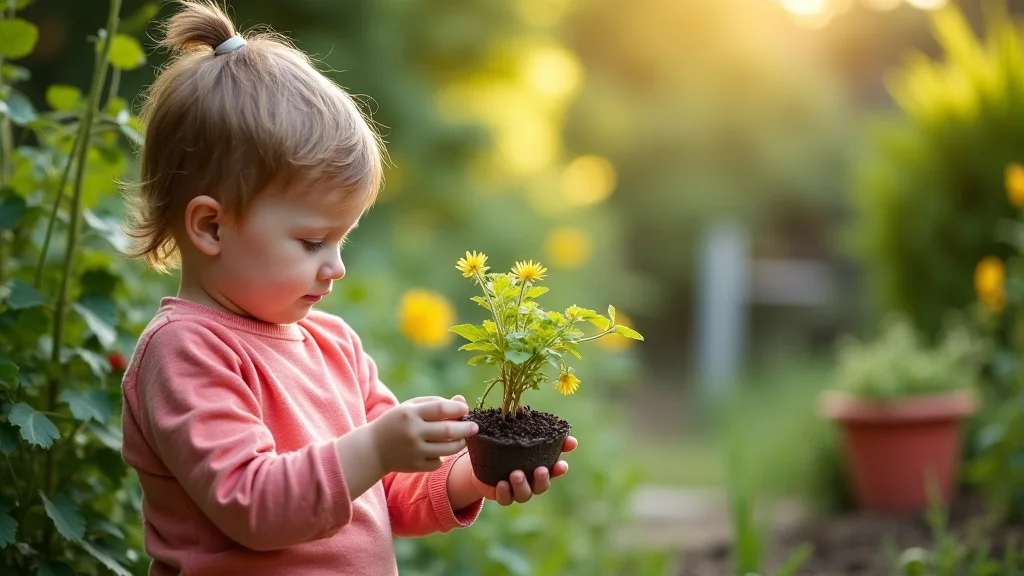
Remember that time your little one grabbed a toy shovel and “helped” you plant flowers? The sheer joy on their face is something you can’t forget. That experience, and many others, highlight the incredible benefits of introducing gardening tools for 2 year olds. This post will explore the best tools, safety tips, and activities to get your toddler involved in gardening. You will discover how to choose age-appropriate tools, create a safe gardening space, and turn gardening into a fun and educational activity. Get ready to cultivate a love for nature and create lasting memories with your child! By the end, you’ll feel confident about starting your own gardening adventure.
Key Takeaways
- Learn to choose the right, safe gardening tools for 2 year olds.
- Understand how to create a safe gardening environment for toddlers.
- Discover fun and engaging gardening activities for young children.
- Find ways to teach basic gardening concepts in a playful manner.
- Recognize the developmental benefits of gardening for toddlers.
- Learn about the best materials and tool designs for durability and safety.
Choosing the Right Gardening Tools for 2 Year Olds
Picking the right tools for your toddler is the first, and most important step. You want tools that are safe, durable, and the right size for little hands. Think about what a 2-year-old is capable of: grabbing, holding, and mimicking your actions. Their fine motor skills are still developing, so the tools should be easy to grip and lightweight. This section will guide you through the features to look for when selecting gardening tools for 2 year olds.
Safety First: Tool Materials and Designs
Safety should be your main focus. Tools designed for toddlers are made with child-safe materials and rounded edges. Avoid anything with sharp points or small parts that could be swallowed. Look for tools made from durable plastic, wood, or metal with smooth, rounded edges. The handle should be easy to grip, and the overall weight should be light enough for a toddler to manage comfortably. Consider tools with bright, fun colors to attract your child’s attention and make gardening more appealing. Make sure the tools are non-toxic, and easy to clean. You can avoid tools with complicated mechanisms, as well as those with small parts that can cause choking hazards.
- Rounded Edges: Tools with rounded edges prevent cuts and scratches. This design minimizes the risk of injury if the child accidentally bumps into something or someone. This is essential for safe play.
- Durable Plastic or Wood: Durable materials, like plastic or wood, can withstand rough handling. These materials are also usually lightweight, which is ideal for small children. The tool should not break easily, even if dropped. This enhances the tool’s lifespan and the child’s enjoyment.
- Non-Toxic Materials: Ensure the tools are made from non-toxic materials. Small children often put things in their mouths, so this is a must-have. You can also teach children about safety, and the importance of not putting things in their mouths.
- Proper Size: The right size tool is crucial for your child’s hands. The handles should be easy to grasp, and the tool should not be too heavy to lift. A tool that is too big or heavy will be difficult for them to use and could lead to frustration.
Rounded edges on tools are important because they reduce the chances of injury. When a child uses a tool with sharp edges, they are more likely to hurt themselves. Rounded edges make the tool safer. A tool with rounded edges will also be gentler on the plants.
Durable materials ensure the tools last. When tools are made of strong materials, they don’t break as quickly. The tools will still function well, even when used roughly. It is important that the tools are able to withstand regular use.
Non-toxic tools are an important choice because they protect children. Small children may put tools in their mouths. Non-toxic tools are safe, even if they’re tasted. Ensure safety.
The correct size tool is essential. The child needs a tool they can hold and use. The tool should not be heavy, or the child will not be able to use it. Correct-sized tools make gardening more fun and enjoyable.
Essential Gardening Tools for Toddlers
Several basic gardening tools for 2 year olds can provide your child with a well-rounded gardening experience. Start with a small hand trowel for digging, a hand rake for smoothing soil, and a small watering can for tending to plants. A small shovel can be used for scooping and moving soil, while a pair of child-safe gardening gloves will help protect their hands. Consider a small watering can with a rose head to give a gentle water flow, which helps avoid overwhelming young plants.
- Hand Trowel: A hand trowel is perfect for digging small holes and planting seeds or seedlings. Look for a sturdy metal or plastic trowel with a comfortable handle, and rounded edges. Teach your child how to gently dig and fill in the soil around the plants.
- Hand Rake: A hand rake is excellent for smoothing soil, removing small debris, and gently raking around plants. A smaller rake with child-friendly tines is ideal. Show your child how to gently rake the soil to prepare it for planting or to tidy up the garden bed.
- Small Watering Can: A small watering can allows your child to water plants, teaching them about the importance of giving plants water to grow. Choose a lightweight plastic can with a handle that is easy for small hands to grip. Make sure the spout is designed to pour water slowly.
- Small Shovel: A small shovel is suitable for scooping and moving soil. It can be used to fill pots, create small planting areas, or simply move soil from one place to another. Make sure the shovel is lightweight and durable with rounded edges for safety.
A hand trowel is one of the most useful tools. It’s perfect for a toddler’s size and strength. The child can dig small holes to plant seeds or seedlings. These small tools help the child feel like a real gardener. Learning to use a trowel helps develop fine motor skills.
A hand rake is good for smoothing the soil. Small children can use this rake to prepare the ground for planting. It can also clean up the area. This tool helps teach children how to care for their garden. The rake is also a good opportunity for them to develop coordination.
A small watering can introduces children to the importance of watering plants. It shows them how to care for the garden. They will learn to appreciate the role of water in plant growth. The small watering can helps develop their sense of responsibility.
The small shovel is a versatile tool. It’s useful for moving soil, filling pots, or making small planting areas. Children will enjoy the feel of the soil as they use the shovel. Using this tool also helps with hand-eye coordination.
Creating a Safe Gardening Space for Toddlers
Creating a safe gardening area is essential when working with toddlers. Consider the physical space, potential hazards, and how to supervise your child. A safe area minimizes the risk of accidents and lets your child enjoy their gardening experience without worry. Keeping the area clean, checking for any dangers, and having an adult’s watchful presence at all times is key to fostering a safe experience when using gardening tools for 2 year olds.
Eliminating Hazards
Before you begin, carefully inspect the gardening area for potential hazards. Remove any sharp objects like broken glass, large rocks, or exposed roots. Be mindful of any poisonous plants or plants that might cause skin irritation, like poison ivy or stinging nettle. Make sure to keep any chemicals, such as fertilizers and pesticides, locked away and out of reach of children. Consider fencing off the gardening area to create a clear boundary, and keep the gate secured to prevent unsupervised access.
- Inspect for Sharp Objects: Before starting, thoroughly check the area for any sharp objects. Things like broken glass or sharp stones should be removed. Sharp objects pose a danger to children. This inspection helps prevent cuts and injuries.
- Identify and Remove Poisonous Plants: Identify and remove any plants that are poisonous or could cause skin irritation. Common poisonous plants include poison ivy and certain types of berries. Teach children to avoid touching any plants without your knowledge.
- Secure Chemicals: Keep all chemicals, like fertilizers and pesticides, locked away and out of reach. These chemicals are harmful and should never be accessible to children. Make sure that any containers are clearly labeled and stored safely.
- Create a Clear Boundary: Use fencing to create a clear boundary. This helps prevent the child from wandering off and adds a physical barrier to the gardening space. Make sure the gate is always secured.
Inspecting for sharp objects is essential for safety. Children are often unaware of these dangers. Removing them keeps the child safe. Regularly check your gardening area to maintain a safe environment. Prevent any potential harm.
Removing poisonous plants is an important safety step. Certain plants can be dangerous if touched or eaten. Knowing which plants are harmful can protect children. This is vital for the child’s well-being and safety.
Securing chemicals is crucial for the child’s safety. Fertilizers and pesticides can cause harm if ingested. Storing chemicals safely prevents accidental exposure. This practice should be followed at all times.
Establishing a clear boundary keeps the child safe. Fencing creates a designated area for play. Securing the gate prevents children from unsupervised exploration. A safe area promotes confidence.
Supervision and Safe Practices
Always supervise your toddler when they are using gardening tools for 2 year olds. Never leave a child unattended in the gardening area, especially when they have access to tools. Teach your child basic safety rules, such as not putting tools in their mouths or throwing them around. Show them how to carry tools safely and how to handle them with care. Demonstrate how to dig carefully around plants and avoid damaging them. Reinforce these safety practices through consistent reminders and positive reinforcement.
- Constant Supervision: Always supervise your toddler while they are gardening. This ensures their safety and allows you to guide their activities. Never leave your child alone in the gardening area when tools are accessible.
- Teach Tool Safety: Teach your child simple rules about tool use. Remind them not to put tools in their mouths and to carry tools carefully. Show them how to use each tool safely and correctly. This helps the child use the tools properly.
- Proper Tool Usage: Demonstrate how to use the tools. Show your child how to dig around plants carefully and gently, without damaging them. Make sure that your child is aware of this.
Constant supervision is a must. Toddlers can be unpredictable. When you are present, you can ensure they are safe. Keep an eye on the child. Supervision helps prevent accidents.
Teaching tool safety is vital. Children need to understand how to handle tools. Safety tips can prevent injuries and promote safety. Encourage safe practices.
Demonstrating how to use tools makes gardening fun and safe. They will develop their skills. They will be more careful around plants. These tips will help the child’s learning process.
Fun and Engaging Gardening Activities for Toddlers
Gardening should be a joyful experience for both you and your toddler. Turn gardening into a fun activity by incorporating games, crafts, and sensory experiences. This can help children develop a love for gardening and learn about nature. With a selection of the right gardening tools for 2 year olds, you can create a memorable and enjoyable experience.
Planting and Growing Activities
Start with simple planting projects, such as planting seeds in small pots or in a designated garden bed. Sunflowers and beans are great choices because they grow quickly, and children can see the results of their work. Show your child how to water the seeds and nurture the plants. These kinds of activities allow the toddler to interact with the natural world and develop a sense of responsibility.
- Planting Seeds: Start by planting seeds that are easy to grow, like beans or sunflowers. These seeds germinate quickly. Let your child help place the seeds in the soil and cover them. The child can also water them.
- Creating a Sensory Garden: Create a sensory garden with plants that have different textures, scents, and colors. Include plants like lavender, rosemary, and lamb’s ear. Let the child explore the different plants with their senses.
- Watering the Plants: Teach your toddler to water plants using their small watering can. Explain the importance of water. Let your child water the plants and help to tend to them on a regular basis.
Planting seeds is a great activity because it teaches them about growth. It is very satisfying to witness growth. It helps them to understand the life cycle of plants.
A sensory garden makes gardening more engaging. It involves all the senses. Children can touch, smell, and see different plants. These experiences increase their curiosity.
Watering the plants teaches responsibility. It shows how to give plants the water they need. The child can see how the plants grow. This teaches them the importance of care.
Crafts and Creative Activities
Integrate crafts into your gardening activities to boost creativity and make the experience more fun. For instance, you could paint rocks to create garden markers or decorate flower pots. You can also make simple crafts using leaves, flowers, or twigs. These activities will let your toddler explore their artistic skills and make lasting memories.
- Painting Garden Markers: Let your child paint rocks to create garden markers. They can paint the names of the plants, or create colorful designs. These markers are used to label plants.
- Making Nature Collages: Use leaves, flowers, and twigs to create nature collages. Gather these natural materials from the garden. Then use glue to attach them to paper. This allows the child to be creative.
- Creating Leaf Rubbings: Place leaves under paper and rub over them with crayons to create leaf rubbings. This shows children the textures and shapes of leaves. It’s a fun way to learn about nature.
Painting garden markers makes the child involved. It is an art project. It also helps to label and learn about the plants. The children will be proud of the work.
Making collages promotes creativity and observation skills. Children see different textures and colors. This can also teach them about the environment. This activity connects nature with art.
Leaf rubbings create a fun sensory experience. Children learn about the textures of leaves. The children also learn about shapes and details. This is an engaging learning activity.
Teaching Basic Gardening Concepts to Toddlers
Gardening offers a great chance to introduce your toddler to basic concepts about nature. You can explain how plants grow, what they need to thrive, and the different parts of a plant. Keep your explanations simple and focus on the hands-on aspect of the gardening process. With simple explanations and fun activities, you can start instilling a love for the planet early on. Using gardening tools for 2 year olds is the perfect way to get them started.
The Life Cycle of Plants
Explain the process of how plants grow, from seeds to flowers or fruits. Use simple terms and show real-life examples. You can demonstrate planting a seed, watering it, and watching it sprout. Use illustrations or picture books to help your toddler see and understand the stages of plant growth. Help them to connect with the natural world and better appreciate it.
- Planting a Seed: Plant a seed together and show your child what happens. Teach them about the life cycle. They can follow this process. Show how the seed grows, how a stem emerges, and how leaves grow.
- Watering and Sunlight: Explain how plants need water and sunlight to grow. Let your child help water the plants. Show how the leaves turn toward the sun. These are key for plants.
- The Parts of a Plant: Show the different parts of a plant, such as roots, stems, leaves, flowers, and fruit. Use simple terms to teach what each part does. Make it as visual as possible.
Planting a seed is a hands-on way to teach. They will see how plants grow. It helps them understand where food comes from. It also teaches patience.
Explaining water and sunlight helps children understand needs. The kids can see how the plants react to both elements. It fosters respect for the natural environment.
Teaching about plant parts builds understanding. Children can see how different parts work. Understanding the function of each part helps them remember. The experience is educational and fun.
The Importance of Soil and Nutrients
Explain the role of soil in the life of plants and the nutrients they need. Soil provides the foundation, water, and nutrients needed for plant growth. Explain how nutrients help plants grow strong and healthy. Show your child how to add compost or fertilizer to the soil and discuss how it helps the plants. It encourages children to be aware of the importance of the soil.
- Soil as a Foundation: Explain to your child that soil is like a home for plants. Show them how the roots go into the soil. Tell them it gives the plant a place to stand. This establishes the value of soil.
- Nutrients and Growth: Talk about nutrients as the food for plants. Explain how these nutrients help plants grow big and strong. Show how to add compost or other nutrients to the soil.
- Composting: Show how composting turns food scraps into nutrients. Explain that compost is like plant food. Help your child put food scraps into the compost bin. This teaches the importance of recycling.
The concept of soil helps children learn. The children understand the role of soil. They understand that soil gives the plant a home. This is the foundation.
Nutrients are essential for plant growth. Children understand how plants get their food. By adding nutrients, they are helping to feed plants. This teaches the importance of nutrients.
Composting teaches children about recycling. It helps them to understand how organic materials can be reused. It fosters environmental awareness.
The Developmental Benefits of Gardening for Toddlers
Gardening offers a wide variety of developmental advantages for toddlers. It promotes physical development, enhances sensory experiences, and improves cognitive skills. Children can develop their fine motor skills through planting and working with gardening tools for 2 year olds. The experience gives children the chance to explore their senses, learn new vocabulary, and develop social-emotional skills. Gardening can provide lasting benefits and memories.
Physical Development
Gardening provides excellent opportunities for physical activity. Activities like digging, planting, and watering strengthen their muscles. It improves coordination and balance. Being outdoors allows them to get more physical activity. The activities they perform outside are also great for developing their gross motor skills.
- Fine Motor Skills: Planting seeds and using small tools like trowels and watering cans help toddlers develop their fine motor skills. These activities require precision and coordination. This helps them with these skills.
- Gross Motor Skills: Digging, carrying soil, and moving around the garden develop gross motor skills. These movements strengthen the muscles and improve balance. The children are moving their bodies more.
- Coordination and Balance: Walking, bending, and reaching while gardening improve coordination and balance. Children learn to coordinate their movements. Gardening can also increase the child’s awareness.
Fine motor skills are developed through activities. They use their hands and fingers in unique ways. Improved fine motor skills are useful for things such as drawing and writing.
Gardening has lots of physical aspects for kids to learn. They will move their arms, legs, and bodies. Gross motor skills are critical for various activities.
The child will develop coordination and balance. Gardening activities require movement, which is important for these skills. This helps promote coordination and balance.
Sensory Exploration
Gardening provides a rich sensory experience. The textures of soil, the scents of plants, and the sights and sounds of nature stimulate their senses. Children can explore these different stimuli, expanding their understanding of the world. It is also good for their emotional development.
- Tactile Experiences: The feel of soil, sand, and plants engages their sense of touch. They will experience different textures. They can explore the rough bark of a tree. They can also feel the soft petals of a flower.
- Smell and Scents: The various scents, such as from herbs and flowers, awaken their sense of smell. Let them smell the herbs. They can experience the aroma of blooming flowers.
- Sight and Sound: The visual and auditory stimulation of nature can spark their imagination. The green leaves, and colorful flowers, stimulate sight. The sounds of birds can stimulate the hearing.
Tactile experiences stimulate the child’s sense of touch. It also helps develop sensory skills. Touching the various textures of nature teaches them about their surroundings.
Smell and scents offer a sensory exploration. Children can explore different smells. They can learn about nature through scents. This is another method of development.
Gardening can encourage visual and auditory stimulation. Children can observe different sights and sounds. They can explore the environment. This helps children develop.
Frequently Asked Questions
Question: At what age is it safe to start gardening with my toddler?
Answer: It’s generally safe to start gardening with your toddler as soon as they can walk and show an interest in the outdoors, typically around 2 years old. Always prioritize safety and supervision.
Question: What is the best way to keep my toddler safe while using gardening tools?
Answer: Always supervise your child. Use child-safe tools with rounded edges and non-toxic materials. Teach them how to carry tools safely and explain safety rules.
Question: How can I make gardening fun and engaging for my toddler?
Answer: Incorporate fun activities like planting fast-growing seeds, creating sensory gardens, painting rocks, and making nature collages to keep them engaged.
Question: What types of plants are easiest for toddlers to grow?
Answer: Choose easy-to-grow plants like beans, sunflowers, and radishes, which germinate quickly and allow your toddler to see the results of their efforts rapidly.
Question: How can gardening help my toddler develop?
Answer: Gardening promotes physical development, improves fine motor skills, and provides sensory experiences, all of which contribute to your toddler’s cognitive and social-emotional growth.
Final Thoughts
Introducing your toddler to the world of gardening is a fantastic opportunity to foster their love for nature, promote their development, and create precious memories. Choosing the right gardening tools for 2 year olds, ensuring a safe environment, and planning engaging activities are essential steps. Gardening offers a unique blend of learning and fun, helping toddlers to explore their senses, develop physical skills, and learn about the world around them. With patience, enthusiasm, and a little bit of planning, you can set the stage for a fulfilling gardening experience that will benefit your child in many ways. So, grab your gardening tools and embark on this wonderful journey together, cultivating not only plants but also a lifelong appreciation for nature.