
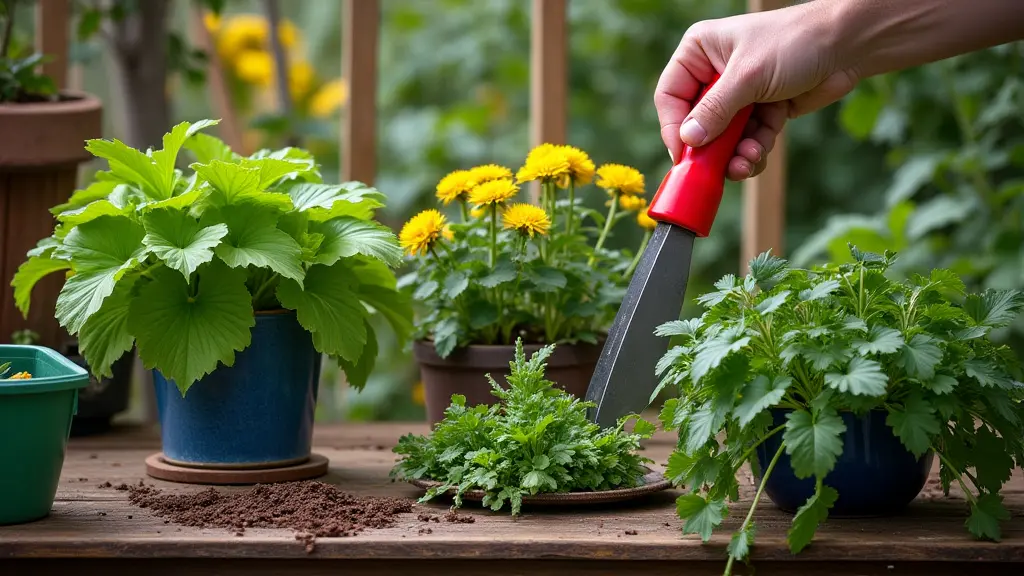
Remember that time you tried to plant a rose bush with a flimsy trowel? The handle snapped, and you ended up with dirt everywhere. Frustrating, right? Choosing the right gardening tools NZ can transform your gardening experience from a struggle to a pleasure. This post will help you sort through the essential tools, understand what to look for, and give you the knowledge to pick tools that fit your needs and budget. You’ll learn which tools are indispensable for your garden, ensuring you can efficiently and effectively care for your plants. Prepare to discover the secrets of garden success and equip yourself with the best gardening tools NZ has to offer.
Key Takeaways
- Discover essential gardening tools for every gardener.
- Learn about different types of tools and their uses.
- Understand the importance of tool quality and materials.
- Find tips on maintaining and storing your tools.
- Get advice on choosing the right tools for your specific needs.
- Explore where to find the best gardening tools in New Zealand.
Essential Gardening Tools for Beginners
Starting a garden can be exciting, but knowing where to start with tools can be tricky. This section breaks down the must-have tools for any beginner, explaining what they do and why they matter. From digging to weeding, we will help you build a solid foundation for a beautiful garden. Let’s make sure you have the right gear to begin and achieve the best results.
The Basic Tools Every Gardener Needs
Every gardener, whether they have a tiny balcony garden or a sprawling backyard, needs a core set of tools. These tools are the workhorses of gardening, helping you perform the most common tasks. Owning these essential items guarantees you’re ready to tackle almost any gardening challenge. You won’t believe how much easier your gardening projects become once you have the right stuff!
- Trowel: A small, handheld tool, perfect for digging small holes, transplanting seedlings, and scooping soil.
- Hand Rake: Used for smoothing soil, removing debris, and preparing seedbeds.
- Hand Fork: Ideal for loosening soil, weeding, and mixing in compost in smaller areas.
- Gardening Gloves: Protect your hands from dirt, thorns, and blisters.
- Watering Can or Hose: Essential for providing water to your plants.
A trowel is a small hand tool with a curved blade and a handle, typically made of metal or plastic. It’s used for digging small holes, transplanting seedlings, and scooping soil. Trowels are great for planting flowers, vegetables, and herbs in containers or garden beds. When picking one, consider the material and the handle’s feel. A good trowel should be sturdy and comfortable to hold. Choose stainless steel for better durability and rust resistance. The right trowel makes planting simple and helps your plants thrive.
A hand rake is a small gardening tool with a handle and several tines, resembling a miniature rake. It’s primarily used for smoothing soil surfaces, removing debris like leaves and small stones, and preparing seedbeds for planting. The hand rake is perfect for small-scale gardening tasks, such as tending to flower beds or vegetable patches. Quality hand rakes are usually made from steel or durable plastic and are lightweight, easy to handle, and efficient for leveling soil. This is the perfect tool to prepare your planting areas.
A hand fork is a small hand tool with three or four tines, designed for loosening soil, weeding, and mixing in compost or other amendments. It is useful for working in tight spaces and around plant roots, allowing you to improve soil aeration and nutrient distribution. Hand forks work well in garden beds, containers, and raised beds. Choose a fork made of strong, rust-resistant materials like stainless steel or coated steel. The ergonomic handle design makes this an excellent tool for many gardening tasks.
Gardening gloves are protective coverings for your hands, designed to shield them from dirt, thorns, and blisters while gardening. They come in various materials, including leather, synthetic fabrics, and rubber, each offering different levels of protection and breathability. These are important for comfort and safety. Choose gloves with a good fit and features like reinforced fingertips. Durable gloves with a good grip make gardening more enjoyable and less painful, protecting your hands from cuts, scrapes, and irritants.
A watering can or hose is essential for providing water to plants. Watering cans are great for watering individual plants or small areas, and hoses are suitable for larger gardens and lawns. Watering cans come in many sizes and materials, with features like a rose head for gentle watering. Choose a hose that’s long enough to reach all areas of your garden. Consider features like a spray nozzle with different settings. Proper watering ensures your plants get the moisture they need to grow and flourish.
Choosing Quality Materials
The material of your gardening tools NZ impacts their durability and performance. Opting for quality materials saves you time and money. Look for tools made from stainless steel, carbon steel, and durable plastics. These materials offer the best combination of strength, rust resistance, and longevity.
- Stainless Steel: Known for its rust resistance and durability.
- Carbon Steel: Strong and can be sharpened but may require more maintenance.
- Wood Handles: Provide a comfortable grip and can absorb shock.
- Plastic Handles: Lightweight and weather-resistant.
Stainless steel is a type of steel containing chromium. The chromium creates a passive layer on the metal’s surface that protects it from corrosion and rust. This makes stainless steel tools long-lasting and suitable for outdoor use. They’re often slightly more expensive but provide long-term value. Tools made of stainless steel also tend to be easy to clean. Look for stainless steel in trowels, forks, and other digging tools.
Carbon steel is a strong and durable material. It has a high carbon content, making the tools easy to sharpen, but more susceptible to rust. Tools made of carbon steel often need regular cleaning and oiling to prevent corrosion. These tools are a good choice if you’re prepared to put in a little extra care. Carbon steel is a common material for hoes, spades, and other heavy-duty gardening tools.
Wood handles are often used on tools like spades and rakes because of their natural grip and ability to absorb shock. Wood handles are typically made from hardwoods such as ash or hickory. They are durable, strong, and provide a comfortable feel while gardening. Make sure that they are sealed to protect them from moisture and weather damage. Proper maintenance, such as occasional oiling, extends the life of wooden handles.
Plastic handles are a popular choice for their lightweight and weather-resistant qualities. They are resistant to rust and can withstand the elements. Plastic handles are often found on watering cans and some hand tools. They are easy to clean and maintain, providing a convenient option for gardeners. These handles are an excellent alternative to traditional wood handles.
Essential Safety Tips for Gardeners
Safety is key when handling gardening tools NZ. Always wear appropriate protective gear, such as gloves and eye protection, and be careful when using sharp tools. Proper storage and maintenance help keep your tools in good condition and help prevent accidents. Following these simple steps will ensure a safe and enjoyable gardening experience.
- Wear Protective Gear: Use gloves, eye protection, and sturdy footwear.
- Handle Sharp Tools Carefully: Always cut away from your body.
- Store Tools Properly: Keep tools in a dry, safe place.
- Regular Maintenance: Clean and sharpen tools after use.
Wear protective gear: Use gloves to protect your hands from cuts, blisters, and dirt. Eye protection is important to prevent debris from getting into your eyes, especially when using tools that can throw up soil or small particles. Wearing sturdy footwear helps guard your feet from sharp objects and provides good support while working in the garden.
Handle sharp tools carefully: Always cut away from your body to reduce the risk of injury. Keep a close eye on the people around you and let them know you’re using sharp tools. Be sure to check the tools for damage before you use them. When carrying tools, always hold them with the blades or points facing down to prevent accidents.
Store tools properly: After each use, clean and dry your tools. Store them in a dry location, such as a shed or a garage, to prevent rust and damage. Use tool racks or wall hooks to keep tools organized and out of the way. Storing them in an accessible location makes it easier to find what you need when you need it.
Regular maintenance: Cleaning your tools after each use is vital. Remove dirt and debris with a brush or a damp cloth. Sharpen cutting tools like pruners and shears regularly to ensure they work efficiently and safely. A well-maintained tool is safer and lasts longer. Oiling metal parts after cleaning helps prevent rust and keeps them operating smoothly.
Choosing the Right Gardening Tools NZ for Your Garden
The type of garden you have impacts the tools you need. Whether you have a small balcony garden or a large backyard, this section will guide you in choosing the tools that best match your space and gardening goals. Learn how to identify the right gardening tools NZ to help you be successful.
Tools for Different Garden Types
Different types of gardens require different tools. For a small urban space, compact tools might be best, while larger gardens might require more extensive equipment. Selecting the right tools for your specific garden ensures that you’re prepared for the tasks at hand.
- Small Gardens: Hand tools, small watering cans, and a kneeler.
- Vegetable Gardens: Hoes, cultivators, and garden forks.
- Flower Beds: Pruners, shears, and trowels.
- Large Gardens: Spades, rakes, wheelbarrows, and perhaps a lawnmower.
For small gardens, hand tools, small watering cans, and a kneeler are usually sufficient. Hand tools, like trowels and hand forks, are perfect for working in tight spaces. A small watering can is great for watering individual plants, and a kneeler makes gardening more comfortable. Choosing compact and space-saving tools will help you maximize your small gardening area.
Vegetable gardens often require hoes for weeding, cultivators for breaking up soil, and garden forks for turning compost and soil. You might also want a good watering system, like a hose with a spray nozzle or a soaker hose. Investing in these tools will make your vegetable gardening more efficient and rewarding, allowing you to easily maintain your vegetable garden.
Flower beds need specialized tools such as pruners for trimming, shears for shaping plants, and trowels for planting and transplanting flowers. A good watering system and a comfortable kneeling pad can be very helpful. These tools help you to create and maintain beautiful flower beds throughout the season.
Large gardens often require tools like spades for digging, rakes for leveling, wheelbarrows for moving materials, and potentially a lawnmower for lawn care. A garden cart can make transporting plants and supplies much easier. Having the right equipment ensures that you can handle all aspects of maintaining a bigger garden.
Considering Your Gardening Goals
Think about what you want to achieve in your garden. Are you growing vegetables, flowers, or a mix of both? This will influence the tools you need. By considering your gardening goals, you can select tools that directly support your gardening efforts.
- Vegetable Gardening: Focus on tools that help with soil preparation, planting, and harvesting.
- Flower Gardening: Invest in tools for pruning, shaping, and deadheading.
- Lawn Care: Prioritize tools for mowing, edging, and aeration.
If you’re focused on vegetable gardening, concentrate on tools that help with soil preparation, planting, and harvesting. A hoe, a garden fork, and a trowel are vital for working the soil. A harvesting knife or clippers will be valuable for picking your crops. Having the correct tools makes it easier to nurture and care for your vegetable garden.
If you’re into flower gardening, you’ll need tools for pruning, shaping, and deadheading. Pruners and shears are essential for keeping your plants looking their best. A hand fork and trowel are useful for planting and transplanting flowers. The correct tools will help you to create a beautiful and well-maintained flower garden.
For lawn care, you’ll prioritize tools for mowing, edging, and aeration. A lawnmower is essential for keeping your grass tidy, and an edger can give your lawn a crisp, clean border. An aerator can help to improve soil health and promote healthy grass growth. The correct lawn care tools keep your lawn healthy and looking its best.
Tools for Different Gardening Tasks
Different tasks in your garden require different tools. Here are some of the tasks and the tools that best assist you.
- Digging: Spades, shovels, and trowels.
- Weeding: Hoes, weed pullers, and hand forks.
- Pruning: Pruners, loppers, and shears.
- Watering: Watering cans, hoses, and sprinklers.
Digging tasks require tools like spades, shovels, and trowels. Spades are used for cutting through soil and turning it over. Shovels are used for moving large amounts of soil or other materials. Trowels are used for smaller tasks like planting or digging small holes.
Weeding requires hoes, weed pullers, and hand forks. Hoes are great for removing weeds quickly and easily. Weed pullers help to remove weeds with deep roots. Hand forks are useful for loosening the soil around plants and pulling weeds out.
For pruning, you’ll need pruners, loppers, and shears. Pruners are used for cutting smaller branches, while loppers can be used for cutting larger branches. Shears are great for shaping hedges and other plants.
Watering requires tools like watering cans, hoses, and sprinklers. Watering cans are perfect for watering individual plants or small areas. Hoses and sprinklers are great for watering larger areas like lawns or garden beds.
Where to Buy Gardening Tools NZ
Choosing where to buy your gardening tools NZ matters. You can find gardening tools at various retailers, from large hardware stores to local garden centers. Here are some choices and tips to ensure you make the right purchases.
Major Retailers and Garden Centers
Major retailers, like Bunnings Warehouse and Mitre 10, typically offer a wide selection of gardening tools NZ. Local garden centers can offer more specialized advice and products. These sources provide various choices, competitive prices, and convenient locations.
- Bunnings Warehouse: Offers a broad range of tools at competitive prices.
- Mitre 10: Provides a good selection and often has specials and deals.
- Local Garden Centers: May offer more specialized tools and expert advice.
Bunnings Warehouse is a popular choice for many gardeners due to its wide selection of tools and competitive prices. You can find everything from basic hand tools to power tools and garden equipment. Bunnings typically has good deals, and their stores are located throughout New Zealand, making them very accessible.
Mitre 10 is another great option. They offer a good range of gardening tools NZ and often have specials and deals. They also have a wide network of stores across the country. Plus, the staff are usually knowledgeable and ready to help you.
Local garden centers often offer more specialized tools and expert advice. They may carry a selection of tools designed for particular gardening tasks or plant types. The staff are also likely to provide valuable insights and tips on choosing the right tools for your specific needs.
Online Shopping and Specialty Stores
Online shopping and specialty stores offer a great alternative. Online retailers provide a broad selection and allow you to compare prices easily. Specialty stores are ideal for finding specific tools or unique equipment. These options provide convenience, variety, and potentially better prices.
- Online Retailers: Offer a wide selection and convenient shopping.
- Specialty Stores: Focus on specific tools or brands.
- Used Tools and Markets: Can provide great deals on quality tools.
Online retailers, such as those that sell through Amazon or directly, provide an easy way to shop from home. You can often find a wider selection than in physical stores and compare prices easily. They often have customer reviews that can help you gauge the quality and performance of tools. The convenience of shopping from home makes online retailers a favorite.
Specialty stores are a superb choice if you’re searching for specific tools or brands. These stores often focus on particular tools, such as professional-grade pruners or specialized soil-testing equipment. You’re more likely to find experts who can offer customized advice and help you pick the right tools for your specific gardening needs.
Used tools and markets can sometimes provide great deals on quality tools. Check local marketplaces or garage sales for used tools that are in good condition. You can get quality tools at lower prices. This is a great way to save money and find unique tools that may not be available in regular retail settings.
Comparing Prices and Brands
When selecting your gardening tools NZ, comparing prices and brands is crucial. Check different retailers to ensure you’re getting the best value. Consider the quality and features of each tool before making your final decision. By doing your research, you can select tools that fit your budget and gardening needs.
- Compare Prices: Check multiple retailers for the best deals.
- Research Brands: Look for brands with good reviews and reputations.
- Read Reviews: See what other gardeners say about the tools.
Compare prices at several retailers to make certain you get the best deal. Look for sales and promotions to save money. Online comparison tools help make this easier. Taking time to shop around guarantees you get the best value for your money.
Research brands before you purchase. Look for brands with good reviews and reputations in the gardening community. Look at the materials, construction quality, and features each brand offers. Understanding the brand’s reputation helps you make a more informed choice.
Read reviews to learn from the experiences of other gardeners. See what people say about the tool’s durability, ease of use, and overall performance. Reviews provide real-world insights that can assist you in making the right choice.
Maintaining and Storing Your Gardening Tools
Keeping your gardening tools NZ in good condition extends their life and helps them work better. This section covers cleaning, sharpening, and proper storage. Good maintenance prevents rust, ensures your tools are always ready for action, and protects your investment.
Cleaning and Sharpening Your Tools
Regular cleaning and sharpening are key to maintaining your tools. Soil, sap, and other debris can dull blades and corrode metal. Proper maintenance ensures your tools perform well and last longer. The right care helps to keep your tools in excellent condition.
- Cleaning Tools: Remove dirt and debris after each use.
- Sharpening Blades: Keep cutting edges sharp for efficient use.
- Oiling Metal Parts: Prevents rust and corrosion.
Cleaning tools should be done after each use. Remove dirt, soil, and plant debris immediately after you’re done. This prevents build-up and makes it easier to clean. Use a brush or cloth to remove debris. Clean tools are more effective and last longer.
Sharpening blades is essential for keeping cutting tools sharp and efficient. Dull blades require more force and can be dangerous. Use a file or sharpening tool designed for your tool. Sharpen regularly to maintain cutting performance.
Oiling metal parts prevents rust and corrosion. After cleaning and sharpening, apply a light coat of oil to metal blades and moving parts. Use a rust inhibitor to protect tools from damage. This is a must for ensuring the long life of your tools.
Proper Storage Techniques
Storing your tools correctly is as important as cleaning and sharpening them. Protect your tools from the weather and potential damage. A proper storage system keeps your tools organized, accessible, and ready for use when you need them.
- Storing Tools Indoors: Protect tools from the elements.
- Using Tool Racks and Hangers: Keep tools organized and accessible.
- Storing in a Dry Place: Prevents rust and corrosion.
Storing tools indoors protects them from the elements. Avoid leaving tools outdoors where they can be exposed to rain and sun, which can cause rust and degrade materials. Storing your tools in a shed, garage, or storage room will greatly extend their life.
Using tool racks and hangers will keep your tools organized and accessible. This can save you time and make gardening easier. Mount tool racks and hangers on a wall. This provides efficient and neat storage solutions.
Storing in a dry place helps prevent rust and corrosion. Moisture is a tool’s worst enemy. Ensure your storage area is dry and well-ventilated. A dry environment preserves tools and protects your investment.
Frequently Asked Questions
Question: What are the must-have gardening tools for beginners?
Answer: Beginners should start with a trowel, hand rake, hand fork, gardening gloves, and a watering can or hose.
Question: How do I choose the right size gardening tools for my garden?
Answer: Consider the size of your garden and the tasks you will be performing. Smaller gardens need compact tools, while larger gardens may require more extensive equipment.
Question: How do I maintain and sharpen gardening tools?
Answer: Clean tools after each use to remove dirt and debris. Sharpen cutting tools regularly using a file or sharpening tool, and oil metal parts to prevent rust.
Question: What materials are best for gardening tools?
Answer: Look for tools made from stainless steel, carbon steel, and durable plastic for the best combination of strength, rust resistance, and longevity.
Question: Where is the best place to buy gardening tools in New Zealand?
Answer: Major retailers like Bunnings Warehouse and Mitre 10 offer a wide selection. Local garden centers provide specialized tools and advice. Online retailers are another convenient option.
Final Thoughts
Selecting the right gardening tools NZ is the first step towards a thriving garden. By choosing the tools that fit your needs, garden size, and gardening goals, you’re setting yourself up for success. Remember, quality tools are an investment. Prioritize durability and performance when making your choices. Regular maintenance will keep your tools in excellent condition, ready for any gardening challenge. Take the time to explore the tools that are a good fit for you. With the right tools and a bit of care, you’ll be well on your way to a beautiful and bountiful garden. So, gather your tools, get outside, and start growing!