
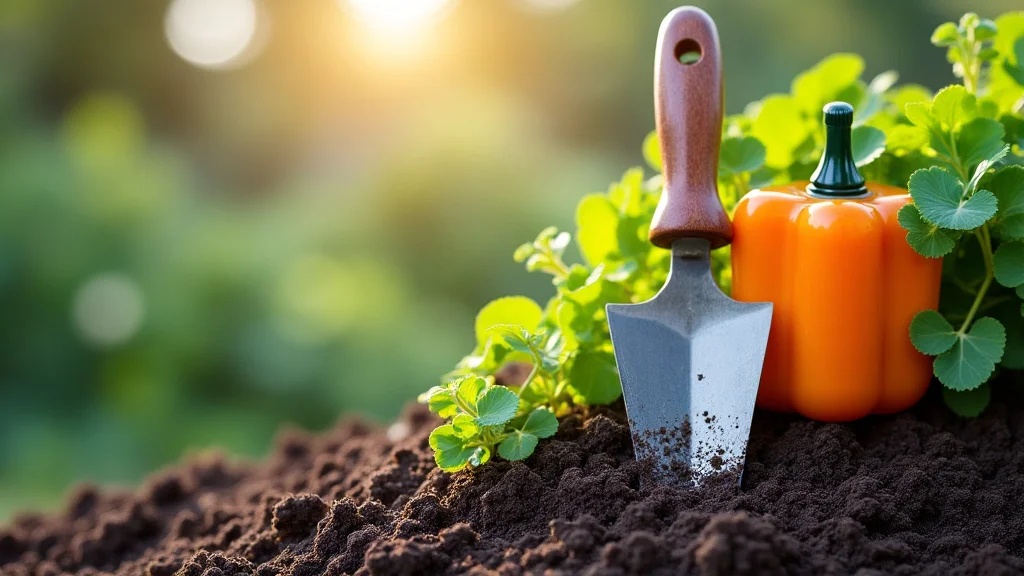
Remember that time you tried to plant a rose bush with a flimsy trowel that bent in half? Or the frustration of struggling with a dull pruning shear? We’ve all been there! Choosing the right gardening tools can make the difference between a joyful gardening experience and a frustrating battle. This guide explores the essential things you should look for in gardening tools, helping you select equipment that’s durable, comfortable, and suited to your specific gardening needs. You’ll learn how to choose the best tools for your garden’s tasks, making your gardening efforts more efficient and enjoyable. Get ready to cultivate your green thumb with the right equipment!
Key Takeaways
- Choosing durable, high-quality tools is essential for long-term gardening success.
- Understanding the different types of tools available helps you select the right ones for your garden.
- Comfort and ergonomics play a significant role in preventing strain and making gardening easier.
- Considering the materials used in tool construction impacts their lifespan and performance.
- Proper tool maintenance is crucial to keeping your equipment in top condition.
- The right tools can significantly enhance the efficiency and enjoyment of your gardening tasks.
Choosing the Right Tools for Your Garden
Selecting the right equipment is the first step toward a flourishing garden. Many options exist, from basic hand tools to specialized equipment. The right choices depend on the size and type of your garden, the plants you intend to grow, and the tasks you’ll be performing. You’ll need to consider several factors, from the materials used in construction to the overall design. When choosing equipment, think about your gardening style and the specific challenges your garden presents. Investing in quality equipment will save you money and time in the long run.
Types of Gardening Tools: A Comprehensive Guide
Gardening requires a range of tools to handle different tasks. These range from basic hand tools, suitable for small spaces, to larger tools designed for more significant work. Knowing the different types of tools available lets you choose the right ones for your garden’s needs. From digging and planting to pruning and weeding, each tool has a specific purpose. Recognizing these purposes will help you assemble a comprehensive set that helps you maintain your plants and the beauty of your garden. Let’s look at some important tool types.
- Hand Tools: These are typically smaller and used for close-up work.
- Digging Tools: These tools are important for moving larger amounts of soil.
- Pruning Tools: These are essential for keeping plants healthy and shaped.
- Watering Equipment: Proper watering is critical for plant health.
Hand tools are essential for many tasks in the garden, like planting, weeding, and transplanting small plants. Trowels, for example, are perfect for digging small holes for seedlings or bulbs. Hand rakes are great for smoothing soil and removing small debris. Weeding tools, like hand hoes and weeding forks, help remove unwanted plants. Choosing durable hand tools that fit comfortably in your hands will make these tasks easier and more enjoyable. Look for tools made from strong materials that won’t bend or break easily during use. The size and shape of the handles will also impact how comfortable the tools are to use. Make your selections with care.
Shovels and spades are the main digging tools. A shovel is generally used for moving loose materials, such as soil or compost, while a spade is used for digging and turning over soil. The shape and size of the blade vary, depending on the job. For example, a round-pointed shovel is good for general digging, and a square-pointed shovel is useful for moving bulk materials. Make sure to choose digging tools with strong handles and blades to avoid bending or breaking. The length of the handle is important too, ensuring the tool is easy to use and doesn’t cause back strain. Consider the size of your garden and the type of soil when making your choice.
Pruning tools come in several forms, including pruning shears, loppers, and pruning saws. Pruning shears are ideal for cutting smaller branches and stems, while loppers can cut thicker branches. Pruning saws are used for the biggest branches. Good-quality pruning tools should have sharp blades that make clean cuts, preventing damage to the plant. It’s important to choose tools that fit your hand comfortably, allowing you to get the best leverage and control. Consider the types of plants you will be pruning, such as shrubs, trees, or flowers, when selecting pruning tools, as the size and type of tool can make a big difference in how well it performs.
Watering equipment ranges from watering cans to hoses and sprinklers. Watering cans are great for watering small areas or individual plants, while hoses and sprinklers are better for larger gardens. When choosing watering equipment, consider factors like the water pressure in your area, the size of your garden, and the types of plants you have. Consider the hose diameter and length; make sure it is long enough to reach all areas of your garden. Sprinkler options include oscillating, rotating, and soaker hoses. These choices will help you water your plants properly, promoting healthy growth. Invest in high-quality items to help extend the life of your equipment.
Materials and Construction: Quality Matters
The materials used in building your gardening tools greatly impact their durability and effectiveness. The choice of materials affects how long your tools will last, how well they perform, and even how comfortable they are to use. You’ll want to consider the blades, handles, and any other components of your equipment. It is important to know the characteristics of different materials to make informed choices that fit your gardening style. High-quality tools are an investment that pays off over time, making gardening tasks more manageable.
- Blade Materials: Steel and stainless steel are common blade materials.
- Handle Materials: Wood, fiberglass, and metal are popular handle options.
- Tool Joints: Solid connections increase tool longevity.
Steel blades are strong and can hold a sharp edge, making them great for digging, cutting, and other heavy-duty tasks. Stainless steel, on the other hand, is rust-resistant, making it ideal for tools that come into contact with water and soil often. Look for blades that are properly tempered and hardened for maximum durability and edge retention. This means the metal has been heated and cooled in a specific way to increase its strength and resistance to wear. Consider the types of tasks you’ll be doing and the amount of maintenance you’re willing to do. If rust is a big concern, stainless steel is a better choice. If you need a strong, hard-wearing blade, steel will be your best option.
Wooden handles are traditional, comfortable to grip, and absorb shock well. However, they require some maintenance to prevent cracking or splintering. Fiberglass handles are strong, lightweight, and weather-resistant, making them a great choice for all-weather use. Metal handles, often made of steel or aluminum, are extremely durable but can get cold in the winter. Choose a handle material that feels good in your hand and suits your gardening needs. Some tools also come with handles that have ergonomic grips or cushioning to reduce strain and increase comfort. The right handle material makes gardening tasks easier and reduces fatigue.
Tool joints refer to how the blade is connected to the handle or how different parts of the tool are joined. Solid connections are important because they prevent the tool from breaking or becoming loose during use. Look for tools where the blade and handle are securely fastened, usually with rivets, welds, or through a strong, tight-fitting socket. Avoid tools with joints that look weak or feel wobbly. Inspect these connections carefully when choosing your tools, and make sure that they are made from high-quality materials, such as hardened steel or reinforced plastics, for long life. Well-made joints make your equipment last for many seasons of gardening.
Ergonomics and Comfort: Gardening Without Strain
Gardening can be a physically demanding activity. Therefore, the design and ergonomics of your tools play a big role in your comfort and ability to work efficiently. Ergonomic tools are designed to reduce strain on your body, preventing muscle fatigue and discomfort. Considering how your gardening tools fit your hand, the weight, and the overall design will make a huge difference in your gardening experience. You will be able to garden for longer periods, with less effort and fewer aches.
Handle Design and Grip: Making Gardening Easier
The shape, size, and material of a handle directly affect how comfortable a tool is to use. The right handle can reduce strain on your wrists, hands, and back. Think about what feels best in your hand and fits your style of gardening. Investing in ergonomic designs can lead to a more enjoyable experience.
- Handle Shapes: Consider D-grips, T-grips, and straight handles.
- Grip Materials: Rubber, plastic, and cushioned grips improve comfort.
- Handle Length and Tool Weight: Match them to your body.
D-grips are good for shovels and spades, providing a comfortable place to hold and apply force. They’re useful for digging and moving soil. T-grips are often found on hand tools like cultivators and hoes, giving you better control and a good grip for pulling or pushing. Straight handles are common on hand tools like trowels and weeding knives. The best handle shape depends on how you use the tool and your personal preferences. Try holding different tools to see which feels most comfortable and gives you the best control. Consider the handle length to help get the proper leverage for your gardening tasks.
Grip materials can make a big difference in how comfortable your tools are to use. Rubber and plastic grips can offer a better hold, preventing your hands from slipping, especially when wet. Cushioned grips reduce pressure on your hands, helping to prevent blisters and fatigue. Look for grips made of non-slip materials, and choose ones that feel comfortable in your hand. Consider the type of gardening tasks you’ll be doing. Rubber and plastic grips are useful in wet conditions, while cushioned grips are a good choice if you’ll be working for long periods. Having the right grip materials improves your gardening experience.
Handle length impacts your posture and how much effort is needed to use a tool. A handle that’s too short can cause you to bend over excessively, which can strain your back. A handle that’s too long may make the tool unwieldy and hard to control. The weight of the tool also plays a role. Heavier tools are harder to lift and use for extended periods, leading to fatigue. When choosing tools, consider your height and physical strength. Try out different tool lengths and weights to see what feels comfortable and easy to use. Ensure you can stand up straight when using the tool, and choose one that you can lift and maneuver without too much effort.
Weight and Balance: Enhancing Performance
The weight and balance of a tool affect how easy it is to use. A well-balanced tool feels lighter and requires less effort to control. The distribution of weight between the blade and handle is crucial for ease of use. This section will help you understand how to choose tools that are not only comfortable but also make gardening tasks much easier.
- Tool Weight: Lighter tools reduce strain, heavier tools increase force.
- Balance: Properly balanced tools make tasks smoother.
- Ergonomic Design: Design reduces strain and improves control.
Lighter tools are easier to lift, swing, and maneuver, leading to less fatigue, especially during longer gardening sessions. This is very important for hand tools, like trowels and cultivators. Heavier tools might be good for tasks that require more force, like digging or chopping through roots, but they can be tiring to use. Consider your physical strength and the tasks you plan to do when choosing the weight of your equipment. For example, if you have a lot of digging to do, a slightly heavier shovel might be helpful. But for weeding or planting, lighter tools are likely to be a better choice.
A balanced tool feels good in your hand and makes it easier to control. The balance point is where the tool feels the most stable when held. In a well-balanced tool, the weight is distributed between the blade and the handle in a way that provides good control. With hand tools, this balance helps you direct the tool where you want it. In larger tools, like shovels and hoes, good balance allows you to move soil or weed with less effort. When selecting tools, hold them to see how they feel in your hand. Look for equipment where the weight feels evenly distributed, which will improve your overall performance.
Ergonomic designs focus on reducing strain on your body. These may include curved handles, angled blades, or grips shaped to fit the hand. Such designs let you work longer without getting tired, and they help you maintain good posture. Curved handles on pruning shears, for instance, can reduce wrist strain. Angled blades on hoes can make it easier to reach and remove weeds. When selecting tools, look for those with ergonomic features. These small design details can make a big difference in your comfort and your ability to garden efficiently. Investing in ergonomic tools is an investment in your well-being while you are in the garden.
Maintenance and Care: Extending Tool Lifespan
Proper maintenance is important to keep your gardening tools in top condition. Regular care will help them last for many years and ensures they work effectively. From cleaning to sharpening, these maintenance tasks are easy to do and make a big difference. Taking care of your equipment will save money and make your gardening tasks more enjoyable. Here’s a look at the routine care needed to keep your tools in excellent working order.
Cleaning and Storage: Keeping Your Tools Ready
Cleaning your tools after each use helps prevent rust, corrosion, and the spread of diseases. Proper storage is also important for keeping your tools protected. Regular maintenance will improve their lifespan. These simple steps can make a big difference in the performance and longevity of your tools.
- Cleaning Tools After Use: Remove soil and debris.
- Sharpening Cutting Edges: Keep blades sharp for clean cuts.
- Proper Storage Practices: Storing tools safely prevents damage.
After each use, take a few minutes to clean your tools. This is a very important step in maintaining the condition of your equipment. Use a brush or cloth to remove soil, plant debris, and any other materials that have accumulated. For digging tools, a simple rinse with water can remove caked-on dirt. For pruning tools, clean the blades with a disinfectant to prevent the spread of diseases between plants. Make sure your tools are dry before storing them, as moisture can cause rust. This will help them stay in good condition and ready for the next gardening session. Cleaning will keep your tools in top shape and ready to use.
Sharp blades are essential for clean cuts, whether for pruning, trimming, or digging. Blunt blades can damage plants, making them more susceptible to disease. The process includes removing any nicks, rust, or dullness from the edges, restoring them to their original sharpness. Tools like pruning shears, loppers, and knives should be sharpened regularly. You can use a file, whetstone, or a sharpening tool. Make sure to sharpen at the correct angle. Once sharpened, your tools will cut more effectively and with less effort, making your gardening work much more efficient. Check your tools’ blades regularly and sharpen them as needed.
The best place to keep your tools is somewhere clean, dry, and away from direct sunlight and extreme temperatures. A garden shed or garage is often a good choice. Hang tools, if possible, to keep blades off the ground and prevent them from rusting or getting damaged. If you don’t have a shed, consider using a tool rack or a covered container. Protect the blades of sharp tools with covers or sheaths. To prevent rust, apply a thin coat of oil to metal blades. By following these steps, you can prolong the life of your tools, saving you money and making them safer to use. Good storage means your tools are ready to go when you need them.
Rust Prevention and Lubrication: Protecting Your Investment
Rust and corrosion can significantly reduce the lifespan of your equipment. Taking simple steps to prevent rust and keeping your tools lubricated will ensure your equipment lasts for years. This will also ensure they operate smoothly. These practices not only maintain the appearance of your tools but also safeguard your investment.
- Rust Prevention: Protect metal parts from moisture.
- Lubrication: Lubricate moving parts for smooth operation.
- Handle Care: Maintain handles for safety and longevity.
Rust can damage metal tools and make them less effective. The main cause of rust is moisture, so keeping your tools dry is the most important step in preventing it. After cleaning your tools, dry them thoroughly before storing them. Consider applying a rust-inhibiting spray or oil to the metal parts of your tools. Store your tools in a place where they are not exposed to moisture, like a shed, garage, or tool cabinet. Regularly inspect your tools for any signs of rust. If you find any, remove it immediately with a wire brush or fine steel wool, and then apply a rust-inhibiting treatment. This helps to protect your tools and keeps them in good condition for the future.
Lubricating moving parts ensures that tools operate smoothly and efficiently. Many gardening tools, especially pruning shears and loppers, have hinges and joints that can become stiff over time. Apply a light oil, such as a lubricating oil or silicone spray, to the moving parts. This helps to reduce friction and prevents rust. Lubricating also makes the tool easier to use. Apply the lubricant regularly, especially before storing your tools for a long period, and after cleaning. This will maintain the condition of your equipment, improving its performance and extending its lifespan. Lubrication helps to ensure smooth operation and ease of use.
Handles play an important role in the safe and effective use of gardening tools. Wooden handles may need special attention to prevent cracking, splintering, or drying out. To maintain wooden handles, rub them with a wood preservative or oil. Fiberglass or metal handles usually require less maintenance, but you should check them for any damage, like cracks or loose connections. Replace any damaged or worn handles to keep your tools safe. Regular handle maintenance will extend the life of your equipment. It also ensures your equipment is comfortable and safe to use. Take good care of your handles, and your tools will provide excellent service.
Choosing the Right Tools for Your Gardening Tasks
Selecting the right equipment for your specific needs is very important to get the most out of your gardening. The type of equipment you need can depend on the type of garden you have. Whether you’re growing vegetables, flowers, or maintaining a lawn, understanding your specific needs can help you select the best tools. You’ll also want to consider the size and scale of your garden, along with your personal preferences and physical abilities. With the right tools, your gardening tasks will be more enjoyable and productive.
Tools for Different Gardening Activities
The equipment you need changes based on what you are doing in your garden. Certain tools are perfect for planting, while others are better for pruning, weeding, or watering. Knowing which tools are best suited to each task makes gardening more efficient. This will save you time and energy, allowing you to enjoy your garden to the fullest.
- Planting and Transplanting: Trowels, trowel spades, and dibbers are great.
- Weeding and Cultivating: Hoes, cultivators, and weeding forks are helpful.
- Pruning and Trimming: Pruning shears, loppers, and pruning saws are very important.
Planting tools are specifically designed to make planting easier and more accurate. Trowels are excellent for digging small holes for seedlings, bulbs, and flowers, while trowel spades can handle a little more work. Dibbers are great for making neat holes, allowing for precise placement of seeds or small plants. When choosing planting tools, consider the size of the plants and the type of soil. Make sure the tools are comfortable to hold and easy to maneuver. Good planting tools help to ensure your plants are well-placed, giving them the best start. They also make planting quicker and more fun.
Weeding tools are designed to remove unwanted plants from your garden. Hoes are excellent for cutting weeds at the soil surface, while cultivators help loosen the soil and remove weeds in between plants. Weeding forks are effective for pulling weeds and roots. The choice of tool depends on the type of weeds and the size of your garden. A long-handled hoe is great for larger areas, letting you work standing up and preventing back strain. Small hand tools, like a hand fork, are great for precise weeding. By using the right weeding equipment, you can keep your garden tidy and healthy with less effort. Consider the scale of your weeding job and your soil when selecting your equipment.
Pruning and trimming tools are used to keep plants healthy, shape them, and promote growth. Pruning shears are used for smaller branches, while loppers are for thicker branches. Pruning saws are used for large branches or removing entire limbs. When selecting these tools, consider the size and type of the plants you are working on. Sharp blades are very important, as they make clean cuts. This reduces the risk of diseases. Choose tools with comfortable handles, ensuring you can work safely and efficiently. By having the right pruning tools, you can ensure that your plants remain healthy and visually appealing.
Considering Garden Size and Type
The size and type of your garden will influence the tools you need. A small urban garden will need different equipment than a large vegetable farm. Understanding your garden’s characteristics ensures you select equipment that makes the gardening tasks easier and more efficient. The right tools fit your garden’s requirements, making gardening more enjoyable.
- Small Gardens: Hand tools and compact tools are best.
- Large Gardens: You need tools for different tasks.
- Vegetable Gardens: Specific tools make the job easier.
If you have a small garden, choose tools that are compact and easy to store. Hand tools like trowels, hand rakes, and small pruning shears are perfect for small spaces. Watering cans or small hoses are fine. Consider tools that have a multi-purpose design. For example, a hand trowel that has measurements marked on the blade, or a small cultivator that can also be used as a weeder. The goal is to maximize storage space while still having the equipment you need. With a small garden, it’s easier to move around, so light, easy-to-manage tools will be a better choice.
Large gardens often require a greater variety of tools to manage larger areas, varied plants, and more complex tasks. You may require larger digging tools, like a full-sized shovel and spade, along with a larger rake and hoe. You will also need larger pruning tools, such as loppers and pruning saws, or even a pole saw for reaching high branches. If you have a large lawn or extensive plant beds, you may also need a long hose, sprinklers, or an irrigation system to provide proper water coverage. Consider investing in a wheelbarrow to help transport materials around the garden. When you select equipment for a large garden, you can make your gardening more efficient and take care of your plants effectively.
Vegetable gardens require specific tools that help with planting, weeding, and harvesting. You might need a wheelbarrow to carry soil, compost, and harvested crops. A garden hoe and hand cultivator are essential for removing weeds. A dibber is handy for making holes for transplanting seedlings or planting seeds. Consider adding a garden fork for turning over soil. For harvesting, you’ll need pruning shears to cut vegetables and a harvest basket. Having these tools will help you to create a thriving vegetable garden.
Frequently Asked Questions
Question: What’s the difference between a trowel and a trowel spade?
Answer: A trowel is smaller and used for digging small holes for seedlings. A trowel spade has a wider blade and can handle more soil, making it great for transplanting and moving larger amounts of earth.
Question: Why should I choose stainless steel over steel blades?
Answer: Stainless steel is rust-resistant and is perfect for tools that are frequently exposed to water and soil. Steel blades are very strong and can hold a sharp edge well, making them great for heavy-duty tasks.
Question: How often should I sharpen my pruning shears?
Answer: You should sharpen your pruning shears as needed, usually after every few uses or when you notice that the cuts are no longer clean. The exact frequency depends on the use and the types of plants you’re pruning.
Question: Can I use any oil to lubricate my pruning shears?
Answer: No, you should use a light lubricating oil or a silicone spray to lubricate your pruning shears. Avoid thick oils that may attract dirt and debris.
Question: How do I choose the right handle length?
Answer: The right handle length depends on your height and the type of tool. When using a tool, you should be able to stand upright and maintain good posture. Try holding different tools to see what feels comfortable and ensures you can use the tool effectively.
Final Thoughts
Choosing the correct gardening tools is a critical step for all gardeners, whether you’re a beginner or an experienced enthusiast. Remember to consider your garden’s size, your planting needs, and your personal comfort when picking your equipment. Evaluate the materials, design, and ergonomics of each tool, prioritizing quality and functionality. Taking time to maintain your tools is an important part of extending their lifespan. Prioritize tools that are well-constructed, easy to use, and suited to your gardening style. By investing in the right equipment and caring for it, you’ll create a gardening experience that’s not just productive but also enjoyable. So, get out there, explore the world of gardening tools, and start growing your dream garden!