
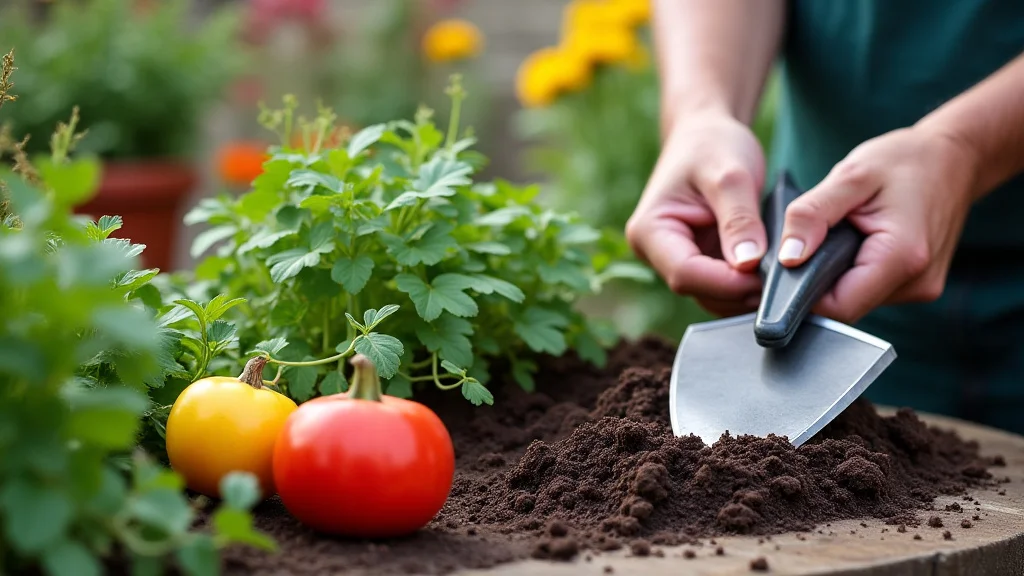
Remember that time your neighbor, bless her heart, tried to prune her rose bushes with a butter knife? We’ve all been there, staring at a overgrown garden, dreaming of a lush landscape but feeling completely unprepared. Having the right gardening tools kit can transform you from a gardening novice to a confident cultivator. This guide will walk you through everything you need to know about selecting the perfect tools to cultivate your green space and enjoy the fruits (and veggies!) of your labor. You’ll learn about different types of tools, what to look for in terms of quality and durability, and how to create a gardening tools kit that suits your specific needs. Get ready to transform your garden!
Key Takeaways
- Discover the essential tools every gardener needs for basic tasks.
- Learn how to choose high-quality tools that will last for years.
- Understand the different types of tools and their specific purposes.
- Find out how to care for your tools to extend their lifespan.
- Learn the benefits of a well-organized and efficient gardening tools kit.
- Discover how to choose the best kit based on your garden’s needs and size.
Essential Tools for Every Gardener
Every gardener, from the beginner with a small balcony garden to the seasoned professional with acres to tend, needs a core set of tools. These are the workhorses of any gardening tools kit, the foundation upon which all gardening success is built. Choosing these tools wisely will save you time, effort, and frustration. Think of it as investing in a relationship – you want tools that will be loyal and dependable through thick and thin (and lots of weeds!).
Hand Trowel and Hand Fork
The hand trowel and hand fork are your best friends for smaller tasks. The trowel is a small, scoop-shaped tool perfect for digging small holes for seedlings, transplanting plants, and scooping up soil. The hand fork, with its short tines, is ideal for loosening soil, removing small weeds, and working fertilizer into the ground. These tools are indispensable for any gardener, regardless of garden size. They’re excellent for getting up close and personal with your plants.
- Hand Trowel: This is a small, hand-held shovel. It’s used for digging small holes, transplanting seedlings, and scooping up soil. Look for a trowel with a sturdy blade and a comfortable handle. The blade material should be able to withstand regular use and the elements. Consider stainless steel for rust resistance.
- Hand Fork: This small, three- or four-pronged fork is perfect for breaking up soil, removing small weeds, and mixing in fertilizer. Select a hand fork with strong tines that won’t bend easily. A comfortable handle is essential, especially if you have a lot of weeding or soil work to do. Choose rust-resistant materials.
- Ergonomic Handles: Prioritize tools with ergonomic handles. These handles are designed to fit comfortably in your hand and reduce strain during use. Consider the material: wood offers a classic feel, while rubber or plastic can provide better grip. Proper grip helps to improve efficiency.
- Durable Materials: Opt for tools made from durable materials like stainless steel or carbon steel. These materials are resistant to rust and corrosion, extending the life of your tools. Look for a one-piece construction for added strength.
Hand Weeder
Weeds are the bane of every gardener’s existence. A good hand weeder is essential for removing weeds, especially those with long taproots. It allows you to get under the weeds and lift them out of the soil, roots and all, preventing them from returning. Many weeder designs are available, some with forked tips and others with a V-shaped blade. Picking the best one depends on the types of weeds in your garden.
- Different Weeder Types: There are various types of weeders, each designed for specific weed types and soil conditions. For instance, a “weeding knife” is useful for cutting through taproots, while a “claw weeder” is better for grabbing and pulling weeds. The ideal choice depends on your specific needs.
- Comfortable Grip: The handle of the weeder should be comfortable and provide a good grip, especially since weeding can be time-consuming. Look for handles made of rubber or a material that fits well in your hand. This reduces strain and avoids blisters.
- Durable Blade: The blade must be made of sturdy metal. It must be able to withstand the pressure of levering weeds out of the ground. It should also be resistant to rust. Stainless steel or carbon steel are popular choices.
- Angled or Curved Tips: Weeders with angled or curved tips are more effective at getting under weeds and lifting them out. This design helps to loosen the soil and grab the entire weed, including the root system. A good weeder reduces the need for chemicals.
Gardening Gloves
Gardening can be tough on your hands. Quality gloves are a must-have for protecting your skin from dirt, thorns, and sharp tools. They also provide a better grip, reducing the chance of blisters and improving your control over tools. Picking the right gloves can make a huge difference in your gardening experience. Consider the activities you will be doing the most when choosing the right pair.
- Material Matters: Choose gloves made from durable, breathable materials like leather, nitrile, or canvas. Leather gloves are great for heavy-duty tasks, while nitrile gloves provide excellent dexterity for finer work. Canvas gloves can be affordable and good for general gardening.
- Fit and Comfort: The gloves should fit snugly but not too tightly. Make sure you can move your fingers freely. If the gloves are too tight, they can cause fatigue. If they’re too loose, they will be clumsy. Try on gloves to ensure the correct fit.
- Protection: Gloves should protect your hands from thorns, sharp objects, and soil. Look for gloves with reinforced palms and fingertips for added protection. Long cuffs help to prevent dirt and debris from getting inside.
- Breathability: Breathable materials are important. They will prevent your hands from sweating excessively. This improves comfort and can reduce the risk of skin irritation. Mesh or canvas backs are helpful for this.
Watering Can or Hose Nozzle
Providing water is essential for your plants. A watering can is a classic choice for small gardens, allowing you to control the flow and direct the water exactly where it’s needed. For larger gardens, a hose nozzle offers more versatility, with settings for different watering needs. Both are critical for a healthy garden. This depends largely on the size and scope of your gardening space.
- Watering Can Features: Choose a watering can that is comfortable to carry and has a long spout for easy reach. Look for a rose head (sprinkler) attachment for gentle watering. Consider the material; plastic is lightweight, while metal is more durable.
- Hose Nozzle Features: A hose nozzle should have multiple spray patterns, such as a gentle shower, a jet stream, and a flat spray. Look for a nozzle that is easy to adjust. Ergonomic handles improve the experience. Consider the material and durability.
- Watering Techniques: Learn the best watering techniques for different plants and conditions. Water deeply but infrequently to encourage strong root growth. Water at the base of the plant to avoid wetting the foliage, which can lead to disease.
- Conservation: Conserve water by watering early in the morning or late in the evening. This minimizes water loss due to evaporation. Consider using a rain barrel to collect rainwater for watering.
Choosing a High-Quality Gardening Tools Kit
You get what you pay for often applies to gardening tools. While it can be tempting to buy the cheapest tools available, investing in quality tools will pay off in the long run. High-quality tools are made from durable materials, are designed to last, and will be much more pleasant to use. Consider this an investment in your garden’s health and your own enjoyment.
Materials and Construction
The materials used to make your tools play a big role in their durability and longevity. Stainless steel is a good choice for tools, as it resists rust and corrosion. Wooden handles offer a classic feel and are comfortable, but they require more maintenance. The construction quality is equally important. Look for tools that feel solid and well-built, with no loose parts or flimsy connections. Consider the type of material and overall build quality when shopping.
- Stainless Steel: Stainless steel tools are resistant to rust and corrosion, making them ideal for outdoor use. They typically require minimal maintenance and can last for many years with proper care. Look for tools made from high-grade stainless steel.
- Carbon Steel: Carbon steel is another durable option, but it is more susceptible to rust than stainless steel. These tools are often more affordable and can be sharpened to a fine edge. Regular cleaning and oiling are necessary to prevent rust.
- Wood Handles: Wooden handles offer a classic look and feel, and they absorb shock well. They are often more comfortable to hold. Choose tools with handles made from hardwood like ash or oak. You’ll need to periodically oil the wood to prevent cracking.
- One-Piece Construction: Tools with a one-piece construction are stronger and more durable because they don’t have welded joints or other points of weakness. This is particularly important for tools that are subject to heavy use and stress.
Handle Design and Comfort
The design of the handles greatly affects the ease of use and comfort of your tools. Ergonomic handles are designed to fit comfortably in your hand and reduce strain, particularly during prolonged use. Look for handles with a non-slip grip, which will improve your control over the tools. Consider the length of the handle too; shorter handles are good for small tasks, while longer handles are better for larger ones.
- Ergonomic Handles: Ergonomic handles are designed to fit the natural shape of the hand, reducing strain and fatigue. Look for handles with a comfortable grip. This increases efficiency.
- Non-Slip Grips: Rubber or textured grips on handles provide a secure hold, even when your hands are wet or sweaty. This improves control and reduces the risk of slipping. They increase safety and prevent accidents.
- Handle Length: Consider the length of the handle based on the task and your personal preferences. Shorter handles are ideal for precision work and small spaces, while longer handles are better for reaching and leverage.
- Handle Material: Choose handles made from durable and comfortable materials, such as wood, plastic, or rubber. Wood is classic. Plastic is lightweight. Rubber is easy to grip.
Warranty and Customer Reviews
A good warranty is an indicator of a manufacturer’s confidence in their product. Check for tools with warranties, as this protects you against defects and ensures that the tools will last. Read customer reviews before making a purchase. They can provide insight into the tool’s performance and durability in real-world conditions. These will help you make an informed decision.
- Warranty Length: The length of the warranty indicates the manufacturer’s confidence in the tool’s quality. A longer warranty usually suggests a higher-quality product. Check to see what is covered in the warranty.
- Warranty Coverage: Ensure the warranty covers defects in materials and workmanship. Some warranties may also cover damage from normal use. The coverage offers protection.
- Customer Reviews: Read customer reviews to learn about other people’s experiences with the tools. Look for reviews that mention the tool’s durability, ease of use, and overall value. This helps in informed decision-making.
- Brand Reputation: Research the brand’s reputation for quality and customer service. Brands with a strong reputation are more likely to offer reliable products and support. Brands matter in the long run.
Understanding Different Types of Gardening Tools
The world of gardening tools is extensive. Beyond the essentials, there are specialized tools for specific tasks and plant types. Understanding these various tools and how they work can greatly improve your gardening efficiency and the health of your plants. From digging tools to pruning shears, having the right tool for the job makes all the difference.
Digging Tools: Shovels, Spades, and Forks
Digging tools are essential for preparing soil, planting, and moving plants. Shovels are best for general digging and moving loose materials. Spades have a flat blade and are ideal for edging, cutting through roots, and transplanting plants. Forks, on the other hand, are great for turning soil and breaking up clumps. The right digging tool simplifies these tasks.
- Shovels: Shovels have a curved blade and are excellent for digging holes, moving soil, and scooping up materials. Choose a shovel with a sturdy handle and a blade made of durable material. Consider the blade shape and size based on your needs.
- Spades: Spades have a flat blade and are designed for edging, cutting through roots, and transplanting plants. They are also useful for digging straight-edged trenches. Look for a spade with a sharp blade for easier cutting.
- Garden Forks: Garden forks are ideal for turning soil, breaking up clumps, and aerating the soil. They are also useful for mixing in compost and other amendments. Choose a fork with strong tines that won’t bend easily.
- Handle Types: Handles come in different materials and lengths. Wooden handles are traditional and absorb shock well. Fiberglass and metal handles are more durable and weather-resistant. Choose a handle length that suits your height and preferred working style.
Pruning Tools: Pruners, Loppers, and Saws
Pruning is essential for maintaining the health and appearance of your plants. Pruners, also known as hand pruners or secateurs, are used for cutting small branches and stems. Loppers have long handles for reaching higher branches, and pruning saws are for cutting larger branches. Having the proper pruning tools ensures cleaner cuts, promoting faster healing and healthier growth.
- Hand Pruners: Hand pruners are small, hand-held tools used for cutting stems and branches up to about an inch in diameter. Choose between bypass pruners (for clean cuts) and anvil pruners (for cutting through tougher stems).
- Loppers: Loppers have long handles that provide extra leverage for cutting larger branches that are out of reach. They are useful for pruning shrubs and small trees. Choose loppers with sharp blades and comfortable handles.
- Pruning Saws: Pruning saws are designed for cutting larger branches. They have a curved blade to reduce binding. Consider the blade length and tooth design for different types of wood.
- Pruning Techniques: Learn proper pruning techniques to promote plant health. Make cuts at the correct angle. Remove dead or diseased branches to improve air circulation. Prune during the appropriate time of year for each plant.
Soil Preparation Tools: Cultivators, Hoes, and Rakes
Preparing the soil is key to a successful garden. Cultivators help break up compacted soil. Hoes are great for weeding and creating rows for planting. Rakes are used for leveling the soil and removing debris. These tools will help you prepare your garden beds, improving drainage and nutrient availability for your plants. Proper soil preparation is essential.
- Cultivators: Cultivators are used to break up the soil, aerate it, and remove weeds. They are excellent for preparing planting beds and improving soil structure. Choose a cultivator with strong tines and a comfortable handle.
- Hoes: Hoes are versatile tools used for weeding, creating rows for planting, and shaping soil. The best hoe for the job depends on your specific needs. Look for a hoe with a sharp blade.
- Rakes: Rakes are used for leveling the soil, removing debris, and spreading mulch. Choose a rake with tines made from durable materials. Consider the width and shape of the rake head for different tasks.
- Soil Amendments: Combine soil preparation tools with soil amendments to improve the quality of your garden beds. Add compost, manure, or other organic matter to improve the soil. Proper soil preparation ensures the best results.
Specialty Tools: Bulb Planters, Weeders, and More
Beyond the core tools, several specialty tools can make gardening easier. Bulb planters help you plant bulbs at the correct depth. Weeders are designed to remove specific types of weeds. There are even tools for transplanting, aerating, and harvesting. These specialized tools offer targeted solutions for specific gardening tasks.
- Bulb Planters: Bulb planters make it easy to dig holes at the correct depth for planting bulbs. These tools save time and ensure your bulbs are planted properly. Consider the size and shape.
- Weeders: There are various types of weeders, each designed for specific weed types and soil conditions. This section details some of the most common types.
- Transplanting Tools: Transplanting tools, such as trowels and transplanters, help you move plants from one location to another. These are useful for planting seedlings or moving mature plants. Look for tools with a comfortable handle and a blade that is the right size.
- Aerators: Aerators improve air circulation in the soil. There are different types, including core aerators, which remove small plugs of soil, and spike aerators, which create small holes. Regular aeration helps plants thrive.
Caring for Your Gardening Tools
Taking care of your tools will extend their lifespan and ensure that they work well for years. Proper maintenance, including cleaning, sharpening, and storage, is key. It’s like taking care of your favorite pair of shoes – with a little effort, they will last a long time. Caring for your tools will save you money and time. It also improves your gardening experience.
Cleaning and Maintenance
After each use, clean your tools to remove dirt, sap, and other debris. This prevents rust and corrosion, and keeps your tools in good working order. Sharpening blades will also make your tools more efficient and easier to use. Regular maintenance is essential for extending the life of your gardening tools kit.
- Cleaning After Use: After each use, wipe down your tools to remove dirt, sap, and plant residue. Use a wire brush to remove stubborn dirt. Soap and water work well. Make sure your tools are dry.
- Sharpening Blades: Sharpen blades regularly using a file or whetstone. Dull blades can damage plants. Sharpening improves cutting efficiency and plant health. This simple step can make a big difference.
- Oiling Moving Parts: Oil the moving parts of your tools, such as hinges and pivot points, to prevent rust and ensure smooth operation. Apply a light coat of oil after cleaning. This prevents friction and corrosion.
- Removing Rust: Remove rust using steel wool or a rust remover. Then, dry the tools thoroughly and apply a protective coating. Rust weakens tools. Careful attention is key.
Sharpening and Repair
Sharpening your tools, especially pruners and shovels, makes them more efficient and easier to use. A dull blade requires more force and can damage plants. Learning to sharpen your tools is an essential gardening skill. Proper sharpening techniques and simple repairs can keep your tools in top condition for years.
- Sharpening Pruners: Sharpen pruners at the correct angle using a sharpening stone. Use a file to remove burrs. Regular sharpening ensures clean cuts and plant health.
- Sharpening Shovels and Spades: Sharpen shovels and spades to make digging easier. Use a file to sharpen the blade edge. This reduces effort and improves efficiency.
- Handle Repair: If a handle breaks or loosens, replace it promptly. You can repair wood handles. Some tools offer replacement handles.
- Professional Repair: For significant damage or complex repairs, consider sending your tools to a professional repair service. This ensures they are restored to optimal condition.
Proper Storage
Storing your tools correctly can prevent rust, damage, and loss. Store your tools in a dry, covered area, such as a shed or garage. Using a tool rack or organizer keeps your tools organized and accessible. Proper storage is about protecting your investment and maximizing tool life. It also keeps your garden space tidy and organized.
- Dry Storage: Always store your tools in a dry location to prevent rust and corrosion. A shed, garage, or tool shed are ideal. A dry environment extends the lifespan of your tools.
- Covered Storage: Protect your tools from the elements by storing them in a covered area. This helps to prevent damage from rain and sun exposure. Prevent damage with coverage.
- Tool Racks and Organizers: Use tool racks or organizers to keep your tools organized and accessible. This helps to prevent accidents and makes it easier to find what you need. Organization is key.
- Winterizing Tools: Before winter, clean, sharpen, and oil your tools. Store them in a dry place to protect them from cold and moisture. Winterizing ensures your tools are ready for next season.
Creating Your Ideal Gardening Tools Kit
Choosing the right gardening tools kit means considering your needs and the size of your garden. The best kit for a small balcony garden will differ significantly from a kit for a large vegetable patch. Tailoring your kit to your specific gardening requirements will ensure you have the tools you need to succeed. There are options for every gardener.
Assessing Your Gardening Needs
Before buying any tools, assess your gardening needs. Consider the size of your garden, the types of plants you plan to grow, and the tasks you’ll be doing most often. This assessment will help you determine which tools are essential and which are optional. It also reduces unnecessary purchases. Planning is the first step toward building the perfect gardening tools kit.
- Garden Size: The size of your garden impacts the tools you’ll need. A small balcony garden might only require hand tools, while a larger garden needs shovels, hoes, and rakes. Size matters when it comes to tools.
- Plant Types: Different plants require different tools. If you’re growing vegetables, you’ll need tools for soil preparation, planting, and harvesting. If you’re growing flowers, you might need pruners for deadheading. Choose based on your plants.
- Gardening Tasks: List the gardening tasks you’ll be doing. Common tasks include planting, weeding, pruning, watering, and harvesting. This list will help you prioritize your tool purchases.
- Frequency of Use: Consider how often you’ll be using the tools. Buy the tools you’ll use most frequently first. Then, add specialized tools as needed. Prioritize the tools you use most.
Choosing a Pre-Made Kit or Building Your Own
You can purchase a pre-made gardening tools kit or build your own kit, piece by piece. Pre-made kits offer convenience and often include a good selection of essential tools. Building your own kit allows you to customize your selection, choosing the exact tools you need. Either choice provides great results. You choose what works best for you.
- Pre-Made Kits: Pre-made kits are a good option. They are convenient and usually include a good selection of essential tools. Consider the quality of the tools. Read the customer reviews.
- Building Your Own Kit: Building your own kit allows you to select tools based on your specific needs and preferences. Start with the essentials. Add specialized tools as your gardening skills grow.
- Budget Considerations: Set a budget before you start shopping. This will help you make choices. Consider the value for your money.
- Tool Quality: Whether you choose a pre-made kit or build your own, prioritize tool quality. High-quality tools last longer. They also perform better.
Essentials vs. Nice-to-Haves
Prioritizing essential tools first is crucial, especially if you’re just starting. Once you have the basics, you can add nice-to-have tools that make gardening easier and more enjoyable. Knowing the difference between the essential tools and the fun ones will keep you organized. This approach also allows you to enjoy gardening without going over your budget.
- Essential Tools: Essential tools are the core tools you need for basic gardening tasks. They include a trowel, hand fork, hand weeder, gloves, and a watering can or hose nozzle. These tools are the foundation.
- Nice-to-Have Tools: Nice-to-have tools are helpful. They’re not essential. Examples include a bulb planter, a soil knife, or a kneeling pad. They enhance your gardening experience.
- Prioritizing Purchases: Purchase essential tools first. Then, add nice-to-have tools as your budget allows. This approach ensures you have the tools you need.
- Evaluating Needs: Re-evaluate your needs. Consider the tasks you’re doing. As your gardening skills grow, you might want to add new tools to improve efficiency.
Frequently Asked Questions
Question: What are the absolute must-have tools for a beginner gardener?
Answer: For a beginner, the must-have tools are a hand trowel, hand fork, hand weeder, gardening gloves, and a watering can or hose nozzle. These tools cover the basics of planting, weeding, and watering.
Question: How often should I sharpen my pruning shears?
Answer: You should sharpen your pruning shears at least once or twice a year, or whenever you notice the cuts are not clean. Regular sharpening ensures clean cuts and promotes plant health.
Question: What is the best way to clean my gardening tools?
Answer: After each use, wipe down your tools to remove dirt, sap, and plant residue. Use a wire brush to remove stubborn dirt. Soap and water are generally sufficient, followed by drying and applying a light coat of oil to prevent rust.
Question: How do I store my gardening tools during the winter?
Answer: Before winter, clean, sharpen, and oil your tools. Then, store them in a dry, covered area, such as a shed or garage. This will protect them from the cold and moisture, and extend their life.
Question: Can I use household items as gardening tools?
Answer: While you can sometimes improvise with household items, using proper gardening tools is always better. Gardening tools are designed to be more efficient and safe for specific tasks, and they last longer.
Final Thoughts
Choosing the right gardening tools kit is the first step towards creating your perfect garden. We’ve explored the essentials: hand trowels, hand forks, and other must-haves. You now have the knowledge to select high-quality, durable tools. Remember the importance of choosing ergonomic designs and materials that will withstand the test of time. Taking care of your tools through cleaning, sharpening, and proper storage will help extend their life. Now, it’s time to assess your garden’s needs, whether you’re building a kit from scratch or choosing a pre-made set. Armed with the right tools, the possibilities for your garden are endless. Don’t delay—go forth and cultivate!