
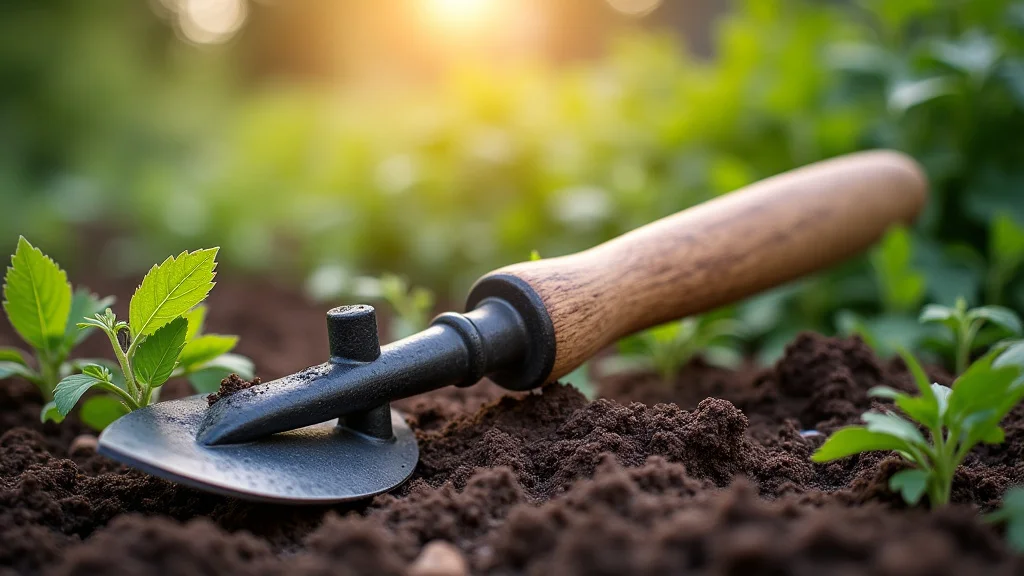
Remember that time your back screamed after an afternoon of weeding? I do! I was bent double, wrestling with stubborn dandelions, and I knew there had to be a better way. That’s when I discovered the magic of long handled gardening tools. They’ve totally transformed my gardening experience, saving my back and making the whole process much more enjoyable. This post will explore the different types of long handled gardening tools, helping you choose the right ones to make your gardening life easier and more efficient, so you can spend less time aching and more time admiring your beautiful garden.
Key Takeaways
- Discover the advantages of using long handled tools to improve your gardening experience.
- Learn about the different types of long handled gardening tools and their specific uses.
- Find out how to choose the right tools for your garden size and needs.
- Understand the importance of tool maintenance to extend their lifespan.
- Explore ergonomic considerations when selecting long handled tools.
- Get tips on the best techniques for using long handled tools effectively.
Unlocking the Benefits of Long Handled Gardening Tools
Gardening should be a pleasure, but often it turns into a painful chore. Bending, squatting, and reaching can lead to backaches, knee pain, and general fatigue. This is where long handled gardening tools come to the rescue. They allow you to work from a comfortable, upright position, reducing strain on your body. Beyond physical comfort, these tools also make gardening more efficient, helping you cover more ground in less time, allowing for more time to enjoy your garden’s rewards.
Ergonomic Advantages of Longer Handles
One of the primary advantages of long handled tools is their ergonomic design. They are made to minimize strain on the body. This is achieved by reducing the need to bend or kneel, which can be particularly beneficial for those with mobility issues or pre-existing conditions. These tools promote better posture, which reduces the risk of muscle strains and other injuries, making gardening a sustainable activity for people of all ages.
- Reduced back strain: Long handles eliminate the need to bend over, keeping your back straight.
- Improved posture: Upright posture helps maintain proper spinal alignment.
- Decreased knee and joint stress: No more kneeling or squatting.
- Enhanced comfort: Gardening becomes a less physically demanding activity.
- Extended reach: Easily access areas without excessive stretching or bending.
Consider the benefits from a health perspective. According to the American Chiropractic Association, maintaining proper posture is key to spinal health. Utilizing long handled gardening tools helps achieve this, protecting your body from long-term strain. For example, using a long handled hoe for weeding can prevent the repetitive bending that often leads to back injuries. This means you can spend more time enjoying your garden and less time recovering from aches and pains.
Increased Efficiency and Productivity
Efficiency in gardening often means getting more done in less time. Long handled tools greatly assist with this. With the ability to cover more ground without constantly changing positions, you’ll find yourself finishing tasks much quicker. Think about weeding a large flower bed. With a standard hand weeder, you’re constantly on your hands and knees. But with a long handled weeder, you can stand up, move more freely, and remove weeds quickly and effectively.
- Wider coverage: Reach more area with each swing or stroke.
- Faster work: Complete tasks more quickly and efficiently.
- Reduced fatigue: Less bending and kneeling means less strain.
- Improved precision: Maintain control and accuracy from a standing position.
- Time saving: Reduce the overall time spent on gardening tasks.
This increased productivity means you can tackle more projects. Imagine being able to plant a whole row of vegetables in the time it used to take to plant half a row. Additionally, by reducing fatigue, you’ll be more inclined to spend more time in your garden, tending to your plants and enjoying the peace and beauty of nature. The practical benefits extend beyond mere time saving; they foster a deeper connection with your garden and a greater appreciation for your hard work.
Different Types of Long Handled Gardening Tools
The market has a wide variety of long handled gardening tools, each designed for specific gardening tasks. Understanding these types will help you assemble the right tools for your needs. From weeding and cultivating to planting and harvesting, each tool has its niche. Selecting the proper tool ensures your garden work is not only more efficient but also more enjoyable.
Weeding Tools with Extended Reach
Weeding is a constant task in gardening, and long handled weeding tools make this job significantly easier. These tools allow you to remove weeds without bending over, saving your back. There are several styles of long handled weeders, each with a specific design to tackle different types of weeds and soil conditions. Choosing the right weeder can make all the difference in your weeding routine.
- Long handled weeder: Features a claw or hook to grab and pull weeds from the roots.
- Stand-up weeder: Has a foot lever to drive the tool into the ground and a mechanism to grip weeds.
- Wheel hoe: Used for quickly removing weeds in rows.
- Hoe: Utilized for slicing off weeds at the soil surface.
- Soil knife: Great for cutting down weeds and disturbing the soil.
Consider the types of weeds you typically deal with. For deep-rooted weeds, a long handled weeder with a claw or hook is effective. For larger areas or rows, a wheel hoe is efficient. In contrast, for shallow-rooted weeds, a standard hoe is sufficient. Knowing your weed problems is key to selecting the most effective weeding tools. This will maximize your time and ensure your weeding efforts are successful.
Tools for Cultivating and Soil Preparation
Beyond weeding, there are also long handled tools for soil preparation and cultivating. These tools are used to loosen the soil, mix in amendments, and prepare the ground for planting. These can be crucial for healthy plant growth. From breaking up compacted soil to creating raised beds, the right tools will improve soil quality and plant health, making gardening tasks easier. These will make your garden flourish.
- Long handled cultivator: Used to break up soil clods and incorporate amendments.
- Garden rake: Levels the soil and removes debris.
- Rotary tiller: Powered tool for deep soil cultivation.
- Mattock: Used for heavy-duty digging and breaking up tough ground.
- Broadfork: Lifts and loosens the soil without inverting it.
The choice of these tools depends on your garden’s soil type and the tasks at hand. For compact clay soil, a mattock or broadfork may be needed. For general soil preparation, a cultivator and garden rake are ideal. A rotary tiller is useful for large gardens or areas with heavy soil. The type of soil, garden size, and the amount of effort you want to put in will help determine the best tools for your garden’s soil needs.
Tools for Planting and Harvesting
Finally, there are long handled gardening tools for planting and harvesting, making these tasks simpler and more comfortable. Planting tools help you create the right conditions for seeds and seedlings, while harvesting tools are for gathering your garden’s bounty. These tools are specifically designed to make these often-challenging tasks easier on your body.
- Long handled transplanter: For planting seedlings and small plants.
- Bulb planter: Makes planting bulbs easier.
- Fruit picker: Used to harvest fruit from tall trees.
- Vegetable harvester: Used for gathering vegetables.
- Dibber: Creates holes for seed and seedling placement.
These tools are specific to their tasks. A long handled transplanter is great for transplanting young plants without bending. A bulb planter simplifies planting bulbs at the right depth. Fruit pickers make harvesting easier, and vegetable harvesters are designed to gather produce with minimal effort. Choosing the right tools can reduce the strain of planting and harvesting, making these gardening tasks much easier on your body.
Choosing the Right Long Handled Gardening Tools for You
Selecting the right tools is key to enjoying gardening. It depends on several factors, including your garden’s size, the type of soil, the specific tasks you perform, and your physical condition. Selecting these factors will allow you to create a personalized toolset that makes gardening a pleasure rather than a pain. A well-selected set of tools will ensure your gardening endeavors are enjoyable and successful.
Considering Garden Size and Layout
The size and layout of your garden influence the tools you’ll need. A small garden may require a different tool selection than a large one. The layout also impacts maneuverability and accessibility. It’s crucial to select tools that suit your garden’s specific characteristics to maximize efficiency and minimize effort.
- Small gardens: Focus on versatile, multi-purpose tools.
- Large gardens: Consider tools designed for efficiency.
- Raised beds: Tools with shorter handles may be more suitable.
- Paths and walkways: Choose tools that fit easily between plants.
- Soil types: Select tools to match your soil conditions.
For small gardens, versatility is key. Multi-purpose tools that can handle several tasks are efficient. For large gardens, focus on tools that improve speed. The layout affects which tools you can easily use. Raised beds might require shorter handles. Compact spaces require smaller tools. Understanding your garden’s characteristics helps you pick the right tools to make gardening more enjoyable.
Evaluating Soil Type and Conditions
Soil type greatly impacts your choice of tools. Different soil types demand specific tool designs to effectively perform gardening tasks. Understanding your soil conditions is key to ensuring that you pick tools that are effective and protect you from unnecessary strain.
- Clay soil: Requires sturdy tools like mattocks and broadforks.
- Sandy soil: Easier to work with, allowing for a wider selection.
- Loamy soil: Versatile, suitable for most tool types.
- Rocky soil: Choose tools with durable, strong blades.
- Compacted soil: Select tools that can break up dense soil.
For clay soil, which is heavy and compact, you’ll need robust tools like mattocks or broadforks to break it up. Sandy soil, being lighter, requires less effort, so you have more options. Loamy soil is more balanced, allowing you to use a wide variety of tools. If you have rocky soil, pick tools with durable blades to handle the tough conditions. Consider soil conditions to make the gardening experience easier.
Assessing Your Physical Abilities and Needs
Your physical condition should be a major factor in your tool selection. If you have any physical limitations, such as back problems, arthritis, or mobility issues, choosing ergonomic tools can significantly improve your gardening experience. Considering these issues can prevent strain and make gardening accessible and enjoyable for everyone.
- Handle length: Select the correct length for your height and reach.
- Weight: Choose lightweight tools to reduce strain.
- Grip design: Look for ergonomic grips for comfort.
- Ease of use: Opt for tools that are easy to maneuver.
- Overall design: Prioritize tools that provide support and reduce strain.
Always try the tools to ensure they feel comfortable. Consider the handle length; it should be appropriate for your height to reduce bending. Opt for lightweight tools to prevent extra strain. Ergonomic grips add comfort, and easy-to-maneuver tools will reduce effort. Ultimately, choose tools that provide support and reduce strain, allowing you to garden with ease and comfort.
Maintaining and Caring for Your Long Handled Gardening Tools
Proper maintenance is key to extending the life and efficiency of your long handled gardening tools. Regular care will keep the tools performing well. From cleaning the tools after each use to proper storage and occasional sharpening, maintenance is the key to ensuring your tools are ready for gardening tasks. Regular maintenance ensures you spend less time on repairs and more time in your garden.
Cleaning and Storage Techniques
Cleaning and storing your tools correctly will protect them from damage and rust. Clean tools work better, and storing them properly will protect their lifespan. Regular cleaning and storage prevent the tools from damage. Following these techniques will keep your tools in excellent condition.
- Cleaning after each use: Remove soil and debris.
- Washing and drying: Prevent rust.
- Storing in a dry place: Protect from the elements.
- Using a tool rack: Organizes tools and keeps them off the ground.
- Oiling: Protects tools from rust.
After each use, remove soil and debris. Wash and dry the tools to prevent rust. Store them in a dry place, away from the elements. Use a tool rack to organize the tools and keep them off the ground. Oiling the metal parts regularly adds an extra layer of protection. These techniques will significantly extend your tools’ life.
Sharpening and Repairing Your Tools
Sharpening and repairing tools will ensure they remain effective and safe to use. Dull tools require more effort and can be dangerous. Knowing how to sharpen blades and repair tool handles will ensure that your tools are in good working order.
- Sharpening blades: Use a file or sharpening stone.
- Repairing handles: Replace or reinforce worn handles.
- Checking for damage: Inspect tools regularly.
- Replacing worn parts: Maintain tool performance.
- Proper tool storage: Protect from damage.
Sharpening blades keeps tools working efficiently. Use a file or sharpening stone for this. Repair or replace worn handles to maintain safety. Regularly check for damage, and promptly replace worn parts. Proper storage minimizes damage. Regular maintenance and repairs ensure that your tools work properly and are safe.
Best Practices for Using Long Handled Gardening Tools
Using long handled tools effectively can further improve your gardening experience. Mastering techniques ensures that you use the tools correctly and safely. Effective tool use makes gardening easier and more enjoyable. These practices will increase your gardening efficiency and reduce the risk of injury.
Optimal Posture and Body Mechanics
Using the correct posture and body mechanics is important for preventing strain and injury while gardening. Maintaining proper form while using tools makes the job easier and prevents backaches and other problems. Proper technique allows for comfortable and productive gardening sessions.
- Maintain an upright posture: Keep your back straight.
- Use your legs: Avoid bending at the waist.
- Adjust tool height: Choose the right handle length.
- Take breaks: Prevent fatigue.
- Use a balanced stance: Maintain stability.
Keep your back straight and avoid bending at the waist. Use your legs for power and movement, which lessens strain on your back. Adjust the tools’ height, and always choose the right handle length for your comfort. Taking regular breaks prevents fatigue. Having a balanced stance will help maintain stability. Using these techniques will help you garden comfortably and safely.
Effective Techniques for Different Tasks
Different gardening tasks require specific techniques. Mastering the right techniques improves efficiency and ensures that you complete the tasks properly. These techniques will help you maximize the benefits of your tools, from weeding to planting and beyond.
- Weeding: Use a sweeping motion, remove weeds from the root.
- Cultivating: Overlap strokes, loosen the soil evenly.
- Planting: Dig holes to proper depths and spacing.
- Harvesting: Use appropriate tools for fruit and vegetable type.
- Soil preparation: Break up soil evenly, incorporate amendments.
For weeding, use a sweeping motion to remove weeds from the root. When cultivating, overlap your strokes to loosen the soil evenly. When planting, dig holes to the correct depth and spacing. Harvesting needs different tools depending on the fruit or vegetable. Finally, when preparing soil, break it up evenly and incorporate amendments to enrich the soil. With these techniques, your gardening tasks will become much more efficient.
Frequently Asked Questions
Question: What is the best handle length for my height?
Answer: Stand upright with your arms at your sides. The handle should reach somewhere between your mid-chest and chin. Consider trying tools out if possible.
Question: How often should I sharpen my long handled tools?
Answer: Sharpen your tools at least once a season or whenever they become dull. The more you use them, the more often they will need sharpening.
Question: Are there any specific tools recommended for raised beds?
Answer: Yes, tools with shorter handles can be easier to maneuver in raised beds. Consider tools like hand rakes and cultivators with shorter handles.
Question: How do I store my long handled tools during the winter?
Answer: Clean, dry, and oil your tools. Store them in a shed or garage to protect them from weather.
Question: What are the benefits of using ergonomic grips?
Answer: Ergonomic grips provide a more comfortable and secure hold, which reduces strain on your hands and wrists, making gardening easier.
Final Thoughts
Gardening can be a truly rewarding pastime, and long handled gardening tools are the secret weapon to enhance your experience. They go beyond saving your back; they also open up possibilities for easier and more effective gardening. The range of available tools and the different types can revolutionize your gardening endeavors. From ergonomic benefits to increased productivity, you can make gardening a more manageable and enjoyable activity. Armed with the right tools, you’ll find yourself able to accomplish more with less effort. So, take the time to choose the tools that fit your needs, implement the best practices for use and care, and watch your garden flourish. Embrace the ease and efficiency of these tools, and get ready to enjoy a more comfortable and productive gardening season. Happy gardening!