
Remember that time you tried to plant those tomatoes with a flimsy trowel that bent in half? Or when you struggled to prune your roses with dull shears, leaving you with a hand full of pricks and frustration? We’ve all been there! Choosing the right best gardening tools can make the difference between a rewarding gardening experience and a frustrating chore. This guide explores essential tools, helping you avoid those gardening mishaps. You’ll learn how to pick the right tools for your specific gardening needs, ensuring that your plants flourish and your gardening time becomes more enjoyable. You’ll also learn how to choose quality tools that will last, saving you time and money. Prepare to transform your garden into a place of beauty and abundance!
Key Takeaways
- Discover the essential tools every gardener needs for success.
- Learn how to choose tools based on your garden’s size and the types of plants you grow.
- Understand the importance of tool quality and how to maintain them for longevity.
- Explore the best tools for specific gardening tasks like planting, pruning, and watering.
- Gain insight into the various materials tools are made from and their impact on performance.
- Find recommendations for various brands and tool types, making your selection process easier.
Essential Tools for Any Gardener
Every gardener, from beginners to experienced hands, needs a core set of tools. These tools are the foundation upon which your gardening success is built. They tackle the basic tasks of planting, cultivating, and maintaining your plants. Whether you’re growing vegetables, flowers, or a mix of both, having the right tools makes the entire process more manageable and enjoyable. This initial investment in quality tools pays dividends in the long run by making your gardening experience more efficient.
Hand Trowel and Hand Fork: Your Planting Companions
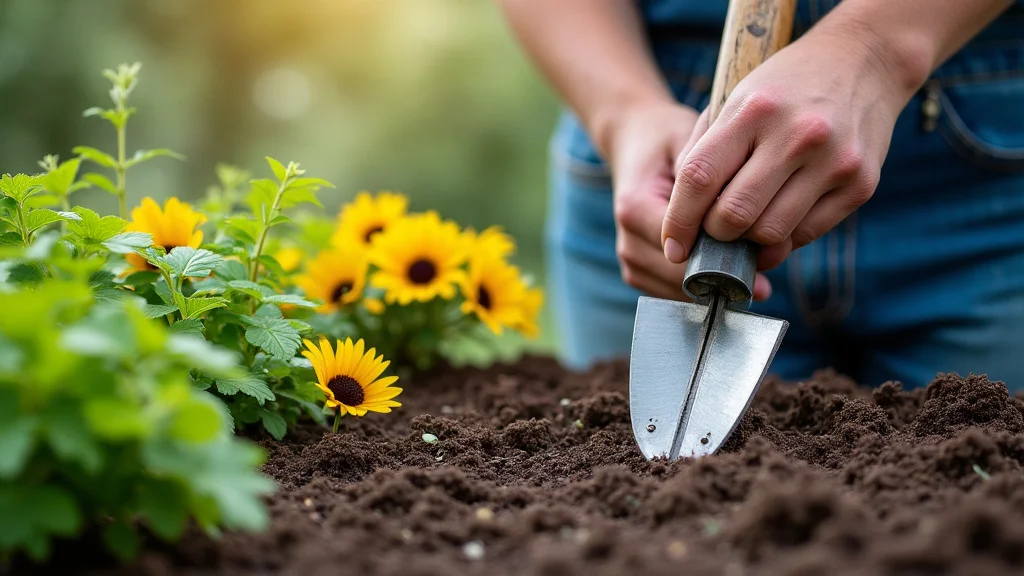
The hand trowel and hand fork are probably the most fundamental tools for any gardener. The trowel, with its small, scoop-like design, is excellent for digging small holes for seedlings, bulbs, and transplants. The hand fork, featuring several tines, is perfect for loosening soil around plants, removing weeds, and aerating the ground. Both tools are usually lightweight and easy to handle, ideal for working in tight spaces or on raised beds. The best options often feature ergonomic handles for comfortable use, and corrosion-resistant materials for lasting durability. It’s the go-to choice for detailed planting projects.
- Planting Seedlings and Bulbs: The trowel’s small size makes it easy to create the perfect-sized holes for young plants, ensuring their roots are well-covered. The hand fork helps in gently adjusting the soil around the plant.
- Weed Removal in Small Spaces: Hand forks are effective for carefully removing weeds without disturbing nearby plants. Their tines allow you to loosen the soil around the weed’s roots.
- Soil Aeration and Loosening: Both tools can be used to improve soil aeration, which promotes healthy root growth. Gently loosen the soil to allow better air and water circulation.
Gardening Gloves: Protecting Your Hands
Gardening gloves are a must-have accessory. They shield your hands from dirt, thorns, and potential irritants found in soil or plants. More than protection, they also make it easier to grip tools and handle small objects, boosting your comfort and efficiency. Materials can range from leather and canvas to synthetic fabrics, each offering different levels of protection, breathability, and grip. Choosing the right gloves depends on your specific gardening tasks and personal preferences. Selecting the best pair can be a game-changer for your gardening comfort.
- Protection Against Cuts and Abrasions: Gloves with reinforced palms and fingers offer good protection from thorns and sharp objects.
- Minimizing Skin Irritation: Gloves create a barrier against allergens and irritants found in soil and plants, which can cause rashes or discomfort.
- Improved Grip: A good pair of gloves gives you a better grip on tools, making gardening tasks easier and more efficient.
Watering Can or Hose: Keeping Your Plants Hydrated
Water is essential for plant growth, and a watering can or garden hose is your lifeline for providing it. A watering can is perfect for smaller gardens, containers, and targeted watering, ensuring delicate seedlings or flowers get the moisture they need. A hose is usually more effective for watering larger areas like lawns or established beds, allowing you to water more quickly and easily. When choosing a watering can, consider its capacity, spout design (e.g., a rose head for gentle watering), and handle comfort. A hose should be durable, flexible, and equipped with adjustable nozzles for various watering patterns.
- Targeted Watering: A watering can helps you direct water precisely to the roots of your plants.
- Watering Large Areas: A hose is the ideal choice for watering lawns, gardens, and other extensive areas, covering a lot of ground easily.
- Choosing the Right Watering Method: Consider your garden’s size and plant types when deciding between a watering can and a hose.
Tools for Specific Gardening Tasks
Once you have the essentials, it’s time to build your toolkit further with tools that address particular needs. Pruning, weeding, and soil preparation require specialized tools that help you do the job right. These tools often involve sharp blades, ergonomic designs, or unique shapes to make specific gardening tasks easier and more efficient. Knowing which tools suit each task lets you work smarter, not harder, and ensures your plants get the attention they need to thrive.
Pruning Shears, Loppers, and Saws: Shaping Your Plants
Pruning is essential for maintaining plant health and encouraging growth. Pruning shears, also known as hand pruners, are perfect for smaller branches and stems, allowing you to make clean cuts for healthier plants. Loppers, with their longer handles, offer more leverage, making them perfect for cutting thicker branches that shears can’t handle. For larger branches or entire limbs, a pruning saw is necessary. These saws come in various forms, including curved blades for easy access and folding models for storage. Selecting the proper pruning tools ensures your plants look their best.
- Shears: The best shears will make clean cuts, ensuring the plant heals well and reduces the risk of disease. Choose bypass shears for delicate pruning and anvil shears for tougher, dead wood.
- Loppers: Loppers are helpful for branches that are too thick for hand shears. Look for loppers with a compound leverage system to make cutting easier.
- Saws: Pruning saws are used for larger branches. A curved blade is helpful for reaching hard-to-access branches.
Weeders: Keeping Your Garden Weed-Free
Weeds compete with your plants for resources, so removing them is essential. Weeding tools range from simple hand weeders to specialized tools designed to remove weeds without disturbing the surrounding plants. A hand weeder, often with a forked or hooked end, is a versatile option for pulling weeds from the root. A long-handled weeder allows you to reach weeds without bending over, reducing strain on your back. Choosing the right weeding tool depends on the weed type, soil conditions, and your gardening style. The objective is to eliminate weeds efficiently to support the health and growth of your preferred plants.
- Hand Weeders: A hand weeder, with its small size and simple design, is effective for precise weed removal.
- Stand-Up Weeders: Stand-up weeders reduce the need to bend over.
- Weed Barriers: Weed barriers are beneficial for preventing weed growth in the first place.
Hoes and Cultivators: Preparing and Maintaining the Soil
Healthy soil is the foundation of a thriving garden, and hoes and cultivators are critical tools for soil preparation and maintenance. Hoes come in various forms, like the draw hoe, which is pulled towards you to slice weeds and break up soil, and the stirrup hoe, which slices weeds with a back-and-forth motion. Cultivators, with their tines or blades, are used to loosen the soil, aerate it, and remove weeds. They can also mix in compost or other amendments. Choosing the right hoe or cultivator depends on the size of your garden, the type of soil, and your desired gardening goals.
- Draw Hoes: Draw hoes are efficient for removing weeds and preparing the soil for planting.
- Stirrup Hoes: The stirrup hoe cuts weeds with a slicing motion, making it helpful for weeding large areas.
- Cultivators: Cultivators aerate the soil and mix in amendments, which helps enhance the soil condition.
Choosing Quality Over Quantity
Investing in quality tools is an essential part of becoming a successful gardener. While the initial investment might be higher, quality tools usually offer superior performance, durability, and a better overall gardening experience. Quality tools are often made from durable materials that can withstand regular use and exposure to the elements. They often come with ergonomic designs that reduce strain and fatigue during use. Plus, better tools can save you money and headaches in the long run.
Materials Matter: Understanding Tool Construction
The materials used to make gardening tools significantly impact their performance, durability, and longevity. The choice of material affects the tool’s strength, resistance to rust and corrosion, and overall feel. Steel, for instance, is a popular material for blades due to its strength and ability to hold a sharp edge. Stainless steel offers excellent rust resistance. Handles are often made from wood, metal, or composite materials. Wood provides good shock absorption and a comfortable grip. Metal is strong and durable, while composite materials offer a balance of these features. Selecting tools with the right material is vital for optimum functionality.
- Steel: Strong, holds a sharp edge, but can rust if not maintained.
- Stainless Steel: Rust-resistant, perfect for wet environments.
- Wood: Comfortable grip, shock-absorbing.
- Metal (Aluminum, Steel): Durable, often lightweight.
- Composite Materials: Lightweight, durable, weather-resistant.
Maintenance: Keeping Your Tools in Top Shape
Regular maintenance ensures that your gardening tools stay in top shape, extending their lifespan and improving their performance. Cleaning your tools after each use removes soil, sap, and debris, which can cause rust and damage. Sharpening blades regularly keeps them effective and safe. Oiling moving parts prevents rust and ensures smooth operation. Storing your tools in a dry location, such as a shed or garage, protects them from the elements. Following these maintenance practices preserves your investment, and keeps your tools in their prime.
- Cleaning: Wipe tools after use to prevent dirt buildup and rust.
- Sharpening: Keep blades sharp for easier and safer cutting.
- Oiling: Lubricate moving parts to prevent rust and ensure smooth function.
- Storage: Store tools in a dry place to protect them from the elements.
Ergonomics: Considering Comfort and Ease of Use
The ergonomics of a tool impact your comfort, efficiency, and overall gardening experience. Ergonomic tools are designed to fit the user’s hand and body, reducing strain and fatigue. Look for handles with comfortable grips, such as rubberized or padded handles. Consider the tool’s weight and balance. Lightweight tools are great for extended use, while a well-balanced tool reduces strain. Adjustability is also helpful, allowing you to customize the tool to your height and preferred working style. Selecting ergonomic tools helps you garden for longer, and prevents injury.
- Handle Grip: Look for comfortable grips (rubberized or padded) that reduce slippage and hand fatigue.
- Weight and Balance: Choose tools that are lightweight and well-balanced to reduce strain.
- Adjustability: Adjustable handles can accommodate different heights and working styles.
- Handle Shape: Contoured handles can improve grip and reduce wrist strain.
Top Brands and Tool Recommendations
Several brands stand out for their quality, innovation, and durability in the realm of gardening tools. These brands usually provide reliable tools that offer outstanding performance and value. However, the best option depends on your specific needs and budget, so exploring the product ranges of several brands is wise. Read reviews from other gardeners to get more insight, and consider factors like the materials used, ergonomic design, and warranty information when picking your tools.
Popular Brands and Their Specialties
Many brands have created a reputation for producing high-quality gardening tools. These brands usually offer a broad range of products, catering to various gardening needs and skill levels. Evaluating the features each brand offers, such as materials, ergonomic design, and price points, is a great strategy. Researching the brand’s history and reputation can also provide valuable information. It’s often helpful to read reviews from other gardeners to understand how the tools perform in real-world situations, thus helping you to make an informed choice.
- Fiskars: Known for their innovative designs and durable, high-performance tools, often incorporating ergonomic features. They are especially popular for pruning shears, and garden shovels.
- Corona: Produces a wide array of tools, including pruners, loppers, and saws, often at a great price point. Their tools are known for being effective and reliable.
- Gardena: Focuses on innovative watering systems, and their tools are designed with an emphasis on ease of use.
- Wilkinson Sword: Offers durable tools made from quality materials. Known for a good range of hand tools.
- DeWit: Offers forged steel tools, often handmade in Holland. These tools are built to last a lifetime.
Specific Tool Recommendations
Here are a few specific tool recommendations to get you started. These tools are usually well-regarded by gardeners for their performance, quality, and user-friendliness. From essential tools to specialized options, these recommendations can help you build a complete toolkit. They are all considered valuable additions to any gardener’s collection, whether you are beginning or you have years of experience. Keep in mind that the best tools usually meet your individual requirements, gardening style, and budget.
- Hand Trowel: Fiskars Ergo Trowel.
- Hand Fork: DeWit Hand Fork.
- Pruning Shears: Corona ClassicCUT Pruning Shear.
- Garden Hose: Flexzilla Garden Hose.
- Watering Can: Haws Watering Can.
Frequently Asked Questions
Question: What’s the best way to clean my gardening tools?
Answer: Rinse off soil and debris, then scrub with a brush and soapy water. Dry thoroughly to prevent rust.
Question: How often should I sharpen my pruning shears?
Answer: Sharpen your shears at the start of each growing season and as needed during the season, usually every few weeks or months, depending on use.
Question: What is the benefit of a hand fork compared to a trowel?
Answer: A hand fork is best for loosening soil and removing weeds without damaging roots, while a trowel is ideal for digging holes.
Question: Are ergonomic tools worth the extra cost?
Answer: Yes, ergonomic tools are worth it because they reduce strain and make gardening more comfortable, especially during extended use.
Question: What’s the best material for a garden hose?
Answer: A reinforced rubber or polyurethane hose is durable, flexible, and resists kinks, ensuring a long life.
Final Thoughts
Choosing the best gardening tools is like giving yourself the gift of a beautiful, thriving garden. Investing in the right tools transforms gardening from a chore into a joy. You’ve now discovered the crucial tools to get started, from essential hand tools to those for specific tasks. Consider quality over quantity, as durable, well-made tools will withstand time and effort. Maintenance is another key element. Taking care of your tools, by cleaning, sharpening, and storing them properly, ensures they last for seasons to come. Now, venture out and explore. Find the tools that resonate with your gardening style, and get ready to grow a garden filled with beauty, abundance, and personal satisfaction. Happy gardening!