
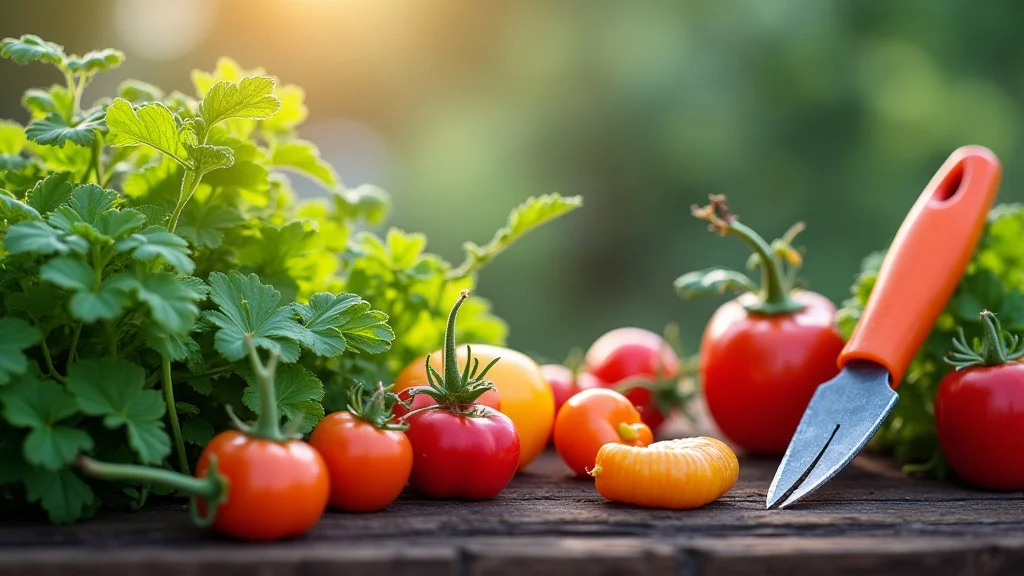
Remember that time your kiddo tried to “help” with the yard work, using a spoon to dig in the garden? It was cute, but let’s be honest, not very effective. That’s where the right gardening tools for kids come in! This guide explores everything you need to get your young gardener started, from choosing the right tools to creating a fun and educational experience. You’ll learn how to pick safe and age-appropriate tools, the benefits of gardening with kids, and how to set up a successful mini-garden. Prepare for a blooming good time!
Key Takeaways
- Discover the essential gardening tools for kids and why they’re important.
- Learn how to choose safe and age-appropriate tools.
- Understand the educational and developmental benefits of gardening.
- Get tips for setting up a kid-friendly gardening space.
- Explore fun gardening projects suitable for children.
- Learn about essential gardening safety tips for kids.
Choosing the Right Gardening Tools for Kids
Selecting the correct gardening tools for kids is the first step in creating a positive gardening experience. It’s about finding tools that are the right size, weight, and design for little hands, making the tasks easier and more enjoyable. These tools should also be safe, durable, and encourage participation. This section explores the key considerations for selecting tools that promote fun and learning.
Size and Weight Matters
The size and weight of gardening tools are key factors, especially for children. Adult-sized tools can be difficult and even dangerous for little ones to use. Look for tools specifically designed for kids, as they are typically smaller, lighter, and easier to handle. These are also made to fit the physical capabilities of a child, making gardening tasks less tiring and more fun. Lightweight tools allow children to lift and maneuver them without struggling, building their confidence and enthusiasm.
- Consider the Age of the Child: Younger children (ages 3-5) benefit from small, lightweight tools. Older kids (6+) can manage slightly larger, more robust tools.
- Look for Ergonomic Designs: Tools with ergonomic handles make it easier for kids to grip and control the tools, reducing strain and preventing blisters.
- Check the Weight of the Tools: Tools should be light enough for children to lift and use easily. Heavy tools can be cumbersome and potentially unsafe.
For younger children, a miniature trowel and hand rake might be perfect, while older children may prefer a smaller-sized shovel or hoe. The correct size ensures they can easily manipulate the tool, promoting successful gardening experiences.
Ergonomic handles are designed to fit comfortably in a child’s hand, enhancing their grip and control. This design feature reduces fatigue, making gardening sessions more enjoyable and increasing the time they can spend outdoors.
Lightweight tools allow kids to handle them without difficulty, preventing strain. Tools made of durable, lightweight materials, such as plastic or aluminum, are ideal for kids. This feature allows them to move around the garden freely and enjoy their work.
Safety Features Are Essential
Safety features are critical when choosing gardening tools for kids. Sharp edges, pointed ends, and heavy materials can pose hazards. Prioritizing tools with rounded edges, blunt tips, and durable, non-toxic materials is essential to minimize the risk of injury and ensure a safe gardening environment for children. Safety features give parents peace of mind and allow kids to explore and develop their gardening skills confidently.
- Rounded Edges and Blunt Tips: Tools with rounded edges and blunt tips are safer, as they reduce the risk of cuts and punctures.
- Durable, Non-Toxic Materials: Choose tools made from durable, non-toxic materials, like sturdy plastic or coated metal.
- Consider Tool Design: Avoid tools with pinch points or moving parts that could trap little fingers. Simple, straightforward designs are usually the safest.
These design features are particularly important for tools like trowels and hand rakes. This ensures that children can use the tools without risking injury. These safer designs enable kids to use tools independently and with greater confidence.
Materials that are both strong and non-toxic are important because they prevent breakage and the release of harmful substances. This will ensure that the tools last longer while keeping children safe from chemical exposure.
Tools designed with safety in mind include the elimination of unnecessary moving parts or small, easily detached components. Safety considerations ensure children can handle the tools without risk.
Durability and Material Quality
Durability and material quality are essential factors when selecting gardening tools for kids. Tools should withstand regular use and exposure to the elements. High-quality materials resist wear and tear, and offer excellent value over time. Materials like stainless steel, sturdy plastic, and coated metal are preferred for their durability and ability to endure the challenges of gardening.
- Choose Sturdy Materials: Look for tools made from durable materials like stainless steel, coated metal, or thick plastic.
- Consider Weather Resistance: Tools should be weather-resistant to prevent rust and corrosion, ensuring their longevity.
- Check for Quality Construction: Look for tools with well-attached handles and strong joints. This prevents breakage and enhances tool performance.
These materials can withstand regular use and exposure to the elements. High-quality materials resist wear and tear. They make tools last longer, giving better value for the investment.
Weather-resistant tools are less susceptible to damage from rain and sun. These qualities ensure that the tools can withstand outdoor use and require minimal maintenance, making them suitable for long-term use in the garden.
Well-constructed tools offer greater reliability and safety. High-quality construction means tools can handle the stresses of gardening. This will enable kids to enjoy gardening activities without the frustration of tools breaking easily.
The Benefits of Gardening with Kids
Gardening with kids is a great experience. It’s more than just a fun outdoor activity; it’s a gateway to learning and development. From enhancing their understanding of nature to building valuable life skills, gardening provides a rich environment for children to thrive. It offers many advantages to kids, from physical health benefits to a stronger connection to nature.
Educational and Developmental Benefits
Gardening with kids is an excellent way to introduce them to the natural world. It also creates exciting learning opportunities. Activities such as planting seeds, watering plants, and watching them grow stimulate curiosity and a love of learning. It also encourages children to use their senses and develop an appreciation for the environment.
- Science Education: Gardening provides hands-on science education. Kids learn about plant life cycles, photosynthesis, and the importance of ecosystems.
- Math Skills: Gardening involves measurement, counting, and understanding shapes. Kids can measure the depth of holes, count seeds, and observe geometric patterns in plant growth.
- Sensory Exploration: Gardening stimulates the senses. Kids experience the textures of soil and plants, the smells of flowers, and the sounds of nature.
Through direct experience, kids can see and understand how plants grow. They’ll also discover how plants need water, sunlight, and nutrients. Children gain a deep understanding of natural processes. They’ll also build a foundation for understanding broader environmental issues.
These practical applications of math concepts make learning fun. They help kids connect abstract ideas to the real world. This boosts their mathematical confidence.
This multi-sensory experience helps children develop their awareness. They improve their ability to focus and appreciate the environment.
Building Life Skills and Responsibility
Gardening fosters crucial life skills, such as responsibility, patience, and perseverance. It also nurtures self-esteem and a sense of accomplishment. Caring for a garden teaches kids that hard work pays off. This will help them develop a sense of pride in their efforts. These life skills will help kids to become well-rounded people.
- Responsibility: Kids learn about responsibility by caring for their plants. This includes regular watering, weeding, and protecting plants from pests.
- Patience: Gardening requires patience. Kids must wait for seeds to sprout and plants to grow, teaching them the value of delayed gratification.
- Perseverance: Gardening often involves facing challenges, such as pests or poor weather. Overcoming these challenges teaches perseverance.
Consistent care encourages children to take ownership of their tasks. They learn that their efforts directly affect the health of the plants. This teaches them the importance of reliability and commitment.
Waiting for results teaches kids to manage their expectations. It also helps them to deal with challenges. This patience helps them develop resilience and the ability to cope with setbacks.
Trying different solutions to problems in the garden shows kids the value of persistence. It will help them not to give up when faced with difficulties. This builds confidence and problem-solving skills.
Encouraging Healthy Habits and Outdoor Play
Gardening gets kids outdoors, encouraging physical activity and a healthier lifestyle. The benefits are significant, from reducing screen time to fostering a connection with nature. It allows kids to move and explore. This helps them to develop a deeper connection to their surroundings.
- Physical Activity: Gardening involves digging, planting, and weeding, which are all forms of physical activity.
- Healthy Eating Habits: Growing their own fruits and vegetables encourages kids to try new foods and develop healthy eating habits.
- Connection to Nature: Gardening fosters a sense of appreciation for nature. Kids will understand where their food comes from. They also will develop a desire to protect the environment.
Outdoor activity helps to improve their overall fitness. It will also help kids stay active and reduce the risk of health problems. Physical activity is a fun and engaging way to improve children’s physical well-being.
Seeing how their food grows from seed to table helps them appreciate healthy eating. Gardening promotes a positive relationship with food. It makes them more likely to make healthy food choices.
This connection fosters a sense of wonder and curiosity about the natural world. It encourages children to be good stewards of the environment. They’ll also build a deep appreciation for the world around them.
Setting Up a Kid-Friendly Gardening Space
Creating a kid-friendly gardening space enhances the gardening experience for children. This involves planning the layout of the garden. It also includes the selection of age-appropriate plants and making the space both safe and enjoyable. With a thoughtful approach to setting up the garden, you can create a place that encourages children to get involved.
Planning the Layout and Design
Designing the garden layout is critical. It involves thinking about how the garden will function. It also involves considering accessibility and the needs of the children who will use the space. A well-designed garden will improve their experience, encouraging them to spend more time in the outdoors.
- Choose an Accessible Location: The garden should be in a location easily accessible to children. It should also be close to the house for convenience.
- Create Designated Gardening Areas: Consider setting up separate areas for different activities, such as planting, digging, and watering.
- Ensure Safety: Avoid areas with potential hazards. Ensure that the layout of the garden is free from sharp objects, poisonous plants, and other dangers.
This will encourage frequent visits and make it easier for kids to participate. The layout of the garden will ensure it is easy to maintain. This will also give you more flexibility in planning activities.
This will keep the activities organized and make it easier for kids to focus on their tasks. These areas will also help kids learn gardening skills. It will also encourage more fun.
Creating a safe environment means protecting children from harm. You can plant safety around the yard, like fencing or adding ground cover to prevent falls. Safety planning encourages a worry-free experience in the garden.
Selecting Age-Appropriate Plants
Choosing the right plants is a key factor in making the garden attractive. It involves selecting plants that are easy to grow and visually interesting for children. Fast-growing and colorful plants tend to be the most successful choices for kids. They offer quick results and provide visual stimulation, making gardening engaging and fun.
- Choose Fast-Growing Varieties: Select plants that grow quickly so children can see results sooner.
- Opt for Colorful and Interesting Plants: Colorful flowers, herbs with unique scents, and vegetables with interesting shapes can capture children’s attention.
- Include Edible Plants: Planting vegetables, fruits, and herbs encourages kids to try new foods.
Fast-growing plants like radishes, beans, and sunflowers allow kids to experience the joy of gardening. They learn that their efforts lead to visible results quickly. This will keep them engaged and motivated.
These plants can stimulate their senses and teach them. The colors, textures, and scents of flowers and herbs will enhance their gardening experience. This can make the garden more inviting and enjoyable.
Growing their own food gives kids a sense of accomplishment. They will also be more likely to taste and enjoy healthy foods they helped cultivate. This supports healthy eating habits.
Creating a Safe and Fun Environment
Ensuring the garden environment is both safe and fun is essential for a positive experience. Making the garden a welcoming place means prioritizing safety. It also means incorporating elements that engage and entertain children. By making safety a priority, you can create a garden where kids can safely enjoy their activities.
- Provide Shade and Shelter: Set up a shady spot where kids can rest and cool off.
- Add Fun Elements: Include elements that enhance their experience, such as stepping stones, a small water feature, or a child-sized picnic table.
- Implement Safety Measures: Ensure that the garden is free of hazards. Make sure the tools are stored safely, and teach kids about potential dangers.
Providing shade protects children from the sun. It makes them more comfortable and allows them to spend more time in the garden. This will enhance their gardening experience.
Incorporating playful elements transforms the garden into a special place for kids. These elements add fun and excitement to gardening activities. This helps them create lasting memories.
Teaching kids about safety is essential to their well-being. Keeping the garden a safe place will encourage the kids to enjoy their time outdoors. This helps to make gardening a positive experience.
Fun Gardening Projects for Kids
Gardening projects for kids are fun and educational. They provide hands-on experience and help children learn about plants and nature. From planting vegetables to creating sensory gardens, there are endless options. These projects make learning fun and encourage a love of nature.
Planting a Vegetable Garden
Starting a vegetable garden is a rewarding project that allows children to grow their own food. It involves choosing vegetables, preparing the soil, planting seeds, and providing care. A vegetable garden teaches children about where their food comes from. It also encourages healthy eating habits.
- Choosing Vegetables: Select easy-to-grow vegetables such as beans, carrots, radishes, and lettuce.
- Preparing the Soil: Prepare the soil by removing weeds and adding compost to enrich it.
- Planting Seeds: Teach kids how to plant seeds. Plant them at the correct depth and spacing, and ensure they get the right sunlight and water.
- Caring for the Garden: Encourage them to water the plants regularly, weed the garden, and protect against pests.
These veggies offer quick results and are fun for kids to plant and harvest. Choosing easy-to-grow vegetables increases the chance of success, keeping the children engaged.
Preparing the soil helps create a great environment for plant growth. Kids will learn about the need for fertile soil and its role in plant health. This gives them a sense of responsibility and involvement.
Planting seeds is a great activity that teaches them the importance of following instructions and caring for plants. This process makes it fun and encourages responsibility.
Caring for the garden teaches responsibility and attention to detail. It helps them learn about the needs of plants. It will also help them develop a sense of achievement when they see their plants thrive.
Creating a Sensory Garden
A sensory garden provides a rich, engaging experience that stimulates children’s senses. The plants are chosen for their unique textures, smells, and appearances. The sensory garden helps kids appreciate and connect with the natural world.
- Choosing Plants: Select plants with various textures, scents, and colors, such as lamb’s ear (soft), lavender (fragrant), and sunflowers (bright).
- Creating Textural Elements: Add different textures to the garden, such as smooth stones, rough bark, and soft mulch.
- Incorporating Sounds: Include wind chimes, rustling grasses, or a small water feature to add auditory stimulation.
- Adding Colors and Shapes: Use colorful flowers, patterned foliage, and plants with interesting shapes.
Choose plants that excite the senses of touch, smell, and sight. Including plants with unique features will give kids a fuller gardening experience. They will also learn about the diverse qualities of plants.
By incorporating different textures, you can create a sensory experience for kids. It makes the garden more interactive. It also teaches them about their surroundings.
Adding sound elements will enhance the sensory experience. These sounds help kids connect with nature. This promotes relaxation and focus.
The colors and shapes will add to the visual appeal. The visual aspects of the garden will enhance kids’ creativity. They also can create a more inviting and imaginative space.
Building a Mini-Greenhouse or Terrarium
Building a mini-greenhouse or terrarium is an engaging project that allows kids to experiment with plant care in a controlled environment. These projects offer valuable lessons about plants and the ways they grow.
- Gathering Materials: Use clear plastic containers, glass jars, or a small plastic greenhouse kit.
- Adding Soil and Plants: Add a layer of soil to the base and plant small plants, such as succulents, herbs, or miniature ferns.
- Watering and Maintenance: Teach kids how to water the plants gently and maintain the humidity levels.
- Observation and Learning: Observe how the plants grow, and document any changes. Discuss the importance of light, water, and air.
Gathering materials is a good step to show kids the importance of the project. They can use the tools provided to build and maintain the project, improving their creativity and problem-solving skills.
These plants need little care and are fun for kids to grow. They provide a learning experience about plants and how to take care of them. They also get to experiment with plant growth in a controlled setting.
Teach them about the importance of consistent care. They can understand the role of water in plant growth. They also develop the responsibility to nurture their plants.
Encourage them to note their plants’ progress. They will learn about plants and the scientific aspects of plant care. They can develop a greater understanding of how plants work.
Essential Gardening Safety Tips for Kids
Gardening can be safe and fun for children when safety is a priority. Educating kids about potential hazards and implementing safety guidelines can minimize risks. This guarantees that kids will have a positive experience while gardening. Safety is not only about preventing accidents but about empowering kids to enjoy outdoor activities safely.
Safe Tool Handling
Safe tool handling is crucial for preventing injuries. Teaching children how to use tools safely involves explaining the proper techniques for each tool. It is also important to stress the importance of caution and supervision. They’ll also learn the consequences of not handling tools safely.
- Proper Tool Use: Teach kids how to use each tool correctly. Emphasize the importance of using tools for their intended purpose.
- Supervision: Always supervise children when they are using gardening tools. Close supervision is essential for very young children.
- Safe Storage: Teach kids to store tools safely. Make sure they are cleaned after use, and store tools in a safe place.
- Wearing Protective Gear: Encourage children to wear protective gear, such as gloves, hats, and closed-toe shoes.
For example, using a trowel for digging, not for throwing. Demonstrating and explaining the correct way to use tools will enhance their gardening experience. This can also prevent accidents.
Supervising kids is essential for their well-being. You can step in to make sure they’re handling the tools safely. This will help prevent accidents and make their gardening sessions more secure.
Safe tool storage prevents accidents. It also helps preserve the life of the tools. This encourages children to develop responsibility and safety habits.
Protective gear will help prevent injuries from thorns, dirt, and sun exposure. Gloves protect hands from cuts and abrasions. Hats protect from the sun. Closed-toe shoes prevent foot injuries.
Identifying and Avoiding Hazards
Identifying and avoiding hazards ensures kids are safe while gardening. Educating children about the potential hazards in the garden. This will help them to make safe decisions and avoid risks. This is essential for a safe and positive gardening experience.
- Poisonous Plants: Teach kids to identify and avoid poisonous plants. Common poisonous plants include certain types of berries and leaves.
- Pests and Insects: Educate them about harmful pests and insects. Teach them about the potential dangers of touching them.
- Sharp Objects: Teach children to look for and avoid sharp objects. This includes broken tools, glass, and other sharp items.
- Sun Safety: Teach kids about sun safety. This includes wearing sunscreen, hats, and staying in the shade during peak sun hours.
Knowing which plants can be harmful to avoid is a great safety measure. Kids will learn about potentially dangerous plants. They also learn to be careful and aware of their surroundings.
Knowledge will keep them away from harm. Teach them about the importance of insects. They also learn how to identify those that may sting or bite.
Learning how to avoid hazards is crucial for preventing injuries. Kids will learn to be careful and aware of what is around them. They will also learn how to keep themselves safe.
Sun safety will prevent sunburns and heatstroke. Wearing sunscreen and taking breaks in the shade will improve children’s well-being. They’ll also be encouraged to garden safely.
First Aid and Emergency Preparedness
Knowing first aid and emergency procedures enhances the safety of gardening activities. It involves having a basic first-aid kit nearby. This way, you can offer immediate care for minor injuries. You should also teach children what to do if an accident occurs.
- First-Aid Kit: Keep a well-stocked first-aid kit nearby. It should include bandages, antiseptic wipes, and any necessary medications.
- Emergency Contact Information: Ensure kids know who to contact in case of an emergency. Keep emergency contact information accessible.
- Recognizing Injuries: Teach kids how to recognize minor injuries. Teach them how to properly clean and bandage a cut.
- Emergency Procedures: Discuss what to do in case of more serious injuries. Explain the importance of seeking help if the injury looks bad.
A first-aid kit is crucial for handling minor injuries. Having it ready means you can quickly treat small cuts, scrapes, and other issues. This will help you offer immediate and appropriate care.
Informing them about this information is critical. Ensure they know to tell a responsible adult. This can help them to get help during an emergency.
They can care for small injuries. This helps them understand basic first aid. They’ll also feel better about minor accidents.
This knowledge ensures they know how to get appropriate care. It will also help ensure that any medical situation is handled efficiently. They are ready to act during a crisis.
Frequently Asked Questions
Question: What age is appropriate for kids to start gardening?
Answer: Children as young as 3 can begin gardening with adult supervision, using age-appropriate tools and simple tasks. Older children can handle more complex projects.
Question: What are the best plants to start with for kids?
Answer: Easy-to-grow plants like beans, radishes, carrots, sunflowers, and herbs like mint and basil are great for kids because they grow quickly and provide a sense of accomplishment.
Question: How can I make gardening fun for kids?
Answer: Make gardening fun by letting them choose plants, creating colorful areas, adding fun elements like stepping stones, and celebrating their successes.
Question: How do I ensure my child’s safety in the garden?
Answer: Supervise children closely, teach them about hazards like poisonous plants and sharp tools, and provide them with appropriate safety gear like gloves and hats.
Question: What are the benefits of gardening for kids?
Answer: Gardening teaches children about nature, develops responsibility, improves their physical health, and fosters patience and a sense of accomplishment.
Final Thoughts
Equipping children with the right gardening tools for kids unlocks a world of educational opportunities. It builds responsibility, and fosters a connection with nature. By selecting the right tools, creating a safe and engaging environment, and focusing on fun projects, you can transform gardening into an enjoyable and rewarding experience. It also encourages a lifelong interest in nature and a better understanding of where food comes from. Get those little hands dirty, explore the possibilities, and watch your young gardeners flourish. Remember, the best garden is one where your child has fun and grows alongside the plants. Happy gardening!