
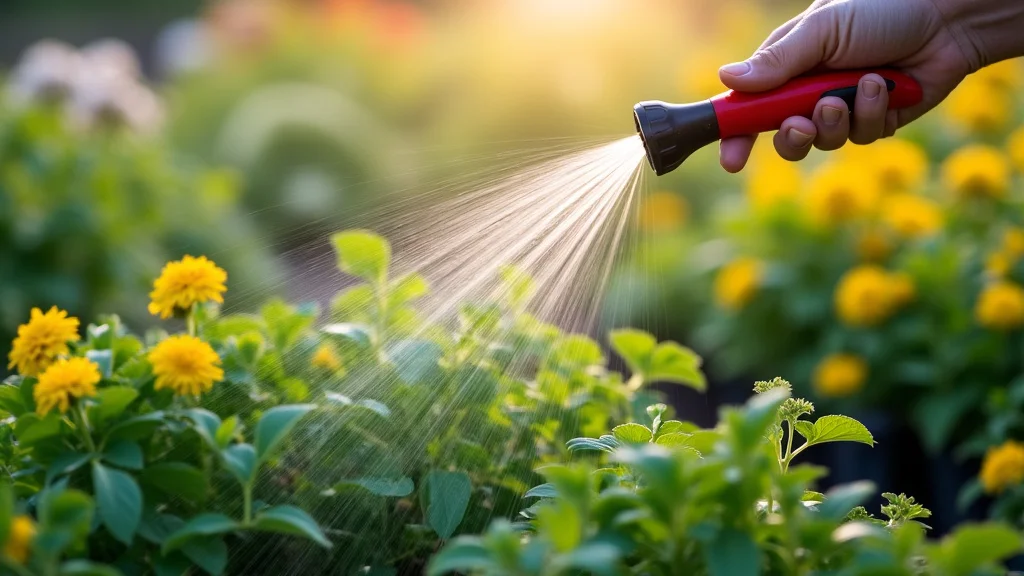
Remember that time you spent hours carefully planting your garden, only to watch your precious seedlings shrivel in the summer heat? We’ve all been there! Proper gardening tools watering is a cornerstone of a thriving garden, but it can sometimes feel like a chore. This guide will walk you through the essential tools and techniques to ensure your plants get the right amount of water, at the right time. You’ll learn how to choose the right equipment, the best watering practices, and how to troubleshoot common issues. By the end, you’ll be able to create a watering plan that keeps your garden lush and green, and avoid common gardening tools watering mistakes. Prepare to boost your gardening skills and impress your neighbors!
Key Takeaways
- Learn about the different types of watering tools and their uses.
- Discover how to choose the right watering tools for your garden’s needs.
- Understand the best watering practices for different types of plants.
- Find out how to troubleshoot common watering problems.
- Get tips on conserving water in your garden.
- Explore options for automated watering systems.
Selecting the Right Gardening Tools for Watering
Choosing the right gardening tools watering can make a huge difference in how much you enjoy your time in the garden, and how well your plants grow. There’s a wide range of options out there, from simple hand-held tools to more complex, automated systems. Consider factors like the size of your garden, the types of plants you’re growing, and your personal preferences. Don’t feel you need every gadget; start with the essentials and add more as your garden evolves and grows.
Hand Watering Options
Hand watering provides precise control, allowing you to direct water exactly where it’s needed. This method is great for small gardens, containers, and delicate plants that might be damaged by stronger streams. This manual approach helps prevent water wastage and reduces the risk of fungal diseases by keeping foliage dry. Plus, hand watering gives you a chance to inspect your plants up close, spotting pests or diseases early on. There are several hand-watering options available, each with its own advantages.
- Watering Can: A classic choice for small gardens or specific plant care.
- Hose with a Nozzle: Versatile for various watering tasks.
- Watering Wand: Extends your reach, ideal for hanging baskets and hard-to-reach plants.
Watering cans come in many sizes and materials, with plastic and metal being the most common. A long spout helps you reach into crowded spaces and direct water to the soil. Choose a can with a rose (a sprinkler head) for gentle watering of seedlings or a wider opening for faster filling. The size of the watering can should be appropriate for your physical capacity and the size of your planting. Smaller cans are ideal for container gardens or tending to individual plants while larger ones are better suited to larger beds.
A garden hose with an adjustable nozzle provides control over water pressure and spray patterns. Nozzles come with various settings, from a gentle shower to a powerful jet. This flexibility is perfect for watering lawns, washing away dirt, and filling containers. Look for a nozzle made from durable materials like metal or high-impact plastic. Consider a nozzle with a comfortable grip and a locking mechanism to reduce hand strain during longer watering sessions. There are many different styles to consider, including adjustable, rotating, and soaker nozzles.
Watering wands are especially helpful for gardeners with mobility issues or those who wish to avoid bending over. They typically have a long reach and an angled head, making it easier to water plants in hanging baskets or in the middle of a bed. The wand usually has an adjustable head to control the water flow. The angled head ensures water reaches the soil, not just the foliage. Choose one made from lightweight materials like aluminum or durable plastic. Look for a wand with a comfortable grip to enhance your watering experience. Some wands include a soap dispenser, great for washing down the patio.
Automated Watering Options
Automated systems take the hassle out of watering, especially for larger gardens or when you’re away from home. These systems use timers, sensors, and sometimes even a network to deliver water on a schedule. This consistency ensures your plants get the water they need, when they need it. Though the initial cost may be higher than with hand-watering tools, automated systems can conserve water, reduce labor, and promote healthier plant growth. Consider how your garden layout, your plant types, and your water source will affect your choice.
- Sprinkler Systems: Efficient for lawns and large areas.
- Drip Irrigation: Delivers water directly to the plant roots.
- Soaker Hoses: A simpler form of drip irrigation.
Sprinkler systems can range from simple oscillating sprinklers to complex in-ground systems. An oscillating sprinkler provides a wide, rectangular watering pattern, ideal for lawns and larger garden beds. These systems are simple to set up and move. In-ground sprinkler systems are more permanent, with sprinkler heads buried underground and connected to a timer. They provide even coverage and can be customized to water specific areas. They typically require professional installation but offer maximum efficiency and convenience. These are a good solution if you want to water a large space without having to monitor the process.
Drip irrigation is the most water-efficient watering method because it delivers water slowly and directly to the roots. This reduces water waste due to runoff and evaporation. The system consists of a network of tubing, emitters, and a timer. Emitters release water at a controlled rate, ensuring that the soil around the plants stays consistently moist without overwatering. Drip irrigation can be used in raised beds, container gardens, and along rows of plants. It’s especially beneficial in dry climates and for plants that are susceptible to fungal diseases. The system can be easily customized to fit any garden layout.
Soaker hoses are porous hoses that slowly release water along their length, directly onto the soil. They are a simpler and more affordable alternative to drip irrigation, making them great for beginners. They are easy to install, simply laying them along the rows of plants. Because the water is delivered slowly, the soil absorbs it effectively, reducing water waste. Soaker hoses are best suited for smaller gardens, vegetable gardens, and flower beds. They are less efficient than drip irrigation, so you should ensure they are not left on for long periods. They are a great solution for new gardeners, and they can easily be moved around as your garden changes.
Watering Practices and Techniques
Once you have the right gardening tools watering, it’s important to use them correctly. Proper watering techniques are key to healthy plant growth. The goal is to provide enough water for your plants without overdoing it, avoiding issues such as root rot. Knowing the needs of different plants, the best time to water, and how to assess soil moisture is essential to successful gardening.
Timing Your Watering
The time of day you water can impact water efficiency and plant health. Watering at the right time reduces water loss and minimizes disease risks. Both morning and evening are the best times to water. Watering in the morning allows the foliage to dry during the day, reducing the risk of fungal diseases. Evening watering is also effective, as it allows plants to absorb water overnight. Avoid watering during the heat of the day, as a significant portion of the water evaporates before the plants can use it.
- Morning Watering: Best for most plants.
- Evening Watering: Suitable if morning watering is not possible.
- Avoiding Midday Watering: High evaporation rates and potential leaf burn.
Morning watering is ideal because the sun’s warmth helps dry the foliage quickly. This reduces the risk of fungal diseases, which thrive in damp conditions. Water at the base of the plants to avoid wetting the leaves. Morning watering also helps reduce water loss through evaporation, as the cooler temperatures allow for better absorption. Watering in the morning is a win-win because it benefits both the plants and your water bill.
Evening watering can be effective, especially during hot weather. It gives plants a chance to absorb water overnight. Be aware that evening watering can increase the risk of fungal diseases. If you water in the evening, avoid wetting the foliage as much as possible, and ensure good air circulation around your plants. Make sure the water has a chance to soak into the soil, rather than sitting on the surface and attracting pests.
Watering during the hottest part of the day is generally not recommended. A large portion of the water will evaporate before the plants can absorb it. The water droplets can also magnify the sun’s rays and cause leaf burn, particularly on sensitive plants. If you must water during the midday heat, focus on watering the soil directly and use a nozzle that provides a gentle spray. Plan to adjust your watering schedule as needed to match the time of day, and consider using a timer.
Watering Deeply and Infrequently
Water deeply but infrequently to encourage deep root growth. Deep roots enable plants to access water and nutrients more efficiently, making them more resilient to drought and stress. Infrequent watering also reduces the risk of fungal diseases and promotes healthier soil. When you water, provide enough water to saturate the soil to a depth of several inches. Deep and infrequent watering helps your plants thrive and conserves water.
- Encourage Deep Root Growth: Water deeply to promote strong roots.
- Watering Frequency: Depends on plant type, weather, and soil.
- Assess Soil Moisture: Use your finger or a moisture meter.
Deep root systems are more resilient and enable plants to draw water and nutrients from a larger area. To promote deep root growth, water thoroughly, ensuring the soil is moist to a depth of several inches. Avoid frequent, shallow watering, which encourages roots to stay near the surface. In the long run, this will increase the plant’s health and will help it become more resistant to extreme weather.
Watering frequency varies depending on the plant species, the weather conditions, and the soil type. Most plants benefit from watering once or twice a week, but some may need more or less. Check the soil moisture regularly by sticking your finger an inch or two into the soil. If the soil is dry, it’s time to water. Pay attention to weather patterns, and adjust your watering schedule accordingly. Remember to provide extra water during hot, dry periods.
The best way to determine when to water is to check the soil moisture. Stick your finger into the soil near the base of the plant. If the top inch or two is dry, it’s time to water. Alternatively, use a soil moisture meter, which provides a more accurate reading. Soil moisture meters measure the moisture content of the soil and will help you avoid overwatering or underwatering your plants. This is especially helpful for containers, as they can dry out more quickly.
Choosing the Right Watering System for Your Plants
Different plants have different water needs. Some plants thrive in moist soil, while others prefer drier conditions. Matching the watering system to the plant’s needs is crucial for healthy growth. This requires knowing your plant’s water preferences and selecting the appropriate watering method. This will guarantee your plants receive the water they need to reach their full potential. Consider the plant’s origin and natural habitat to help determine its watering needs.
Matching Water Needs
Understanding the water requirements of different plants is the first step in creating an effective watering plan. Different plant types have varying needs, and providing the correct amount of water is essential for healthy growth. Some plants prefer consistently moist soil, while others thrive in drier conditions. Understanding these specific needs is vital for proper gardening tools watering.
- High-Water Plants: Require consistent moisture.
- Moderate-Water Plants: Need regular but not excessive watering.
- Low-Water Plants: Drought-tolerant species.
Plants like ferns, hostas, and vegetables such as lettuce and spinach need regular watering to thrive. Keep the soil consistently moist but not waterlogged. These plants often have shallow roots and require frequent watering, especially during hot weather. Drip irrigation or soaker hoses are perfect for this, delivering water directly to the root zone. You can also manually water these plants with a watering can or hose, but be careful not to overwater.
Many flowering plants, herbs, and some vegetables, such as tomatoes, need moderate watering. Allow the top inch or two of soil to dry out between watering sessions. These plants benefit from deep, infrequent watering, which encourages deep root growth. Use a watering can or hose to water these plants, and be sure to check the soil moisture regularly. Mulching around these plants can also help to retain soil moisture and reduce the frequency of watering.
Cactus, succulents, and some native plants are drought-tolerant and prefer drier conditions. Overwatering these plants can lead to root rot. Let the soil dry out completely between watering sessions. When you do water, water thoroughly, but do not water again until the soil is completely dry. Use a watering can or hose to water these plants, being careful not to overwater. The use of gritty, well-draining soil is a must. These plants are ideal for xeriscaping, or designing a low-water garden.
Adjusting for Climate and Soil
Climate and soil type play a huge part in how often you need to water. Hot and dry climates require more frequent watering, as the soil dries out quickly. Different soil types have varying water-holding capacities, affecting how quickly water drains and how often you need to water. Knowing these factors is essential for providing your plants with the proper amount of water. You should tailor your watering practices to match the environment.
- Climate Considerations: Hot and dry vs. cool and humid.
- Soil Type’s Impact: Sandy, clay, and loamy soils.
- Using Mulch: Helps retain moisture and reduces watering needs.
In hot, dry climates, water more frequently, as evaporation is high, and plants will need more hydration. Provide more water during periods of intense heat and wind. Consider using mulch to help retain soil moisture. In cool, humid climates, reduce watering frequency, as the soil will stay moist longer. Watch for signs of overwatering, such as yellowing leaves and soggy soil. Adjust your watering schedule based on the weather forecast and the specific needs of your plants.
Sandy soil drains quickly, so it requires more frequent watering, but in smaller amounts. Clay soil holds water for longer, so you will need to water less often. Loamy soil, a mix of sand, silt, and clay, has good drainage and water retention. Amend your soil with organic matter, like compost, to improve drainage and water retention. This will help create a healthier environment for your plants. Soil tests can help you determine the composition of your soil, which will inform your watering practices.
Mulching is a great technique to conserve water. It covers the soil around your plants with materials such as wood chips, straw, or shredded leaves. Mulch helps to reduce water evaporation, keeping the soil moist for longer. It also suppresses weed growth, which compete with your plants for water. Mulch can insulate the soil, moderating the temperature and protecting roots from extreme heat or cold. Apply a layer of mulch around your plants, keeping it a few inches away from the stems.
Troubleshooting Common Watering Issues
Even with the best tools and techniques, problems can arise. Overwatering, underwatering, and other issues can impact plant health. Learning to recognize the signs of these problems and knowing how to resolve them is crucial for a successful garden. Troubleshooting common issues helps you quickly diagnose and fix problems, guaranteeing your plants stay healthy and vibrant. Pay close attention to your plants and adjust your watering practices as needed.
Overwatering Problems
Overwatering is a common mistake that can lead to many plant problems. Excess water can deprive roots of oxygen, leading to root rot and plant decline. Recognizing the signs of overwatering and taking steps to correct the problem is vital for your plants’ health. Take steps to find the root of the problem and solve it.
- Root Rot: The result of too much water.
- Yellowing Leaves: Often a sign of overwatering.
- Fungus Gnats: Attracted to moist soil.
Root rot is caused by too much water, preventing roots from getting enough oxygen. Symptoms include yellowing leaves, wilting, and a foul odor from the soil. You should remove the affected plants and inspect the roots. Trim off any rotting roots and repot the plant in fresh soil that drains well. Make sure the pot has drainage holes. Adjust your watering practices, and let the soil dry out between waterings.
Yellowing leaves can have many causes, but it’s often a sign of overwatering. The leaves may turn yellow and droop, and the plant may look generally unhealthy. Check the soil moisture by sticking your finger into the soil. If it’s soggy, you’re overwatering. Adjust your watering schedule, and allow the soil to dry out between waterings. Ensure that your pot has drainage holes. Be certain the plant is not in direct sunlight.
Fungus gnats are small, annoying insects that thrive in moist soil. They are not directly harmful to plants, but their larvae can feed on the roots, causing damage. You will see small, black flies flying around your plants. The best way to get rid of them is to let the soil dry out as much as possible, as the larvae need moisture to survive. Use yellow sticky traps to catch the adult gnats. Consider using an insecticide.
Underwatering Problems
Underwatering is another common issue that can cause plant stress. Insufficient water prevents plants from getting the nutrients and moisture they need to thrive. Recognizing the signs of underwatering and taking steps to correct it is essential for the health of your plants. Addressing this issue will also improve their ability to resist diseases and pest attacks.
- Wilting Leaves: A classic sign of dehydration.
- Dry Soil: Soil that pulls away from the pot.
- Stunted Growth: Plants not growing as expected.
Wilting is a common sign of underwatering. The leaves will droop and lose their rigidity, often looking limp. Check the soil moisture. If it’s dry, the plant needs water. Water thoroughly, making sure the soil is saturated. Keep in mind that wilting can also be a sign of overwatering. Check the soil before watering and ensure your plant is getting the right amount of water. If your plant is wilting, water it right away.
Dry soil that pulls away from the pot or container is a telltale sign of underwatering. The soil will be hard and cracked, and the plant will struggle to absorb water. Water the plant thoroughly, and allow the water to drain through the soil. Consider soaking the pot in a tub of water to rehydrate the soil if necessary. Then, you can try to loosen the soil around the plant to help it absorb water more effectively.
If your plants are not growing at their expected rate, it could be a sign of underwatering. Insufficient water prevents the plants from photosynthesizing efficiently. Check the soil moisture. If the soil is dry, the plants are not getting enough water. Water the plants regularly, and make sure they are getting enough sunlight and nutrients. Fertilize as needed to encourage growth. If your plants are not growing, address the root cause.
Conserving Water in Your Garden
Water conservation is important for the environment and your wallet. There are many ways to make your garden more water-efficient. You can implement simple changes to minimize water waste and to create a more sustainable garden. These efforts will help you reduce your environmental footprint and improve your gardening experience. These steps will help you conserve water and contribute to a healthier planet.
Water-Saving Techniques
Implement these techniques to conserve water and promote a more sustainable garden. From choosing water-wise plants to improving your soil, these practices help you minimize water usage while creating a thriving garden. Using these techniques saves water and enhances your garden’s health.
- Choose Water-Wise Plants: Drought-tolerant varieties.
- Improve Soil: Enhances water retention.
- Harvest Rainwater: Collect and use rainwater.
Select plants that are native to your region, as they are usually better adapted to the local climate and require less water. Look for drought-tolerant varieties of popular plants, such as lavender, rosemary, and sedum. These plants thrive in drier conditions. Group plants with similar water needs together to facilitate your watering plan. The right choices can significantly reduce water consumption.
Improve your soil’s ability to retain water by adding organic matter like compost, well-rotted manure, or leaf mold. Organic matter enhances soil structure and water-holding capacity. Apply mulch to the soil surface to reduce evaporation and keep the soil moist for longer. Healthy soil reduces water usage, and supports plant health. Remember to use a soil test to understand its needs.
Collect rainwater using rain barrels or other containers. Rainwater is a valuable resource, free of chlorine and other chemicals, and is perfect for watering your garden. Position your rain barrels under downspouts to collect water from your roof. The water can be used for irrigation, helping you reduce your reliance on tap water. Many local governments offer rebates for installing rainwater harvesting systems, making it an economically smart choice.
Water-Efficient Practices
Use these water-efficient practices to optimize your gardening tools watering habits. They will help you conserve water and protect your garden. This will provide you with a sustainable and thriving landscape.
- Water at the Base: Avoids water waste.
- Use Mulch: Helps retain moisture.
- Group Plants: Plants with similar needs.
Direct water to the base of the plant, instead of watering the foliage. This reduces water waste and helps to prevent fungal diseases. Use a watering can, hose, or drip irrigation system to deliver water directly to the soil. Watering at the base ensures that the roots receive water, while the leaves stay dry. In this way, you can achieve more efficient watering.
Use mulch such as wood chips, straw, or shredded leaves. Mulch helps reduce evaporation, keeping the soil moist for longer. It suppresses weed growth, so that weeds don’t compete for water with your plants. Apply a layer of mulch around your plants, leaving a few inches of space around the stems. Mulch will also insulate the soil, moderating the temperature and protecting roots.
Group plants with similar water needs together in your garden. This makes watering more efficient, as you can tailor your watering plan to the specific needs of each group. Arrange drought-tolerant plants together in one area, and plants that require more water in another area. This helps you to avoid overwatering drought-tolerant plants. This grouping strategy simplifies watering and guarantees your plants receive the right amount of water.
Automated Watering Systems: Setup and Maintenance
Automated watering systems save time, water, and labor. They are perfect for gardeners who want a convenient, efficient way to keep their plants healthy. Understanding how to set up and maintain these systems is essential. This will guarantee your system works efficiently and your garden stays well-watered. This system provides great efficiency for those who want a garden that is easy to manage.
Setting Up Automated Systems
Before installing an automated system, assess your garden’s needs. Choose a system that fits your garden’s design and your plants’ water requirements. You can minimize water waste and improve your garden’s overall health with careful planning.
- Assess Your Garden: Measure area, plant types, and water needs.
- Choose the Right System: Drip, soaker hoses, or sprinklers.
- Install the System: Follow manufacturer’s instructions.
Before installing an automated system, measure the area of your garden and make a list of the types of plants you are growing. Research the water needs of each plant type, and the amount of water needed. Consider your water source, and the available water pressure. Sketch a layout of your garden and the location of your plants. This will help you plan your system. These are all key to planning and choosing the right watering solution.
Choose the automated watering system that meets your garden’s needs. Drip irrigation systems are ideal for delivering water directly to the roots, reducing waste and promoting healthy growth. Sprinkler systems are great for watering lawns and large areas, providing even coverage. Soaker hoses are a more simple option, great for watering rows of plants. Consider the size and layout of your garden, the types of plants you grow, and your budget. This will guarantee the correct watering needs are met.
Install the system, carefully following the manufacturer’s instructions. Start by connecting the system to your water source, using a timer. Lay out the tubing or hoses, following your garden’s layout. Install emitters or sprinkler heads, according to the plant’s needs. Test the system, checking for leaks and ensuring that the water is distributed evenly. Make sure to consult the instructions carefully during the entire process. Consider hiring a professional if needed.
Maintaining Automated Systems
Regular maintenance ensures that automated systems continue to function efficiently, and to meet your garden’s watering needs. Routine checks, cleaning, and adjustments will prevent issues, extend the life of the system, and conserve water. Proper maintenance is essential for a well-functioning system.
- Regular Checks: Look for leaks and clogs.
- Cleaning and Flushing: Keeps the system running smoothly.
- Adjust Settings: Adjust for seasonal changes.
Regularly inspect your automated watering system for leaks and clogs. Check the tubing, connections, and emitters for any signs of damage or blockage. Turn on the system, and look for any unusual water patterns or pressure changes. Clean or replace any clogged emitters. Fix any leaks promptly to prevent water waste and potential damage to your plants. Regular checks are vital to maintaining the system.
Flush the system periodically to remove any debris or sediment that may have accumulated. Disconnect the system from the water source and open the ends of the tubing and hoses. Turn on the water briefly, allowing any debris to flush out. Clean the filters and emitters, using a brush and water to remove any build-up. Regular cleaning and flushing prevent clogging and promote efficient water distribution. Plan to do this at least twice a year.
Adjust the timer settings and water output according to the season and the water requirements of your plants. As the weather changes, adjust the watering frequency and duration. In the summer, you may need to water more often. Regularly check your plants for signs of underwatering or overwatering, and adjust your settings accordingly. Keeping on top of these adjustments helps to optimize water use, and to keep your plants healthy. Make adjustments as needed to ensure the garden flourishes.
Frequently Asked Questions
Question: How often should I water my plants?
Answer: The watering frequency depends on the plant type, weather conditions, and soil type. Check the soil moisture regularly and water when the top inch or two is dry.
Question: What’s the best time of day to water my garden?
Answer: Morning watering is generally best, as it allows the foliage to dry during the day, reducing the risk of fungal diseases. Evening watering is also suitable, but be mindful of disease risks.
Question: How do I know if I’m overwatering my plants?
Answer: Signs of overwatering include yellowing leaves, wilting, and soggy soil. Overwatering can lead to root rot.
Question: What are the benefits of using a drip irrigation system?
Answer: Drip irrigation delivers water directly to the plant roots, reducing water waste and promoting healthy growth. It’s the most water-efficient watering method.
Question: How can I conserve water in my garden?
Answer: Choose water-wise plants, improve your soil, harvest rainwater, water at the base of the plant, use mulch, and group plants with similar needs together.
Final Thoughts
Now that you’ve explored the world of gardening tools watering, you’re well-equipped to create a thriving and vibrant garden. You’ve discovered the importance of the correct tools, the best watering practices, and strategies to prevent and fix common problems. You now know how to tailor your watering approach to your specific plants and your garden’s environment. Embrace the knowledge you’ve gained and experiment with different methods to find what works best for you and your plants. Implement some of these techniques to conserve water, reduce waste, and create a healthier garden. Start today and see the positive changes in your plants!