
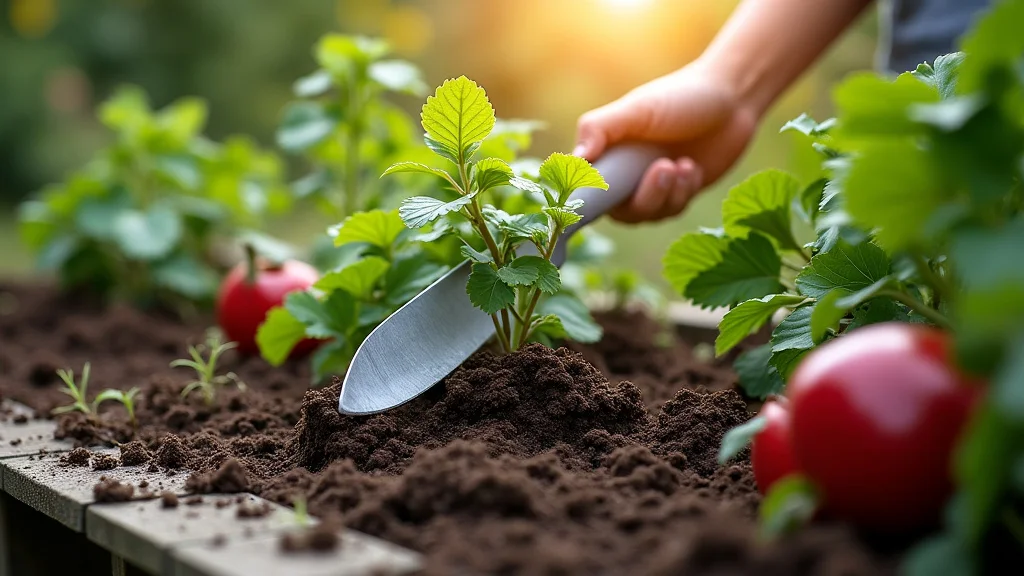
Picture this: you’re finally ready to cultivate that dream garden. You’ve got the space, the sun, and the enthusiasm, but you’re staring at a collection of mismatched, rusty tools. Sound familiar? We’ve all been there! Choosing the right gardening tools professional can make a world of difference, turning a potential struggle into a satisfying experience. This guide will help you select the essential tools, understand their uses, and learn how to maintain them, ensuring your garden flourishes. Get ready to transform your gardening game and enjoy the fruits (and vegetables!) of your labor.
Key Takeaways
- Learn about the fundamental tools every gardener needs.
- Discover how to choose high-quality tools that last.
- Understand the different types of tools for various gardening tasks.
- Find out how to properly care for and maintain your tools.
- Explore the best tools for specific gardening projects.
- Gain insights on tool storage and organization for maximum efficiency.
Choosing the Best Gardening Tools Professional
Selecting the right gardening tools professional is more than just grabbing the first ones you see. It’s about investing in tools that are durable, comfortable to use, and suited to your specific gardening needs. This initial investment in quality often pays off in the long run, saving you money and frustration. Good tools make gardening more enjoyable, allowing you to work efficiently and achieve better results. Let’s explore the essential factors to consider when choosing your tools.
Quality Materials and Construction
The materials used in construction are key for tool durability. Look for tools made from high-quality steel, such as carbon steel or stainless steel, for the blades and working parts. These materials resist rust and corrosion, extending the tool’s lifespan. Handles should be constructed from sturdy materials as well. Options include hardwood (ash or hickory), fiberglass, or reinforced plastic. Hardwood handles are attractive and comfortable, but require more maintenance, like oiling. Fiberglass is lightweight and strong, but can be less forgiving. Reinforced plastic offers a balance of durability and affordability.
- Blade Materials: Choose tools with blades made from carbon steel for sharpness and durability or stainless steel for rust resistance. Consider the hardness of the steel, indicated by the Rockwell hardness (HRC) rating. Higher HRC indicates greater durability.
- Handle Materials: Opt for handles made from hardwood, fiberglass, or reinforced plastic. Hardwood handles provide a classic feel and are shock-absorbent, while fiberglass is strong and weather-resistant. Plastic handles can be lighter and less expensive.
- Construction Methods: Look for tools that have a solid construction. Blades should be firmly attached to handles, and joints should be welded or riveted securely. Examine the tool’s overall build for signs of weakness or poor craftsmanship.
Consider the grip of the tool. Ergonomic designs, with curved or cushioned handles, reduce strain and fatigue during prolonged use. This is particularly important for tools like shovels, hoes, and rakes. Some tools have a rubberized grip that provides better control, even when hands are wet or sweaty. Proper balance is also essential. The weight distribution should feel comfortable and make the tool easy to maneuver. A well-balanced tool improves efficiency and reduces the risk of injury.
Ergonomics and Comfort
Gardening can be physically demanding. Ergonomics plays a huge role in minimizing strain and maximizing comfort. Tools with ergonomic designs are shaped to fit the hand comfortably, reducing stress on the wrists, hands, and back. Consider the length of the handle, the angle of the blade, and the grip material. Tools that feel good in your hand will improve your gardening experience. Using ergonomic tools can also help to prevent conditions such as carpal tunnel syndrome and tendinitis. Investing in comfortable tools is an investment in your well-being.
- Handle Design: Select tools with ergonomically designed handles. Look for handles that are curved, angled, or have textured grips. These features reduce strain and improve control. Soft grip handles provide added comfort and reduce hand fatigue.
- Tool Weight: Choose tools that are lightweight and easy to handle. Heavy tools can cause fatigue, particularly during extended use. Consider the overall weight of the tool, including the blade and handle.
- Size Considerations: Select tool sizes that are appropriate for your body size and strength. A tool that is too large or too small can be difficult to manage and may lead to injury. Children’s and seniors’ tools are available.
Choosing the correct tool weight can make a massive difference. For example, a heavy shovel may be fine for digging a small hole, but using it all day in a large garden can wear you down. Conversely, a lighter tool may not be strong enough for heavy-duty tasks. The ideal tool weight depends on the task and your personal preferences. Experiment with different tools to find what is most comfortable for you. The comfort of the tool directly influences how much you enjoy gardening. A tool that feels right in your hands makes gardening a pleasure.
Tool Types and Their Uses
There is a vast array of gardening tools professional designed for different tasks. Understanding the specific uses of each tool helps you select the right ones for your garden. From digging and planting to weeding and pruning, the proper tools ensure efficiency and effectiveness. Each tool is designed to perform a particular task. Having the correct tools for the job simplifies gardening and enhances your success. Let’s delve into the major categories of gardening tools and their roles.
Digging and Planting Tools
These tools are crucial for preparing soil, planting seeds, and transplanting seedlings. A good quality spade or shovel is a must-have for turning over soil, digging holes, and moving soil. A trowel is ideal for smaller tasks like planting and transplanting. A hand fork is perfect for loosening soil around plants. These tools ensure the proper soil preparation and plant placement for optimal growth. Investing in high-quality digging tools can make the process easier and more effective.
- Spade/Shovel: Used for digging, turning soil, and moving materials. Look for a sturdy blade and a comfortable handle. Choose a spade for digging and a shovel for moving materials.
- Trowel: A small hand tool for planting and transplanting seedlings, and for weeding. Select a trowel made of stainless steel or carbon steel for durability.
- Hand Fork: Perfect for loosening soil, removing weeds, and aerating the soil around plants. A solid, one-piece hand fork is preferable for its strength.
Consider the size and shape of the shovel or spade head. A pointed blade is perfect for digging narrow holes, while a square blade is more suited for moving loose materials. Ergonomic handles can reduce strain on your back and shoulders. The length of the handle is important. A long-handled tool is excellent for digging in an upright position, while a short-handled tool is better for smaller spaces. Make sure that the handle is securely attached to the blade, as loose handles can cause frustration and injury.
Weeding and Cultivating Tools
Weeding tools keep unwanted plants at bay, while cultivation tools help aerate the soil and control weeds. A hoe is your best friend for removing weeds and cultivating the soil. A cultivator or rake is great for breaking up soil, leveling, and removing debris. These tools are key to maintaining a healthy and productive garden. Regular use of these tools keeps your garden tidy and your plants happy.
- Hoe: Used for weeding, cultivating soil, and creating furrows for planting. Choose the right hoe for your needs. A draw hoe is designed to slice just below the surface and a push-pull hoe is designed to remove weeds by pushing and pulling.
- Cultivator: Loosens soil, removes small weeds, and breaks up soil crust. Look for a cultivator with strong tines and a comfortable grip.
- Rake: Levels soil, removes debris, and prepares seedbeds. A metal-tined rake is great for breaking up clumps of soil and smoothing the surface.
A good hoe should have a sharp blade for effective weeding. Consider the weight and balance of the hoe to find one that is comfortable to use. Cultivators come in various designs, from small hand-held tools to larger models with multiple tines. Rakes are made with different tine materials and spacing. The right rake can gather leaves, spread mulch, and level soil. Choose a rake that suits your garden’s size and needs.
Pruning and Cutting Tools
These tools are essential for shaping plants, removing dead or diseased branches, and harvesting crops. Pruners are used to make clean cuts on stems and branches. Loppers allow you to reach higher branches or thicker stems. Saws are employed for removing larger branches. These tools are key to maintaining the health and appearance of your plants. Make sure the blades are sharp and clean to prevent damage to the plants.
- Hand Pruners (Secateurs): Used for trimming small stems and branches. Look for bypass pruners (for clean cuts) or anvil pruners (for thicker, dead wood).
- Loppers: Used for cutting thicker branches that are out of reach or require more leverage. Choose loppers with sharp blades and comfortable handles.
- Pruning Saw: Designed for cutting larger branches that are too thick for pruners or loppers. Ensure the saw has sharp teeth and is easy to handle.
The sharpness of pruning tools is critical. Dull blades tear plant tissue, increasing the risk of disease. Regularly sharpen your tools and clean them after each use. Consider the size and type of the plants you are pruning. Small hand pruners are ideal for flowers and shrubs, while loppers and saws are needed for trees. When pruning, always cut at a slight angle to promote proper healing. A good set of pruning tools allows you to maintain the health and beauty of your garden.
Watering Tools
Water is essential for plant growth, and the right tools make watering efficient and effective. A watering can is perfect for watering individual plants. A hose is versatile for watering larger areas. Sprinklers can be great for providing even coverage. These tools ensure your plants get the water they need. Select tools that provide good water pressure and distribution, as well as consider your watering habits.
- Watering Can: Used for watering individual plants or small areas. Choose a can with a comfortable handle and a rose head for gentle watering.
- Hose: Versatile for watering larger areas. Select a hose that is the right length for your garden, with a durable construction and a comfortable nozzle.
- Sprinkler: Provides even water distribution over a wider area. Consider the type of sprinkler that best suits your garden’s needs (oscillating, rotating, or spot).
Choose a hose made from durable materials that can withstand exposure to the elements. Consider the length, weight, and flexibility of the hose to ensure that it is easy to maneuver. Watering cans come in different sizes and materials. The size and style that you choose should reflect your needs. Make sure the sprinkler you choose will cover the area that you need. Choose nozzles that have multiple spray patterns, to adjust for the different watering needs that your garden has.
Maintaining and Caring for Your Tools
Proper care and maintenance ensure your gardening tools professional remain in top condition, increasing their lifespan and performance. Regular cleaning, sharpening, and storage are key. A well-maintained tool is safer and more effective. Taking good care of your tools is an investment in their longevity, saving you money in the long run. Good tool care also keeps your garden safe from potential issues like disease or injury.
Cleaning and Sharpening
Cleaning tools after each use removes soil, sap, and other debris that can damage the blades and cause rust. Sharpening keeps cutting tools performing well. A sharp blade is safer and more efficient. Clean tools are essential for preventing the spread of disease. Regular maintenance ensures your tools are ready for use. A regular cleaning and sharpening schedule is your best approach.
- Cleaning: After use, wipe down tools with a damp cloth to remove soil and debris. For stubborn dirt, use a wire brush or scraper. Rinse tools with water and dry thoroughly to prevent rust.
- Sharpening: Keep pruning shears, loppers, and other cutting tools sharp. Use a sharpening stone, file, or a specialized tool sharpener. Follow the manufacturer’s instructions.
- Lubrication: Apply a light coat of oil to the moving parts of pruners and loppers after cleaning and sharpening. This will prevent rust and ensure smooth operation.
Use a rust remover for tools with significant rust. Make sure you remove all rust and dirt before sharpening. If you have the need to remove rust, you should sand the tool with steel wool. Using a file, or sharpening stone can maintain a sharp edge on blades. Make sure to sharpen at the proper angle. This will keep the cutting tools clean and sharp, ensuring the cuts are smooth and precise. A well-maintained tool will cut efficiently and with ease.
Storage and Organization
Proper storage protects your tools from the elements and keeps them organized. Storing tools in a shed, garage, or even a designated corner of your garden keeps them out of the weather and prolongs their life. Organized storage makes it easy to find the tools you need. Proper storage also enhances safety and protects your tools from damage. A well-organized storage system saves time and reduces frustration. Organization is key.
- Tool Racks and Hangers: Use tool racks or hangers to keep tools off the ground and organized. This keeps tools dry and accessible. Mount racks on a wall or fence for easy access.
- Toolboxes and Baskets: Store smaller tools in a toolbox or basket to keep them together and prevent them from getting lost. A toolbox keeps small tools together and offers portability.
- Clean and Dry Environment: Store your tools in a clean, dry location to prevent rust and corrosion. A shed or garage is an ideal storage spot.
Consider the size of your garden and the number of tools you own. Tailor your storage system to accommodate your specific needs. Label storage areas for each tool type. Make sure the tools are easily accessible. Consider investing in a tool shed or garden cart for convenient storage. Place a tool rack near your work area. This saves time and makes gardening more enjoyable. Proper organization helps to make gardening easier.
Safety Practices
Safety should always be a top priority when using gardening tools professional. Wear appropriate safety gear. Use tools correctly and be aware of your surroundings. Proper handling of tools prevents injury and ensures a safe experience. Safe gardening practices protect you and your plants. Prioritize safety with every task you do.
- Wear Protective Gear: Wear gloves to protect your hands, safety glasses to protect your eyes, and sturdy shoes to protect your feet. Consider using knee pads if kneeling.
- Tool Handling: Always hold tools by their handles and be aware of where the cutting edges are. Carry sharp tools carefully, and never leave them unattended.
- Tool Maintenance for Safety: Regularly inspect tools for damage. Replace damaged tools or parts promptly. Make sure tools are clean and sharp.
When using pruning tools, keep a safe distance from other people. Always point sharp tools away from yourself and others. Never use tools while fatigued. Always work in a well-lit area. Remove obstacles from the area before you begin working. Proper planning can help prevent accidents. Following these guidelines makes gardening a safe and enjoyable experience. The right safety practices prevent injury and create a positive gardening experience.
Specific Tools for Different Gardening Projects
Different gardening projects require specific tools. Understanding which tools are best suited for each project enhances efficiency and results. Whether you’re working in a vegetable garden, flower bed, or lawn, having the right tools makes the job easier and more enjoyable. Choosing the correct tools is fundamental for your success. Tailor your tools to the project at hand.
Vegetable Gardening
Vegetable gardens often require specialized tools for planting, weeding, and harvesting. A good set of tools can make growing your own food easier and more rewarding. From preparing the soil to harvesting your crops, having the right tools simplifies the work. Choosing the right tools can increase your harvest and make your time more enjoyable.
- Hand Trowel: Used for planting seedlings and transplanting small plants. Choose a trowel with a sturdy blade for digging in the soil.
- Hoe: Necessary for weeding between rows and for hilling up soil around plants. Make sure the hoe blade is sharp for effective weeding.
- Harvesting Knife: A sharp knife is ideal for cutting vegetables like tomatoes, peppers, and cucumbers. Choose a knife with a serrated blade for cleaner cuts.
For vegetable gardens, consider a garden fork for breaking up soil. Use a watering can or drip irrigation to ensure your plants get enough water. Use a soil knife to cut roots when transplanting. A wheelbarrow makes it easy to move soil, mulch, and compost. Good tools support the healthy growth of your vegetables. They save you time and increase the quality of your harvest. Having the proper tools can make growing vegetables more pleasurable.
Flower Gardening
Flower gardens often demand more finesse than vegetable gardens. Proper tools are essential for planting, pruning, and deadheading flowers. Having the right tools ensures that your flowers thrive. Proper planning is essential. Proper tools allow for precise care of your plants.
- Hand Pruners: Used for cutting stems, deadheading flowers, and trimming small branches. Choose bypass pruners to make clean cuts.
- Hand Fork: Loosens the soil and aerates around the flowers without damaging roots. A hand fork also makes weeding easier.
- Weeding Tool: Remove weeds without damaging the surrounding flowers. A weeding tool will allow you to get close to the roots.
Use a watering wand or a sprinkler system to provide gentle watering. Make sure you use a measuring cup for fertilizers. A good garden cart can make transporting soil and mulch easier. Always remove dead flower heads to encourage new blooms. Sharp pruners are essential for maintaining the health of your flowers. A well-equipped flower garden improves both the appearance and health of your plants.
Lawn Care
A well-maintained lawn enhances the beauty of your garden. The right tools for mowing, edging, and aerating keep your lawn looking its best. Proper care is essential. From mowing to fertilizing, having the right tools ensures a healthy lawn. Make sure you use the right tools for your specific needs.
- Lawn Mower: Regular mowing maintains a healthy, even lawn. Consider the size of your lawn when choosing a mower.
- Edger: Creates clean edges along sidewalks and flower beds. Select an edger that fits your needs (manual or powered).
- Aerator: Improves soil health and promotes healthy grass growth. Use a core aerator to remove plugs of soil.
Use a rake to remove thatch, which helps your grass to grow. A spreader helps in applying fertilizer, and grass seed. A garden hose is ideal for watering the lawn, or consider installing a sprinkler system. Choose the right mower for your lawn size, whether it is a push mower, or a riding mower. Proper tools are key to achieving a lush, green lawn. Correct tools help keep your lawn looking beautiful, all year round.
Frequently Asked Questions
Question: How often should I sharpen my pruning shears?
Answer: Sharpen your pruning shears after every use or when the cuts become rough or require more effort. Regular sharpening makes the tools more efficient and prevents damage to plants.
Question: What’s the best way to clean rust off my tools?
Answer: Start by removing loose rust with a wire brush or steel wool. Soak the tool in white vinegar for a few hours. Use the brush to remove remaining rust and rinse the tool before drying. Then, apply a light coat of oil to prevent future rust.
Question: Are ergonomic tools worth the extra cost?
Answer: Yes, ergonomic tools can be worth the extra investment. They are designed to reduce strain and fatigue, making gardening more comfortable and enjoyable, especially during extended use.
Question: How do I choose the right size of shovel?
Answer: The ideal shovel size depends on your height and the type of work you’ll be doing. A shorter handle is ideal for tight spaces, while a longer handle is better for general digging. Consider the blade size and weight.
Question: What is the best way to store my tools during the winter?
Answer: Before storing tools for winter, clean and dry them thoroughly. Sharpen cutting tools and apply a light coat of oil to prevent rust. Store them in a dry, covered space, such as a shed, garage, or tool rack.
Final Thoughts
Equipping yourself with the right gardening tools professional can significantly enhance your gardening experience. From choosing high-quality materials to understanding the specific uses of each tool, this guide has provided a comprehensive overview to help you. Remember, proper maintenance, including cleaning, sharpening, and storage, is crucial for extending the lifespan and performance of your tools. By investing in the correct tools and learning how to care for them, you’re setting yourself up for success. So, take the time to evaluate your needs, select the best tools for your garden, and enjoy the satisfaction of working in a well-equipped, efficient, and enjoyable gardening space. Now, get out there and grow something amazing!