
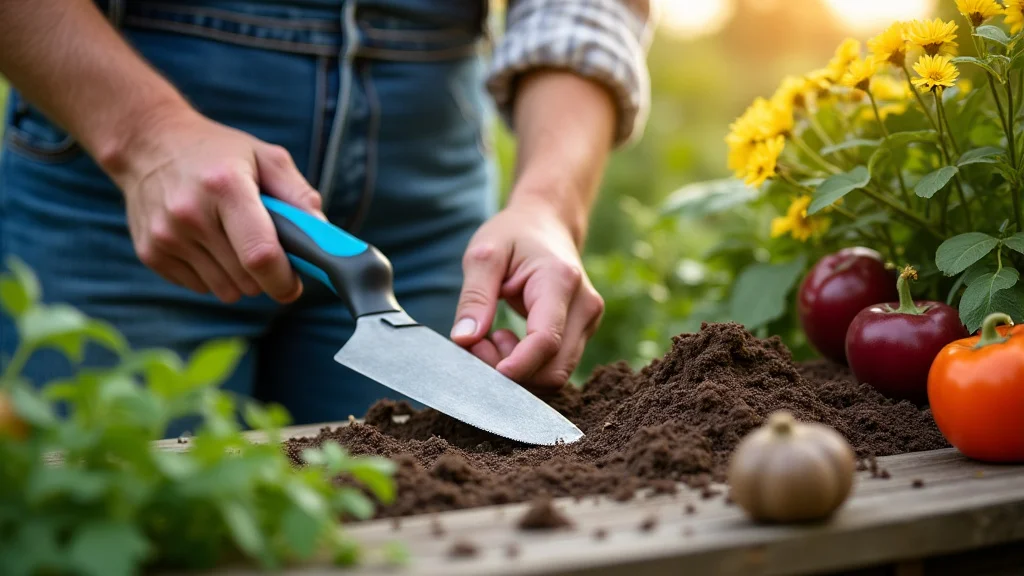
My grandmother, bless her heart, always loved her garden. But as she got older, simple tasks like weeding and planting became a real struggle. She used to spend hours hunched over, her back aching after just a few minutes. Seeing her frustration made me realize the importance of gardening tools for elderly people. This post explores the best tools to make gardening easier and more enjoyable for seniors, offering practical advice and recommendations. You’ll learn how to choose tools that reduce strain and promote independence, improving both the experience and the physical comfort of a gardener. We’ll explore tool features, ergonomic designs, and other considerations to help seniors get back to doing what they love. You’ll also learn the benefits of gardening tools specifically created for seniors. This will help you to choose the right gardening tools for elderly and will lead to more fun and less back pain.
Key Takeaways
- Discover the importance of ergonomic design in gardening tools.
- Learn how to choose tools based on individual physical capabilities.
- Explore different types of tools that are ideal for senior gardeners.
- Find out about tools that make tasks like planting and weeding easier.
- Understand the benefits of tools that extend reach and reduce bending.
- Get tips for maintaining and storing gardening tools.
Adapting Your Garden for Easier Enjoyment
One of the biggest challenges for seniors in the garden is adapting to changes in physical abilities. Reduced flexibility, strength, and stamina can make traditional gardening tasks difficult and sometimes painful. To ensure continued enjoyment of this beloved activity, it is important to choose the right gardening tools. Choosing the right gardening tools for elderly can make a huge difference in how much someone is able to enjoy the activity. From the layout of the garden to the specific tools used, modifications can transform the gardening experience, making it easier, safer, and more satisfying. Proper adaptation can allow seniors to continue enjoying the therapeutic benefits of gardening.
Ergonomic Designs That Reduce Strain
Ergonomic design is key when selecting gardening tools for elderly. These tools are specifically created to reduce strain on the body, especially the back, wrists, and hands. Look for tools with features such as curved handles that fit naturally in the hand, reducing the need for gripping, which can cause pain. Ergonomic tools also often have padded grips that improve comfort and decrease the risk of blisters. The benefits of ergonomic design extend beyond physical comfort. By reducing strain, these tools allow seniors to garden for longer periods without fatigue, enhancing enjoyment and promoting a sense of accomplishment.
- Curved Handles: These handles encourage a more natural hand position, minimizing wrist strain. They help the gardener to maintain a comfortable grip, crucial for those with arthritis or limited hand strength.
- Padded Grips: The cushioning provided by padded grips reduces pressure on the hands and prevents blisters. Soft grips improve comfort during prolonged use and reduce hand fatigue. They also provide a more secure grip, even when hands are wet.
- Lightweight Materials: Tools made from lightweight materials are easier to lift, hold, and maneuver. This is very important for seniors who may have difficulty with heavy tools. Aluminum or composite materials are very popular.
- Extended Handles: Tools with extended handles allow gardeners to reach plants without excessive bending or stretching. This is important for those who have trouble bending at the waist.
Curved handles offer a more comfortable experience than straight handles. The ergonomic shape allows for better leverage and reduces the effort required to use the tools. This design helps to prevent strain. They are typically made from durable materials that can withstand regular use.
Padded grips are generally made of soft, yet durable materials such as rubber or foam. These materials absorb shock, adding to the comfort of the gardener. The added comfort and secure grip allows those with arthritis or weakness in their hands to continue to work in the garden.
The lightweight design helps reduce strain and fatigue, especially during extended gardening sessions. These tools still have to be sturdy and durable for gardening tasks. Light-weight tools allows for more independence, which is one of the most important things for seniors.
This design helps to reduce the strain on the back and knees. The extra reach minimizes the need to move around the garden, making gardening easier. Extended handles are available for various tools like trowels and cultivators.
Key Types of Ergonomic Tools for Seniors
Selecting the right types of tools is as crucial as choosing ergonomic designs. Different tasks in the garden require different tools, and some are better suited for elderly gardeners than others. The right selection helps ensure that gardening remains an enjoyable activity. Considering factors like ease of use, weight, and the physical demands of different tasks is a must. Proper selection helps maximize comfort and minimize physical strain. Finding the tools that fit a senior’s particular needs is essential for promoting continued enjoyment of the hobby.
- Long-Handled Tools: These tools, such as cultivators, hoes, and weeders, allow gardeners to work while standing, reducing the need to bend. The extended reach helps prevent back strain.
- Ergonomic Hand Tools: Trowels, hand rakes, and hand cultivators designed with ergonomic handles help to lessen strain on the wrists and hands. These are used for tasks like planting and cultivating.
- Raised Garden Beds and Planters: Elevated beds and planters bring the plants closer to the gardener. This reduces the need for bending and kneeling. They also make it easier to reach plants.
- Adjustable Stools and Kneelers: These tools provide support while working in the garden, allowing the gardener to sit or kneel comfortably. They reduce strain on the back and knees.
Long-handled tools are great for weeding and cultivating flower beds or vegetable gardens. They are also useful for tasks like preparing soil. These tools typically have lightweight handles made from aluminum or fiberglass. The length of the handles and the angle of the tool head is essential in reducing strain and making gardening easier.
The ergonomic design of these hand tools often includes features like curved handles and padded grips. These features reduce the effort needed to grip the tool. Look for tools made from durable materials, like stainless steel, to ensure a long lifespan.
Raised beds are available in various heights and materials, allowing for customization. Planters are portable and can be placed in convenient locations. These structures create a comfortable and accessible gardening experience. They can also minimize the strain on joints.
Adjustable stools typically have padded seats and can be moved around the garden easily. Kneelers often have padded surfaces and handles for support, making it easier to get up and down. These tools improve comfort during planting, weeding, and other tasks.
Adapting Tools for Individual Needs
Every senior has different physical capabilities. Adapting existing tools or selecting tools with adjustable features is essential. This can make gardening easier for them. From customized handles to modified tools, adaptations can promote independence and enhance the gardening experience. Finding the right modifications means seniors can continue to enjoy gardening. It also increases the potential for success with the hobby.
- Adding Grips to Tool Handles: Many seniors with arthritis or limited hand strength find it challenging to grip tool handles. Adding foam tubing or grip tape can increase the diameter of the handle, making it easier to hold.
- Using Tool Extenders: Tool extenders can be very useful if bending is a challenge. Tool extenders allow the gardener to use standard tools with increased reach, making it easier to reach plants without strain.
- Choosing Lightweight Materials: Opting for tools made from lightweight materials like aluminum or composite plastics makes a huge difference. This helps to reduce the overall weight of the tools, making them easier to lift and maneuver.
- Customizing Tool Handles: Some seniors may need handles specifically customized to fit their hands. This might involve building up handles with specialized grip materials or using tools with adjustable handle lengths.
This simple modification can significantly improve grip strength. The larger handle reduces the force needed to hold the tool, helping to prevent hand fatigue. The grip tape can be easily applied and removed, allowing for quick customization.
Tool extenders are usually made of lightweight materials like aluminum or fiberglass. They attach easily to existing tools. This extends their reach, reducing strain on the back and knees. They also improve safety by minimizing the need to bend over.
Lightweight tools are particularly beneficial for those with limited upper body strength or joint problems. Lighter tools help to reduce fatigue and allow gardeners to work longer. Look for tools that have been specifically designed for seniors.
Customized handles improve the grip, and they help reduce fatigue. A custom fit can also reduce the risk of injuries, improving the overall comfort of the user. This also helps with creating an independent, safe gardening experience.
Planning the Garden Layout for Accessibility
The layout of a garden is just as important as the tools used. A well-planned garden can make a huge difference in how easily a senior can move around and perform gardening tasks. Accessibility is key, and planning for this includes considering pathways, planting heights, and the location of frequently used items. A thoughtfully laid-out garden allows seniors to maintain their hobby without unnecessary physical challenges. This can improve safety and increase the pleasure derived from gardening.
Designing Accessible Pathways and Surfaces
Creating safe and easy-to-navigate pathways is very important for seniors. The surface of the pathways and the layout of the garden will influence how easy it is to move around. The choice of materials and the width of paths directly affect the ability to move through the garden. Accessible pathways ensure that seniors can enjoy their garden without risk of injury.
- Wide, Stable Pathways: Paths that are at least 3 feet wide can make it easier to navigate with a walker, cane, or wheelchair. Using materials such as paving stones or compacted gravel creates a stable surface.
- Non-Slip Surfaces: Surfaces that are textured or made from non-slip materials can prevent falls. They make it easier and safer to move around.
- Strategic Placement of Resting Areas: Placing benches or seating areas at regular intervals allows seniors to rest as they move through the garden. This provides opportunities for breaks.
- Clear Visibility: Keeping pathways clear of obstacles and ensuring good lighting enhances safety. It also makes it easier for seniors to see where they are going.
Wider paths are necessary for easy movement. Stable surfaces reduce the risk of tripping. Pathways should be free of obstacles like uneven surfaces or loose materials.
Using materials like textured concrete or non-slip pavers reduces the risk of slips. Avoid smooth, polished surfaces, especially in areas that are prone to moisture.
Benches should be placed in shaded areas for comfort. They are also convenient for tasks like weeding. Consider the height of the bench and choose one that’s easy to get on and off.
Good lighting allows for a better view. Keep pathways clear of clutter and overhanging plants. This helps the gardener to avoid tripping hazards.
Optimizing Planting Heights and Accessibility
The height and placement of plants and planting beds can have a big effect on the gardening experience for seniors. Raising the plants to an accessible height makes it easier to work without bending. The overall goal is to reduce strain and ensure that the plants are easy to reach. This can greatly improve the experience. Planning the location of your plants is very important.
- Raised Garden Beds: These beds bring plants closer to the gardener. They reduce the need for bending, which can cause back pain.
- Vertical Gardening: Vertical gardening uses walls and fences to grow plants. This allows for gardening in a smaller space and reduces the amount of bending and reaching.
- Wheelchair-Accessible Designs: If the gardener uses a wheelchair, it is essential to design the garden with their needs in mind. This involves providing wide pathways, raised beds, and accessible planting spaces.
- Strategic Plant Placement: Group plants together so that frequently used items are easily accessible. Place plants that need the most attention within easy reach.
Raised beds are available in various heights and materials. They can be placed in any area of the yard. This allows for easy access from a wheelchair or walker. The raised beds allow for easier weeding and planting.
Vertical gardening involves using trellises, hanging baskets, and wall-mounted planters. This method maximizes gardening space. It also provides easy access to plants. It is a great option for those with limited mobility.
Ensure that pathways are wide enough and beds are accessible. Consider using automatic watering systems to make maintenance easier. Place frequently used tools within easy reach.
Planting close together helps to reduce the amount of walking and moving around the garden. Grouping plants by need makes watering and maintenance tasks easier. This can significantly reduce physical exertion.
Organizing the Garden for Easy Access
How the garden is organized influences ease of use and the gardener’s overall enjoyment of the space. A well-organized garden will make it easier to find tools and plants. Planning for storage and easy access to frequently used items will reduce strain. These measures will increase efficiency and enjoyment.
- Convenient Tool Storage: Keeping tools within easy reach will make them simple to access when they are needed. Consider a tool shed, a wall-mounted tool rack, or a mobile tool cart.
- Organized Planting Areas: Keeping planting areas organized by type of plant or by use reduces confusion. Using labels and plant markers will also make it easier to find the plants.
- Efficient Irrigation Systems: Using automatic irrigation systems, like drip irrigation or soaker hoses, can reduce the need for manual watering. This will save time and energy.
- Sheltered Work Areas: Having a shaded area for gardening tasks is very important. This allows seniors to work outside during hot and sunny weather.
Storage should be organized to make it easy to find tools. Place frequently used tools in an easily accessible location. Consider the physical abilities of the gardener when deciding where to store the tools.
Clearly labeled planting areas reduce the need to bend over to identify plants. Use raised beds and containers to keep plants organized. This helps reduce the effort required.
Irrigation systems reduce the physical strain involved in watering. These systems ensure that plants get the water they need. Using a timer can automate the process.
A shaded area offers protection from the sun and heat. A sheltered work area can also provide protection from rain. Consider the placement of the shade structure and the accessibility of the work area.
Choosing the Right Tools for Specific Gardening Tasks
Certain gardening tasks pose unique challenges to seniors. Matching the right tools to those tasks will reduce strain and improve enjoyment. The correct tools can make even the most difficult gardening chores easier. The correct tools can turn a difficult task into an enjoyable one.
Weeding and Soil Preparation Tools
Weeding and soil preparation can be tough tasks, especially if the ground is hard. The correct tools can make these tasks simpler. Choosing tools that reduce strain can ensure that gardening is a fun and manageable activity. Taking the time to select the right tools for these tasks helps prevent injuries and increase efficiency.
- Long-Handled Weeders: These tools eliminate the need to bend over while weeding. They often have a curved blade to cut weeds at the root.
- Ergonomic Hand Weeders: Ergonomic hand weeders have handles and blades to pull weeds. This makes it easier to work in tight spaces.
- Soil Cultivators with Long Handles: These tools are great for loosening the soil. This helps prepare the soil for planting. The long handles help to reduce the need for bending.
- Hand Rakes with Ergonomic Grips: Hand rakes help with soil preparation. The ergonomic grips provide a more comfortable grip. This makes raking easier.
Long-handled weeders help reduce strain on the back and knees. The design can make weeding faster and more efficient. Choose a lightweight tool that is easy to maneuver.
These tools often have curved handles and padded grips. This helps to reduce strain and prevent blisters. They are ideal for removing weeds near plants or in raised beds.
Choose a cultivator with a sturdy construction that can handle hard soil. Consider tools that have multiple tines for efficient soil preparation. Look for lightweight designs.
Ergonomic hand rakes reduce strain on the wrists and hands. Rakes with curved handles and padded grips are a good option. Choose a size that suits your hand size and strength.
Planting and Transplanting Tools
Planting and transplanting often involve bending, kneeling, and handling small items. The right tools can make these tasks easier and more enjoyable. Choosing the correct tools means that you can make the most of your time and effort in the garden. Finding the right tools can make a big difference for elderly gardeners.
- Trowels with Ergonomic Handles: Trowels with ergonomic handles make planting easier by reducing strain. The curved handles help to reduce the strain on the wrists.
- Hand Transplanters with Cushioned Grips: Hand transplanters help move plants from one location to another. The cushioned grips provide added comfort.
- Planting Spades with Long Handles: Planting spades with long handles help to reduce bending. This is important when planting larger plants or shrubs.
- Seed Sowers and Dibbers: These tools make sowing seeds easier. Dibbers create holes for planting seeds. Seed sowers help distribute seeds evenly.
Ergonomic handles improve comfort and control. Choose a trowel made of rust-resistant stainless steel. Select a size that fits the gardener’s hand and the size of the plants.
Cushioned grips reduce hand fatigue. Choose a transplanter with a sturdy blade for easy use. A tool with a graduated scale makes it easy to measure planting depths.
The long handle helps reduce back strain. Choose a spade made from durable materials. Consider the weight of the spade and how well you can handle it.
These tools are great for those with limited dexterity. Consider a seed sower with adjustable settings for different seed sizes. Choose a dibber with an ergonomic handle.
Watering and Pruning Tools
Watering and pruning are essential gardening tasks that require the right tools to make them easier. Selecting the correct tools will ensure that you can continue to enjoy your hobby. Proper equipment will help to conserve energy and make the experience more pleasurable.
- Lightweight Watering Cans: Lightweight watering cans are great for reducing strain. This helps reduce the strain on the arms and shoulders.
- Hose Nozzles with Adjustable Settings: Hose nozzles allow for control of water flow and are easy to use. Adjustable settings allow for different watering needs.
- Pruning Shears with Easy-Grip Handles: These shears will help to make pruning easier. Look for models with spring-loaded mechanisms.
- Loppers with Long Handles: These tools make cutting thicker branches easier. The long handles help to increase leverage and reduce the need for bending.
Choose a watering can with a comfortable handle and a spout designed for easy pouring. Consider a watering can with a rose head for gentle watering. This ensures that the plants get the water they need.
Choose a nozzle with an ergonomic handle for comfort. A nozzle with a lock-on feature can save the gardener energy. Select a nozzle with different spray patterns.
Easy-grip handles reduce the strain on hands and wrists. A spring-loaded mechanism makes it easier to open and close the shears. Choose shears that are made from sharp, durable materials.
Long handles make pruning larger branches easier. Choose loppers made of lightweight materials. Consider the size of the branches you will be cutting.
Safety and Maintenance of Gardening Tools
Safety and regular maintenance can make your tools last longer and perform more efficiently. Knowing how to maintain your tools and using them safely can help prevent accidents and injuries. This will also increase enjoyment.
Safe Tool Handling Practices
Following safe practices will help to prevent accidents and injuries in the garden. Safe handling will protect the gardener. Safety practices help increase enjoyment of the hobby.
- Proper Storage of Tools: When the tools are not in use, store them in a secure and accessible location. This prevents accidental injuries.
- Using Safety Gear: Use gloves, eye protection, and sturdy footwear while gardening. This will provide protection from potential hazards.
- Awareness of Surroundings: Be aware of the surroundings and obstacles. This prevents tripping, falls, and injuries.
- Tool Maintenance: Regularly inspect tools for damage. Dull or damaged tools can be dangerous and inefficient.
Store sharp tools, such as pruning shears and knives, in a locked cabinet or drawer. Store tools upright to reduce the risk of tripping. Ensure that tools are out of reach of children and pets.
Gloves protect hands from cuts, blisters, and dirt. Eye protection prevents eye injuries. Sturdy footwear provides traction and prevents injuries.
Clear pathways and remove any obstructions. Ensure that the gardening area is well lit. Check the weather and make plans for changes in the weather.
Inspect tools before each use. Sharpen dull blades and repair any damage immediately. Clean tools after each use.
Cleaning and Storing Tools
Regular maintenance will help to keep your tools in excellent condition. Regular maintenance helps to increase their lifespan. Cleaning and storage will also improve performance.
- Cleaning Tools: Clean tools after each use. This removes dirt and plant debris. This will prevent rust.
- Sharpening Blades: Sharpening blades is very important. This ensures they are cutting efficiently and safely.
- Oiling Moving Parts: Oil moving parts regularly. This will prevent rust and keep the tools working smoothly.
- Storing Tools Properly: Store tools in a dry place. This helps to protect them from the elements.
Use a brush to remove dirt. Wash tools with warm, soapy water. Dry the tools thoroughly. Apply oil to prevent rust.
Use a sharpening tool to sharpen blades. Follow the manufacturer’s instructions. Sharpen blades regularly.
Apply oil to hinges, joints, and other moving parts. Use a lubricant suitable for the tool. This reduces friction.
Store tools in a tool shed or a garage. Hang tools on a wall or store them on a rack. Cover tools to protect them from dust and dirt.
Additional Considerations and Recommendations
Selecting the right tools is only part of the solution. Considering additional options, such as accessories and local resources, will help to increase the gardening experience. Finding ways to simplify tasks or acquire support will make gardening a more manageable activity.
Accessories That Enhance Gardening
Several accessories can improve the ease and enjoyment of gardening for seniors. These items can make the activity safer and more pleasurable. From supportive seating to effective storage solutions, accessories provide practical support.
- Garden Carts and Wheelbarrows: These tools make it easy to move soil, plants, and tools around the garden. They help reduce the need for lifting and carrying heavy items.
- Kneeling Pads and Cushions: These provide a comfortable surface for kneeling. They help to protect the knees.
- Sun Hats and Protective Clothing: Sun protection is very important. Protective clothing will help protect the skin from sun exposure.
- Tool Belts and Aprons: Tool belts and aprons help to keep tools within reach. They reduce the need to bend or reach for tools.
Choose a cart or wheelbarrow with large wheels for easy maneuverability. Look for models with ergonomic handles for ease of use. A lightweight design is also important.
Choose a kneeling pad made from durable, waterproof material. Ensure the pad is thick enough to provide adequate cushioning. A model with handles makes it easier to carry.
Choose a wide-brimmed hat to protect the face and neck. Wear long sleeves and pants made from lightweight, breathable fabric. Wear sunscreen.
Look for tool belts and aprons with multiple pockets to organize tools. Choose a lightweight, adjustable design. This will provide convenience.
Resources and Support Systems
Accessing local resources and support systems can make gardening easier. From community programs to assistance from neighbors and relatives, these resources can provide support and guidance. These are also helpful for sharing gardening knowledge.
- Local Gardening Clubs and Societies: These are great for connecting with other gardening enthusiasts. They offer workshops and educational resources.
- Community Gardens: Community gardens offer a shared gardening space. This gives you a place to garden and socialize with others.
- Home Health and Occupational Therapy: Home health services offer support. Occupational therapists will provide recommendations for adapting the garden.
- Family and Friends Support: Ask family and friends for assistance. This is a very helpful source for support.
Find a local gardening club or society and become a member. Attend workshops and learn from other gardeners. Participate in events. Exchange tips.
Join a community garden. This provides access to gardening plots and shared resources. Share gardening knowledge and support others. This also improves social well-being.
Consult with a home health agency or occupational therapist. Get advice on ergonomic tools and garden adaptations. This helps to meet individual needs.
Enlist the help of family and friends to assist with gardening tasks. Arrange regular visits to help with tasks. Exchange gardening expertise and create a network of support.
Frequently Asked Questions
Question: What are the most important features to look for in gardening tools for elderly people?
Answer: Prioritize ergonomic designs with curved handles, padded grips, and lightweight materials. Look for tools that minimize bending and offer extended reach, such as long-handled tools and raised garden beds.
Question: What kind of tools are most helpful for those who have trouble bending?
Answer: Long-handled tools are a must! These include long-handled weeders, cultivators, and planting spades. Raised beds and vertical gardening options also make it easier to avoid bending.
Question: How can I make my garden more accessible for someone with limited mobility?
Answer: Design wide, stable pathways, choose non-slip surfaces, and place seating areas strategically. Consider raised beds, vertical gardening, and wheelchair-accessible designs to make the space usable.
Question: How do I choose the right type of watering tools?
Answer: Look for lightweight watering cans, hose nozzles with adjustable settings, and, if possible, automatic irrigation systems. These choices help to conserve energy and reduce the strain of carrying water.
Question: What is the best way to maintain gardening tools?
Answer: Clean tools after each use, sharpen blades regularly, and oil moving parts. Store tools in a dry place to prevent rust and damage, ensuring they last longer and perform well.
Final Thoughts
Choosing the right gardening tools for elderly gardeners can make a huge difference in their ability to continue enjoying this hobby. By focusing on ergonomic design, accessibility, and the specific needs of the individual, you can create a gardening experience that’s both enjoyable and safe. We’ve explored ergonomic designs, discussed the importance of adaptable gardens, and looked at safety. The right tools can decrease physical strain. Remember, simple changes to a garden’s layout, such as raised beds, can make a huge difference. Don’t be afraid to try different tools and adapt to find what works best. Encouraging seniors to garden means more than just providing tools, it is about supporting a life of activity and enjoyment. So, gear up with the right equipment, plan your garden with your loved one, and get ready for a fulfilling experience! Get outside, enjoy your garden, and create a space where everyone thrives!