
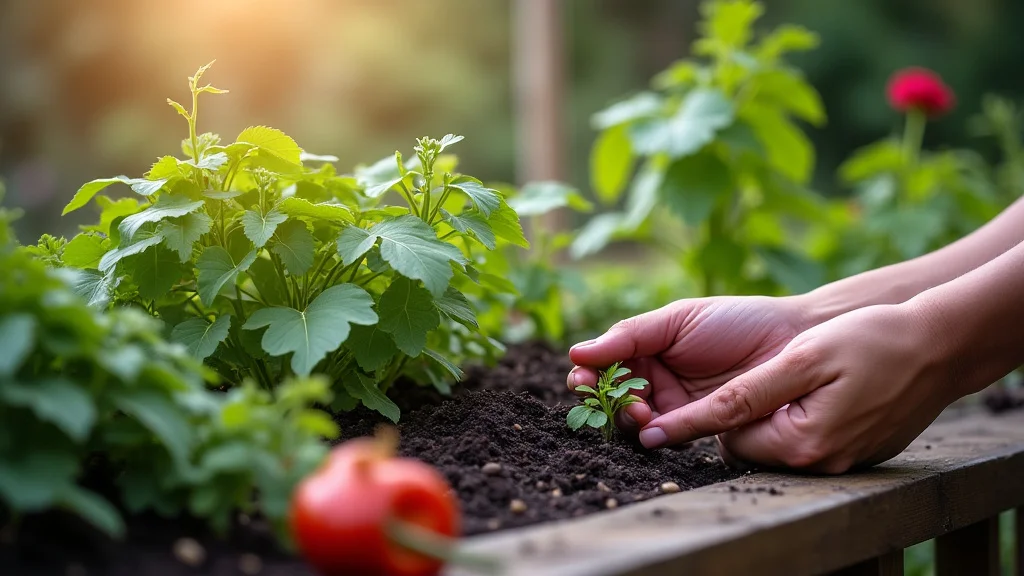
Remember that time your grandma, a passionate gardener, could barely grip her favorite trowel? Arthritis had made her beloved hobby a painful struggle. Seeing her determination to keep her garden thriving, despite the pain, was inspiring. This blog post is dedicated to helping anyone facing similar challenges. We’ll explore gardening tools for arthritic hands, offering practical advice and solutions. You’ll discover how to choose the right tools, learn about helpful features, and find techniques to make gardening enjoyable again. This information will equip you with knowledge to continue gardening comfortably and independently, significantly improving your quality of life.
Key Takeaways
- You will learn about specific features to look for in gardening tools for arthritic hands.
- You’ll discover ergonomic designs that reduce strain and improve grip.
- The post covers helpful accessories that enhance the gardening experience.
- You’ll find ways to modify existing tools for easier use.
- It includes tips for adapting gardening techniques to minimize stress on joints.
- You’ll understand how to choose the best tools for your particular needs.
Choosing the Right Gardening Tools for Arthritic Hands
Selecting the correct tools can make all the difference when you’re dealing with arthritis. The wrong equipment can amplify pain and make gardening a frustrating experience. But with some thoughtful choices, you can find tools that work with your body, not against it. This section will guide you through the essential features and considerations when shopping for gardening tools for arthritic hands. We’ll explore different designs, materials, and features that can significantly reduce strain and allow you to continue enjoying your favorite pastime.
Ergonomic Designs That Make a Difference
Ergonomics is key when it comes to gardening with arthritis. Traditional tools often require a tight grip and repetitive motions that can exacerbate joint pain. Ergonomic tools are crafted with comfort and efficiency in mind. They usually feature handles that are shaped to fit comfortably in your hand, reducing the strain on your wrists and fingers. Look for tools with padded grips made of soft, non-slip materials. The angle of the handles is also important; angled handles can keep your wrists in a more natural position. By selecting tools with these features, you can make gardening much less painful and more enjoyable.
- Curved Handles: These handles distribute pressure evenly across the palm and fingers.
- Wide Grips: Wide grips help to spread the force over a larger area, reducing pressure points.
- Angled Handles: Angled handles help to keep your wrists in a natural position.
Curved handles are an example of an ergonomic design specifically made to fit the shape of your hand. This design reduces strain by allowing you to grip the tool with less effort. The curve also helps to keep your wrist in a more neutral position. This means your wrist isn’t bent or twisted, which can cause pain if you have arthritis. Curved handles can be found on a variety of tools, including trowels, cultivators, and hand rakes. This small but important change can make a big difference in comfort. They provide a secure grip, enabling you to apply the right amount of force without overextending your joints.
Wide grips are often made from soft materials like rubber or gel, which provide additional comfort. The thicker handles are easier to hold for those with limited hand strength or dexterity. By distributing pressure more evenly, wide grips can help to minimize fatigue, allowing you to garden for longer periods. This is especially helpful for people with arthritis, as it reduces the strain on your joints. Look for tools that have grips that are easy to clean and maintain.
The correct angle on a gardening tool can significantly lessen the strain on your wrist. Angled handles change the way you hold the tool, keeping your wrist aligned more naturally. This position is easier on your joints and reduces the risk of pain and injury. Look for tools that angle the handle downwards or sideways, as this can change the stress on your wrists. It is beneficial to try out different types of angled handles to see what feels most comfortable for you. Gardening with the correct tools can make a great difference in how much enjoyment you get from your time spent outdoors.
Material Matters: Selecting Lightweight and Durable Tools
The material your gardening tools are made from can significantly impact ease of use. Heavy tools can be difficult to manage, especially for people with reduced strength or mobility. Tools crafted from lightweight materials like aluminum or composite plastics are easier to lift and maneuver. But lightness shouldn’t come at the cost of durability. The tools should be able to withstand regular use in soil and outdoor conditions. It is important to find a balance between weight and strength. Choosing tools constructed with high-quality materials ensures they last longer. Therefore, you spend less time replacing them and more time in your garden.
- Aluminum: Offers a good balance of weight and strength.
- Composite Plastics: Can be very lightweight and often include ergonomic features.
- Stainless Steel: Provides excellent durability and rust resistance.
Aluminum tools are known for being lightweight, which makes them easier to handle. It is an excellent choice for individuals who want to minimize the strain on their hands and wrists. The material is also rust-resistant and durable, so these tools can handle different weather conditions. You will find that aluminum tools are great for general gardening tasks like digging, planting, and weeding. They are usually available at a variety of price points, which means that finding one that suits your needs and budget is easy.
Composite plastics are used in the construction of gardening tools because they offer a number of benefits. They are very lightweight and provide for easy maneuverability. These tools often have ergonomic features and handles designed for comfort. The plastic material is rust-proof and easy to clean. Composite tools are often more affordable than tools made from heavier materials. This makes them a practical choice. The variety in design and features means there are options to suit many gardening needs. With the right composite tools, you can experience a more enjoyable gardening experience.
Stainless steel tools are a good option for gardeners because they are durable and rust-resistant. They are able to withstand tough conditions, providing long-lasting performance. Stainless steel tools are often heavier than aluminum or plastic options. However, the added weight can be an advantage when you need more power for tasks such as digging. The smooth surface of stainless steel tools also means they are easy to clean. This can prevent the build-up of dirt and rust, which keeps the tools in top condition. They are a great investment for any gardener looking for quality and reliability.
Essential Tool Types for Arthritic Hands
While various tools can be used in the garden, some are more essential for gardeners with arthritis. Certain tools are particularly helpful in making common tasks easier. When selecting these tools, consider the grip design, weight, and overall ergonomics to ensure they are comfortable and effective to use. This way, you can build a collection of tools that enables you to enjoy your gardening activities with less strain and more satisfaction.
- Trowels: Crucial for planting and transplanting.
- Hand Cultivators: Ideal for loosening soil and removing weeds.
- Hand Rakes: Useful for leveling soil and gathering debris.
Trowels are an essential tool for all gardeners, but especially for those with arthritis. Choose a trowel with a comfortable, ergonomic handle to reduce strain on your hand. Look for a handle that is wide and padded. This will provide a good grip and distribute pressure evenly. The trowel’s blade should be made of durable material, such as stainless steel, to withstand use in the soil. The trowel is most often used for planting small plants and transplanting seedlings. A good trowel enables you to do the task with ease and less pain. They allow you to enjoy your gardening activities.
Hand cultivators are very helpful for managing your garden, particularly when dealing with arthritis. Cultivators are designed to loosen soil and remove weeds in tight areas. Search for a cultivator with an ergonomic handle to reduce pressure on your joints. Wide, padded grips and angled handles are great. The teeth or blades of the cultivator should be made of durable material. This ensures effectiveness in all types of soil. A good hand cultivator makes weeding and soil preparation much easier, allowing you to maintain your garden with less strain.
Hand rakes are beneficial for a variety of tasks in your garden, such as smoothing soil or gathering leaves. It is important to select a hand rake that is comfortable to use. Look for a model with an ergonomic handle that is wide and padded, to provide a comfortable grip. The rake’s tines should be strong enough to do the work, yet flexible enough to prevent injury. Hand rakes make light work of tasks that can be difficult. They make it easier to maintain your garden. Using the right hand rake will help you to work more efficiently and comfortably.
Adapting Gardening Techniques for Arthritic Hands
Beyond choosing the right tools, modifying your gardening techniques can also make a big difference in reducing pain and improving your enjoyment of gardening. The way you position yourself while gardening, the tasks you select, and the breaks you take are very important. Adapting your approach helps to reduce stress on your joints and prevent further injury. Implementing these small changes can enable you to garden comfortably and for longer periods. You will be able to pursue your favorite pastime with fewer physical limitations.
Improving Your Posture and Positioning
Your posture plays a very important role in whether or not you can garden comfortably. Poor posture can add more strain to your joints and make gardening more difficult. By being aware of how you position yourself and making some simple adjustments, you can greatly reduce pain and improve your overall gardening experience. This involves using the right tools and gardening in ways that support your body, not strain it.
- Using Raised Garden Beds: Reduces the need to bend and reach.
- Kneeling Pads and Stools: Provide support and comfort while working.
- Choosing the Right Height for Work Surfaces: Ensures comfortable reach and minimizes strain.
Raised garden beds can make gardening more accessible. They reduce the amount of bending and reaching required, which is beneficial for gardeners with arthritis. Raised beds can be constructed to a comfortable height. This allows you to stand or sit while working, lessening the strain on your back and knees. They also improve drainage and soil quality. They can make tasks such as planting, weeding, and harvesting easier. Raised beds help to enhance your gardening experience by being comfortable and efficient. They also encourage you to be actively involved in your garden.
Using kneeling pads and stools can give comfort and support while gardening, especially for those with arthritis. A kneeling pad will cushion your knees when you are working on the ground. This will reduce pressure and pain. Gardening stools or benches can be particularly helpful because they allow you to sit at a comfortable height while doing tasks. They take the pressure off your knees and back. These accessories help you to work for longer periods without getting tired or causing pain. They will enhance your gardening experience by making the tasks easier and more enjoyable.
When selecting the height of your work surfaces, such as potting benches or tables, consider what is comfortable for you. The right height helps you avoid bending or reaching too much, which can stress your joints. The ideal height depends on your height and how you usually do your work. Try different heights to find what feels best for you. If a surface is too low, you may strain your back. If it’s too high, your shoulders may ache. Finding the right height allows you to work for extended periods. It reduces pain and enables you to be actively involved in your garden. The right surfaces will improve your gardening experience.
Pacing Yourself and Taking Breaks
It is important to garden at your own pace and take regular breaks. Overexertion can quickly lead to pain and discomfort, particularly if you have arthritis. By taking a few steps to pace yourself and incorporate breaks, you can significantly reduce strain on your joints. This allows you to garden for longer periods. It also helps to prevent flare-ups. This approach lets you enjoy your gardening hobby without compromising your comfort.
- Planning Your Gardening Tasks: Helps to manage your energy levels effectively.
- Working in Short Bursts: Prevents overexertion and reduces joint stress.
- Incorporating Rest and Stretching: Maintains flexibility and reduces stiffness.
Planning your gardening tasks is very important. Decide which tasks can be done in one session and which might be spread out over several days. Prioritize the tasks that are most important. That way, you won’t overdo it. Break down large tasks into smaller, manageable parts. This will make them less tiring. Consider the weather conditions. Avoid doing too much work on hot or humid days, which can make arthritis symptoms worse. By organizing your activities, you can better manage your energy. You can enjoy your garden activities.
Working in short bursts, interspersed with breaks, is an effective strategy for gardening with arthritis. Instead of working continuously for extended periods, set a timer. Work for a set amount of time and then take a break. Breaks give your joints a chance to rest and recover. During breaks, you can stretch, change positions, or do something else. This will prevent fatigue and reduce the strain on your body. Gardening in short bursts allows you to enjoy your gardening activities.
Incorporating rest periods and stretching exercises into your gardening routine will significantly improve your comfort. During breaks, focus on gently stretching your hands, wrists, and other joints. These stretches can improve flexibility and reduce stiffness. You can also change positions. Sitting and standing can relieve pressure on specific joints. Taking regular breaks gives your body a chance to recover. Stretching and resting prevent joint pain. They allow you to be active in your garden.
Choosing the Right Plants and Garden Layout
The type of plants you choose and the layout of your garden can affect how accessible and comfortable your gardening will be. Making some adjustments in these areas can help you reduce the strain on your joints and improve your gardening experience. Planting varieties that are easy to maintain and arranging your garden in a way that minimizes reaching and bending can make a big difference. This will allow you to continue enjoying your gardening hobby with minimal discomfort.
- Selecting Low-Maintenance Plants: Reduces the amount of work required.
- Designing a Well-Organized Garden: Makes tasks easier and more accessible.
- Using Vertical Gardening Techniques: Maximizes space and reduces bending.
Choosing low-maintenance plants can significantly reduce the effort and time required for your gardening activities. Select plants that are known to be disease-resistant, drought-tolerant, and require less pruning or care. These plants save you from excessive bending, reaching, and repetitive tasks. They offer beauty with less of a workload. By prioritizing low-maintenance varieties, you will make your gardening experience less difficult. You’ll spend more time enjoying the beauty of your garden.
When designing a garden, the layout can greatly influence how easily you can move around. Design your garden in a way that makes reaching all areas easy and safe. Arrange plants in a way that minimizes reaching. Avoid overcrowding, as this can make it difficult to move. Wide pathways between plant beds provide enough room to maneuver, making tasks easier. A well-organized garden not only looks nice, but also reduces the effort and strain involved in maintenance. It helps to make your gardening activities more convenient. This will enhance the gardening experience.
Vertical gardening is an amazing way to use space and reduce bending. With vertical gardening, you grow plants up instead of out. You can use walls, fences, or trellises to support plants. This makes it easier to reach and reduces the amount of bending needed for planting, maintenance, and harvesting. Vertical gardening can be very effective in small spaces. It can also add a nice visual touch to your garden. This method is helpful for gardeners with arthritis, allowing them to enjoy their garden with less physical strain. It will improve your gardening experience.
Modifying Existing Tools for Enhanced Use
You can improve your current gardening tools with simple modifications. These alterations can make the tools easier to grip, lighter to hold, or more user-friendly. You do not need to
Adding Grip Enhancements
Adding grip enhancements can greatly improve how easy your tools are to use. Several modifications can be made to improve grip comfort. This helps reduce strain on your hands and wrists, making gardening more enjoyable. From simple additions to more extensive modifications, these enhancements can make a great difference in usability.
- Foam Tubing: Provides a soft, comfortable grip.
- Handle Wraps: Increase the diameter of the handle for a better grip.
- Built-Up Handles: Creates a larger handle for easier gripping.
Foam tubing is an inexpensive way to improve the grip on gardening tools. You can get foam tubing from your local hardware store. Just cut a piece to fit the handles of your tools and slide it over them. The foam provides a soft, padded surface. It will reduce the pressure on your hand. Foam is easy to clean. This enhancement makes tools easier to hold for long periods, which is great for gardeners with arthritis.
Handle wraps are a great choice if you need to improve your grip. Wrap handles with materials like athletic tape or specialized grip tape to increase the diameter of the handle. This can make the tools easier to hold. The added padding also absorbs shock and reduces strain. They come in different thicknesses and textures. Handle wraps can be used on a wide range of gardening tools. They are a simple and effective method for improving the grip and comfort.
Built-up handles are very helpful for those who have arthritis or limited hand strength. They can be added to your current tools. This makes the handle easier to grasp. Several materials are used to increase the size of the handle. You can use specialized handle grips. Or, you can use materials like clay or epoxy. The goal is to create a wider surface. This is good for reducing the amount of force needed to grip the tool. Built-up handles greatly enhance usability and comfort.
Extending Tool Lengths for Better Reach
Extending the length of your gardening tools can make gardening easier. This allows you to work without bending or reaching too much. Several extension options can be used to customize your tools. This can enhance comfort and reduce strain on your back and joints. These modifications give you a way to make gardening more accessible and enjoyable. They let you continue working comfortably, reducing the impact of physical limitations.
- Adding Extension Handles: Allows for easier access to plants and beds.
- Using Telescoping Handles: Offers adjustable length for customized use.
- Considering Long-Handled Tools: Minimizes bending and strain.
Adding extension handles to your gardening tools is an excellent way to improve accessibility. You can find these extensions at most hardware stores. They attach to the existing handles of your tools, such as rakes or hoes. By extending the handle, you can reach more areas without having to bend or strain. This reduces the pressure on your back and joints. This simple modification can make gardening tasks much easier and more enjoyable. It is helpful for individuals who may have mobility issues.
Telescoping handles are great for people who want to adjust the length of their tools. These handles can extend or shorten to fit the job. This offers more flexibility and is helpful when gardening in areas with various access needs. The adjustable length allows you to work in different positions. This minimizes bending and reaching. The telescoping feature makes these tools easy to store. This small change will enhance your gardening activities.
Long-handled tools, like hoes and rakes, are great for people with arthritis. These tools are designed to reduce the need for bending and stretching. This makes gardening more comfortable. The handles are long, which lets you reach the ground or your garden beds without straining your back. The increased reach is a game-changer. It helps to prevent pain and fatigue. Long-handled tools help you do more with less physical effort.
Accessorizing for Ease of Use
Several accessories can improve how you garden, particularly if you have arthritis. These accessories are designed to offer support, protect joints, and make common gardening tasks easier. These add-ons will help you garden with more comfort and less physical strain.
- Tool Holsters: Keeps tools within easy reach.
- Gloves with Grip: Provides extra grip and protection.
- Tool Caddies: Keeps tools organized and accessible.
Tool holsters are great for keeping your tools close while you are working in the garden. They attach to your belt or a garden apron. They allow you to access the tools quickly. This reduces the need to bend over or search for tools. The holsters can make a big difference in reducing strain on your back and making gardening more efficient. Having tools handy makes gardening more pleasurable. They make gardening tasks less physically demanding.
Gardening gloves with extra grip are essential for comfortable gardening. Look for gloves that have textured palms or fingertips. This will increase your hold on tools and plants. The gloves also protect your hands from dirt, thorns, and blisters. Select gloves with a good fit and breathable material to reduce hand fatigue. Gloves can greatly improve your gardening experience. They make tasks easier and also protect your hands.
Tool caddies are very helpful for keeping your gardening tools organized. They are designed to hold your tools. This will prevent you from having to search for tools. Tool caddies come in many different sizes and styles. They make carrying tools around your garden easier. They reduce the need to bend down or reach far. Tool caddies can help you to garden in an organized way. They reduce strain on your body. They also promote an enjoyable gardening experience.
Frequently Asked Questions
Question: What are the best materials for gardening tool handles for arthritic hands?
Answer: Ergonomic tools often use soft, non-slip materials like rubber or gel for grips, which reduce strain and improve comfort. Lightweight materials like aluminum or composite plastics are also beneficial.
Question: How can I make my existing tools easier to grip?
Answer: You can wrap handles with grip tape, add foam tubing, or build up the handles using specialized handle grips or epoxy to increase the diameter and improve grip.
Question: What is the best type of garden layout to minimize strain?
Answer: A well-organized garden with wide pathways, raised garden beds, and the use of vertical gardening techniques can help minimize the need to bend and reach.
Question: What are some good accessories for gardeners with arthritis?
Answer: Consider tool holsters for easy access, gloves with grip for protection, and tool caddies to keep your tools organized.
Question: What types of plants are easiest to care for when you have arthritis?
Answer: Select low-maintenance plants that are disease-resistant, drought-tolerant, and require minimal pruning or care to reduce strain.
Final Thoughts
Selecting gardening tools for arthritic hands doesn’t have to be complicated. By focusing on ergonomic designs, lightweight materials, and specific features, you can significantly enhance your comfort and enjoyment in the garden. Adapting your techniques, like using raised beds and pacing yourself, also plays a key role. Modifying your current tools and incorporating helpful accessories can make a great difference. The goal is to make gardening accessible and enjoyable, no matter your physical challenges. It is all about finding the right solutions for your unique needs. Don’t let arthritis limit your passion. Explore these options and create a gardening experience that is both fulfilling and pain-free. Happy gardening!