
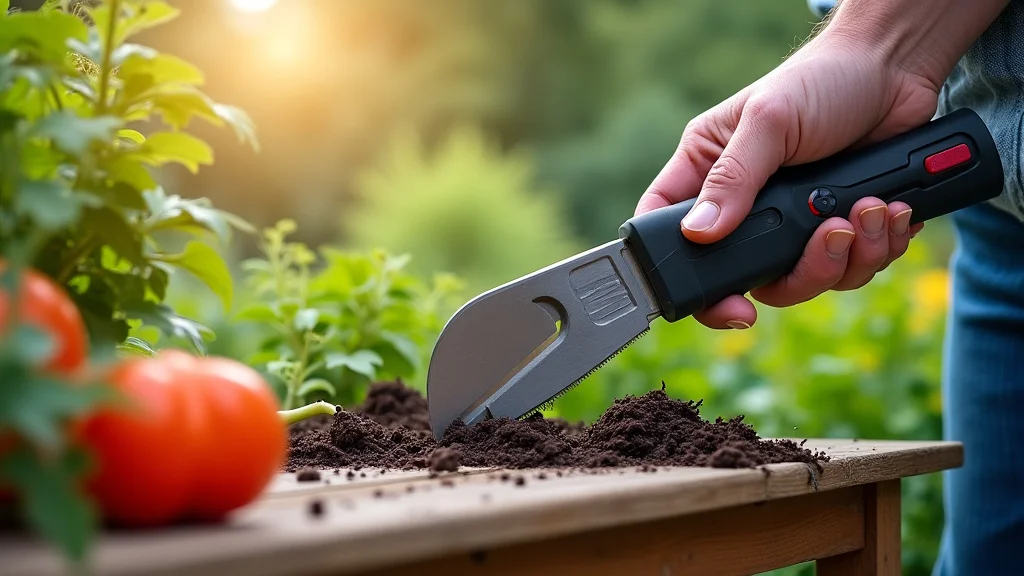
Remember that time you tried to prune that overgrown rose bush with a dull pair of clippers? It took forever! And let’s not talk about the aching arms after trying to till that stubborn patch of soil by hand. We’ve all been there! But what if there was a better way to tackle those garden chores? This blog post will explore the fantastic world of gardening power tools, transforming tedious tasks into enjoyable experiences. Get ready to discover which tools are essential for you, the key features to look for, and how they can seriously boost your gardening efficiency. You’ll learn how to choose the right tools and keep them running smoothly for years to come. Ultimately, this will give you more time to actually enjoy your beautiful garden.
Key Takeaways
- Discover the essential gardening power tools for various gardening tasks.
- Learn the important features to consider when selecting tools.
- Understand how these tools can improve efficiency and save time.
- Find out how to properly maintain and care for your gardening power tools.
- Explore different types of power sources for your tools, like battery or electric power.
- Find out the best tools for different size gardens.
Essential Gardening Power Tools and Their Uses
Gardening can be a rewarding hobby, but without the right tools, it can quickly become an exhausting chore. The evolution of gardening power tools has brought about significant advancements, making gardening easier and more enjoyable. From tilling the soil to trimming hedges, there’s a power tool designed to simplify almost every aspect of garden maintenance. Knowing which tools are essential and how they contribute to efficient gardening is the initial key to a thriving garden. This section will introduce the must-have tools, explaining their specific functions, benefits, and how they contribute to garden success. By exploring each tool, you’ll be able to decide what’s right for your gardening projects.
The Power of the Soil: Tillers and Cultivators
One of the earliest steps in preparing any garden is working the soil. This is where tillers and cultivators come in. These tools are the foundation for healthy plant growth because they help loosen the soil, incorporate organic matter, and improve drainage. Tillers are typically heavier-duty machines designed for breaking up compacted soil, making them ideal for new gardens or areas that haven’t been cultivated in a while. Cultivators, on the other hand, are smaller and lighter. They are designed for ongoing maintenance, such as weed control and soil aeration in established gardens. Choosing the right tool depends on your specific needs and the size of your garden. Both tools make soil preparation far easier and faster compared to manual methods, allowing you to get your plants into the ground quickly.
- Tillers: Tillers are ideal for breaking up hard-packed soil, preparing new garden beds, and incorporating large amounts of organic matter. They come in various sizes, from small electric models suitable for raised beds to larger, gas-powered models for big areas.
- Cultivators: Cultivators are best for maintaining existing gardens, controlling weeds, and aerating the soil without disrupting established plants. They are typically lighter and easier to maneuver than tillers.
- Choosing the Right Tool: When selecting between a tiller and a cultivator, consider the size of your garden and the condition of the soil. For large gardens with compacted soil, a gas-powered tiller might be the better choice. For smaller gardens and regular maintenance, an electric cultivator is often sufficient.
A tiller uses rotating tines to break up the soil. Tines are the angled blades that do the work, and the width of the tilling path is determined by the size and design of the machine. The depth of the tilling can also be adjusted, allowing you to control how deeply the soil is loosened. A tiller helps create a good soil structure by creating spaces in the earth, which helps water and nutrients reach the plant roots easily.
Cultivators have smaller tines than tillers and are often electric or battery-powered. They are great for shallow tilling to remove weeds between rows of plants or aerating the top few inches of soil. Cultivators are easier to handle and less disruptive to plant roots. Using a cultivator helps to keep your garden looking tidy and ensures the plants get the necessary nutrients for good development.
Think about how often you will be using the tool. Gas-powered tillers can work through tough jobs quickly, but they require fuel and maintenance. Electric models are cleaner and quieter, which is perfect for working in residential areas, but may be best suited for smaller areas. Battery-powered cultivators offer cordless convenience, allowing you to move around the garden freely.
The Art of Trimming: Hedge Trimmers and String Trimmers
Keeping your hedges and lawn neat and tidy is essential for a beautiful garden. Hedge trimmers and string trimmers are the gardening power tools that are designed for this task. Hedge trimmers shape and maintain hedges, shrubs, and bushes, while string trimmers keep your lawn edges and hard-to-reach areas looking sharp. Each tool plays a unique role in shaping the landscape, making your outdoor spaces well-maintained and aesthetically pleasing. The ease of use and time-saving nature of these tools makes them invaluable for any gardener who wants a well-groomed outdoor area without spending hours on end.
- Hedge Trimmers: Hedge trimmers are used to shape and maintain hedges, bushes, and shrubs. They come in various types, including electric, battery-powered, and gas-powered models, each offering different levels of power and convenience.
- String Trimmers: String trimmers (also known as weed eaters or line trimmers) are primarily used for trimming grass edges, around obstacles like trees and fences, and in areas where a lawnmower can’t reach.
- Maintaining the Green: With hedge trimmers, it is essential to keep the blades sharp and clean for clean cuts and for safety. With string trimmers, always make sure the line is the right size and type for your trimmer and that it is feeding correctly. Regularly inspect and clean your tools to make sure they function correctly.
Hedge trimmers use reciprocating blades to slice through branches and foliage, producing clean, even cuts. When buying a hedge trimmer, consider the size of the hedge, the thickness of the branches, and the power source. Electric and battery-powered trimmers are quieter and emission-free, perfect for residential areas, while gas-powered trimmers are more powerful and suited for big tasks. Some trimmers also feature adjustable blades and rotating handles, making it easier to shape hedges at different angles.
String trimmers use a rapidly spinning nylon line to cut through grass and weeds. They are highly effective for maintaining the edges of lawns and for cutting grass in awkward spots. These trimmers come in electric, battery-powered, and gas-powered models, with each kind of power source suited for different needs. The features vary from adjustable cutting heads to automated line feeding systems, making them simple to operate.
Use your tools as directed, and always wear protective gear, such as safety glasses, when trimming. For the best result, select the correct tool for the job. Regular upkeep will make your gardening tasks simple and keep your outdoor spaces looking great.
Branching Out: Chainsaws and Pole Saws
Trees are a beautiful addition to any garden, but they also require regular maintenance to remain healthy and safe. Chainsaws and pole saws are the gardening power tools specifically designed for pruning and removing branches. Chainsaws are powerful tools that can fell trees, cut large branches, and do many other heavy-duty jobs. Pole saws extend your reach, allowing you to prune high branches without climbing. Using these tools safely and efficiently is necessary for anyone who needs to trim trees. Knowing how to use these tools properly and understanding their safety features is key to doing the job efficiently and safely.
- Chainsaws: Chainsaws are used for felling trees, cutting through thick branches, and other heavy-duty cutting tasks. They come in electric, battery-powered, and gas-powered models. The correct selection depends on the job at hand.
- Pole Saws: Pole saws combine a chainsaw or pruning saw with a telescoping pole, allowing you to cut high branches from the ground. They are available as electric, battery-powered, or manual versions.
- Staying Safe: Safety is a priority when using chainsaws and pole saws. Always wear protective gear, inspect the equipment before each use, and make sure you have a safe operating area. For chainsaws, ensure the chain is sharp and tensioned properly.
Chainsaws use a rotating chain with sharp teeth to cut through wood. They are essential for removing dead or dangerous trees, pruning large branches, and preparing firewood. Electric chainsaws are suitable for smaller tasks, while gas-powered models are more powerful for extensive work. When using a chainsaw, safety is key; always wear protective gear like safety glasses, gloves, and chaps, and follow safety procedures.
Pole saws make it easier and safer to prune branches that are out of reach. They are especially useful for removing dead branches, trimming trees, and preventing potential hazards from falling limbs. With a pole saw, you can maintain your trees without needing to climb a ladder, reducing the risk of accidents. Be certain to follow safety instructions and make sure the saw is secure before starting any cuts.
When using a pole saw, extend the pole to the correct length and maintain a firm grip. When felling a tree, always plan your escape route and cut the tree in the right direction. If you are not familiar with the use of a chainsaw or pole saw, it is best to seek advice from an expert.
Choosing the Right Gardening Power Tools
Choosing the right gardening power tools can transform your gardening tasks from challenging to enjoyable. The market offers a huge selection of tools, each designed to meet specific needs and gardening preferences. Consider your garden size, the types of tasks you regularly perform, and your personal comfort and preferences. Choosing the right tool involves understanding your gardening requirements and the features that meet those needs. Consider whether you need cordless or corded tools, which will influence their portability and power. The following factors will help you make decisions and choose the right tools for your gardening needs.
Power Source: Corded, Cordless, or Gas?
One of the first decisions you’ll make is choosing the power source for your gardening power tools: corded electric, cordless (battery-powered), or gas-powered. Each has its pros and cons, which makes the choice contingent on your unique gardening conditions and preferences. The power source affects convenience, power, and environmental impact. Understanding the benefits and limitations of each power type is important for choosing tools that best meet your gardening needs and lifestyle.
- Corded Electric Tools: These tools plug into a power outlet, providing continuous power as long as you have a power source nearby. They are often a cost-effective option and offer reliable performance.
- Cordless (Battery-Powered) Tools: Cordless tools operate on rechargeable batteries. They offer great flexibility, allowing you to move around your garden freely without being tethered to an electrical outlet.
- Gas-Powered Tools: Gas-powered tools are known for their high power and are suitable for tough gardening jobs. They are typically used for heavy-duty tasks such as tilling large areas or trimming thick branches.
Corded tools offer consistent power without the need to stop and recharge. They are perfect for users who need a tool for continuous operation. However, they are restricted by the length of the cord and might not be suitable for large gardens or areas without easy access to power outlets. You will need to take care to avoid cutting the cord and to keep it out of the way while working.
The battery technology available has greatly improved, with many cordless tools providing plenty of power and runtime for most gardening tasks. Cordless tools are a good option for small- and medium-sized gardens. However, you will have to consider the battery’s runtime and the recharge time, as this can affect productivity on bigger projects. Having multiple batteries can solve this issue.
Gas-powered tools are a good choice for professional gardeners and those with large gardens. They offer maximum power and are ideal for tasks where corded tools may be insufficient and battery-powered tools may lack runtime. However, gas-powered tools can be noisy, produce exhaust emissions, and need regular maintenance, including fueling and changing oil.
Key Features and Specifications
When choosing gardening power tools, it’s necessary to carefully evaluate the key features and specifications. These aspects affect the tool’s performance, user experience, and overall value. Consider the engine type, cutting width, and safety features. Selecting tools with the right features helps make gardening easier, more effective, and safer. Knowing the importance of these specifications helps you to choose tools that fit your gardening tasks and skill level.
- Engine Type and Power: The engine type and power determine the tool’s cutting capabilities and efficiency. Electric tools are usually measured in amps, while gas-powered tools are measured in cubic centimeters (cc) or horsepower (hp).
- Cutting Width and Capacity: Cutting width is essential for tools like lawnmowers and hedge trimmers, impacting the area covered in a single pass. Capacity, for tools like chainsaws, refers to the maximum branch or trunk diameter it can cut.
- Safety Features: Safety features are critical for protecting the user. Examples include blade guards, safety switches, and ergonomic designs.
Make your choice based on the size of your garden and the work you expect to do. For example, a bigger lawnmower with a higher engine capacity is needed for large lawns and thick grass. A smaller electric tool is often adequate for smaller gardens and basic tasks. Battery voltage is critical for cordless tools, with higher voltages giving you more power and run time.
Choose a lawnmower with a cutting width that fits your lawn size. A wider cutting width cuts more grass with each pass, reducing the time needed to mow. For chainsaws, the capacity must match the size of the wood you will be cutting. Choosing the right width and capacity saves time and makes the job more effective.
Make sure all your tools have safety features that meet your needs. For example, a lawnmower with a blade guard will reduce the risk of accidents, while an ergonomic handle will make the tool simpler to handle. Other safety features may include a lock-off button, which prevents accidental starting, and a chain brake on chainsaws, which stops the chain immediately in case of a kickback.
Budget and Brand Considerations
When you are investing in gardening power tools, it’s wise to consider both your budget and the brand reputation. The cost of these tools can vary widely depending on the type, features, and brand. Choosing the right brand and tool model involves balancing your financial capacity with your gardening demands. This ensures that you get tools that fit your budget and meet your gardening needs. Choosing well-known and trustworthy brands often gives you better durability and access to support.
- Setting Your Budget: Before you start your search, determine your budget. This helps narrow down your options and avoid overspending. Think about the tools you need and how often you will use them.
- Researching Brands: Research the brands before making a purchase. Look for reputable brands that provide high-quality, durable tools and good customer service. Read reviews and seek advice from other gardeners to get insights on different brands.
- Comparing Prices and Features: Compare prices and features across different models and brands. Compare tool specifications, warranties, and any extra features.
Set up a budget based on your gardening demands and available funds. You can start by listing the tools you need and assessing the costs. Prices change depending on features, power source, and brand. You will often get better value for money in the long term by investing in good-quality tools, even if they cost more. Consider whether you need new, used, or refurbished tools to reduce costs.
Some of the most respected brands in gardening power tools are known for their innovation, reliability, and customer satisfaction. Explore reviews from other customers and gardening experts to assess each brand. If you choose a good brand, you will benefit from warranties and better after-sales service.
Use your research to analyze different models and compare the characteristics and costs. Make a spreadsheet to see the features, benefits, and price points of different tools to make the proper choice. Take into account any extra costs, such as battery replacements, maintenance expenses, or any accessories needed.
Maintenance and Safety Tips for Gardening Power Tools
Maintaining and using your gardening power tools safely guarantees their long life and helps to reduce the risk of injury. Regular maintenance is essential to keep the tools running efficiently, while safety precautions protect you while you work. By following these guidelines, you can make your gardening experience safer and more enjoyable, while protecting your investment in your tools. Regular upkeep and safety awareness are key for any gardener who wants to keep their tools running for years.
Regular Maintenance Tasks
Regular maintenance is essential to keeping your gardening power tools in good working condition. Routine maintenance helps prevent problems, increases tool longevity, and assures that they work at their peak performance. These tasks include cleaning, sharpening, and lubricating, which are vital for reliable performance. Taking care of your tools regularly will save you time and money. Here are some of the most important maintenance tasks to do.
- Cleaning: Clean your tools after each use to remove debris such as grass clippings, dirt, and plant sap, preventing corrosion and ensuring smooth operation.
- Sharpening: Keep blades sharp for efficient cutting. Dull blades require more power and can cause damage to plants.
- Lubricating: Lubricate moving parts to reduce friction and wear. This is very important for items like chainsaws, hedge trimmers, and lawnmowers.
After each use, clean your tools thoroughly. Use a brush or cloth to remove any debris from blades, housings, and vents. For lawnmowers and other tools that collect grass clippings, remove the clippings from the blade housing and the underside of the deck after each use. Cleaning prevents rust and corrosion, keeping your tools in good shape. Always unplug or disconnect the power source before cleaning to avoid injuries.
Keep your blades sharp. Dull blades may rip and tear, which can damage plants. Use a file or grinder to sharpen blades on hedge trimmers, lawnmowers, and chainsaws. Regular sharpening guarantees clean cuts and reduces the amount of work the tool must perform. Sharpening intervals depend on how frequently you use the tool and the type of material you cut.
Apply lubricant to the moving parts to lower wear and friction. Use the manufacturer’s recommended lubricant for chainsaws, hedge trimmers, and other tools that have moving parts. Lubricating the parts on a regular basis keeps the tool running smoothly and prolongs its lifespan. Lubrication also helps prevent rust. Make sure the tool is clean before applying lubricant.
Safety Precautions to Follow
Following safety precautions is essential when using gardening power tools. Safety comes first, and following the correct procedures can prevent injuries and guarantee the safe and effective use of your equipment. It is important to know the safe operating procedures and to have the right protective gear. Understanding the risks and knowing how to reduce them are necessary for a good and safe gardening experience. The following precautions will improve your safety while using your tools.
- Personal Protective Equipment (PPE): Always use Personal Protective Equipment (PPE) such as safety glasses, gloves, and sturdy shoes while operating power tools.
- Safe Operating Procedures: Always follow safe operating procedures, such as never leaving a running tool unattended, unplugging tools before maintenance, and keeping children and pets away.
- Storage: When not in use, store your tools safely, out of reach of children, and in a dry place to prevent rust and damage.
Use protective equipment to protect yourself when using power tools. Use safety glasses to protect your eyes from flying debris, wear gloves to improve grip and prevent cuts, and wear sturdy shoes to protect your feet. Some jobs, such as chainsaw use, may also require ear protection and chaps.
Follow safe operating procedures for each tool to prevent accidents. Never leave a running tool unattended, and always unplug or disconnect the power source before maintenance. Keep children and pets away from work areas. Know the operating instructions for each tool before use. Carefully review the manuals and familiarise yourself with the tools’ operation.
Store your tools safely in a secure, dry place, out of the reach of children. Proper storage protects the tools and prolongs their lifespan. Keep the tools clean and lubricated before storing them. Store gas-powered tools separately from flammable materials.
Frequently Asked Questions
Question: What is the best power source for gardening tools?
Answer: The best power source depends on your needs. Corded tools are great for consistent power, cordless tools provide flexibility, and gas-powered tools offer maximum power.
Question: How often should I sharpen my lawnmower blades?
Answer: You should sharpen your lawnmower blades at least once a year, or more often if you use your mower frequently.
Question: What safety equipment should I always wear when using power tools?
Answer: Always wear safety glasses, gloves, and sturdy shoes when operating power tools, and consider ear protection and chaps when using a chainsaw.
Question: Can I use tap water to clean my power tools?
Answer: It’s best to avoid using tap water as it can promote rust. Instead, wipe the tools with a damp cloth and make sure they are completely dry before storing them.
Question: How do I store my gardening power tools during the winter?
Answer: Clean your tools thoroughly, drain fuel from gas-powered tools, store them in a dry, covered area, and follow the manufacturer’s storage instructions.
Final Thoughts
Choosing the right gardening power tools is key to transforming your gardening experience. From tillers to trimmers, each tool is designed to simplify specific tasks, improve efficiency, and make your garden chores more enjoyable. The selection of tools starts with understanding your gardening needs. Consider the size of your garden, the soil conditions, and the types of plants you plan to grow. Taking into account the tool’s power source, whether corded, cordless, or gas-powered, is a great starting point, and will greatly influence the freedom and convenience of your gardening. Additionally, consider the features, safety elements, and brand reputation to guide your choice.
Remember, regular maintenance and safety practices are critical for keeping your tools in good shape and protecting yourself. Make the best of your gardening adventure with the right tools. With the right tools and a little bit of care, you can make your garden a thriving and happy space. Explore the options, pick what works best for your needs, and prepare for a simpler and more fun way of gardening.