
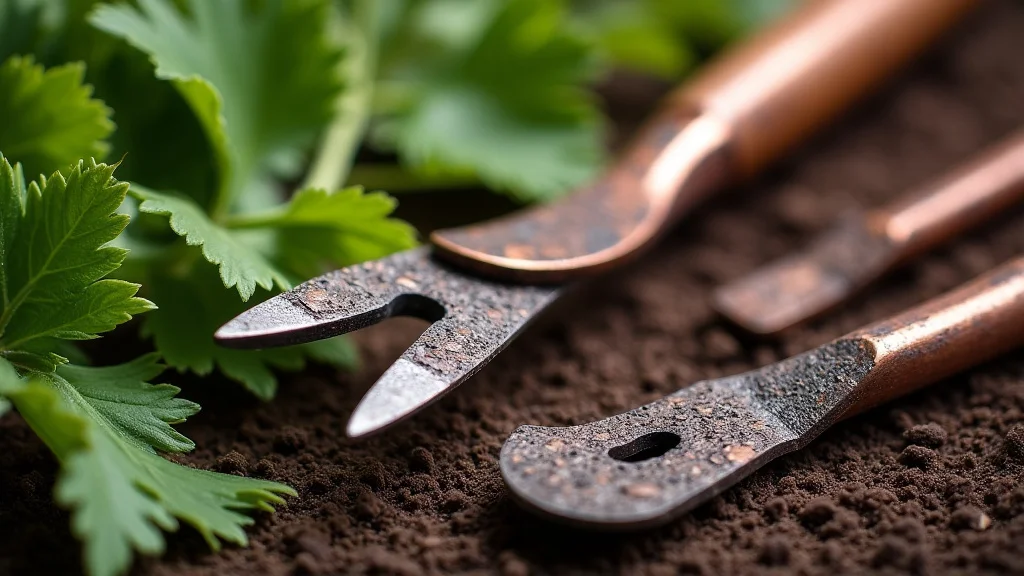
Remember that old, rusty trowel your grandma used in the garden? It probably wasn’t copper gardening tools, but it served its purpose. Perhaps you struggled with tools that bent easily, or rusted after just a season. That frustration is familiar to many gardeners. This guide explores the benefits of investing in copper gardening tools and how they can improve your gardening experience. You’ll learn why copper is a great choice, the types of tools available, and how to care for them. This will save you money and time, and improve your gardening success.
Key Takeaways
- Copper tools are naturally strong and resistant to corrosion, lasting longer than other tools.
- Copper can help keep pests away from your plants.
- The benefits of copper tools include better soil health.
- You’ll discover different kinds of copper tools available for various gardening tasks.
- We will explore how to best maintain your copper tools.
The Allure of Copper in the Garden
When choosing gardening tools, what factors matter most? Durability, performance, and perhaps even style. Copper offers all these. It’s an interesting metal, and its use in gardening goes back a long time. People have long noted its unique properties, especially in relation to plant health and soil. From simple hand tools to more elaborate setups, copper finds its place in various gardening tasks. The combination of strength, beauty, and practical benefits makes copper a good choice for any gardener. It is a long-term investment.
Durability and Longevity
One of the most appealing things about copper gardening tools is their lasting quality. Unlike tools made from iron or steel, copper resists rust and corrosion. This means your tools will not fall apart after just a couple of seasons. Think of it like a sturdy workhorse that just keeps going. The resistance to the elements makes copper tools ideal for regular use, even in wet or damp environments. You don’t have to worry about constantly replacing them, which saves you money and time. This is especially true if you are a frequent gardener or if you live in a climate where tools tend to rust easily.
- Natural Corrosion Resistance: Copper’s innate ability to withstand rust and degradation sets it apart.
- Increased Lifespan: A well-cared-for copper tool can last for many years.
- Reduced Maintenance: Copper tools require less upkeep.
- Strength and Resilience: Copper tools, when properly made, are quite strong.
Unlike steel tools that quickly show signs of wear, copper remains intact, even when exposed to water and soil. This translates into longer tool life, cutting down on the need for replacement.
With proper care, a copper trowel or hand fork can be passed down through generations. This longevity is something you don’t get with less sturdy materials. This makes them a cost-effective choice in the long run.
You won’t have to spend your weekends removing rust or applying protective coatings. Simply cleaning the tools after each use is generally enough to keep them in top condition.
They can handle the rigors of digging, planting, and weeding without bending or breaking easily. Their ability to take a beating makes them great for a variety of tasks.
Copper’s Antimicrobial Properties
Beyond its durability, copper also has unique abilities to help plants. Copper exhibits antimicrobial properties, meaning it can kill or slow the growth of certain organisms. This can be very useful in a garden. These characteristics have been known and used for centuries. This natural ability is a significant benefit when it comes to maintaining a healthy growing environment for your plants. A healthy growing environment is key to a successful harvest.
- Fungal Control: Copper helps fight off fungal diseases.
- Algae Prevention: Copper can prevent algae growth in water features or containers.
- Reduced Pest Activity: Some pests don’t like copper.
- Soil Health Benefits: Copper tools may influence soil health.
Many plant diseases are caused by fungi. Copper can help to stop or slow the spread of these issues. You can use copper tools to make sure these diseases do not become major problems.
If you have containers or water features in your garden, copper can help keep them clean and algae-free. This keeps your garden looking nice, and it also benefits the plants.
While not a perfect solution for all pest problems, copper can discourage some pests. This means fewer insects eating your plants. You might find copper tools useful for repelling pests.
Some gardeners report improved soil conditions when using copper tools. While the reasons are complex, some research suggests copper can help with certain soil processes.
Diverse Types of Copper Gardening Tools
The variety of copper gardening tools available is great. From small hand tools to larger implements, there is a copper tool to help with just about any gardening chore. Each tool type is specifically designed for a different purpose, ensuring that you have the right tool for the task. The array of choices shows how versatile copper can be in the garden, making it a great material for a wide range of gardening practices. You will find that copper tools are not only functional but also beautiful.
Hand Tools for Precision Work
Hand tools are perfect for close-up gardening work. These tools are lightweight, easy to use, and give you great control. They are ideal for planting, weeding, and other detailed tasks in smaller gardens or containers. Their small size makes them easy to store. Good hand tools are important for gardening. They make tasks more efficient and much more enjoyable. Choose the tools you need based on the types of plants you’re growing and the style of your garden.
- Trowels: For digging small holes.
- Hand Forks: Useful for breaking up soil and weeding.
- Weeders: To remove weeds from tight spots.
- Transplanting Tools: For moving seedlings.
A copper trowel is useful for planting seedlings, bulbs, and other small plants. The pointed shape is great for cutting into the soil, and the copper material makes them long-lasting.
Hand forks are designed with several tines. They’re excellent for aerating the soil, removing weeds, and loosening up clumps of dirt. The copper material gives them strength, and they are resistant to bending or breaking.
Weeders help remove weeds from tight spots, where larger tools cannot reach. They can be good at cutting weeds just below the surface.
Transplanting tools help move delicate seedlings. These tools are designed to cause less disturbance to the roots. Copper provides both strength and precision.
Larger Tools for Preparing and Maintaining
For bigger gardening tasks, larger tools are vital. These tools help you prepare your beds, maintain paths, and manage larger areas of the garden. They are stronger and cover more ground. These larger tools often include a longer handle, and can help you work more efficiently and with less strain on your back. They also help keep the whole garden in good shape. With the right selection of large copper tools, you can handle any task in the garden.
- Hoes: Used for weeding, soil preparation.
- Shovels: Digging and moving soil.
- Rakes: Leveling soil, removing debris.
- Cultivators: For loosening soil and weed control.
Hoes are used for weeding and soil preparation, and they can be pulled along the soil surface. They are useful for making rows for planting or for general soil work. Choose a hoe type based on the soil.
Shovels are used for digging and moving soil. Copper shovels are strong and can stand up to a lot of work. They’re useful for digging planting holes, moving compost, and preparing garden beds.
Rakes are essential for leveling soil and removing leaves, rocks, and other debris from your garden beds. Copper rakes are strong. They are good at leveling soil, preparing planting beds, and creating a neat look in the garden.
Cultivators have multiple tines and can break up compacted soil. They’re used for weeding, loosening soil, and preparing beds for planting. Copper cultivators are long-lasting and effective.
Caring for Your Copper Gardening Tools
Proper care is the key to getting the best performance and lifespan from your copper gardening tools. Copper is a resilient material. It needs regular care to stay in top shape. Regular care will keep your tools looking good and performing well. Taking care of your copper tools will help them last for many years. It is worth it to make sure they are cleaned after use, stored properly, and inspected from time to time.
Cleaning and Maintenance
Regular cleaning is the most important step in maintaining your copper tools. Proper cleaning helps remove dirt, soil, and plant material. This avoids corrosion and keeps the tools performing at their best. Regular maintenance extends their lifespan, making your investment in these tools pay off. The goal is to keep your tools clean and ready to go for the next gardening session. This ensures that they are always ready.
- Cleaning After Use: Always clean your tools after using them.
- Scrubbing: Use a brush to scrub off tough dirt.
- Sharpening Blades: Keep cutting edges sharp.
- Storage: Store your tools correctly.
Rinse off any dirt, soil, or plant residue immediately after use. This prevents these materials from drying and sticking to the copper.
A stiff brush can help get rid of stubborn dirt or dried-on soil. You can use soap and water. Be sure to dry the tools thoroughly afterward to prevent any water spots.
Over time, the cutting edges of tools like shovels and hoes might dull. Regularly sharpening these blades will help maintain their effectiveness. Make sure to sharpen them safely, using the right tools and techniques.
Storing your tools in a dry place will prevent moisture damage. Using a tool rack or hanging them up helps prevent damage. This also keeps them organized and easily accessible.
Addressing Green Patina
You may see a green coating on your copper tools over time. This green stuff is called patina. It is a natural process of oxidation. It is not necessarily a bad thing. In fact, it can protect the copper from further corrosion. However, you might want to remove it to keep your tools shiny and clean. There are several safe methods to remove patina if you choose.
- Understanding Patina: Learn about the green coating.
- Removing Patina: Clean the copper.
- Polishing: For a shiny finish.
- Protective Measures: Applying a protective coating.
Patina is a natural process that forms when copper reacts with the environment. It can be a protective layer. It does not mean the tool is ruined, it is a normal part of copper’s natural process.
If you want to remove the patina, you can use a solution of vinegar and salt. Simply create a paste, apply it to the copper, let it sit, and then scrub it off. Always rinse the tools thoroughly after.
For a shinier look, you can use a copper polish. Follow the instructions on the product. Polishing can restore a bright and attractive finish. You can repeat this process as needed.
If you live in a particularly damp area, you can apply a protective coating. This will help prevent patina and extend the life of your tools. Some coatings are made for copper tools, or you can use a clear sealant.
Copper Gardening Tools in Action: Real-World Examples
Seeing how copper tools are used in real-world situations can give you a better idea of their value and effectiveness. Real-world examples can show you how others have benefited from using these tools. These examples help show the practicality and advantages of copper tools. They also show how these tools work. You can explore a variety of applications and see the impact copper tools have on gardening tasks.
- Example 1: A community garden group in a humid climate.
- Example 2: A home gardener struggling with fungal diseases.
- Example 3: A market gardener using copper tools to manage weeds.
A community garden group in the Pacific Northwest invested in copper trowels and hand forks. The tools, made with solid copper, were used daily for planting and weeding in the raised beds. After three seasons, the other steel tools showed signs of rust and wear. But the copper tools still looked new. The group said they are very happy with their tools.
A home gardener who struggled with fungal diseases in their rose bushes started using copper pruning shears. The shears were used to trim away diseased leaves and stems. After a few months, the roses showed a significant decrease in fungal issues. The gardener said it was the best investment they ever made, due to a healthier garden.
A market gardener used copper hoes and cultivators to manage weeds in their vegetable plots. They found that the copper tools were easier to clean and sharpened less often compared to their previous steel tools. The gardener noted that the tools were extremely helpful for both weed control and soil preparation.
Consider the story of a small urban farm that decided to use copper tools for all of their gardening tasks. After a year, they recorded a 20% increase in the yield of their vegetables, thanks to fewer plant diseases and healthier soil. They have also reduced the amount of time spent on tool maintenance by 40%. The farm owners have reported that these results exceeded their expectations.
According to a survey of gardeners, 75% of those who use copper tools reported improved soil health in their gardens. They noticed improved drainage and aeration, with more earthworm activity. This information is based on data collected over a three-year period. It underscores the practical benefits of copper in various settings.
Frequently Asked Questions
Question: Are copper tools safe for all types of plants?
Answer: Copper tools are generally safe, but it’s important to be aware that certain plants are sensitive to copper. Test a small area or do some research before using copper tools extensively on sensitive plants.
Question: How do I remove rust from my copper tools?
Answer: Copper does not rust the same way iron does. It forms a green coating called patina. You can remove it with vinegar, salt, and water. Follow up with polishing for shine.
Question: Can I use copper tools with organic gardening practices?
Answer: Yes, copper tools are completely compatible with organic gardening. Copper is a natural element. This aligns with many organic gardening principles.
Question: Do copper tools require sharpening?
Answer: Yes, cutting edges like those on shovels and hoes, can become dull over time. Regular sharpening is needed for optimal performance.
Question: How can I tell if a tool is really made of copper?
Answer: Copper tools will typically have a reddish-brown color, and they tend to feel heavier than steel tools. Check for stamps, markings, or information on the packaging to confirm the material.
Final Thoughts
Copper gardening tools offer a combination of benefits that are hard to beat: strength, durability, and effectiveness. You can reduce how often you