
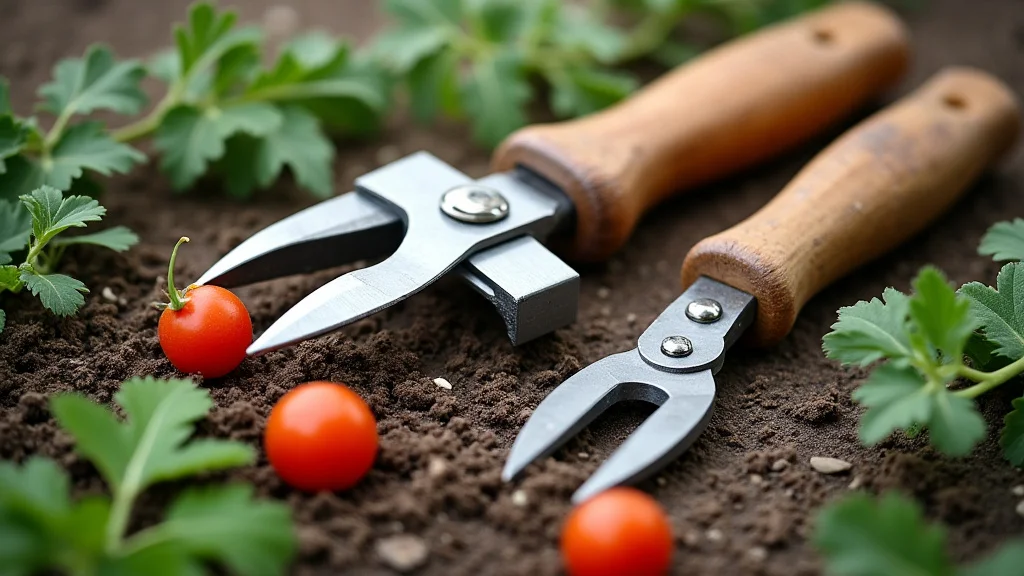
Remember that feeling of starting a new project? Last spring, I decided to grow a small vegetable patch. Armed with enthusiasm (and not much else), I quickly realized I needed some serious help! My small trowel just wasn’t cutting it. That experience taught me the importance of having the right tools that are used for gardening. This guide will explore essential equipment, helping you choose the best tools to nurture your plants and improve your gardening experience. You’ll learn the must-have implements for any gardening enthusiast, big or small, and you’ll discover how these tools make gardening easier, more enjoyable, and more productive. This way, you’ll avoid the headaches I experienced, and your garden will thrive!
Key Takeaways
- Knowing which tools that are used for gardening are essential will make your planting easier.
- Selecting the right tools for different tasks boosts gardening efficiency.
- Proper maintenance helps your tools last for many seasons.
- Understanding the various types of tools available will help you make informed decisions.
- Investing in quality tools can improve the overall experience and results.
Getting Started: Basic Tools for Gardening
Every successful garden starts with the right foundation. This means having the essential tools that are used for gardening that will help you tackle basic tasks like planting, weeding, and watering. Think of these tools as your gardening toolkit’s core components; without them, gardening becomes much more difficult. From digging holes to keeping weeds at bay, these fundamental implements are your first line of defense in cultivating a healthy and thriving garden. Whether you’re a beginner or an experienced gardener, having these basics covered will set you up for success.
The Trowel and Hand Fork: Small But Mighty
The trowel and hand fork are the workhorses for many gardening tasks. A trowel is a small, handheld scoop that is perfect for digging small holes for seedlings, transplanting plants, and scooping soil. It’s especially useful in areas with limited space or for working around delicate plants. The hand fork, with its small tines, is designed for loosening soil, removing weeds, and aerating the ground around your plants. Together, these tools provide the precision and control needed for detailed work in your garden. They’re often overlooked, but their ability to navigate tight spaces and assist with small-scale projects makes them indispensable.
- Precise Planting: The trowel is ideal for digging holes for seedlings, ensuring they fit properly without disturbing surrounding plants.
- Weed Removal: The hand fork helps in pulling out weeds by their roots, minimizing their return.
- Transplanting: Both tools are perfect for moving small plants carefully from one spot to another.
- Soil Aeration: Use the hand fork to break up compacted soil, allowing better air circulation to the roots.
Gloves: Protecting Your Hands
Gloves are an often-overlooked necessity in gardening. They protect your hands from dirt, thorns, and potential irritants. Choosing the right gloves can significantly affect your comfort and efficiency. Different types of gloves cater to different gardening tasks. For example, some are made of leather for handling thorny bushes, while others are made of breathable materials for general gardening tasks. Wearing gloves helps prevent blisters, cuts, and scrapes, ensuring that you can focus on the job at hand. Proper glove selection also helps to keep your hands clean and reduces the risk of skin irritations from contact with soil and plant materials.
- Protection: Gloves act as a barrier against thorns, sharp objects, and rough materials.
- Cleanliness: They keep your hands clean, preventing dirt and grime buildup.
- Comfort: Good gloves can make gardening tasks more comfortable, especially in cold or wet conditions.
- Variety: Different gloves suit different tasks, from heavy-duty leather for pruning to lightweight fabric for planting.
Digging and Soil Preparation Tools
Preparing the soil and digging are critical steps in gardening. This section discusses the necessary tools that are used for gardening involved in making sure the soil is ready to support healthy plant growth. Effective soil preparation involves more than just digging a hole; it includes loosening, aerating, and improving the soil structure. These implements provide the leverage needed for efficient digging and the means to cultivate a healthy soil environment. These tools are the foundation upon which your garden’s success is built, whether you’re starting a new garden bed or simply refreshing an old one.
Spade and Shovel: For Moving Earth
The spade and shovel are crucial for moving large amounts of soil. The spade is generally used for digging, cutting through roots, and edging garden beds. The shovel, on the other hand, is designed for scooping and moving loose materials. Choosing the right tool depends on the task. A spade usually has a flat, sharp blade, making it efficient for digging neat holes and trenches. A shovel has a slightly curved blade that is optimal for scooping and lifting soil, compost, or mulch. Using these tools effectively can significantly speed up the process of soil preparation and make large-scale planting and landscaping projects manageable.
- Digging: The spade is the go-to tool for turning over soil and digging holes.
- Moving: The shovel is excellent for scooping and moving soil, mulch, or compost.
- Edging: The spade’s sharp edge makes it ideal for defining the borders of garden beds.
- Root Cutting: The spade can cut through roots, which is useful when preparing soil or transplanting shrubs.
Garden Fork: Aerating Soil
The garden fork is an important tool for aerating and turning over soil, which helps improve drainage and root growth. Using a garden fork helps to break up compacted soil, making it easier for plant roots to penetrate and access nutrients. It’s particularly useful in heavy clay soils, which tend to become dense and difficult for plants to thrive in. The fork’s tines penetrate the soil with ease, allowing air and water to circulate more freely, leading to healthier plants. Using a fork regularly helps maintain the structure and health of the soil, ensuring that your plants receive the support they need to flourish.
- Soil Aeration: The fork helps aerate the soil, providing better air circulation and drainage.
- Turning Soil: It’s great for turning over soil, incorporating compost, and loosening compacted areas.
- Breaking Up Clumps: The tines can easily break up soil clumps, improving soil texture.
- Compost Mixing: The fork is ideal for mixing compost or other soil amendments into the soil.
Watering and Irrigation Tools
Watering is a critical aspect of garden maintenance, and having the right tools makes this task much more manageable. The following tools that are used for gardening ensure your plants receive adequate hydration. Effective watering is about more than just applying water; it’s about delivering it efficiently and effectively, ensuring that each plant receives what it needs to thrive. These instruments offer solutions for both small-scale and large-scale watering requirements, allowing you to maintain your garden’s health and beauty.
Watering Can: For Controlled Watering
The watering can is a classic tool for watering plants, particularly those in containers or in areas where a gentle, controlled stream of water is needed. This allows for precision in application, ensuring that water reaches the roots without overly saturating the foliage. This method is especially useful for seedlings, delicate plants, or areas where you need to avoid splashing soil onto leaves. Modern watering cans come in various sizes, from small, lightweight models to larger versions with a capacity to water a bigger area. Using a watering can provides a direct and personal connection with your plants, giving you a chance to inspect each one as you water.
- Precision: Provides targeted watering, ideal for seedlings and container plants.
- Control: Allows you to control the flow of water, avoiding overwatering or runoff.
- Versatility: Suitable for use in various areas, from small pots to garden beds.
- Observation: Allows you to inspect plants closely while watering, spotting any problems early.
Hose and Sprinkler: Efficient Irrigation
For larger gardens, a hose and sprinkler system is a more efficient approach to watering. A garden hose lets you cover a larger area quickly, while a sprinkler system offers a way to water your garden with minimal effort. Using a sprinkler system, which can be fixed or oscillating, ensures that water is distributed evenly across your plants. When used with a timer, this set-up simplifies watering, allowing you to set a schedule and ensure your garden gets the water it needs. The combination of a hose and a sprinkler system offers a flexible and scalable solution, making it possible to keep your garden well-hydrated without spending hours watering by hand.
- Coverage: The hose can water a wide area of your garden.
- Efficiency: Sprinklers distribute water evenly over a large area, saving time and effort.
- Convenience: Timers can be attached to the hose and sprinkler, making watering automatic.
- Variety: Different sprinkler types, such as oscillating, impact, or soaker hoses, serve different garden needs.
Pruning and Cutting Tools
Pruning and cutting are essential for shaping and maintaining plant health. These tools that are used for gardening help to encourage growth, remove dead or diseased branches, and keep your plants looking their best. Regular pruning can significantly boost the health and productivity of your plants. From shaping ornamental bushes to harvesting fruits and vegetables, pruning tools provide the means to keep your garden neat and healthy. The proper use of these tools, combined with a good understanding of pruning techniques, is critical for achieving optimal results in your garden.
Hand Pruners: For Small Tasks
Hand pruners, also known as secateurs, are small, handheld cutting tools that are ideal for pruning small branches, stems, and flowers. They are designed for precision cuts and are easy to maneuver, making them useful for delicate work. Different types of hand pruners include bypass pruners, which make clean cuts by slicing past each other, and anvil pruners, which have a single blade that comes down on a flat surface. Using hand pruners ensures you can remove dead or unwanted growth from your plants and encourage new growth. They are a must-have for maintaining the overall health and aesthetics of your garden.
- Precision: Hand pruners offer precise cuts, making them perfect for detailed work.
- Versatility: Ideal for pruning small branches, stems, and flowers.
- Health: Removing dead or diseased growth promotes overall plant health.
- Maintenance: Regular pruning with hand pruners helps maintain shape and encourage new growth.
Loppers: Reaching Higher
Loppers are long-handled pruning shears designed to cut thicker branches that are out of reach. These tools provide leverage, allowing you to make clean cuts with minimal effort. Their long handles offer an increased reach, making it easier to prune branches higher up in trees or bushes. They are typically made with bypass or anvil cutting blades, with bypass blades offering cleaner cuts for live growth and anvil blades best suited for dead wood. Investing in a good pair of loppers is essential for keeping your trees and shrubs in shape and promoting healthy growth without having to climb or strain. Loppers are an indispensable tool for maintaining the health and appearance of your larger plants.
- Reach: Loppers can reach higher branches that are hard to access.
- Power: They provide leverage, making it easier to cut through thicker branches.
- Efficiency: They allow you to prune large plants more quickly and efficiently.
- Safety: Reduce the need to climb ladders or take dangerous positions.
Specialized Tools and Equipment
Beyond the basics, various specialized tools that are used for gardening can significantly enhance your gardening experience. These implements cater to particular tasks and gardening styles, offering specialized solutions to increase efficiency and improve results. While not essential for all gardeners, these tools can offer significant benefits, especially for those with particular gardening interests or larger areas to manage. Adding these tools to your garden shed will help to refine your gardening practices and enhance your overall success.
Wheelbarrow: Moving Materials
A wheelbarrow is an invaluable tool for transporting materials around the garden. It can be used for moving soil, compost, mulch, tools, and harvested crops. The wheelbarrow’s design balances a large load over a single wheel, allowing you to move heavy items with relative ease. A wheelbarrow saves time and physical strain by reducing the need to carry materials by hand or make numerous trips with smaller containers. Whether you’re working on a large landscaping project or simply moving mulch to a garden bed, a wheelbarrow increases your efficiency and reduces the physical demands of gardening, making it a valuable addition to your arsenal of tools.
- Transporting: Ideal for moving soil, compost, mulch, and other materials.
- Capacity: It can carry large volumes of materials.
- Efficiency: It simplifies moving materials around the garden, saving time and energy.
- Labor-Saving: The wheelbarrow decreases the physical demands of gardening tasks.
Hoe: Weed and Cultivate
The hoe is a versatile tool used for weeding, cultivating the soil, and creating rows for planting. The blade, which can be angled or straight, is designed to slice just below the soil surface, allowing you to remove weeds and their roots. Using a hoe helps to break up the top layer of soil, which aids in water penetration and aeration. Different types of hoes, such as draw hoes and scuffle hoes, serve different purposes. They’re all valuable for soil management. From preparing garden beds to controlling weed growth, the hoe is an essential tool for keeping your garden tidy and productive. A sharp hoe makes weeding and soil cultivation far easier, reducing your workload and improving results.
- Weeding: The hoe is very useful for removing weeds efficiently.
- Cultivation: It helps to loosen the soil surface.
- Row Creation: It’s ideal for creating rows for planting seeds or seedlings.
- Versatility: Different types of hoes, such as draw hoes and scuffle hoes, offer different functionalities.
Tool Maintenance and Storage
To ensure your gardening tools last for many seasons, regular maintenance and proper storage are necessary. This includes cleaning your tools after each use and providing appropriate storage. Properly maintained tools are more effective and safer. Knowing how to care for your tools will not only extend their life but also improve your gardening experience. Good maintenance habits ensure your tools are ready when you need them and stay in excellent condition, saving you time and effort.
Cleaning and Sharpening
Cleaning and sharpening your tools is essential for keeping them in good condition. After each use, wipe down the tools to remove dirt, sap, and other debris. For tools with blades, such as pruners and shovels, sharpening is necessary to maintain their cutting ability. A sharp tool requires less force and makes cleaner cuts, leading to healthier plants. Sharpening can be done with a file or a whetstone, with regular sharpening sessions preventing the need for replacing your tools too often. The best time to sharpen your tools is at the end of the gardening season, so they are ready to go when the season starts anew.
- Cleaning: Removing dirt and debris after use prevents corrosion and buildup.
- Sharpening: Maintaining sharp edges improves cutting performance and safety.
- Longevity: Regular care extends the life of your tools, saving you money.
- Performance: Sharp tools work better, making gardening tasks easier.
Storage Solutions
Proper storage is just as vital as cleaning and sharpening. Keeping your tools that are used for gardening in a dry, covered area helps protect them from the elements. A shed, garage, or even a designated corner in your garden can be used. Storing your tools in a way that’s accessible and organized saves time when you’re working in the garden. For tools with wooden handles, applying oil occasionally can prevent drying and cracking. By making storage a priority, you’ll ensure that your tools are ready to go whenever you are, making your gardening experience more satisfying and efficient.
- Protection: Proper storage protects tools from weather, rust, and damage.
- Organization: A well-organized storage space makes it easier to find tools.
- Accessibility: Keeping tools close at hand will help with convenience.
- Preservation: Storing tools correctly can improve longevity.
Frequently Asked Questions
Question: What’s the best way to clean my trowel?
Answer: Rinse your trowel with water to remove loose soil and debris. Use a brush or steel wool to scrub away any stuck-on dirt or rust. Then, dry it thoroughly and store it in a dry place.
Question: How often should I sharpen my pruning shears?
Answer: Sharpen your pruning shears at least once per season, or more frequently if you use them often. Dull blades can tear plant tissue rather than making a clean cut. This can also damage the plant and encourage disease.
Question: What’s the advantage of a garden fork over a spade?
Answer: A garden fork is great for aerating soil and working in compost without the effort of digging. A spade is best for digging larger holes or cutting into compacted soil or sod.
Question: Where should I store my garden tools?
Answer: Store your tools in a dry shed, garage, or tool rack. This protects them from rain and sunlight, which can cause rust or damage. Keep your tools organized for easy access.
Question: How can I prevent rust on my metal tools?
Answer: After cleaning your metal tools, apply a thin coat of oil or a rust inhibitor to prevent corrosion. Also, store them in a dry place where they are protected from the elements.
Final Thoughts
Having the appropriate tools that are used for gardening makes all the difference in creating a garden. From the essential trowel and hand fork to the more specialized wheelbarrow and hoe, each tool plays a specific role in your gardening routine. Choosing quality tools that suit your needs is a smart investment that can boost your gardening enjoyment. Remembering to clean, sharpen, and properly store your tools will make them last longer, ensuring they’re ready to help you year after year. As you gain more experience, you will learn which tools you use the most. Armed with the right equipment and knowledge, you’re prepared to create and maintain a thriving garden. Now, head out there, start digging, and watch your garden flourish!