
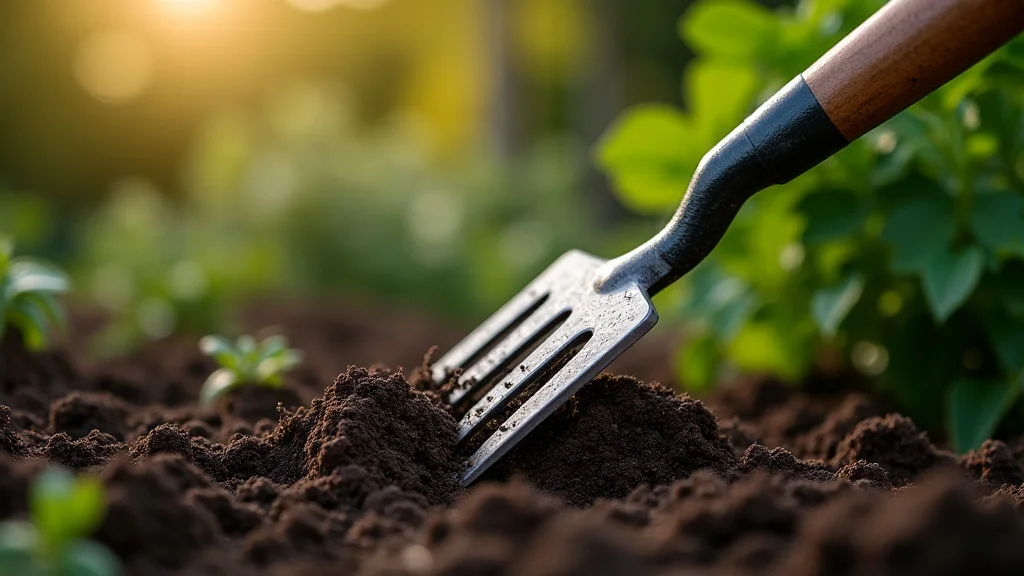
Remember that time your dad tried to rake the leaves with a flimsy toy rake? The frustration was real, right? Whether you’re a seasoned gardener or just starting, having the right tools makes all the difference. This post explores the world of small gardening tools rake, so you can find the perfect one to keep your garden tidy and your plants happy. We’ll cover everything from materials and sizes to the best uses for different types of small gardening tools rake. You’ll gain a solid grasp of selecting and using these essential tools, saving you time and effort in the garden.
Key Takeaways
- Learn the different types of small gardening tools rake and their uses.
- Discover the best materials for durability and performance.
- Understand how to choose the right size and features.
- Find out how to properly care for and maintain your tools.
- Get tips for using your rake effectively in various gardening tasks.
- Become a pro at selecting the ideal small gardening tools rake for your garden.
Choosing the Right Small Gardening Tools Rake
Picking the correct small gardening tools rake goes beyond just grabbing the first one you see. Various factors influence your choice, like what you’ll be raking, the size of your space, and how much effort you want to expend. Understanding these nuances will ensure that you select a rake that’s a pleasure to use and lasts for years. This section provides the groundwork for becoming a smart shopper and selecting the correct small gardening tools rake. It guides you through the details so you make the best decision.
Types of Small Gardening Tools Rakes
There are different types of small gardening tools rake, each with a unique design and purpose. These types are developed to handle different tasks, from delicate jobs to heavier duty projects. Familiarizing yourself with these variations helps you match the proper tools to each gardening situation. Knowing the differences ensures you’re prepared for anything your garden throws your way.
- Leaf Rakes: Leaf rakes have wide, fanned-out tines. These are perfect for gathering leaves, grass clippings, and other light debris from lawns and beds. The flexible tines prevent damage to plants.
- Garden Rakes: Garden rakes feature sturdy, often metal tines, set closely together. These are built for leveling soil, breaking up clumps, and preparing seedbeds. They are great for shaping soil before planting or after seeding.
- Shrub Rakes: Shrub rakes have narrow heads with closely spaced, often flexible tines. They are built to work between plants and shrubs without disturbing them.
Leaf rakes are designed to gather large volumes of light materials such as fallen leaves, grass clippings, and small twigs. The tines, often made of plastic or flexible metal, are spaced to allow debris to pass through while collecting what you want. These rakes are typically lightweight and easy to handle, designed to sweep across surfaces without snagging or damaging plants. This makes them ideal for maintaining lawns, pathways, and garden beds.
Garden rakes are robust and versatile, making them great for tasks that require more force. The tines are typically made of steel and are stronger. These rakes are perfect for tasks like smoothing the soil, removing stones, and incorporating compost. They’re valuable for preparing soil for planting or creating pathways. Their sturdiness ensures that they can handle the tougher jobs in the garden.
Shrub rakes are specially designed to navigate tight spaces. They have narrower heads and finer tines that can work around plants without damaging them. These rakes are useful for removing leaves and debris from small areas. The narrow design and flexibility ensure that you can access hard-to-reach spots. This makes them the perfect tool for maintaining the cleanliness of flower beds.
Material Matters for Your Gardening Tools
The material of your small gardening tools rake directly impacts its durability, weight, and performance. Selecting the right materials ensures that your tools withstand wear and tear and serve you well for years. Considering your use, budget, and personal preferences, you can make an informed choice that’s right for your gardening needs. Proper material selection results in both value and better gardening experiences.
- Wooden Handles: Wooden handles, often made from hardwoods like ash or hickory, provide a classic feel and are shock-absorbing. They can be prone to splintering and rotting if not properly cared for.
- Metal Handles: Metal handles, usually made from steel or aluminum, are extremely durable and can withstand more wear. Aluminum is lighter than steel, making it easier to maneuver.
- Plastic Handles: Plastic handles are lightweight, affordable, and resistant to weather. Their strength can vary, and they may be less durable than wood or metal.
Wooden handles have been a standard for their durability and feel. Ash and hickory are popular materials because they are strong. These handles absorb the shock of raking, which makes them easier to use for extended periods. The main disadvantage is that wood requires maintenance. Exposure to moisture can cause it to rot. Regular cleaning and occasionally oiling the handle will increase its lifespan. Despite the extra effort, many gardeners prefer the natural feel and look of wood.
Metal handles are built for lasting use and are often chosen for their superior durability. Steel handles are strong and sturdy, capable of handling rugged conditions. Aluminum handles provide similar strength but are lighter, which makes them easier to handle. Metal handles will not rot like wood, which is why they are great for use in wet conditions. The main drawback is that metal can conduct cold. This is something to consider when you garden in cooler weather. Metal handles are great for long-term use and heavy-duty tasks.
Plastic handles offer a cost-effective option for gardeners. They are lightweight, which is beneficial for anyone needing to use tools for long periods. Plastic also withstands weather without rusting or rotting, making them low-maintenance. They are not as strong as wooden or metal handles. The quality of the plastic can affect how long they last. Choosing a rake with a high-quality plastic handle is crucial for durability. Plastic handles are ideal for those seeking an easy-to-care-for and inexpensive option.
Size and Feature Selection
The size and features of your small gardening tools rake should align with your body type, the gardening tasks you’ll tackle, and the storage space available. Choosing the correct size and features guarantees that the tool fits your needs. This consideration boosts comfort and improves the tool’s effectiveness. Choosing a suitable rake will provide the best possible gardening experience.
- Handle Length: The length of the handle should be matched to your height. A handle that’s too short will require you to bend over excessively. A handle that’s too long may make it difficult to maneuver.
- Head Width: The width of the rake head will affect how quickly you can cover ground. Wider heads are great for large areas, while narrower heads are better for tight spaces.
- Tine Spacing and Flexibility: The space between the tines and their flexibility should be considered. Narrower spacing is beneficial for fine debris. Flexible tines work well for uneven surfaces.
Selecting the right handle length is about making the most of your movements in the garden. For most people, a handle that comes up to their chest when standing is a great rule of thumb. This gives a good range of motion and lowers the amount of strain on your back. If you are taller, choose a longer handle. Shorter individuals should choose shorter handles. This helps provide comfort and efficiency during tasks such as raking leaves or smoothing soil. An incorrect handle length will cause back strain.
The head width directly relates to how efficiently you complete tasks. Wide rake heads can gather more debris or smooth more soil. This makes them perfect for lawns and open spaces. Narrow heads are valuable in gardens where plants are densely packed. They help you to get in between them without damage. Considering the size of the areas you’ll be working in helps you choose the perfect rake head. Then, you can optimize both speed and accuracy for each gardening job.
Tine spacing and flexibility affect how efficiently the rake can manage different types of materials. Closer spacing is helpful for collecting small leaves or fine debris, guaranteeing that nothing gets missed. Flexible tines bend and adapt to contours. This will prevent the rake from getting caught on uneven ground. Consider what you’re raking. This will help you select the ideal tines. This guarantees optimal performance. The correct choice will make each task easier and more effective.
Using Your Small Gardening Tools Rake Effectively
Proper technique and usage of your small gardening tools rake can vastly improve both the efficiency of your work and the health of your garden. Understanding how to use the rake for different tasks, combined with the right approach, will transform your gardening experience. This section explores several different approaches to raking and helps you master your tools. With this, you’ll be able to make your garden neat and flourishing.
Raking Techniques for Different Tasks
There are different raking methods for various gardening tasks. Mastering these techniques will help you maximize the effectiveness of your efforts. Learning these techniques also helps prevent damage to your plants or soil. These tips will help you become more comfortable in your gardening and ensure you work smarter, not harder.
- Raking Leaves: Hold the rake at a comfortable angle and use long, sweeping strokes. Avoid gathering too much in one pile to prevent heavy lifting.
- Leveling Soil: Use the rake head to pull the soil towards you in short, even strokes. This will smooth the surface and break up clumps.
- Preparing Seedbeds: Use the rake to gently break up the soil. Remove any stones or debris. Create a level surface for planting.
When raking leaves, the goal is to make the task easy and to make sure your work is effective. Start by holding the rake at a gentle angle. This will help you to glide the rake over the surface. Use long, fluid strokes. Avoid lifting the rake too often. Gather leaves into manageable piles, so they’re easy to transport. This technique reduces strain on your back and boosts efficiency. With each pass, you’ll clear the surface quickly. You can then collect the leaves for disposal or composting.
Leveling soil calls for an even touch to achieve a smooth finish. Use your rake head to pull the soil towards you. Apply short, steady strokes. These strokes help to level the ground. This also breaks down any large clumps. The idea is to create an even surface. Doing so prepares your soil for planting. Taking your time and using this approach guarantees that you will have a perfect seedbed.
Preparing seedbeds involves more than just leveling the soil. You should break up the soil to remove debris. Rake the soil back and forth. This method eliminates stones and anything else that does not belong in the soil. Once you’re done, create an even surface for planting. The careful and thorough preparation of the soil will create the ideal conditions. This creates a flourishing environment for your plants. It gives them the best possible start.
Maintenance and Care
Keeping your small gardening tools rake in great condition is key to extending its lifespan. Routine maintenance ensures that your tools always function their best and are ready to use when needed. Proper care also prevents safety hazards. This will guarantee that your tools are both effective and safe for all gardening tasks.
- Cleaning After Use: After each use, wipe off any soil or debris from the tines and handle. This prevents rust and corrosion.
- Storage: Store your rake in a dry place. This protects the handle from rotting and the metal from rusting.
- Sharpening and Repair: Sharpen any metal tines if they become dull. Replace any broken parts immediately.
Cleaning your rake after each use is a simple but vital part of keeping it in great shape. Use a cloth or brush to wipe away soil and debris from the tines. Remove any plant matter that may be clinging to it. This step prevents rust and corrosion. A clean rake will be more efficient and last longer. Regular cleaning also keeps your tools sharp and ready for any future use. It can significantly extend the useful life of your tool.
Where you store your rake matters, especially for long-term care. A dry place is the ideal location to prevent moisture damage. This protects wooden handles from rot. It also prevents any metal parts from rusting. Consider hanging your rake to keep it off the ground. This will help to prevent the tines from bending or breaking. Proper storage keeps your rake in the best shape, ready for the next gardening job.
Regularly inspect the condition of your rake to keep it working well. If the tines are dull, sharpen them. Doing so will improve their efficiency. Check for loose connections or wear. Immediately address any broken parts by replacing them. Doing so will maintain the safety and function of your rake. Timely maintenance will help to extend its life. This keeps your gardening tasks as simple and efficient as possible.
Enhancing Your Gardening
Here are some examples of real-world scenarios in which a small gardening tools rake can be a benefit:
- You are creating a new flower bed. Using a garden rake, you first clear away any existing grass and weeds. Then, you use the rake to break up the soil. You level the ground. The final result is a seedbed that’s ready for planting.
- It’s the fall season, and leaves are covering your lawn. You use a leaf rake to efficiently gather the leaves. You use the leaves for composting or disposal. This makes your lawn look tidy.
Frequently Asked Questions
Question: What’s the best material for a rake handle?
Answer: It depends on your needs! Wood offers a classic feel and shock absorption, while metal provides greater durability and plastic is lightweight and affordable.
Question: How do I know what size rake to buy?
Answer: Consider the size of your garden, the type of tasks you’ll be doing, and your own height for the handle length.
Question: Can I use a garden rake for gathering leaves?
Answer: While you can, a leaf rake is typically better because its tines are designed to gather leaves more efficiently without damaging your lawn.
Question: How often should I clean my rake?
Answer: Clean your rake after each use to remove any soil or debris, preventing rust and keeping it in good condition.
Question: How should I store my rake?
Answer: Store your rake in a dry place, either by hanging it or leaning it against a wall to prevent damage from moisture and to keep it organized.
Final Thoughts
Choosing the right small gardening tools rake is vital for any gardener, from the newbie to the experienced. Considering the different types available, such as leaf rakes, garden rakes, and shrub rakes, will provide a base for your shopping. These rakes can be made of various materials. Wood provides that classic feel. Metal offers durability. Plastic gives you a lightweight, cost-effective option. Then, factor in the size and features, like handle length and tine spacing, to match your needs and gardening area. Using your rake with the proper techniques, like long sweeping strokes for leaves or leveling the soil, improves the results of each task. Remember, maintaining your tools, which means cleaning after each use and proper storage, will increase their longevity and ensure that your garden stays tidy and productive. By applying these methods, you will be prepared to choose the perfect rake, which will guarantee success in your gardening.